
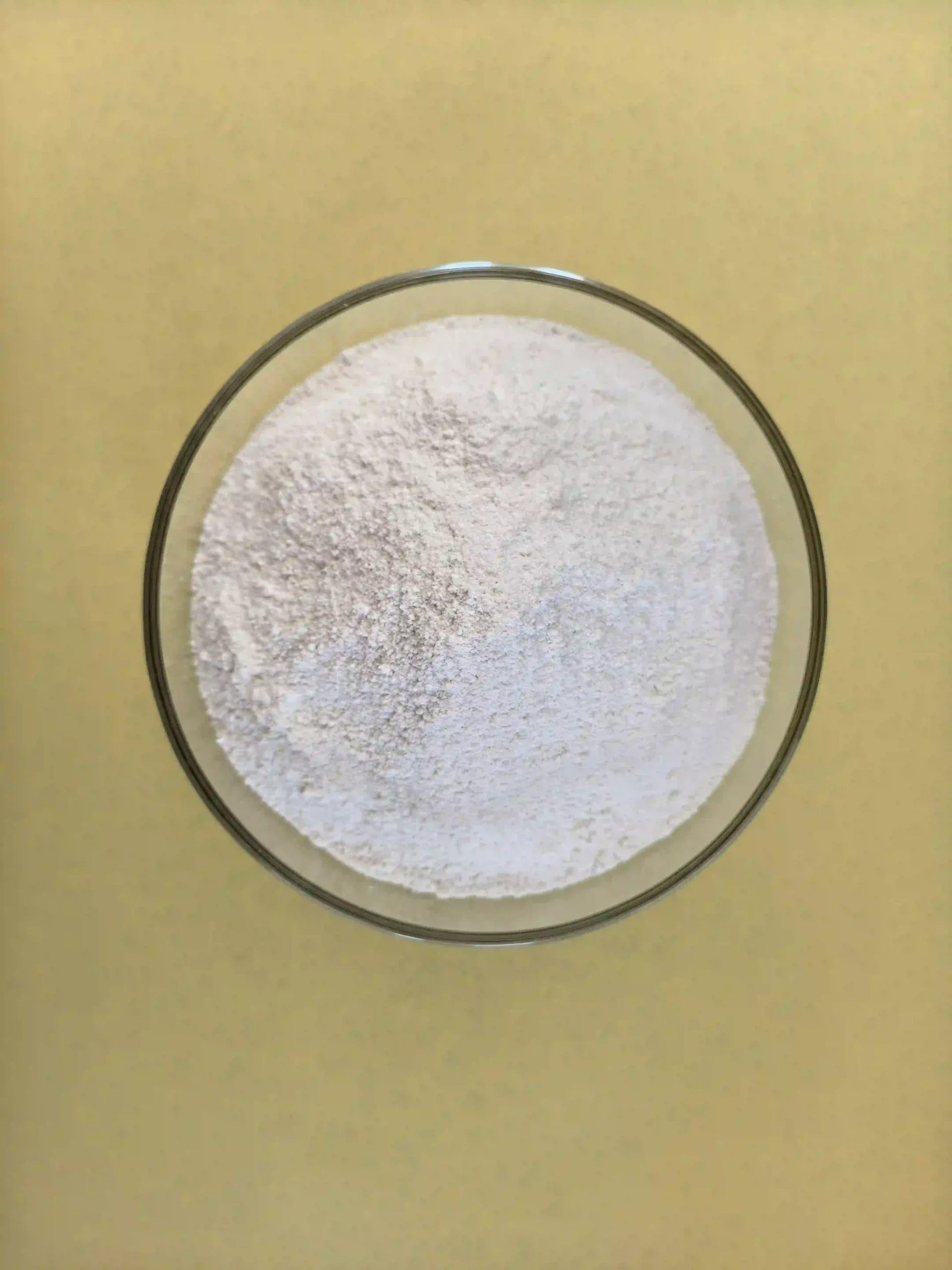
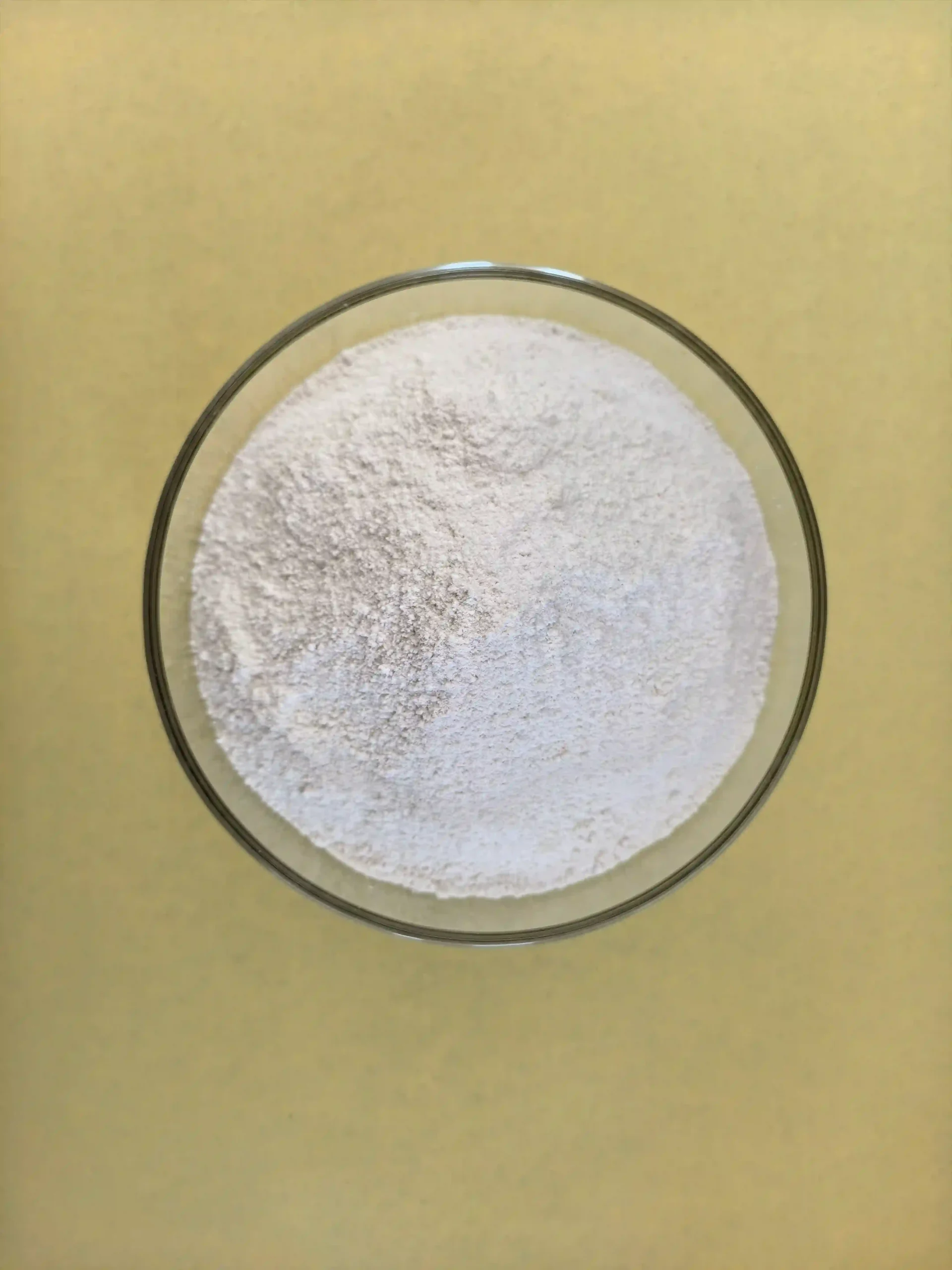
Choosing active zinc oxide for catalysis requires more than comparing surface area or particle size. The right grade depends on the target reaction, operating conditions, dispersion requirements, and resistance to deactivation. Rubber vulcanization and low-temperature H₂S removal are established applications, while photocatalysis and mixed-oxide catalyst systems require more application-specific validation. This guide compares these uses, explains which material properties matter most, and outlines how to qualify a grade before industrial adoption.
What Properties Define Active Zinc Oxide?
“Active zinc oxide” is a commercial materials description rather than a single standardized performance category. Depending on the manufacturing process, an active grade may offer higher BET specific surface area, smaller crystallites, different pore characteristics, or distinct surface defect chemistry compared with conventional grades. These properties can increase the number of accessible zinc sites or influence adsorption and reaction pathways. However, the term “active” alone does not establish catalytic performance. Actual properties must be verified through product specifications and application-specific testing.
Surface Area and Accessible Zinc Sites
Conventional zinc oxide may show relatively low BET surface area, while active or precipitated grades can reach much higher values depending on the manufacturing route and measurement conditions. The practical point is not the number itself but what it represents: a greater fraction of zinc atoms sits at or near the surface and can participate in adsorption, complex formation, or charge transfer. In reactions where the observed rate scales with accessible surface, active zinc oxide for catalysis can provide higher activity per unit mass or allow lower catalyst loading.
Surface area alone does not guarantee catalytic value. If pores are inaccessible to the reactant, if particles agglomerate in the application matrix, or if the surface sinters under reaction conditions, the nominal BET advantage may not survive in service. For practical selection, compare BET surface area alongside particle dispersion, pore accessibility, and stability under the intended operating conditions. A higher BET value is useful only when the additional surface remains accessible during service.
Crystal Facets and Oxygen Vacancies
Different ZnO crystal facets can exhibit distinct adsorption and reaction behaviors depending on their surface termination, local structure, and defect distribution. In structure-sensitive reactions, facet exposure may influence activity even when two materials have similar BET surface areas. However, the contribution of a particular facet must be established for the target reaction rather than inferred from crystal orientation alone. This is one reason active zinc oxide for catalysis cannot be specified by surface area alone.
Oxygen vacancies are the second important defect variable. They influence electronic properties, adsorbate activation, and in some reactions participate directly in the rate-determining step. In photocatalysis and low-temperature H₂S removal, defect chemistry may influence performance alongside surface area, although the relative contribution depends on the material and reaction conditions. Two active zinc oxide grades with similar BET values can therefore behave differently in the same test.
When the Active Advantage Narrows
The advantage of active zinc oxide for catalysis narrows when the reaction is not surface-sensitive, when mass transfer controls the observed rate, or when the material sinters rapidly at operating temperature. In those cases, a conventional grade, a stabilized formulation, or a supported catalyst may be more appropriate. The question is not whether active zinc oxide is “better” in general, but whether the target reaction is limited by the properties that the active grade actually provides.
Rubber Vulcanization: The Most Established Catalytic Role
In sulfur vulcanization, zinc oxide is often described as an activator rather than a true catalyst in the strict turnover sense. It participates in the formation of sulfurating complexes with stearic acid and accelerators, and its physical form influences how efficiently those intermediates form and distribute within the compound. This is the application where active zinc oxide for catalysis has the clearest and most established commercial logic.
How Active ZnO Changes Cure Kinetics
A higher-surface-area zinc oxide grade may improve contact between ZnO, stearic acid, and accelerators, supporting the formation of zinc-containing intermediates involved in sulfur vulcanization. Whether this improves cure rate, cross-link development, or batch consistency depends on the rubber formulation, mixing process, and accelerator system. If conventional ZnO already disperses effectively, the incremental benefit may be limited. Compare candidate grades using cure rheometry and relevant physical-property tests under the same formulation and processing conditions.
The effect is formulation-specific. A compound that already disperses conventional zinc oxide well may see a smaller benefit than a compound with poor zinc distribution or a high filler load. The practical way to evaluate active zinc oxide for catalysis in rubber is through cure rheometry and physical property testing in the actual compound, not by comparing powder specifications alone.
Dosage and Formulation Considerations
Because active grades provide more surface per unit mass, reduced dosage is often possible. However, a one-for-one substitution at the same phr level can change scorch time, cure rate, and cross-link density. Formulators should treat active zinc oxide for catalysis as a formulation variable and rebalance the cure system if necessary. In some cases, the benefit is not a lower total dosage but a wider processing window or more consistent cure across batches.
Limitations in Highly Filled Compounds
Highly filled rubber compounds can limit the benefits of active zinc oxide if fine particles agglomerate during mixing. Before increasing the ZnO activity level or reducing dosage, verify dispersion, scorch safety, cure development, and final compound properties. Predispersed forms may be worth evaluating when consistent distribution is difficult to achieve with raw powder.
Desulfurization: Reactive Adsorbent Rather Than True Catalyst
The removal of hydrogen sulfide from gas streams is one of the largest non-rubber uses of active zinc oxide for catalysis. The overall reaction is commonly written as ZnO + H₂S → ZnS + H₂O. Because zinc oxide is converted to zinc sulfide, the material behaves more like a reactive adsorbent than a true catalyst. Its useful life is therefore limited by sulfur capacity, not only by activity.
Sulfidation Reaction and Sulfur Capacity
In H₂S removal, zinc oxide reacts according to the overall stoichiometric relationship ZnO + H₂S → ZnS + H₂O. Surface area, pore structure, and defect chemistry may influence the reaction rate and the accessibility of unreacted ZnO. However, practical sulfur capacity also depends on operating temperature, gas composition, flow rate, and the development of a ZnS product layer. A suitable grade should therefore be assessed using breakthrough testing under representative process conditions rather than surface area alone.
Sulfur capacity depends on both intrinsic reactivity and pore structure. If the ZnS product layer blocks access to the interior of the particle, the remaining zinc oxide becomes underutilized. A well-designed active zinc oxide for catalysis therefore needs a pore architecture that sustains H₂S diffusion as the reaction proceeds.
Guard-Bed and Polishing Applications
Active zinc oxide desulfurizers are commonly used in guard beds ahead of hydrogenation or synthesis catalysts, and in gas polishing where the feed is already relatively low in sulfur. In these roles, the goal is to protect downstream catalysts from sulfur poisoning rather than to remove bulk sulfur from a heavily sour stream. Its suitability depends on inlet H₂S concentration, the required outlet specification, operating temperature, and the expected service life. For heavily sour feeds, compare the material’s working sulfur capacity and process economics with alternative bulk-removal technologies before selecting a polishing-grade sorbent.
Passivation and Regeneration Limits
ZnS formation can passivate unreacted zinc oxide, and regeneration by roasting adds process complexity. At higher temperatures, zinc oxide can also be affected by reducing gases or sintering. Active zinc oxide for catalysis therefore works best in low-to-moderate temperature polishing service where the feed is already largely sulfur-free, rather than as a bulk sulfur sink for percent-level H₂S.
Photocatalysis and Advanced Oxidation: Condition-Dependent Performance
In photocatalysis, zinc oxide is a wide-bandgap semiconductor. Its function depends on the generation, separation, and transfer of photogenerated charge carriers to adsorbed pollutants. Active zinc oxide for catalysis—especially nanostructured or defect-engineered material—offers levers that conventional coarse zinc oxide does not, but performance is strongly dependent on the water matrix and reactor conditions.
Defect and Facet Effects in ZnO Photocatalysis
Oxygen vacancies can influence charge transfer and adsorbate activation, and facet exposure can change how pollutants and oxygen interact with the surface. Hierarchical or facet-controlled zinc oxide has been studied for pollutant degradation and low-temperature H₂S chemisorption, with results suggesting that surface defect chemistry can enhance activity. These effects are real, but they are not universal. The same defect that helps one reaction may promote recombination or side reactions in another. Candidate grades should be compared using the same target pollutant, light spectrum and intensity, catalyst loading, pH, and reaction time. Where possible, include dark adsorption and photolysis controls to distinguish genuine photocatalytic degradation from pollutant adsorption or direct photochemical effects.
Why Reported Degradation Rates Do Not Guarantee Scale-Up
Reported degradation efficiencies for dyes, antibiotics, and phenolic compounds are often measured under controlled laboratory conditions. Catalyst loading, pollutant concentration, pH, light intensity, light penetration, and competing ions all affect the observed rate. A high removal percentage in a dilute aqueous solution does not automatically translate into full-scale performance in a turbid industrial wastewater stream. Pilot testing under the actual water matrix is essential before making performance claims for active zinc oxide for catalysis. Report the initial pollutant concentration, catalyst dosage, irradiation conditions, reaction time, and analytical method when comparing degradation results across studies.
When Active ZnO Is Not the Best Choice
In photocatalytic systems, higher intrinsic surface activity may not improve overall performance when light penetration, catalyst recovery, or competing reactions dominate. Evaluate slurry stability, separation requirements, and reuse performance alongside degradation efficiency. For continuous treatment, reactor design and catalyst immobilization may matter as much as the properties of the powder itself.
Methanol Synthesis and Water-Gas Shift: ZnO as an Enabling Component
In industrial methanol synthesis and water-gas shift, zinc oxide is rarely used alone. It typically functions as a structural promoter and electronic modifier of copper in Cu/ZnO/Al₂O₃ formulations. The active site for methanol synthesis is generally associated with the copper surface, while zinc oxide influences copper dispersion, prevents sintering, and modifies the electronic state at the metal-oxide interface. In this context, active zinc oxide for catalysis is an enabling component rather than the sole catalytic phase.
How Does ZnO Affect Mixed-Oxide Catalyst Performance?
In Cu/ZnO-based methanol synthesis catalysts, ZnO contributes to the structure and interfacial environment of the copper-containing catalyst. Its role depends on the preparation route, calcination, reduction, and the resulting copper-zinc oxide interface. A high-surface-area ZnO precursor does not automatically produce a more active finished catalyst. Compare candidate materials in the complete formulation and evaluate the activated catalyst using reaction-specific performance and stability tests.
Where Active Zinc Oxide for Catalysis Is Less Likely to Deliver an Advantage
A useful selection guide must include the negative space. Active zinc oxide for catalysis offers the least differentiation in the following situations:
- High-temperature environments with rapid sintering. If the material loses accessible surface area under operating conditions, a thermally stable or supported formulation may be more suitable.
- Bulk sulfur removal from heavily sour feeds. Selection should be based on working sulfur capacity, breakthrough behavior, and process economics rather than initial surface activity alone.
- Systems dominated by mass transfer or formulation constraints. When gas-liquid transport, pore diffusion, agglomeration, or catalyst recovery limits performance, increasing intrinsic surface activity may not improve overall process efficiency.
How to Select the Right Active Zinc Oxide for a Catalytic Application
Selection should begin with the rate-limiting step of the target reaction. If the reaction is surface-limited, surface area and dispersion matter most. If it is defect-sensitive, oxygen-vacancy characterization matters. If it is formulation-limited, dispersion in the actual matrix is decisive. The following framework helps compare active zinc oxide for catalysis grades without relying on a single specification.
Selection Variables by Application
| Selection variable | Why it matters | Where it is most critical | What to verify |
|---|---|---|---|
| BET specific surface area | Determines accessible zinc sites per unit mass | Rubber activation; low-temperature H₂S polishing; photocatalysis | BET method, degassing conditions, lot-to-lot consistency |
| Primary particle size and dispersion | Controls how effectively the surface is used in the application matrix | Rubber compounds; slurry-phase photocatalysis | Dispersion test in the actual matrix, not only powder flow |
| Exposed crystal facets | Different facets interact differently with adsorbates | Desulfurization; structure-sensitive oxidation | XRD facet ratio or electron microscopy evidence |
| Oxygen vacancy concentration | Influences charge transfer and adsorbate activation | Photocatalysis; low-temperature H₂S removal | EPR or XPS evidence where available |
| Purity and heavy-metal content | Residual metals can catalyze side reactions or affect product quality | Rubber; catalyst precursors; environmental applications | Certificate of analysis with specified limits |
| Physical form and handling | Fine powders can be dusty and difficult to disperse | Automated weighing; continuous mixing; packed beds | Sieve residue, powder flow, recommended handling form |
A Practical Qualification Sequence
A qualification program for active zinc oxide for catalysis should follow a logical sequence rather than jumping directly to a performance claim:
-
Verify BET surface area and purity. Confirm the measurement method, degassing conditions, and lot-to-lot consistency. Check the certificate of analysis for heavy metals and other specified limits.
-
Run a controlled application-specific test. Compare the candidate grade with a conventional ZnO reference under the same formulation or operating conditions. For rubber, use cure rheometry and relevant physical-property tests. For H₂S removal, measure breakthrough behavior and working sulfur capacity. For photocatalysis, include appropriate adsorption and photolysis controls and use the intended water matrix.
-
Include a deactivation pathway. Test for sintering, passivation, fouling, or over-cure under realistic service conditions. An initial activity number alone does not predict useful life.
-
Confirm dispersion in the actual matrix. Powder specifications do not guarantee dispersion in a compound, slurry, or packed bed. Verify mixing procedure and dispersion quality before attributing performance differences to the zinc oxide grade.
Why the Highest BET Area Is Not Always Best
Higher BET area increases the potential for side reactions, can reduce filtration or dispersion efficiency, and may accelerate sintering if the material is not thermally stable. In rubber, excessive surface activity can shorten scorch time. In photocatalysis, high catalyst loading can increase turbidity and reduce light penetration. The optimum active zinc oxide for
คำถามที่พบบ่อย
Is Active Zinc Oxide a Catalyst or a Reactive Sorbent?
The role depends on the application. In sulfur removal, ZnO reacts with H₂S to form ZnS and is consumed as the bed operates, making it a reactive sorbent rather than a true catalyst. In rubber vulcanization, ZnO acts as an activator in the cure system. Its function should therefore be described according to the specific process.
Can Active ZnO Replace Conventional ZnO One-for-One?
Not necessarily. A more active grade can change dispersion, scorch safety, and cure kinetics at the same dosage. Compare both grades in the actual formulation and adjust the cure system only after reviewing rheometry and final compound properties.
Does Higher BET Surface Area Always Mean Better Performance?
No. Higher BET surface area may improve access to reactive sites, but the benefit depends on dispersion, pore accessibility, thermal stability, and the reaction’s rate-limiting step. Application-specific testing is needed to identify the optimum grade.
How Does Active ZnO Compare with Nano ZnO?
The categories can overlap, but they are not interchangeable. “Nano” generally refers to particle dimensions, while “active” is a broader commercial description that may reflect surface area, reactivity, or other grade characteristics. Compare measured properties and application performance rather than relying on the product label alone.
What Causes Activity Loss in Service?
Activity loss depends on the application. Common causes include sintering at elevated temperatures, ZnS-layer formation during sulfur removal, fouling or catalyst loss in photocatalytic systems, and formulation-related cure changes in rubber. Qualification tests should reproduce the expected operating conditions and deactivation mechanisms.
บทสรุป
Choosing active zinc oxide for catalysis starts with the target reaction and its rate-limiting step. For rubber vulcanization, evaluate dispersion, cure kinetics, and dosage balance. For H₂S removal, focus on working sulfur capacity, pore accessibility, and breakthrough performance. In photocatalysis, validate activity under the intended light source and water conditions. For mixed-oxide catalysts, assess the finished formulation rather than relying on the properties of the ZnO precursor alone.
Before selecting a grade, compare its specifications, thermal stability, handling characteristics, and application-specific test results against a conventional reference. BET surface area and defect characteristics are useful selection parameters, but neither guarantees better performance on its own.
Reviewing the target application, operating conditions, and required material specifications is the most practical starting point for identifying a suitable grade. Consult the relevant product documentation and validate the candidate material before making a full-scale process decision.