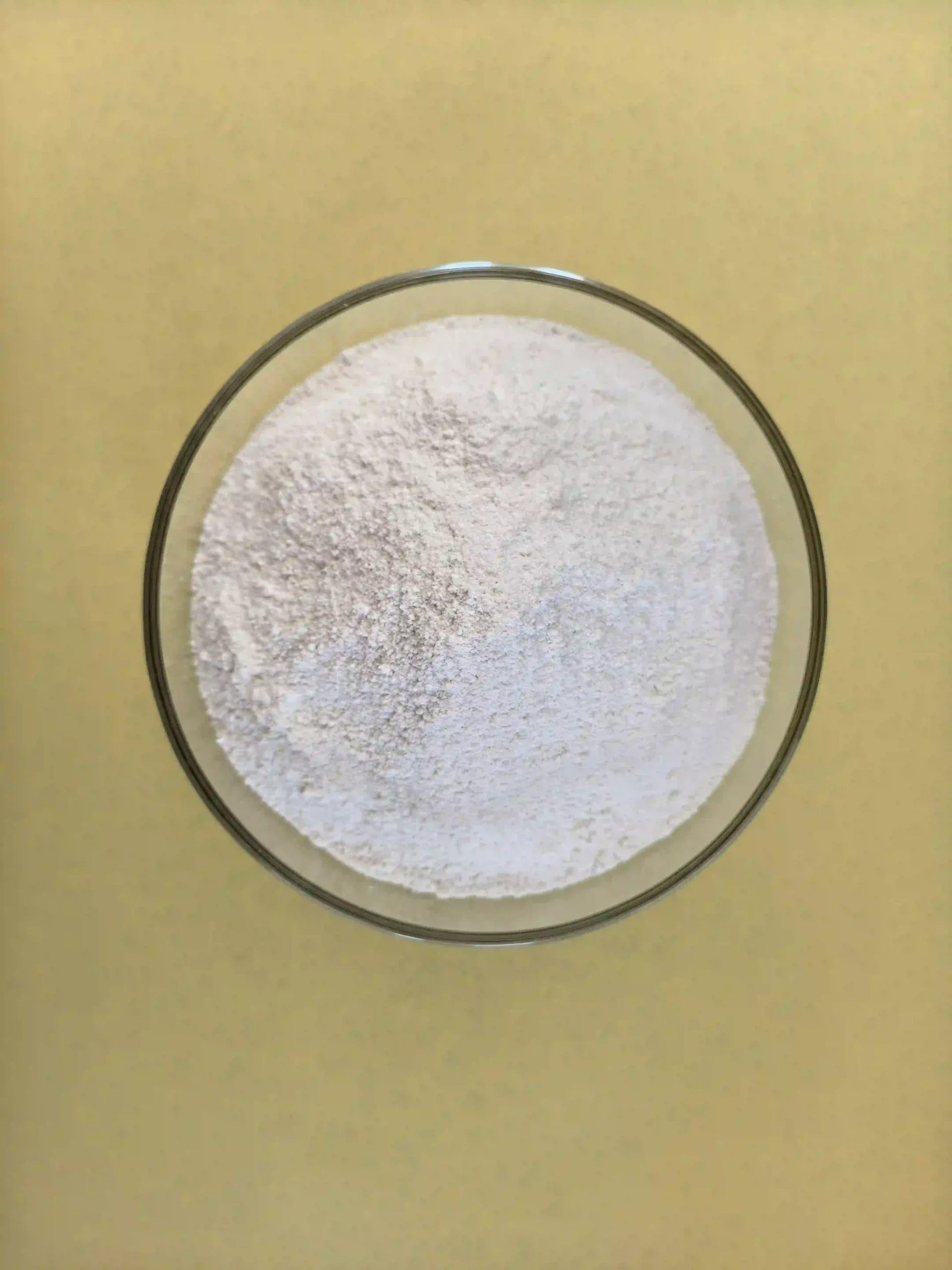
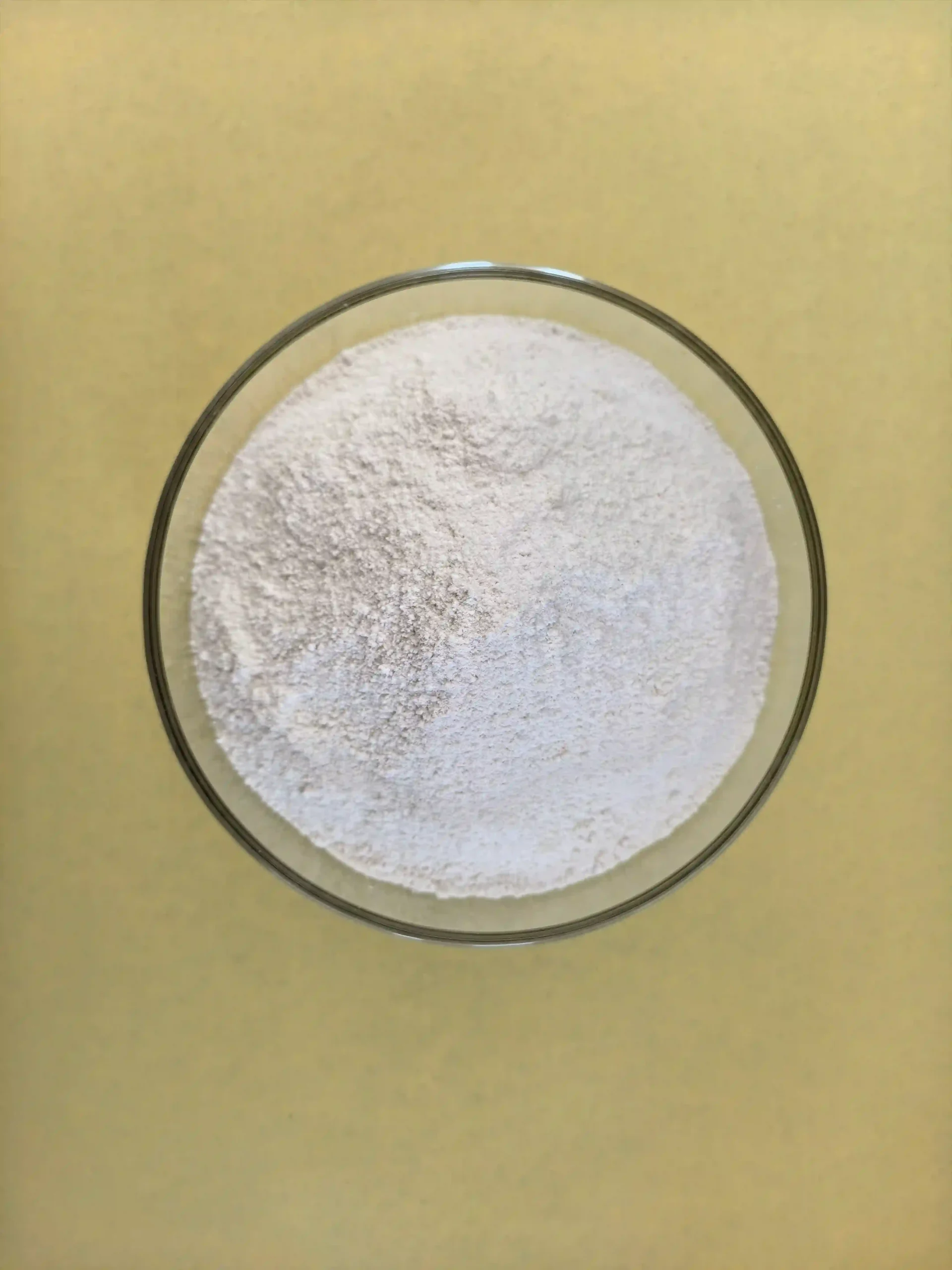
Yes. You can measure the difference by BET surface area before the rubber compound enters curing. ยางเกรดออกไซด์สังกะสีชนิดแอคทีฟ can reach a BET surface area of 50–60 m²/g, compared with approximately 1–6 m²/g for conventional rubber-grade ZnO, although actual values vary by grade and manufacturing process. This higher surface area increases contact between ZnO particles and other ingredients in the cure system, potentially improving activation efficiency and reducing ZnO dosage requirements. However, higher raw-material activity does not guarantee better finished-compound performance. Proper mixing and dispersion are essential to prevent agglomeration and ensure that the available surface area contributes effectively to vulcanization.
What Does Activity Mean in Zinc Oxide Chemistry and Why Surface Area Matters?
Zinc oxide does not crosslink rubber directly. In sulfur-cured rubber compounds, it reacts with stearic acid to form zinc-containing species, including zinc stearate, which interact with the accelerator system and contribute to the formation of active sulfurating intermediates. The availability of ZnO in the organic phase is an important factor influencing cure activation.
Surface area affects this process. Conventional ZnO often has larger particles and relatively limited exposed surface area. By contrast, ยางเกรดออกไซด์สังกะสีชนิดแอคทีฟ is commonly produced through wet chemical processes that yield finer particles with higher specific surface area. This provides more potential contact between ZnO and stearic acid during mixing, improving activation efficiency when dispersion is adequate.
This describes the physical basis of higher activity. Chemical purity is another consideration. Some commercial active ZnO grades, such as one D10 specification, report lead content of ≤5 ppm and cadmium content of ≤3 ppm. These values demonstrate low heavy-metal content, although impurity levels alone do not establish better curing performance.

Why Surface Area Alone Does Not Tell the Whole Story
A higher BET surface area does not automatically produce faster curing or better mechanical properties. Fine ZnO particles can agglomerate during mixing, reducing the surface area effectively available for interaction with other compound ingredients. Research on active ZnO in rubber compounds has also shown that agglomeration can limit the expected performance gains.
The key is to convert high specific surface area into effective dispersion. Compounders who select ยางเกรดออกไซด์สังกะสีชนิดแอคทีฟ based on BET values alone may pay a premium without achieving the expected improvement in cure efficiency. Mixing conditions, particle characteristics, and formulation compatibility all influence the final result.
Table 1: Surface Area and ZnO Loading Comparison
| พารามิเตอร์ | Conventional ZnO | ยางเกรดออกไซด์สังกะสีชนิดแอคทีฟ | Nano ZnO for Reference |
|---|---|---|---|
| Typical BET surface area | 1–6 m²/g | 50–60 m²/g for selected grades | Often above 80 m²/g |
| Particle morphology | Relatively large, often rod-shaped | Fine, generally spherical or near-spherical | Ultrafine, near-spherical |
| Illustrative loading in NR or SBR | 4–5 phr | 2–3 phr in selected formulations | About 1.5 phr in selected formulations |
| Reported ZnO reduction | Baseline | About 40–60%, depending on the formulation | Up to about 70% in reported systems |
| Heavy-metal profile | Grade-dependent | Pb ≤5 ppm and Cd ≤3 ppm in one D10 specification | Grade-dependent |
| Main limitation | Higher loading requirements in some formulations | Agglomeration if dispersion is inadequate | Severe agglomeration risk and more demanding handling |
The reported 40–60% ZnO reduction is an indicative range from specific compound studies, not a universal formulation target or product guarantee. Compounders should use it as a starting point for dosage-reduction trials. The achievable reduction depends on rubber type, accelerator system, mixing conditions, and dispersion quality.
How Much Active Zinc Oxide Rubber Grade Can Replace Ordinary ZnO in Real Compounds?
This is where the activity advantage becomes measurable in a rubber formulation. Conventional ZnO is commonly used at 3–5 phr in sulfur-cured rubber compounds, often alongside 1–2 phr of stearic acid. ยางเกรดออกไซด์สังกะสีชนิดแอคทีฟ can allow formulators to reduce ZnO loading while maintaining cure characteristics and vulcanizate properties within specified limits, provided the formulation and dispersion are properly optimized.
Published studies show different levels of replacement depending on the rubber system. In one unfilled SBR study, 2 phr of active ZnO delivered mechanical and curing performance comparable to 5 phr of conventional ZnO, representing a 60% reduction in ZnO loading. In a natural rubber tread study, 3 phr of active ZnO replaced 4 phr of indirect-method ZnO without compromising physical properties. The study also reported improvements in abrasion resistance and tire performance, along with lower compound costs.
A separate radial tire tread trial using an environmentally oriented active ZnO grade reported approximately 5% higher abrasion resistance and more than 30% lower zinc content. These findings do not establish ยางเกรดออกไซด์สังกะสีชนิดแอคทีฟ as a universal drop-in replacement. Instead, they demonstrate its potential for ZnO reduction and the importance of validating replacement ratios through controlled compound trials.
Tire Tread, Sidewall, and Steel-Cord Skim Compounds
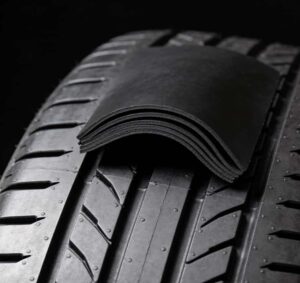
Tire manufacturing is a major application area for rubber-grade ZnO, and improved activation efficiency can benefit several tire compounds. In tread formulations, active ZnO may shorten t90 while maintaining mechanical properties at reduced loading. Some studies also report improved abrasion resistance and lower heat build-up. However, the effects on tread life and rolling resistance depend on the complete rubber formulation and tire design.
In sidewall and belt-skim compounds, ยางเกรดออกไซด์สังกะสีชนิดแอคทีฟ can contribute to the cure system that supports adhesion between rubber and brass-coated steel cords. This performance depends on the interaction among ZnO, accelerators, sulfur, and other formulation ingredients. An industrial trial using an environmentally oriented active ZnO grade in all-steel truck tire tread reported stable processing, comparable tire durability, and a reduction in zinc content of more than 30%. Such results may be relevant to tire manufacturers evaluating lower-zinc formulations for environmental and customer requirements.
Conveyor Belt Covers and Industrial Rubber Profiles
Conveyor belt cover compounds require abrasion resistance, tear strength, and aging resistance under combined mechanical and environmental stress. ยางเกรดออกไซด์สังกะสีชนิดแอคทีฟ functions primarily as a vulcanization activator in these formulations. By supporting efficient cure activation at optimized loading, it may help maintain the crosslink network and the resulting physical properties during service.
Some suppliers offer composite active ZnO grades with a BET surface area of around 40 m²/g for tires, rollers, and conveyor belt applications. Their suitability depends on the rubber formulation, dispersion quality, and required performance specifications. For conveyor belt manufacturers, evaluating cure characteristics, abrasion resistance, and heat-aging performance is more reliable than selecting an active ZnO grade based on surface area alone.
EPDM and Slow-Curing Systems
EPDM compounds can benefit from active ZnO when the selected sulfur-based cure system responds to improved activator availability. Higher specific surface area provides more potential contact with stearic acid and other cure-system ingredients, which may improve activation efficiency when dispersion is adequate.
In continuous extrusion of EPDM profiles and hoses, consistent cure behavior is important for line stability, production speed, and dimensional control. However, the effect of active ZnO varies with sulfur content, accelerator type, filler loading, and processing conditions. Compounders should therefore evaluate scorch safety, t90, and physical properties before adjusting the production process or reducing ZnO dosage.
A Salt-Mine Conveyor Case
Consider a salt mine where steel return rollers require replacement every 12–18 months because chloride-induced corrosion damages their bearings. In the same wet, saline environment, the rubber conveyor belt covers also show premature aging. A possible formulation approach is to evaluate ยางเกรดออกไซด์สังกะสีชนิดแอคทีฟ at reduced loading and adjust the cure system to maintain the required t90 and vulcanizate properties.
The expected benefit should be assessed through comparative testing rather than assumed from ZnO activity alone. Relevant measurements include heat build-up, abrasion resistance, tensile strength, and aging retention after exposure to the intended service environment. If the reformulated cover maintains these properties over a longer operating period, it may help reduce unplanned maintenance and align belt replacement with scheduled shutdowns. This illustrates how improved ZnO activation efficiency can contribute to industrial rubber compound optimization.
What Regulatory and Commercial Pressures Are Driving Low-Zinc Formulations?
The technical case for ยางเกรดออกไซด์สังกะสีชนิดแอคทีฟ is increasingly relevant as rubber manufacturers evaluate material efficiency and environmental requirements. Under the EU CLP Regulation, zinc oxide is classified as Aquatic Acute 1 and Aquatic Chronic 1, reflecting its potential hazards to aquatic organisms. These classifications are important considerations in chemical management and environmental risk assessment.
However, zinc oxide is not generally banned under REACH, nor is it listed on the REACH Authorisation List. This distinction matters: hazard classification does not automatically mean a substance is prohibited. Nevertheless, downstream manufacturers may face additional requirements from OEM customers, environmental policies, and product-specific material specifications. Any zinc-leaching limits should be assessed against the actual requirements of the relevant customer, market, or application rather than treated as universal regulatory limits.
For rubber compounders, reducing ZnO loading is one possible way to improve material efficiency and respond to customer sustainability targets. However, the achievable reduction depends on the rubber type, cure system, product specifications, and mixing capabilities. Lower-zinc formulation strategies therefore need to be evaluated through production trials rather than assumed from market forecasts.
ยางเกรดออกไซด์สังกะสีชนิดแอคทีฟ offers a practical option for this purpose. Its higher specific surface area can improve activation efficiency and potentially reduce the amount of ZnO required, without necessarily introducing the handling challenges associated with some nano-sized materials or requiring a complete change to alternative activator chemistry. This makes it worth evaluating in tire and industrial rubber formulations where zinc reduction and cure performance are both important.
When Does Higher Activity Backfire in Mixing and Cure?
ยางเกรดออกไซด์สังกะสีชนิดแอคทีฟ is not suitable for every rubber compound, and its limitations deserve the same attention as its benefits. The first challenge is dispersion. Fine particles with high surface energy tend to agglomerate, and compounds mixed under low shear or with insufficient mixing time may show little improvement over conventional ZnO.
The second challenge is cure-system balance. Replacing 5 phr of conventional ZnO with 2 phr of active ZnO changes the proportions of ZnO, stearic acid, and accelerator in the formulation. If the cure system is not re-evaluated, the compound may retain acceptable initial properties but show changes in aging resistance or compression set. Any adjustment should be based on rheometer results and physical property testing.
The third consideration is application suitability. Iron ore conveyor belt covers, high-abrasion troughing compounds, and rubber products operating near their maximum service temperature may gain little from higher ZnO activity if mechanical wear or thermal degradation is the dominant failure mechanism. ยางเกรดออกไซด์สังกะสีชนิดแอคทีฟ improves cure activation efficiency, but it cannot independently provide abrasion resistance or thermal stability beyond the capabilities of the elastomer, filler, and protective additive system.
A Tire Factory Trial That Shows the Dispersion Challenge
Consider a tire factory conducting a direct substitution trial, replacing conventional ZnO with ยางเกรดออกไซด์สังกะสีชนิดแอคทีฟ at equal phr without extending the mixing cycle. The rheometer shows a shorter t90, suggesting faster cure development. However, light microscopy of cured samples reveals visible agglomerates, while tensile strength varies across the batch.
In a follow-up trial, the factory adjusts the mixing cycle and introduces a two-stage addition process. Dispersion improves, and batch variation decreases, allowing the compounder to evaluate a subsequent reduction to 3 phr. This example illustrates why active ZnO requires appropriate mixing conditions. A finer particle size does not automatically guarantee better dispersion or more consistent vulcanizate properties.
How Should a Compounder Qualify Active Zinc Oxide Rubber Grade Before Production?
BET surface area is a starting point for material selection, not a sufficient basis for purchasing decisions. Two active ZnO grades with similar BET values may perform differently because of surface chemistry, particle size distribution, agglomeration tendency, and product handling characteristics. A reliable qualification process should evaluate the candidate material in the actual rubber formulation.
A Four-Step Qualification Ladder
1. Compare cure characteristics at equal phr. Replace the existing conventional ZnO with the candidate active grade at the same loading. Use a moving die rheometer (MDR) or other suitable rheometer to compare scorch time, t90, and torque delta under identical test conditions.
2. Run a ZnO dosage-reduction ladder. Test the Active Zinc Oxide Rubber Grade at 75%, 60%, and 50% of the conventional ZnO loading. Identify the lowest dosage that maintains cure characteristics, tensile strength, and compression set within the required specifications.
3. Evaluate dispersion after mixing. Use optical microscopy or SEM, where appropriate, to examine agglomerates in representative compound samples. If poor dispersion is detected at the target loading, optimize the mixing sequence and conditions before reducing ZnO dosage further.
4. Validate aging and fatigue performance. Compare heat-aging retention and relevant fatigue properties rather than relying solely on initial tensile strength. A 70-hour aging test at 100°C can serve as an example screening condition, but the actual temperature and duration should follow the rubber formulation, application requirements, and applicable test standards.
Table 2: Active ZnO Selection Guide by Compound and Processing Constraint
| Compound or Constraint | Recommended ZnO Direction | Key Consideration |
|---|---|---|
| NR or SBR tire tread with a zinc-reduction target | Active ZnO at 2–3 phr, subject to formulation trials | Reported reductions of 40–60% require validation under specific compound conditions |
| Steel-cord skim with adhesion requirements | Active ZnO with verified low heavy-metal content | Evaluate rubber-to-brass-coated-steel-cord adhesion through testing |
| EPDM extrusion or hose with a sulfur-based cure system | Active ZnO, subject to cure-system compatibility | Assess cure activation, scorch safety, and extrusion stability |
| Conveyor belt covers requiring aging and abrasion resistance | Active ZnO at an optimized loading | Verify heat-aging retention, abrasion resistance, and mechanical properties. |
| Low-shear mixing line with limited dispersion capability | Conventional ZnO or a more easily dispersed active grade | Agglomeration may offset the surface-area advantage |
| High zinc-reduction target with dedicated dispersion capability | Nano ZnO as an alternative for evaluation | Greater reduction potential may involve additional dispersion and handling challenges. |
A production trial should measure more than roller life or initial tensile strength. Track scorch safety, t90 consistency, torque delta, batch-to-batch variation, compression set, and aging retention. These indicators help determine whether ยางเกรดออกไซด์สังกะสีชนิดแอคทีฟ delivers measurable benefits in the finished rubber compound rather than simply showing a high BET value on its technical data sheet.
คำถามที่พบบ่อย
Is Active Zinc Oxide Rubber Grade always more expensive per kilogram?
Usually, yes. However, unit price alone is not the best comparison. Evaluate the cost per kilogram of finished compound at equivalent cure and physical performance. If 2–3 phr replaces 4–5 phr with minimal formulation adjustments, the overall compound cost may decrease.
Can I replace conventional ZnO at the same phr without reformulating?
You can use equal-phr substitution as an initial trial, but it should not be treated as an optimized formulation. Active ZnO may change scorch time and t90. Measure scorch safety and cure characteristics before making production adjustments.
Does higher BET surface area always mean faster curing?
No. BET measures the surface area accessible to nitrogen, not necessarily the surface available for interaction with stearic acid and accelerators in rubber. Agglomeration, surface characteristics, and dispersion determine how effectively the ZnO participates in cure activation.
Is Active Zinc Oxide Rubber Grade suitable for EPDM?
Yes. It can be used in EPDM compounds with compatible cure systems, including certain sulfur-based formulations. Its effect depends on the accelerator package, ZnO dosage, and processing conditions, so compound-specific trials are necessary.
How does Active Zinc Oxide Rubber Grade support low-zinc formulations?
It can reduce total ZnO loading by improving activation efficiency per unit of material. It does not eliminate zinc or directly control zinc leaching, but it offers a practical way to reduce ZnO use while maintaining required compound properties.
บทสรุป
ยางเกรดออกไซด์สังกะสีชนิดแอคทีฟ offers a higher specific surface area than conventional ZnO, with selected grades reaching 50–60 m²/g compared with approximately 1–6 m²/g for ordinary rubber-grade ZnO. This difference can improve cure activation efficiency and support ZnO dosage reductions of 40–60% in certain well-dispersed formulations. However, these results depend on the rubber system, mixing conditions, and cure formulation. Higher activity alone does not guarantee better finished-compound performance. Compounders should focus on effective dispersion, cure-system compatibility, and controlled dosage trials to verify the benefits. When properly qualified, active ZnO can help reduce material consumption while maintaining the required rubber properties.
Looking to evaluate a higher-activity ZnO for your rubber formulations? Contact Daoan Chemical to request a sample and discuss a dispersion qualification protocol tailored to your rubber system.