
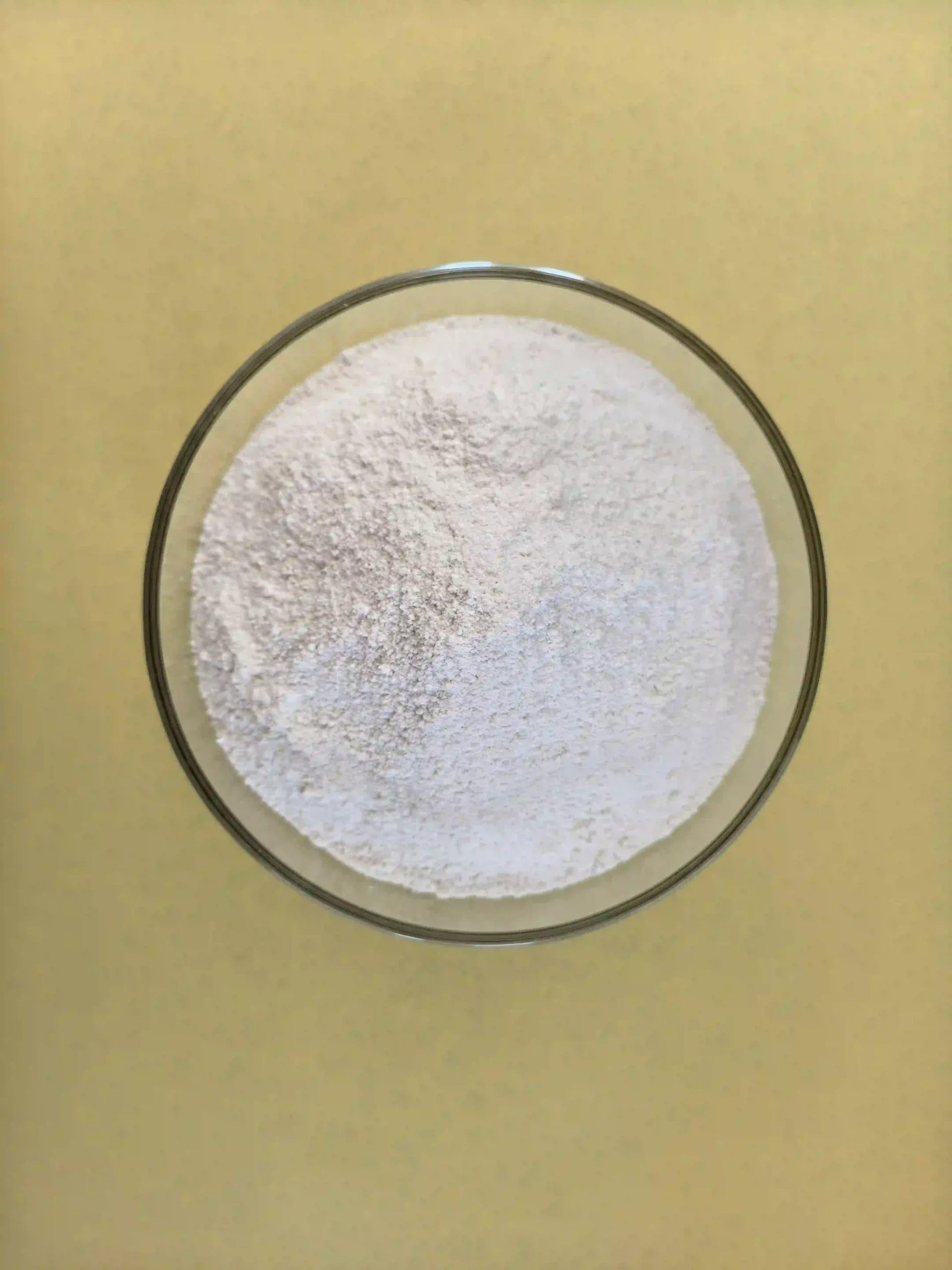
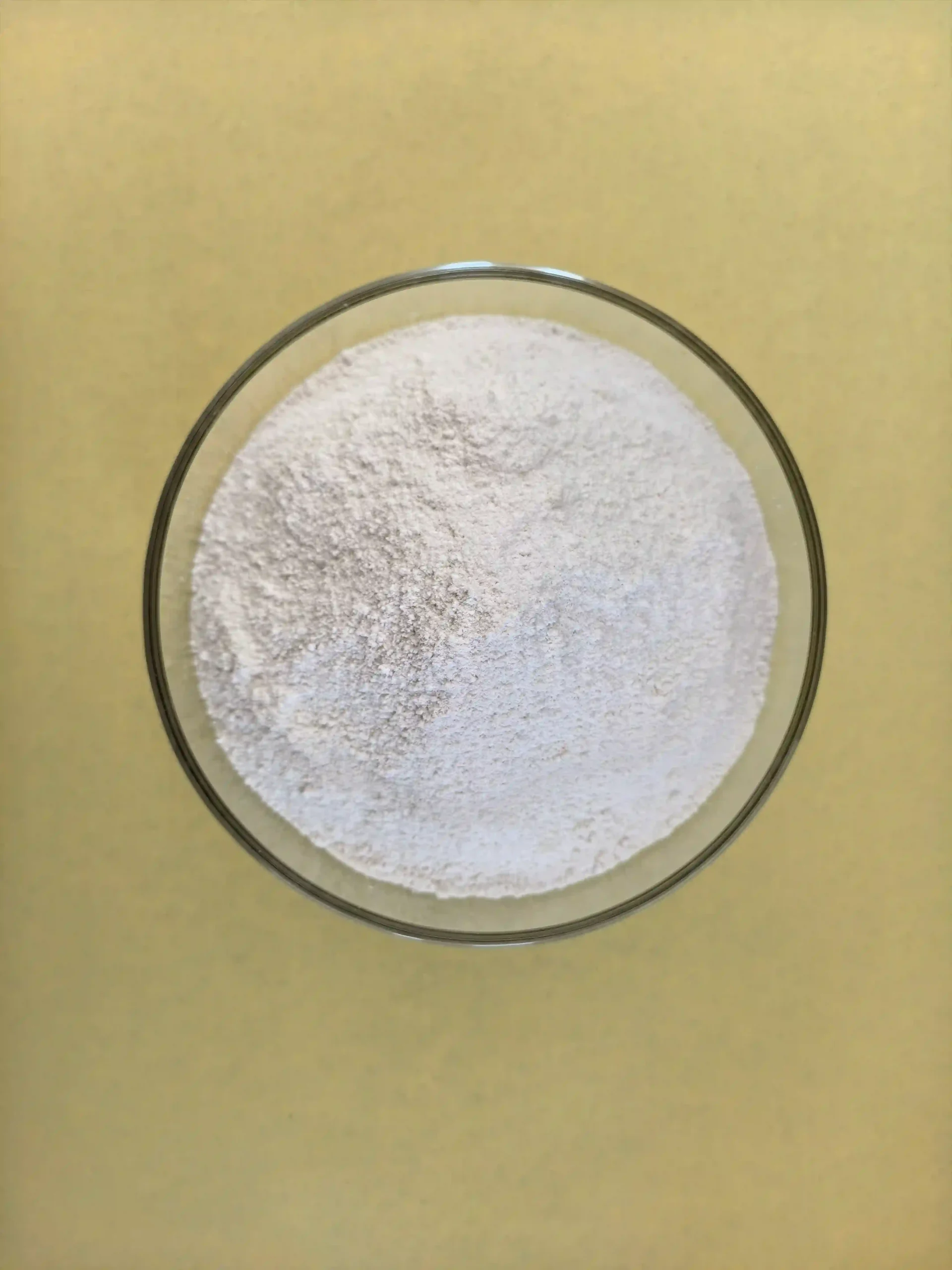
Yes, but the reduction depends more on granule integrity than particle size alone. Granular zinc oxide helps reduce airborne dust during mixing by resisting breakage during handling and conveying until it is incorporated into the compound. However, fragile granules may break down in pneumatic transfer lines or high-shear mixers, releasing fine particles. Therefore, dust-control performance depends on granule strength, handling conditions, and dispersion behavior, all of which should be evaluated before bulk purchasing.
Why Zinc Oxide Dust Is a Mixing Problem Worth Solving
Conventional zinc oxide is a fine, dense powder widely used as a vulcanization activator in rubber compounding, typically at a few parts per hundred rubber (phr). Although its dosage is relatively low compared with carbon black and mineral fillers, it can still generate airborne dust during weighing, bag emptying, and initial mixing. These handling operations make dust control an important consideration for workplace exposure management.
The Exposure Limits That Frame the Conversation
Occupational exposure limits provide a reference for evaluating zinc oxide dust-control measures. In the United States, OSHA specifies an 8-hour time-weighted average (TWA) of 5 mg/m³ for zinc oxide fume and 15 mg/m³ for total dust. NIOSH also provides recommended exposure limits for zinc oxide, with the applicable values depending on the airborne form and measurement conditions. These limits are regulatory or occupational health reference values, not target concentrations for routine workplace operations.
European exposure assessments of zinc oxide handling from big bags have also reported airborne concentrations under specific loading conditions. Such measurements vary with handling methods, ventilation, and sampling conditions. Although zinc oxide may generate less dust than some other industrial powders, its airborne concentration still needs to be controlled during weighing and charging.

Where the Dust Is Generated in a Mixing Line
Dust generation is concentrated at specific handling and transfer points rather than occurring uniformly throughout the mixing process. Identifying these points helps determine where granular zinc oxide can provide the greatest benefit.
- Bag emptying and manual weighing. Pouring powder from bags or scoops into weigh vessels can release airborne particles. Granular zinc oxide may reduce dust generation, although fragile granules and excessive pouring heights can still produce fines.
- Pneumatic conveying and drop points. High conveying velocities, repeated impacts, and sharp bends can cause granule abrasion. Material that remains intact in packaging may generate fines during transfer if the system is not suitable for its mechanical strength.
- Mixer charging. Dry zinc oxide can become airborne when introduced into a mixer before sufficient contact with the rubber compound allows the particles to disperse.
- Packaging residue. Fine powder adhering to bag liners can become airborne during emptying and disposal. Free-flowing granules may reduce residual material and secondary dust release.
Granulation does not make zinc oxide dust-free. Its main advantage is reducing the amount of loose fine material exposed during handling, provided the granules remain intact.
The Mechanism: How Granulation Changes Dust Behavior
Granulation converts fine zinc oxide particles into larger agglomerates. The resulting dust-control performance depends on the granulation process, binding mechanism, and resistance to mechanical forces during storage, conveying, and mixing.
Agglomeration, Binder Chemistry, and Granule Strength
Granular zinc oxide can be produced with or without binders. Binder-free processes rely on particle cohesion achieved through methods such as moisture-assisted agglomeration or mechanical compaction. Binder-based products use polymers or other additives to hold primary particles together. These differences affect granule strength, dispersion behavior, and compound compatibility.
A binder-bound granular zinc oxide, such as an elastomer-bound dispersion, is designed to maintain its structure during handling and break down during mixing. Binder-free mineral granules avoid additional carrier materials but may have different abrasion and dispersion characteristics. Neither approach is universally superior. Buyers should evaluate binder compatibility, granule strength, and dispersion performance against their specific rubber formulation and processing conditions.
Fines Content and Particle Size Distribution
There is no single particle-size threshold that defines a dust-free granular zinc oxide product. Fines content and particle size distribution are more useful evaluation criteria because smaller particles are generally more susceptible to becoming airborne during handling.
One published patent concerning zinc oxide-silica granules describes a practically dust-free material with no more than 6 wt% passing through a 200-mesh sieve (0.074 mm). This is a product-specific reference rather than a universal specification for all granular zinc oxide grades. Buyers should request sieve analysis and the full particle size distribution from suppliers instead of relying on this benchmark alone.
Why Granule Strength Matters More Than Granule Size
A relatively large granule can generate substantial dust if it fractures during conveying or mechanical handling. Therefore, attrition resistance is an important consideration alongside initial particle size. Granulation methods involving controlled agglomeration, drying, and classification can help improve product consistency, but actual performance depends on the manufacturing process and quality controls.
| ทรัพย์สิน | Conventional Zinc Oxide Powder | ซิงค์ออกไซด์ชนิดเม็ดละเอียด | Implications for Dust Control |
|---|---|---|---|
| รูปแบบทางกายภาพ | Fine particles with a large exposed surface area | Larger agglomerated particles | Fewer loose fines may reduce airborne dust during handling |
| การไหล | May be cohesive and prone to bridging in hoppers | Often designed for more consistent material flow | Reduces manual handling and dust-generating feeding interruptions |
| ความหนาแน่นแบบมวล | Depends on powder grade and packing conditions | Varies with granulation method and particle structure | Affects storage capacity and feeder calibration |
| Fines content | Predominantly fine particles | Depends on granulation process and handling conditions | Lower fines content generally supports better dust control |
| Packaging residue | Fine powder may adhere to bag liners | Free-flowing granules may leave less residual material | Can reduce secondary dust release during packaging disposal |
| Binder / additive content | Generally supplied without a granulation binder | May be binder-free or contain a carrier | Binder compatibility can affect dispersion and curing performance |
The comparison above describes general differences between conventional zinc oxide powder and granular forms. Actual fines content, bulk density, flowability, and binder composition vary by product and manufacturing process. Buyers should confirm these properties through the supplier’s technical data sheet (TDS) and lot-specific certificate of analysis (COA) before bulk purchasing.
Case Evidence: What Rubber Plants Can Evaluate When Switching to Granular Zinc Oxide
Rubber compounding is an important application for zinc oxide, making handling performance in this industry particularly relevant to dust-control evaluations. Comparisons between conventional powder, granular zinc oxide, and pre-dispersed forms can help manufacturers identify potential improvements. However, product performance varies with formulation, granule properties, and plant conditions. The following scenarios illustrate practical factors to evaluate rather than verified results from specific manufacturers.
Case 1: Airborne Dust and Material Loss in Tire Compound Mixing
In tire sidewall compound production, manual weighing and bag emptying can release airborne zinc oxide powder at the weigh station. Fine material may also remain on bag liners or weighing equipment, creating additional handling and housekeeping requirements. Inadequate dispersion can introduce another quality concern, although it should not automatically be attributed to powder form alone.
Switching to a binder-bound granular zinc oxide may reduce loose fines during weighing and charging, provided the granules retain sufficient strength during handling. However, the change should be evaluated for both dust control and compound performance. Manufacturers can compare airborne dust levels, material residues, and dispersion quality before and after conversion. MDR testing, including scorch time (TS2) and cure characteristics, can help verify that the alternative material maintains the required curing behavior. Zinc oxide dosage should remain unchanged during the initial comparison unless active content and formulation adjustments have been separately validated.
Case 2: Flowability in Automated Weighing Systems
In automated rubber compounding lines, conventional zinc oxide powder may cause bridging or inconsistent feeding in some hopper and feeder designs. These problems can interrupt dosing and require manual intervention, creating additional opportunities for dust release.
A suitable granular zinc oxide grade may improve material flow and support more consistent automated feeding. However, flowability depends on particle size distribution, fines content, moisture, granule strength, and feeder design. Manufacturers should assess feeding stability under actual operating conditions and compare dosing accuracy before production conversion. The objective is not simply to select a larger granule, but to find a grade that combines handling durability with reliable dispersion during mixing.
What the Case Evidence Does and Does Not Establish
These application scenarios show why granular zinc oxide is worth evaluating for dust control and material handling in rubber mixing. They do not prove that every granular product will deliver the same results. Performance depends on attrition resistance, conveying conditions, feeder configuration, and mixing energy. Manufacturers should conduct plant-scale trials and compare dust levels, feeding consistency, dispersion, and cure properties before making a bulk purchasing decision.
| Application Scenario | Common Challenge | Potential Benefit of Granular Zinc Oxide | Recommended Verification |
|---|---|---|---|
| Tire compound mixing | Airborne dust during weighing and charging; powder residue | Reduced loose fines and easier material handling | Dust monitoring, residue checks, MDR testing, and dispersion evaluation |
| Automated rubber compounding | Hopper bridging, inconsistent feeding, and manual intervention | More consistent flow and fewer feeding interruptions | Feeder trials, dosing accuracy checks, and mixing performance evaluation |
The Operational and Commercial Case Beyond Dust
Dust reduction is an important reason to consider granular zinc oxide, but the commercial evaluation should also cover material handling, dosing consistency, and housekeeping. These factors can influence operating efficiency and the overall value of switching from conventional powder.
Flowability and Automated Metering
Granular zinc oxide is often designed to improve flow through storage, conveying, and metering systems. Conventional powder may be cohesive and prone to bridging or rat-holing, depending on its particle properties and storage conditions. In automated lines, inconsistent feeding can affect dosing accuracy and introduce variation in zinc oxide content between batches. Manufacturers should therefore evaluate feeder compatibility and gravimetric dosing performance rather than assume that all granular grades will flow reliably.
Material Loss and Yield
Fine powder can be lost through airborne dust, equipment residue, and material left in packaging. Granular zinc oxide may reduce these losses when it has suitable flowability and low fines content. However, the actual improvement depends on handling procedures, collection systems, packaging design, and transfer equipment. Buyers should compare material residues and consumption records during plant trials rather than apply a general loss-reduction percentage to every production line.
Skin Contact and Operator Acceptance
Handling fine powders can increase direct contact with zinc oxide during weighing, bag emptying, and equipment cleaning. Granular forms may make these operations easier by reducing loose powder and packaging residue, although they do not eliminate the need for appropriate protective equipment and handling procedures. Better material handling can also improve housekeeping and operator acceptance, supporting more consistent implementation of workplace dust-control practices.

Limits of the Claim: Where Granular Zinc Oxide Does Not Solve the Problem
A sound material specification must account for conditions that can reduce or eliminate the benefits of granulation. Granular zinc oxide is not a universal dust-control solution, and three limitations should be considered before switching from conventional powder.
Granule Attrition in Aggressive Handling Systems
Dust-control performance depends on granule integrity. Pneumatic conveying systems with high air velocity, long transfer lines, and multiple bends can cause abrasion and generate fines. Granular zinc oxide that remains intact during packaging and storage may break down before reaching the mixer if the conveying conditions are too aggressive. Before bulk purchasing, manufacturers should assess transfer velocity, drop heights, pipeline configuration, and the number of directional changes between storage and the weigh hopper. Attrition resistance should also be included in supplier evaluation.
Dispersion Failure in High-Shear or Low-Temperature Mixing
Granules that are too resistant to breakdown may not disperse adequately under the available mixing conditions. Undispersed zinc oxide agglomerates can contribute to poor dispersion and inconsistent compound properties. This risk should be evaluated in relation to mixing temperature, shear energy, compound viscosity, and mixer design. Suppliers should provide appropriate dispersion guidance, and laboratory trials should confirm compatibility with the target rubber formulation before production conversion.
The Exposure Limit Does Not Disappear
Low-dust granular zinc oxide does not eliminate the need for engineering controls, appropriate protective equipment, and exposure monitoring. Occupational exposure requirements still apply to airborne zinc oxide generated during handling, regardless of whether the material is supplied as powder or granules. Granulation may reduce dust generation, but it does not prove that workplace concentrations are below applicable limits. Manufacturers should verify actual exposure levels after switching materials rather than relying on visual cleanliness alone.
คำถามที่พบบ่อย
Q: Is granular zinc oxide completely dust-free?
No. Granulation reduces loose fines but does not eliminate them. Dust-control performance depends on fines content, granule strength, and handling conditions. Buyers should request particle size distribution and attrition data rather than rely on a dust-free product claim.
Q: Does granular zinc oxide disperse as well as powder in rubber compounds?
It can, provided the granules break down adequately during mixing. Binder type, granule strength, compound viscosity, and mixing energy all affect dispersion. A laboratory trial with MDR testing and physical-property comparisons can verify performance in the target formulation.
Q: Can I reduce the zinc oxide dosage when switching to granular form?
Not automatically. Dosage depends on active zinc oxide content and formulation requirements. Some pre-dispersed products may support dosage optimization, but any reduction should be validated through MDR cure testing and physical-property comparisons before production use.
Q: Does granular zinc oxide cost more than powder?
It may carry a price premium, depending on grade and formulation. Compare the total cost, including dust collection, material loss, handling labor, and protective equipment. The economic benefit depends on consumption volume, existing controls, and process efficiency.
Q: What fines content should I specify?
There is no universal limit for all granular zinc oxide grades. A published patent describes a specific granulated material with no more than 6 wt% passing a 200-mesh sieve. Request the supplier’s COA and full particle size distribution to establish a suitable product specification.
Specifying Granular Zinc Oxide for a Mixing Operation
The procurement decision should reflect the plant’s actual handling and mixing conditions rather than a general preference for lower dust. The following checks can help buyers establish a practical specification for granular zinc oxide.
- Identify the main dust generation points. Determine whether dust is mainly released during bag emptying, weighing, pneumatic conveying, or mixer charging. A product that performs well during manual handling may still generate fines in an aggressive transfer system.
- Request fines content and particle size distribution. Do not rely on average granule size alone. Ask the supplier to provide sieve analysis and the fraction passing the relevant mesh sizes in the certificate of analysis (COA).
- Confirm binder chemistry and compatibility. For binder-bound granules, check whether the carrier is compatible with the rubber formulation and whether it affects curing or physical properties. Binder-free grades may be preferable when additional formulation components need to be avoided.
- Check flowability against the feeding system. Evaluate granule size, bulk density, moisture, and flow behavior against the existing hopper, feeder, and conveyor design. A product that flows well from a bag may not perform consistently in every automated metering system.
- Conduct dispersion and cure trials. Compare granular zinc oxide with the existing powder at the supplier’s recommended dosage. Evaluate MDR cure characteristics, including TS2, dispersion quality, and relevant physical properties before approving a production change.
- Verify lot-to-lot consistency for bulk supply. Request historical quality data covering fines content, particle size distribution, bulk density, and moisture. Consistent specifications across production lots help reduce feeding and compound variability in wholesale and bulk orders.
For buyers evaluating a granular zinc oxide supplier for rubber compounding or other industrial applications, the next step is to review the product’s technical data sheet (TDS), request a lot-specific COA, and conduct trials under actual handling and processing conditions. Supplier evaluation should cover product consistency, binder composition, technical support, and bulk supply capability.
บทสรุป
Granular zinc oxide can reduce dust in rubber mixing by limiting loose fines, improving material flow, and reducing residue during handling. However, the actual benefits depend on granule integrity, conveying conditions, and dispersion performance. For rubber manufacturers handling zinc oxide at scale, these factors can influence both workplace dust control and production efficiency.
Choosing the right grade requires more than comparing particle size. Evaluate fines content, binder compatibility, flowability, and mixing performance before placing a bulk order. Daoan Chemical offers zinc oxide solutions for industrial applications. Contact Daoan Chemical to discuss your application requirements and identify a suitable zinc oxide grade for your production process.