
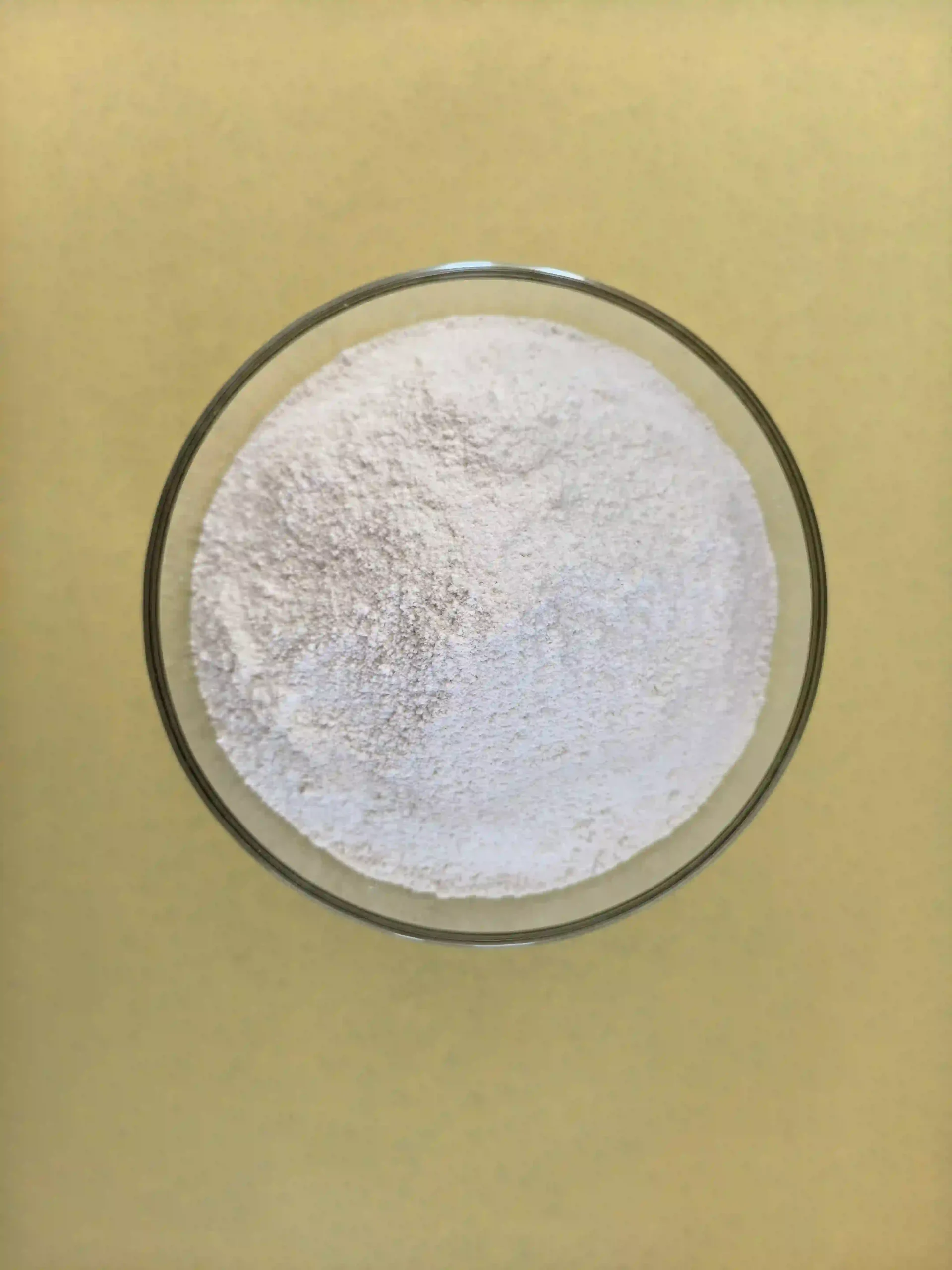
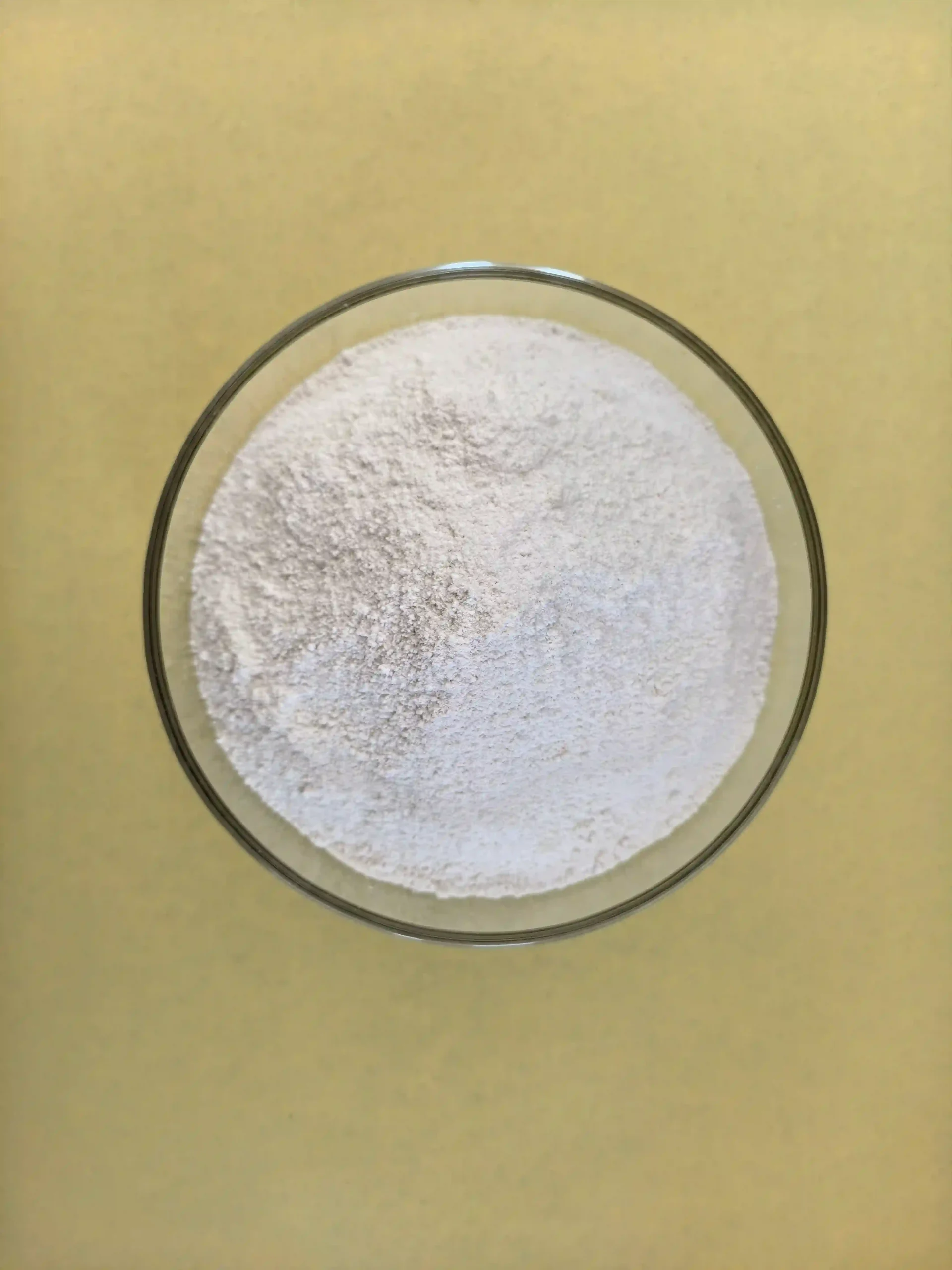
Trong các công thức cao su lốp, kẽm oxit là một phụ gia cốt lõi không thể thiếu, đóng nhiều vai trò khác nhau, bao gồm kích hoạt lưu hóa, chống chịu nhiệt, chống lão hóa, tăng cường độ bền và làm cứng, ảnh hưởng trực tiếp đến hiệu quả lưu hóa lốp, tính chất cơ học và tuổi thọ sử dụng. Nhiều chuyên gia trong ngành có thể thắc mắc tại sao các nhà sản xuất lốp lại từ bỏ kẽm oxit thông thường để chuyển sang sử dụng kẽm oxit hoạt hóa. Mấu chốt nằm ở chỗ, mặc dù hai loại này có thành phần hóa học gần giống nhau, nhưng chúng lại khác biệt căn bản về cấu trúc vi mô, khả năng phản ứng và hiệu suất.
Kẽm oxit thông thường được sử dụng rộng rãi trong ngành công nghiệp thường được sản xuất theo phương pháp gián tiếp. Đặc điểm của nó là kích thước hạt tương đối lớn, hình thái không đồng đều và diện tích bề mặt riêng thấp, dẫn đến rất ít vị trí phản ứng hoạt động trên bề mặt hạt. Trong quá trình trộn cao su, sản phẩm này dễ bị vón cục và phân tán không đồng đều. Trong hệ thống phản ứng lưu hóa, nó hầu như chỉ đóng vai trò là chất độn trơ, không thể tham gia đầy đủ vào các phản ứng kích hoạt lưu hóa và liên kết chéo. Do đó, tỷ lệ sử dụng của phụ gia này cực kỳ thấp, khiến nó khó có thể phát huy được vai trò chức năng cốt lõi của mình.
Ngược lại, kẽm oxit hoạt tính cao được điều chế đặc biệt cho lốp xe, được tinh chế thông qua một quy trình biến đổi độc quyền. Nó có kích thước hạt mịn hơn, phân bố đồng đều, và cấu trúc vi mô xốp đặc biệt giúp tăng diện tích bề mặt riêng lên gấp 3–4 lần so với kẽm oxit thông thường, tạo ra nồng độ cao các vị trí phản ứng hoạt động mạnh trên bề mặt hạt. Ngoài ra, bề mặt hạt còn trải qua các xử lý hoạt hóa và biến đổi, giúp cải thiện đáng kể khả năng tương thích bề mặt với axit stearic, các chuỗi đại phân tử cao su và các chất xúc tiến lưu hóa. Trong giai đoạn trộn, các hạt phân tán nhanh chóng và đồng đều trong hệ thống hỗn hợp cao su, hoàn toàn loại bỏ hiện tượng vón cục và đóng bánh. Điều này cho phép nó tham gia đầy đủ vào các phản ứng liên kết chéo của hệ thống lưu hóa, giải quyết triệt để những vấn đề thường gặp với kẽm oxit thông thường—đó là “liều lượng cao, hiệu quả phản ứng thấp và sử dụng chưa tối ưu”.”
Lưu hóa là quá trình cốt lõi trong sản xuất lốp; tốc độ phản ứng lưu hóa, độ đồng đều của mạng lưới liên kết chéo và sự ổn định của quy trình quyết định trực tiếp đến năng suất sản xuất lốp và chất lượng thành phẩm. So với kẽm oxit thông thường, kẽm oxit hoạt tính cao mang lại độ chính xác và ổn định vượt trội trong việc điều chỉnh hệ thống lưu hóa cao su, giúp tối ưu hóa đáng kể hiệu suất của quá trình lưu hóa.
Kẽm oxit thông thường có khả năng phản ứng thấp, dẫn đến việc khởi động phản ứng lưu hóa chậm và quá trình phản ứng diễn ra chậm chạp. Để đáp ứng tiêu chuẩn mật độ liên kết chéo và tính chất cơ học quy định trong công thức, phải bổ sung liều lượng kẽm oxit thông thường cao hơn vào hỗn hợp cao su. Đồng thời, sự phân tán không đồng đều và phản ứng không đồng bộ trong hỗn hợp dễ dẫn đến tình trạng lưu hóa quá mức hoặc lưu hóa chưa đủ tại từng khu vực. Tệ nhất, điều này gây ra độ cứng không đồng đều và các khuyết tật bề mặt trong hỗn hợp lốp; tệ hơn nữa, nó gây ra các khiếm khuyết quy trình như cháy cao su và bỏng kẽm, dẫn đến phế phẩm trên toàn bộ lô hàng. Hơn nữa, đặc tính phản ứng kém hiệu quả của kẽm oxit thông thường kéo dài chu kỳ lưu hóa, trực tiếp hạn chế năng lực sản xuất tổng thể của dây chuyền.
Kẽm oxit hoạt tính cao, với số lượng lớn các vị trí hoạt động trên bề mặt, có thể nhanh chóng kết hợp với axit stearic và các chất xúc tiến lưu hóa để tạo thành các phức hợp hoạt hóa hiệu quả cao. Điều này giúp rút ngắn đáng kể thời gian khởi động lưu hóa và đẩy nhanh chính xác quá trình phản ứng lưu hóa, giảm khoảng 15% thời gian lưu hóa tổng thể và nâng cao đáng kể hiệu quả dây chuyền sản xuất. Quan trọng hơn, khả năng phân tán tuyệt vời của nó đảm bảo rằng phản ứng lưu hóa diễn ra đồng loạt trên tất cả các vùng của hỗn hợp cao su, tạo nên một mạng lưới liên kết chéo cao su ba chiều dày đặc, đồng đều và ổn định. Điều này giúp giảm đáng kể tỷ lệ lưu huỳnh tự do và các đoạn cao su chưa phản ứng trong hệ thống, hoàn toàn khắc phục tình trạng lưu hóa chưa đủ hoặc quá mức cục bộ, tránh các khuyết tật quy trình phổ biến như bỏng kẽm và nứt hỗn hợp, đồng thời nâng cao hiệu quả sản xuất.
Ngành công nghiệp lốp hiện đang chuyển đổi sang các sản phẩm cao cấp với đặc trưng nhẹ, lực cản lăn thấp, chống mài mòn cao, tuổi thọ dài và khả năng chống lão hóa tốt. Hỗn hợp cao su được điều chế bằng kẽm oxit thông thường đã không còn đáp ứng được các tiêu chuẩn khắt khe về hiệu suất của lốp cao cấp, trong khi kẽm oxit hoạt tính cao là phụ gia chức năng then chốt để nâng cao hiệu suất lốp và đáp ứng yêu cầu sản phẩm.
Về mặt tính chất cơ học, mạng lưới liên kết chéo đồng đều và dày đặc được tạo thành bởi kẽm oxit hoạt tính cao giúp tăng cường đáng kể độ bền kéo, độ chống rách và độ chống mài mòn của hỗn hợp. Điều này giúp tăng độ bền rách của lốp lên 10% và giảm mài mòn DIN tới 40%, giảm đáng kể hao mòn trong quá trình vận hành và kéo dài đáng kể tuổi thọ lốp. Về mặt hiệu suất lái xe động lực, cấu trúc liên kết chéo đồng đều và ổn định cho phép hỗn hợp cao su phân bố đều áp lực trong các điều kiện phức tạp như biến dạng tốc độ cao và uốn dẻo lặp đi lặp lại. Điều này giảm ma sát nội bộ và sinh nhiệt trong cao su, hạ thấp đáng kể lực cản lăn của lốp, đáp ứng đầy đủ các yêu cầu cốt lõi về lực cản lăn thấp và tiết kiệm năng lượng theo Quy định Nhãn lốp của EU và tiêu chuẩn lốp xanh của Trung Quốc.
Từ góc độ chi phí, kẽm oxit hoạt tính cao cho phép giảm tối đa lượng nguyên liệu trong công thức mà vẫn nâng cao hiệu quả. Trong khi kẽm oxit thông thường thường được thêm vào với hàm lượng 3–5 phr, thì kẽm oxit hoạt tính cao—nhờ khả năng phản ứng và tỷ lệ sử dụng siêu cao—đạt hiệu quả kích hoạt lưu hóa và tăng cường độ bền ngang bằng hoặc tốt hơn các công thức truyền thống chỉ với hàm lượng 0,8–1,5 phr, giảm tổng hàm lượng kẽm trong hệ thống từ 30%–50%. Mặc dù giá mua đơn vị mỗi tấn kẽm oxit hoạt tính cao cao hơn so với kẽm oxit thông thường, nhưng các lợi ích toàn diện—bao gồm giảm lượng sử dụng, giảm tiêu thụ năng lượng lưu hóa, nâng cao năng suất sản xuất và giảm phế liệu—đã bù đắp dư thừa cho chênh lệch giá này.