
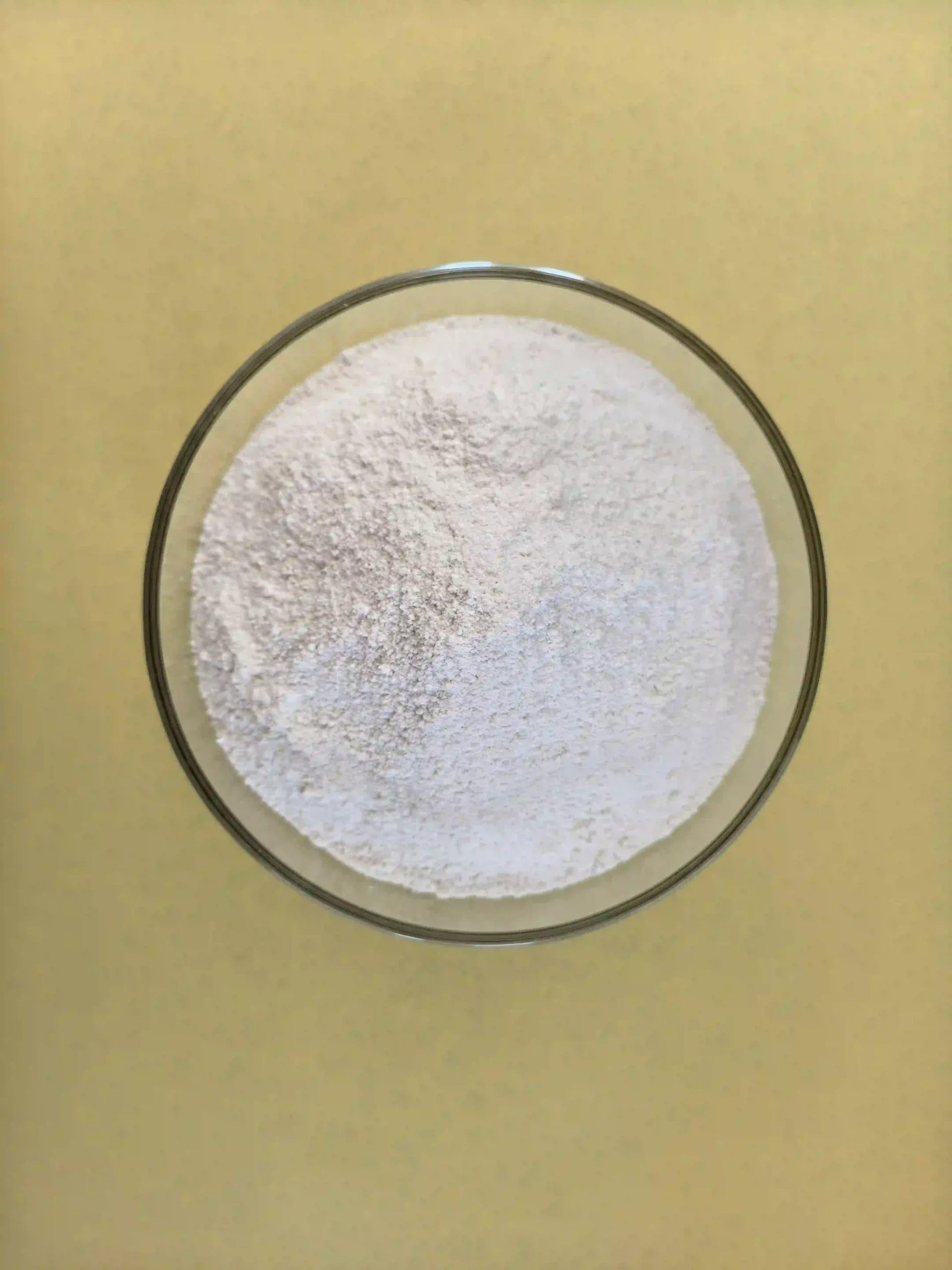
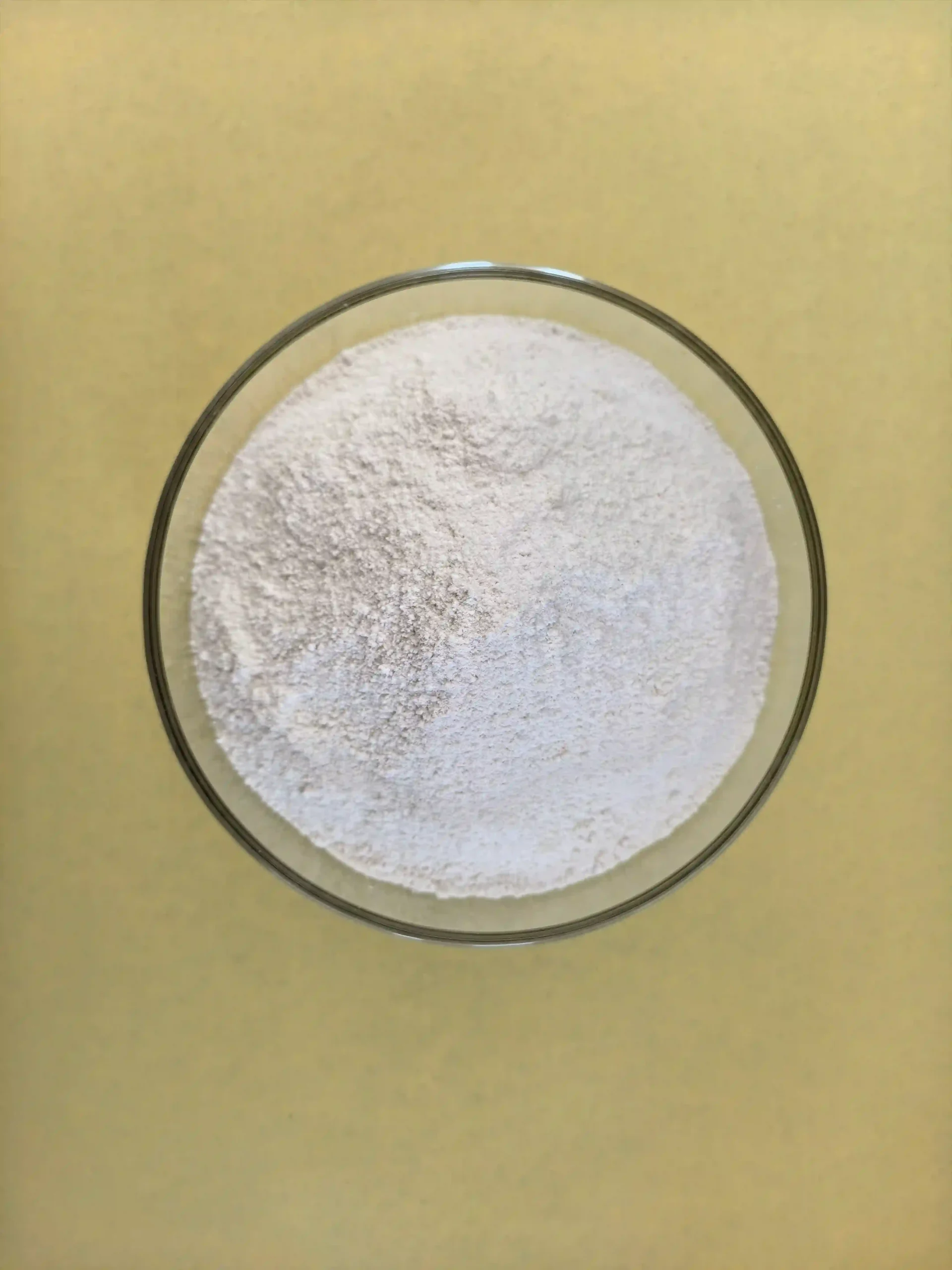
Active zinc oxide for foaming can improve EVA foam cell uniformity when uneven cell formation is caused by a mismatch between azodicarbonamide (AC) decomposition and the development of melt strength. However, it is not a universal solution for all foam defects. This article examines the causes of uneven cell distribution, how active zinc oxide for foaming influences AC decomposition, and how to evaluate dosage, processing conditions, and product specifications. It also explains what buyers should consider when selecting an active zinc oxide grade for EVA foaming applications.
Why Do Uneven Cells Appear in EVA Foaming?
Uneven cells are rarely caused by a single additive. They typically occur when gas generation, melt viscosity, crosslink development, and additive dispersion fall out of balance. In EVA foaming, gas must be released within a narrow processing window: the polymer needs to be soft enough to expand, yet strong enough to retain each cell and prevent coalescence. When this balance is disrupted, defects may appear as coarse cells, pinholes, collapsed surfaces, or an inconsistent cell-size distribution.
The most common causes can be grouped as follows:
-
Thermal mismatch: The blowing agent decomposes outside the suitable EVA processing window, causing gas to be released before or after the melt can adequately stabilize the cells.
-
Insufficient melt strength: Crosslink density develops too slowly relative to gas generation, allowing cell walls to become thin and rupture.
-
Poor activator dispersion: Agglomerated activator or blowing-agent particles create localized differences in activation, resulting in irregular gas release and void formation.
-
Uncontrolled gas sources: Moisture, filler impurities, or inconsistent raw materials introduce additional gas that interferes with the intended AC decomposition profile.
-
Uneven mold temperature: Hot and cold zones alter decomposition and curing kinetics across the same molded part.
These causes often overlap. A compound may contain an adequate amount of activator but still have poor dispersion, or a suitable decomposition temperature but a crosslinking system that cures too slowly. Simply increasing the active zinc oxide for foaming dosage may therefore shift defects from pinholes to shrinkage rather than resolve the underlying problem.
The following diagnostic table supports formulation review. It connects observable defect patterns with possible causes and indicates where an active zinc oxide for foaming grade may be relevant. It does not replace plant trials or a technical review with the supplier.
| Observed defect pattern | Possible cause to verify | Where active zinc oxide for foaming may help | Where it will not help alone |
|---|---|---|---|
| Coarse cells with thick walls | Delayed or insufficient AC decomposition | Adjusting activation efficiency to align gas release with melt-strength development | A crosslinking system that is fundamentally too slow |
| Pinholes concentrated in patches | Poor dispersion of activator or AC masterbatch | Improving activation consistency when the grade is properly dispersed | Moisture or filler contamination that generates separate gas |
| Bimodal cell-size distribution | Localized over-activation or uneven temperature | Improving activation consistency through better surface contact | Mold hot spots or inconsistent platen temperatures |
| Surface orange-peel texture | Premature skin curing or gas release near the mold surface | Aligning decomposition more closely with melt flow | Excessive mold opening or improper release-agent application |
| Internal voids or shrinkage | Over-activation, excessive gas generation, or insufficient melt strength | Rebalancing activator loading against crosslinking kinetics | A formulation that is overfilled or under-cured |
How Does Active Zinc Oxide for Foaming Affect AC Decomposition and Melt Strength?
Active zinc oxide for foaming is not simply conventional zinc oxide milled to a finer particle size. It is designed with a higher accessible surface area and greater surface activity, which can improve contact between zinc oxide particles and azodicarbonamide (AC). This contact is important because zinc oxide acts as an activator in the AC decomposition process, promoting gas release at lower temperatures. The practical result is a potential shift in decomposition temperature and a change in the gas-release profile.
In EVA systems, the value of active zinc oxide for foaming lies in timing. If AC decomposes too late, the melt may already be curing; if it decomposes too early, the melt may not yet have enough strength to retain the gas. The activation system can be adjusted so that gas release occurs within a suitable processing window while the polymer retains enough elasticity to form stable cell walls. The actual temperature shift depends on the grade, AC particle size, presence of co-activators, and heating rate used in testing. Supplier data and compound-specific trials should confirm the effective processing window.
The mechanism can be evaluated in four practical steps:
-
Confirm the baseline AC decomposition temperature in the uncompounded or lightly compounded system.
-
Measure the crosslinking onset of the EVA/peroxide system under the intended heating profile.
-
Adjust active zinc oxide for foaming loading to align gas release with crosslink development.
-
Verify dispersion and cell structure in a trial mold representing the thinnest and thickest sections of the production part.
Active zinc oxide for foaming primarily supports the activation side of this balance. Although zinc oxide can participate in activation processes in some rubber systems, its direct contribution to peroxide crosslinking in EVA should not be assumed without formulation-specific evidence. It is not a replacement for the crosslinking agent. The formulator still needs a properly designed peroxide package and a cure profile that matches the part thickness. When gas release and melt-strength development are better matched, cells are more likely to remain discrete instead of merging into larger voids.
Dispersion determines whether these mechanisms work effectively in practice. Higher surface area provides more potential contact points per gram, but it also increases the risk of agglomeration if the powder is not properly wetted or mixed. A well-dispersed active zinc oxide for foaming grade can support more uniform activation; a poorly dispersed grade can create the same pinholes the formulator is trying to eliminate. The additive is therefore not a substitute for controlled mixing, an appropriate order of addition, and moisture control.
Active Zinc Oxide for Foaming vs. Conventional ZnO and Zinc Stearate
Choosing among zinc-based activators is not simply a matter of selecting the most active option. Conventional zinc oxide, active zinc oxide for foaming, and zinc stearate differ in surface area, loading requirements, and application characteristics. Conventional zinc oxide generally has a lower specific surface area, so it may require higher loading or different processing conditions to achieve a comparable activation effect. This may be acceptable in thick-section, low-density foams with a broad processing window, but it can be a limitation in thin soles or lightweight midsoles, where small temperature variations can affect cell structure.
Active zinc oxide for foaming provides more accessible contact sites per gram, which may improve activation efficiency when dispersion is adequate. In formulations where the AC level is fixed and the processing temperature is constrained by the peroxide system, a higher-activity grade may allow the formulator to reduce total zinc oxide loading while maintaining a comparable decomposition shift. The actual reduction depends on the grade, AC particle size, and mixing equipment. It should be established through decomposition testing and cell-structure trials, not assumed from a datasheet surface-area value.
Zinc stearate is sometimes treated as a drop-in alternative, but its function is different. It primarily provides lubrication and can also contribute to activation in certain formulations, yet it is not a high-surface-area inorganic activator. Systems that rely on zinc stearate alone may need an additional activator to achieve the desired decomposition control. A common approach is to use active zinc oxide for foaming as the primary activator and a small amount of zinc stearate to fine-tune melt flow and release. This combination can be effective, but it should be evaluated as a system rather than treating the two zinc-based additives as interchangeable.
There is also a limitation to consider with active grades marketed primarily on high surface area. A very high-surface-area zinc oxide may increase activation efficiency, but it can also raise the risk of localized over-activation and pinhole formation if dispersion is inadequate. The correct choice is the grade whose activity can be distributed evenly throughout the melt, not necessarily the one with the highest BET value. Buyers comparing active zinc oxide for foaming grades should ask about dispersion behavior under their intended mixing conditions, not just chemical assay.
What Dosage and Process Window Support Uniform Cells?
Dosage determines how effectively the activator supports the foaming process. Too little active zinc oxide for foaming may leave AC decomposition outside the suitable EVA processing window, resulting in delayed or insufficient gas release. Too much can accelerate gas generation beyond the melt’s ability to retain and stabilize the cells, increasing the risk of pinholes, coalescence, or shrinkage. A practical evaluation should start with a controlled dosage range and adjust according to AC content, peroxide crosslinking kinetics, EVA grade, and part thickness.
The following table provides a preliminary screening framework rather than a universal formulation. The dosage bands are indicative starting points for laboratory trials, not established industry-wide recommendations. They should be validated against the supplier’s technical data sheet (TDS), the specific EVA formulation, the AC blowing agent, the peroxide system, and the mold geometry. The cell-structure tendencies are potential outcomes to monitor, not guaranteed results. All phr values should be calculated on a clearly defined formulation basis, typically per 100 parts of EVA resin.
| Active ZnO screening range (phr) | Expected effect to evaluate | Cell-structure tendency to monitor | Suggested trial objective |
|---|---|---|---|
| Low range, approximately 0.5–0.8 | Limited activation; AC decomposition may remain outside the target processing window | Coarse cells or incomplete expansion | Identify the minimum activator loading required for the formulation |
| Intermediate range, approximately 0.8–1.2 | Greater activation efficiency and potentially better timing of gas release | More uniform cells when dispersion and crosslinking are properly controlled | Evaluate in general EVA sheet and shoe-sole foaming formulations |
| High range, approximately 1.2–2.0 | Faster or more pronounced AC activation; gas-release control becomes increasingly important | Fine cells may develop, but localized over-activation and pinholes should be monitored | Investigate in formulations requiring stronger activation, subject to cure-profile validation |
| Above 2.0 | Additional activation may become less beneficial relative to dispersion and formulation costs | Localized gas release, surface defects, or shrinkage may occur | Consider only when formulation-specific trials demonstrate a clear benefit |
Process conditions can be as important as dosage. A formulation that produces uniform cells at one mold temperature may develop coarse cells at a higher temperature because AC gas generation and peroxide crosslinking no longer remain properly synchronized. Rather than relying on a single temperature threshold, characterize the AC gas-release profile and the peroxide crosslinking kinetics under comparable heating conditions. Then adjust the activator loading and processing profile to improve their timing compatibility. Increasing the zinc oxide level alone may not resolve defects caused by an unsuitable cure profile or inconsistent thermal conditions.
A pre-trial checklist helps identify variables that could distort the evaluation:
- Check the moisture content of the EVA resin, fillers, and active zinc oxide grade.
- Confirm that the AC powder or masterbatch is adequately dispersed before evaluating changes in activator loading.
- Record the actual compound temperature during gas release and curing, rather than relying only on the mold’s set temperature.
- Evaluate both the thinnest and thickest sections of the molded part to identify differences in heat transfer and cell development.
- Compare cell structure at equivalent foam densities, since density differences can affect apparent cell size and uniformity.
Mixing conditions also influence the effectiveness of active zinc oxide for foaming. Adequate dispersion helps distribute the activator throughout the EVA compound, while excessive shear or prolonged mixing can increase compound temperature and potentially initiate premature changes in the blowing-agent system. The addition sequence, mixing temperature, and residence time should therefore be controlled during formulation trials. If cell uniformity does not improve, verify activator dispersion and processing consistency before increasing the dosage.
How Should Buyers Specify Active Zinc Oxide for Foaming?
One common procurement mistake is treating active zinc oxide as a single, standardized specification. Commercial grades can differ in ZnO content, specific surface area, surface treatment, moisture content, residue, and carrier composition. Some products are composite activators containing calcium carbonate or other carriers. These differences can affect activation efficiency, required dosage, dispersion, and storage stability. A high-purity grade with poor dispersion may deliver less consistent EVA foam cells than a slightly lower-purity grade with better compatibility and distribution in the compound.
For EVA foaming applications, buyers should evaluate more than chemical purity. The accessible surface area, dispersion behavior, and consistency of the active zinc oxide grade under actual processing conditions are equally important. Suppliers of active zinc oxide for foaming should therefore provide grade-specific technical data sheets (TDS) covering both chemical composition and physical properties. Buyers should also request trial samples to verify performance in their own EVA formulations rather than relying on a generic product description.
A practical request for quotation (RFQ) should cover the following specifications:
- ZnO content and loss on ignition (LOI): Request the test methods and applicable specification limits.
- Diện tích bề mặt riêng: Confirm the measurement method, such as BET, and ask about lot-to-lot consistency.
- Moisture content: Specify the acceptable limit and packaging requirements for moisture protection during storage and transportation.
- Residue and dispersion: Request residue on an agreed sieve size or a relevant dispersion assessment method.
- Product composition: Confirm whether the grade is a pure active zinc oxide product or a composite activator, including any calcium carbonate carrier, coating, or surface treatment.
- Application guidance: Request the recommended starting dosage for EVA foaming, together with any known compatibility considerations involving peroxide crosslinkers, fillers, or other additives.
Product selection should also reflect the intended foam structure and production cycle. Thin-section, fast-cycle EVA foaming may require more precise control over gas-release timing, while thicker or lower-density components require sufficient time for gas expansion and cell stabilization. Rather than comparing specific surface area alone, buyers should request AC decomposition or gas-release data under relevant heating conditions, where available. This provides a more useful basis for assessing whether an active zinc oxide grade is suitable for the intended EVA processing window.
For buyers sourcing active zinc oxide for foaming in bulk or wholesale quantities, supplier evaluation should extend beyond unit price and headline purity. Lot-to-lot consistency, moisture control, packaging integrity, product traceability, and technical support all affect long-term formulation stability. A supplier’s ability to provide consistent specifications and application guidance is particularly important when the additive is used in continuous or high-volume EVA foam production.
Custom grades and composite activators may offer advantages in dispersion, handling, or dust reduction, but their active ZnO content must be clearly stated. A carrier-based product contains less active material per kilogram than a comparable unblended grade, which affects the actual dosage and formulation cost. Buyers should therefore compare cost per unit of active ZnO and, where trial data are available, cost per unit of activation performance rather than relying on powder price alone.
What Can Active Zinc Oxide for Foaming Fix—and What Can It Not?
Active zinc oxide for foaming addresses a specific formulation challenge: improving the timing of azodicarbonamide (AC) decomposition within the EVA foaming process. When uneven cells result from insufficient or poorly controlled AC activation, an appropriate active zinc oxide grade may help improve gas-release consistency and cell uniformity, provided that the peroxide crosslinking system and processing conditions are properly matched. However, it cannot independently correct defects caused by excessive moisture, contaminated fillers, inadequate crosslinking, or uneven mold temperatures.
The activator also cannot compensate for an unsuitable AC particle-size distribution, an incompatible peroxide package, or poor additive dispersion. It does not replace the blowing agent, crosslinker, or process controls required for stable EVA foam production. Formulators should evaluate active zinc oxide for foaming as one component of a broader formulation system involving AC loading, peroxide dosage, fillers, mixing conditions, and the thermal profile. If these variables are not properly controlled, changing the activator grade or increasing its dosage may not improve cell structure.
Before selecting a grade, review the AC gas-release profile and peroxide crosslinking behavior under the intended processing conditions. Then request a grade-specific technical data sheet (TDS), a trial sample, and relevant decomposition or gas-release data from the supplier. Comparing dispersion behavior, dosage requirements, and cell structure in controlled EVA foaming trials will help determine whether the product is suitable for the application and which grade deserves further production-scale evaluation.
Câu hỏi thường gặp
1. What does active zinc oxide do in EVA foaming?
Active zinc oxide acts as an activator in AC-based foaming systems. It influences azodicarbonamide decomposition and gas-release timing, potentially supporting more consistent cell formation when the formulation and processing conditions are properly matched.
2. How is active zinc oxide different from conventional zinc oxide?
Active zinc oxide grades may differ in specific surface area, particle characteristics, surface treatment, and activation efficiency. Their actual performance depends on grade specifications, blowing-agent compatibility, dispersion, and processing conditions.
3. How much active zinc oxide should be used in EVA foaming?
There is no universal dosage. The appropriate amount depends on AC loading, peroxide system, filler content, target foam density, and processing conditions. Manufacturers should validate supplier recommendations through controlled formulation trials.
4. Can active zinc oxide improve EVA foam cell uniformity?
It may help improve cell uniformity when inconsistent AC activation or gas release is a contributing factor. However, moisture, dispersion, crosslinking behavior, and temperature control also affect foam structure.
5. What specifications should buyers check when purchasing active zinc oxide for foaming?
Key specifications include ZnO content, BET specific surface area, moisture content, loss on ignition (LOI), residue, and dispersion characteristics. Buyers should also confirm product composition and request a grade-specific technical data sheet (TDS).
6. How can manufacturers verify whether an active zinc oxide grade suits their EVA formulation?
Manufacturers should conduct controlled EVA foaming trials to evaluate dispersion, AC gas-release behavior, processing compatibility, cell size distribution, and foam density while keeping other formulation variables consistent.
Kết luận
Active Zinc Oxide for Foaming helps regulate AC decomposition and gas-release behavior in EVA foaming systems, potentially supporting more consistent cell formation. However, its effectiveness depends on the blowing agent, peroxide crosslinking system, additive dispersion, and processing conditions. It cannot independently correct every foaming defect or replace proper process control. For manufacturers selecting an active zinc oxide grade, evaluating ZnO content, BET specific surface area, moisture, and formulation compatibility is essential. Controlled foaming trials provide the most reliable basis for confirming grade suitability and optimizing performance.