
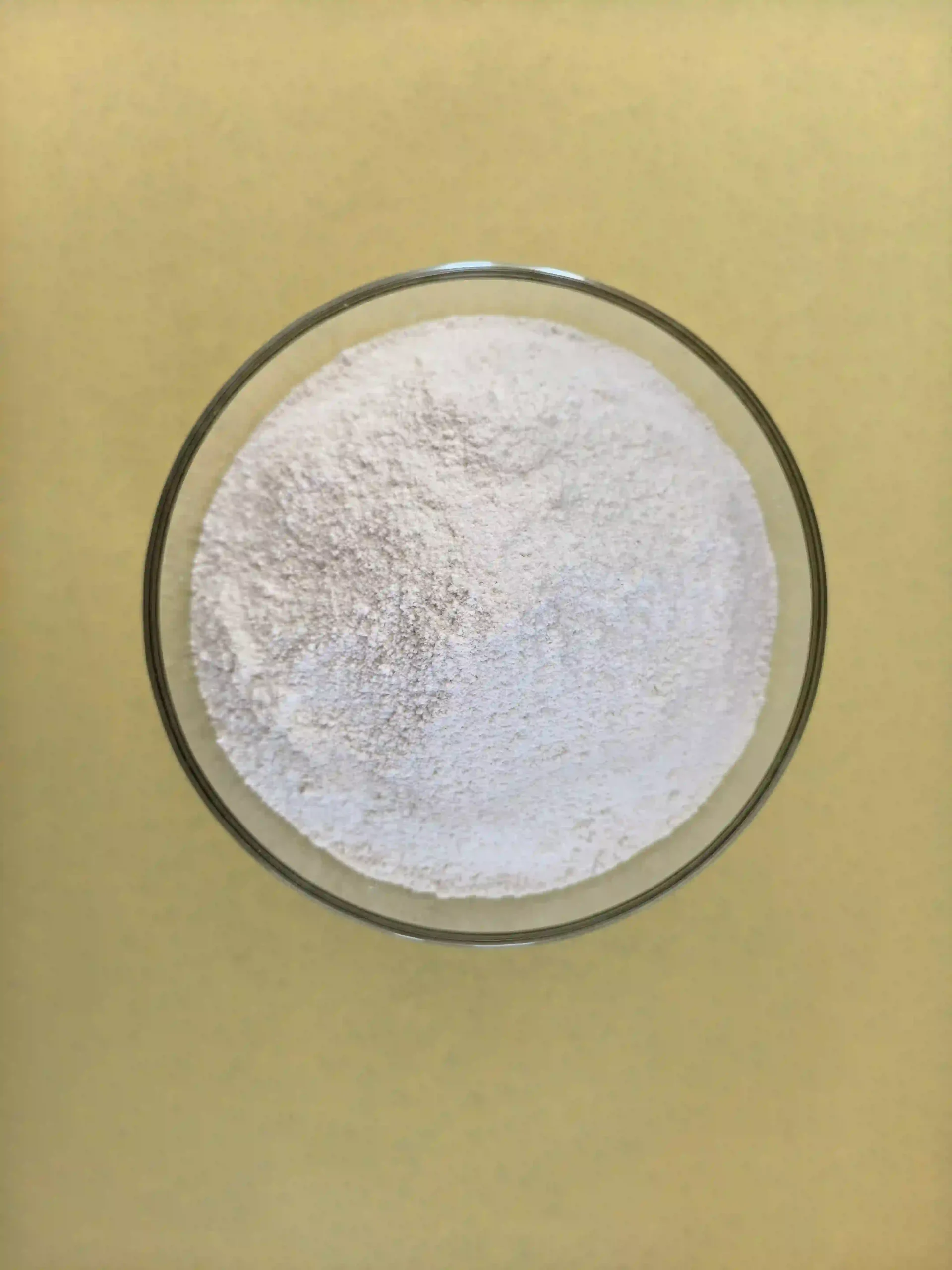
Sourcing industrial chemicals is a high-stakes game. You’re not simply buying a product off the shelf; you’re acquiring a key component that can determine the success or failure of the entire production process. A defective batch isn’t just an inconvenience—it can lead to catastrophic failures, product recalls, and financial losses. This is especially true when sourcing a seemingly simple but functionally complex material like zinc carbonate (ZnCO₃).
At first glance, it seems simple. You need zinc carbonate, you find a supplier, and you place an order. But as any experienced purchasing manager or chemical engineer knows, the devil is in the details. The certificate of analysis doesn’t match the product delivered. The “high-purity” powder arrives full of impurities that poison expensive catalysts. The shipment is delayed for weeks due to incorrect customs documentation.
The truth is, not all zinc carbonate is created equal. The difference between a reliable, high-purity source and a questionable, inexpensive alternative can mean the difference between a smooth, profitable operation and a series of ongoing, costly problems.
So how do you navigate this landscape and make a smart, informed decision? How can you ensure your zinc carbonate consistently meets expectations, protecting your process and your bottom line?
Purity & Chemical Composition – The Non-Negotiable Foundation
Let’s start with the most obvious but most frequently misunderstood factor: purity. When a supplier labels their product as “high-purity Zinc Carbonate,” what does that actually mean? For a serious buyer, this isn’t a marketing term; it’s a technical specification that demands rigorous scrutiny.
Why It’s More Than Just a Percentage
Impurities in your Zinc Carbonate are not just inert fillers that slightly dilute the active ingredient. They are often active chemical agents that can have devastating effects on your process.
- In Desulfurization: If you’re using Zinc Carbonate as a desulfurization agent to remove hydrogen sulfide (H₂S) from gas streams, certain impurities can reduce its sulfur capacity or even fail to react at all. More dangerously, impurities like chlorides can lead to corrosion in your pipelines and reactors downstream.
- In Catalyst Manufacturing: When Zinc Carbonate is used as a precursor for catalysts, metallic impurities like iron, lead, or copper can act as catalyst poisons, drastically reducing the catalyst’s activity, selectivity, and lifespan. The cost of replacing a poisoned catalyst bed dwarfs any initial savings from buying cheaper raw materials.
- In Rubber & Polymer Applications: Inconsistent purity leads to inconsistent performance. Unwanted elements can interfere with the vulcanization process in rubber, leading to variations in product strength, color, and durability.
What to Look For and How to Verify It
Your primary tool here is the Certificate of Analysis (COA). But don’t just glance at it. A professional buyer needs to read it like a detective.
- Demand a Batch-Specific COA: A generic COA that just lists “typical values” is a red flag. A reliable supplier must provide a COA that corresponds to the specific batch number you are receiving. This proves they have a robust Quality Control (QC) process.
- Scrutinize Heavy Metal Content: Look for specific analyses of heavy metals like Lead (Pb), Cadmium (Cd), Arsenic (As), and Mercury (Hg). For many applications, especially those related to cosmetics, animal feed, or certain electronics, these must be below strict parts-per-million (ppm) thresholds.
- Check for Harmful Anions: Ask about the content of anions like Chlorides (Cl⁻) and Sulfates (SO₄²⁻). As mentioned, chlorides are particularly corrosive and undesirable in many petrochemical applications.
- Confirm the Assay (Purity Percentage): While a high percentage (e.g., >99%) is important, it’s the nature of the remaining percentage that truly matters. A 99% pure Zinc Carbonate with harmless impurities is far superior to a 99.5% pure product with damaging ones.
When sourcing Zinc Carbonate, treat the COA not as a formality, but as a legally binding document that guarantees the chemical integrity of your purchase.
Physical Properties – It’s Not Just What It Is, But How It Is
You’ve confirmed the chemical purity. Great. But the job is only half done. The physical form of the Zinc Carbonate powder will dictate how it handles, flows, and reacts within your specific process. Two batches with identical chemical purity but different physical properties can perform in wildly different ways.
Why Particle Size and Surface Area Matter Deeply
Imagine trying to dissolve a sugar cube versus a spoonful of powdered sugar in your coffee. The powdered sugar dissolves almost instantly. Why? Because it has a much larger surface area exposed to the liquid. The same principle applies to industrial chemical reactions.
- Particle Size (Measured as D50): This metric represents the median particle diameter in the powder.
- Fine Powder (Low D50): A finer powder offers a higher surface area-to-volume ratio. This means it will react much faster and more efficiently. This is highly desirable for applications like desulfurization or as a cosmetic ingredient where rapid reaction or dispersion is key. The trade-off? Very fine powders can be more difficult to handle, creating dust and potentially posing inhalation risks if not managed properly.
- Coarser Powder (High D50): A coarser, more granular material is easier to handle, flows better, and generates less dust. It might be preferred in applications like certain reactor beds where minimizing pressure drop is more important than the absolute maximum reaction speed.
- Specific Surface Area (BET): This is a more scientific and accurate measure of the powder’s reactive potential than particle size alone. Measured in square meters per gram (m²/g), a higher BET value means more microscopic pores and surfaces are available for chemical reactions. For catalyst and adsorbent applications, a high BET is often a critical performance indicator for your Zinc Carbonate.
- Bulk Density: This tells you how much a given volume of the powder weighs. It directly impacts your storage capacity (how much you can fit in a silo), transportation costs, and the design of your dosing and feeding equipment.
What to Look For and How to Verify It
Your key document here is the Technical Data Sheet (TDS). Unlike the COA, which verifies a specific batch, the TDS provides the standard specifications for the product grade.
- Match the Specs to Your Process: Don’t just accept a standard grade. Discuss your application with the supplier. Do you need maximum reactivity? Ask for their finest grade with the highest BET. Are you concerned about handling dust? Ask about their granular or low-dust options.
- Request a Sample for Testing: The ultimate test is to evaluate a sample in your own lab or pilot plant. This allows you to confirm how the material flows in your equipment and performs in your process before committing to a large order. A confident supplier of high-quality Zinc Carbonate will always be willing to provide a representative sample.
Supplier Reliability & Documentation – Your Shield Against Risk
You could find a source for the most chemically perfect Zinc Carbonate on earth, but if the supplier is unreliable, your business is at risk. Sourcing a critical raw material is not a transaction; it’s the beginning of a partnership.
The Hallmarks of a Professional Supplier
- Quality Management Systems (ISO 9001): This is the absolute baseline. An ISO 9001 certification demonstrates that the supplier has a documented, audited, and internationally recognized system for ensuring consistent quality. It’s a sign that they are serious about their processes. Don’t be afraid to ask for a copy of their certificate.
- Complete and Proactive Documentation: A professional supplier doesn’t make you hunt for essential documents. They should be able to provide the following promptly and without fuss:
- SDS (Safety Data Sheet): Formerly MSDS, this is non-negotiable. It contains all the essential information for safe handling, storage, transport, and emergency procedures.
- Batch-Specific COA & Standard TDS: As discussed above.
- Country of Origin & Manufacturing Process Info: Important for traceability and compliance.
- Traceability: In the event of an issue, can the supplier trace the problem batch back through their production process to the raw materials used? This capability is critical for effective problem-solving and quality assurance. A supplier who can’t do this is a black box of risk.
- Consistency and Communication: Does the supplier deliver on time? Do they communicate proactively about potential delays? A supplier who goes silent after taking your order is a liability. A reliable partner keeps you informed every step of the way.
Choosing a supplier for your Zinc Carbonate based on price alone is a rookie mistake. A slightly higher price from a fully certified and reliable supplier is an insurance policy against much higher, unforeseen costs down the line.
Packaging & Logistics – Protecting Product Integrity to Your Doorstep
The world’s highest-purity zinc carbonate is useless if it arrives at the factory contaminated or clumped. Zinc carbonate is hygroscopic, meaning it readily absorbs moisture from the air. Moisture can cause the powder to clump, making it difficult to process and even altering its chemical reactivity.
What to Look For in Professional Packaging
The packaging is your first line of defense. Based on industry best practices, here’s what to demand:
- Multi-Layer, Moisture-Proof Bags: The gold standard is a composite bag, typically consisting of:
- An Inner PE (Polyethylene) Liner: This is the critical moisture barrier. It should be sealed separately (e.g., heat-sealed or securely tied) to create a waterproof environment for the powder.
- An Outer PP (Polypropylene) Woven Bag: This provides the strength and durability needed to withstand the rigors of handling and shipping. It protects the inner liner from punctures and tears.
- Secure Palletizing: Bags should be neatly stacked on sturdy, high-quality pallets and then securely shrink-wrapped. This creates a stable unit that is easy to move with a forklift and protects the bags from dirt and damage during transit.
- Clear and Durable Labeling: Every bag and every pallet should be clearly labeled with essential information: Product Name (“Zinc Carbonate”), Net Weight, Batch Number, and relevant safety pictograms. This is vital for inventory management and safety.
Logistical Expertise
Does your supplier understand the complexities of transporting chemicals, both domestically and internationally? They must have experience handling customs documentation, selecting reliable transport partners, and ensuring the product is transported in clean, dry containers. Delays at the port due to documentation errors can be costly.
Technical Support & Partnership – Beyond the Transaction
This final factor separates the truly elite suppliers from the rest. When you source your Zinc Carbonate, are you just buying a product, or are you gaining a partner?
What a True Partnership Looks Like
- Application Expertise: Can you call your supplier’s technical team and have an intelligent conversation about your process? Can you ask, “We’re seeing a pressure drop in our reactor; could a different particle size of your Zinc Carbonate help?” A transactional seller won’t have an answer. A technical partner will.
- Problem-Solving Support: If you ever encounter an issue with a batch, a partner works with you to solve it. They will analyze retained samples, review your process parameters, and help you get back to optimal production as quickly as possible.
- A Consultative Approach: The best suppliers don’t just sell you what’s on their price list. They take the time to understand your needs. They might suggest a different, more cost-effective grade you hadn’t considered or discuss the possibility of customizing a specification for your high-volume application.
When vetting a new zinc carbonate supplier, check their technical expertise. Ask them detailed questions about their application in your industry. Their answers will quickly reveal whether they’re simply reading from a script or possessing in-depth expertise that delivers real value.
A Strategic Decision, Not Just a Purchase
Sourcing high-purity Zinc Carbonate is a critical strategic decision that has a direct impact on your product quality, operational efficiency, and profitability. As we’ve seen, making the right choice goes far beyond simply comparing prices on a spreadsheet.
It requires a holistic evaluation based on these five key pillars:
- Chemical Purity: Verified by a batch-specific COA.
- Physical Properties: Matched to your specific process needs.
- Supplier Reliability: Proven by certifications and transparent documentation.
- Robust Packaging & Logistics: Ensuring product integrity upon arrival.
- Valuable Technical Partnership: Providing expertise that goes beyond the sale.
When you find a supplier who excels in all five areas, you’re no longer just buying chemicals. You’re securing a reliable, efficient, and safe component for your supply chain. You’re gaining a competitive advantage. The peace of mind that comes from knowing that every zinc carbonate delivery will be exactly as you expect, every time, is priceless.
Are you ready to partner with a supplier who understands these five factors? Contact our technical specialists today to discuss how the right zinc carbonate grade can optimize your process and protect your bottom line.