Main Applications of Active Zinc Oxide
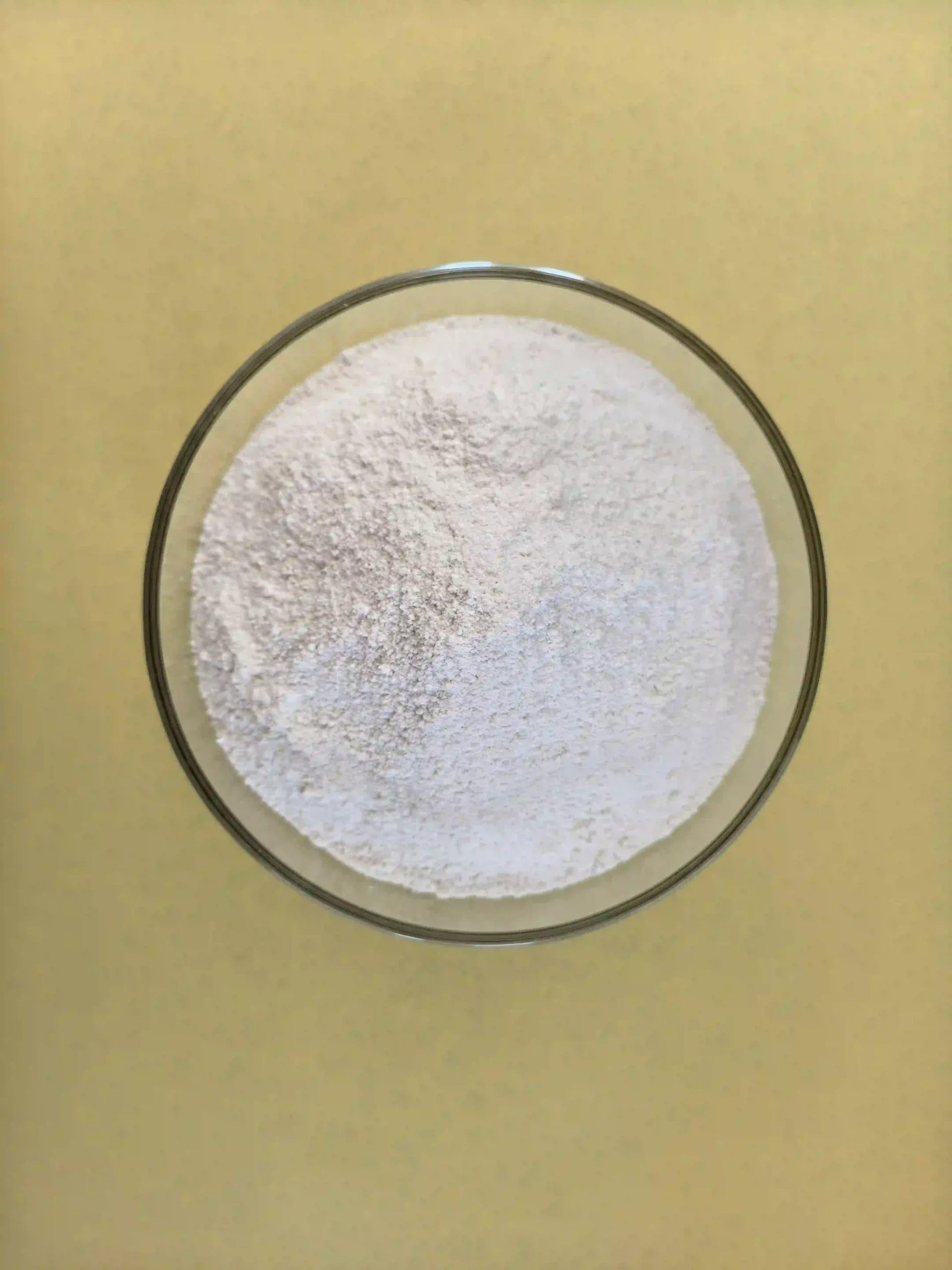
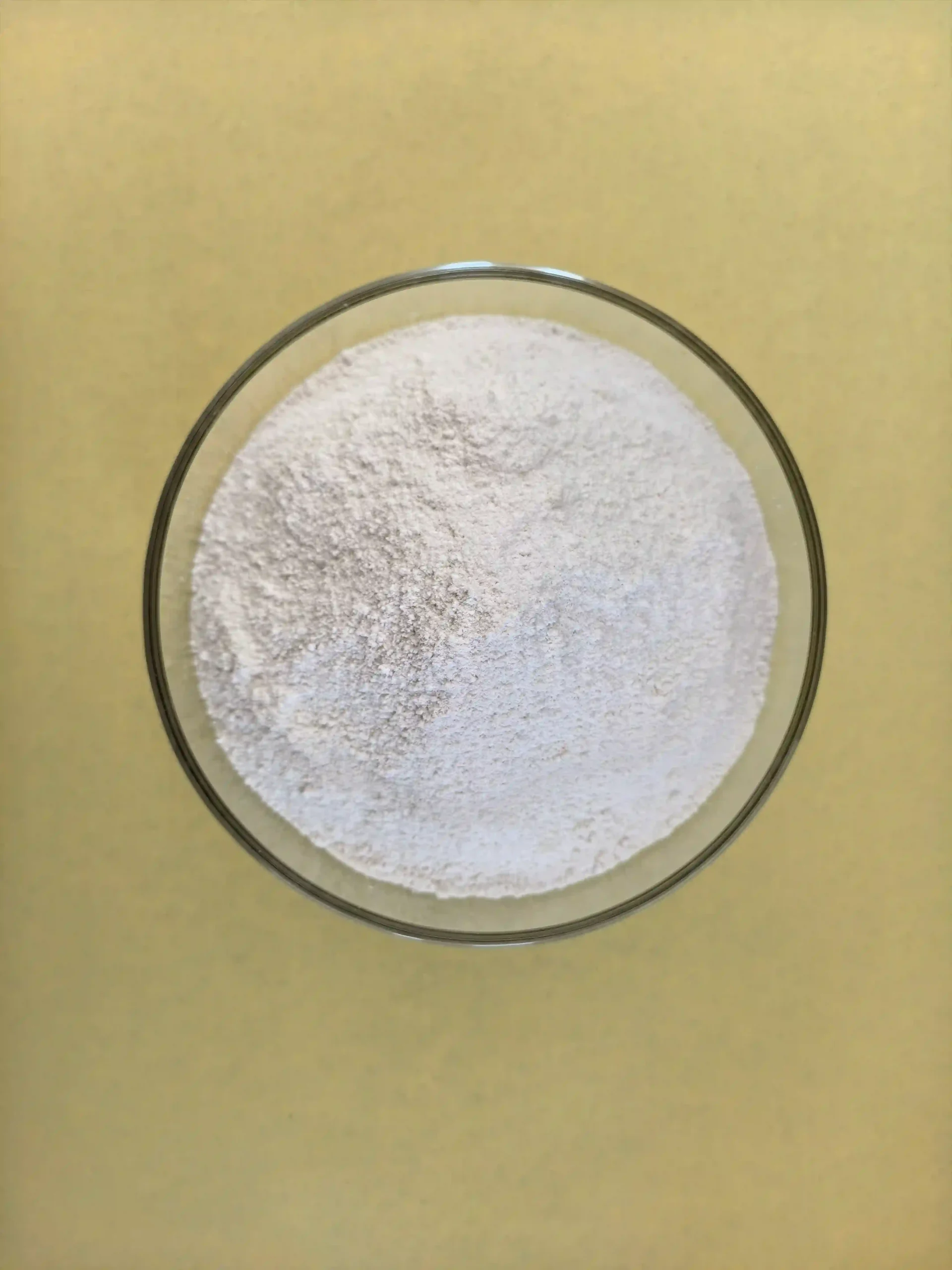
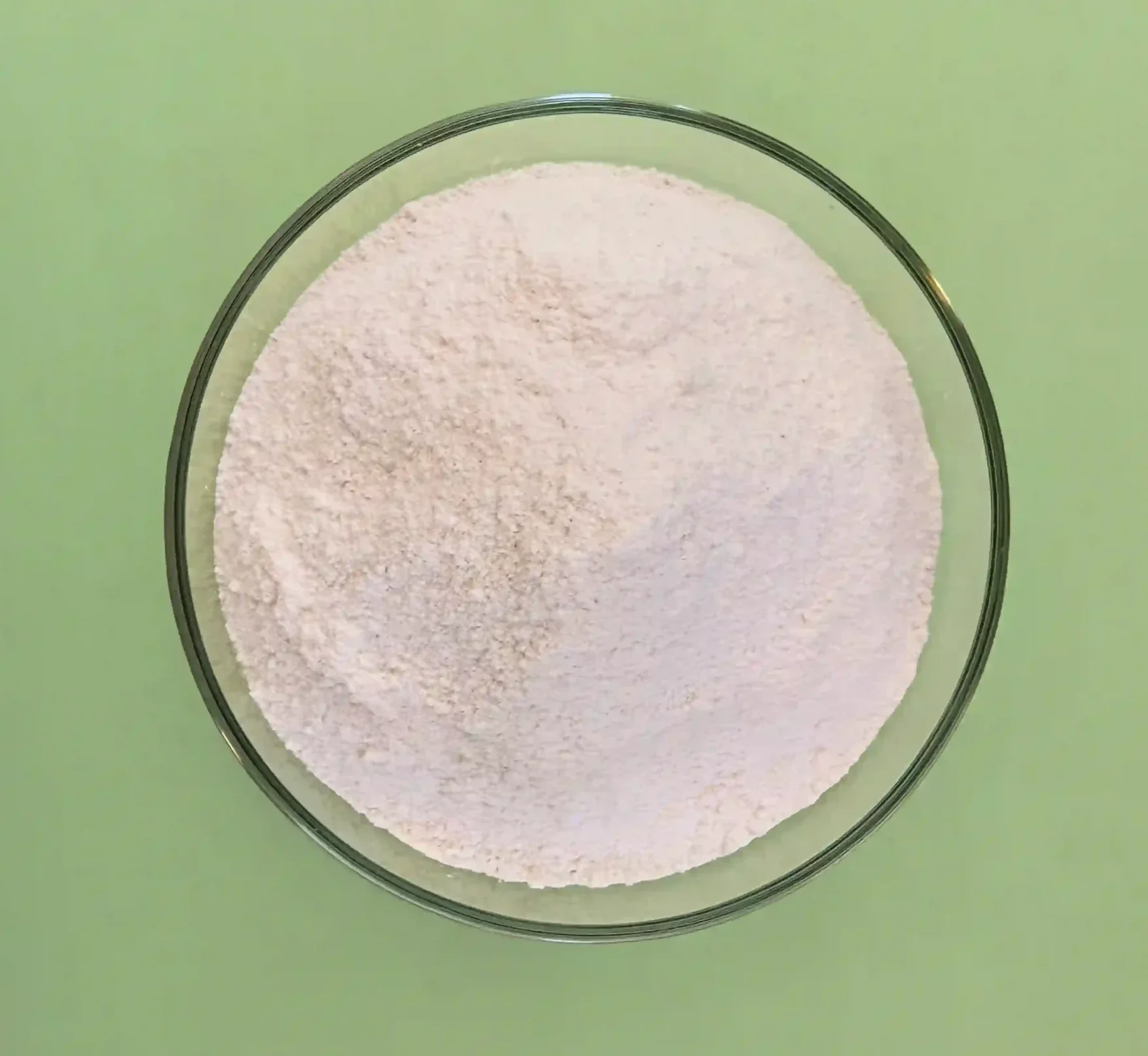
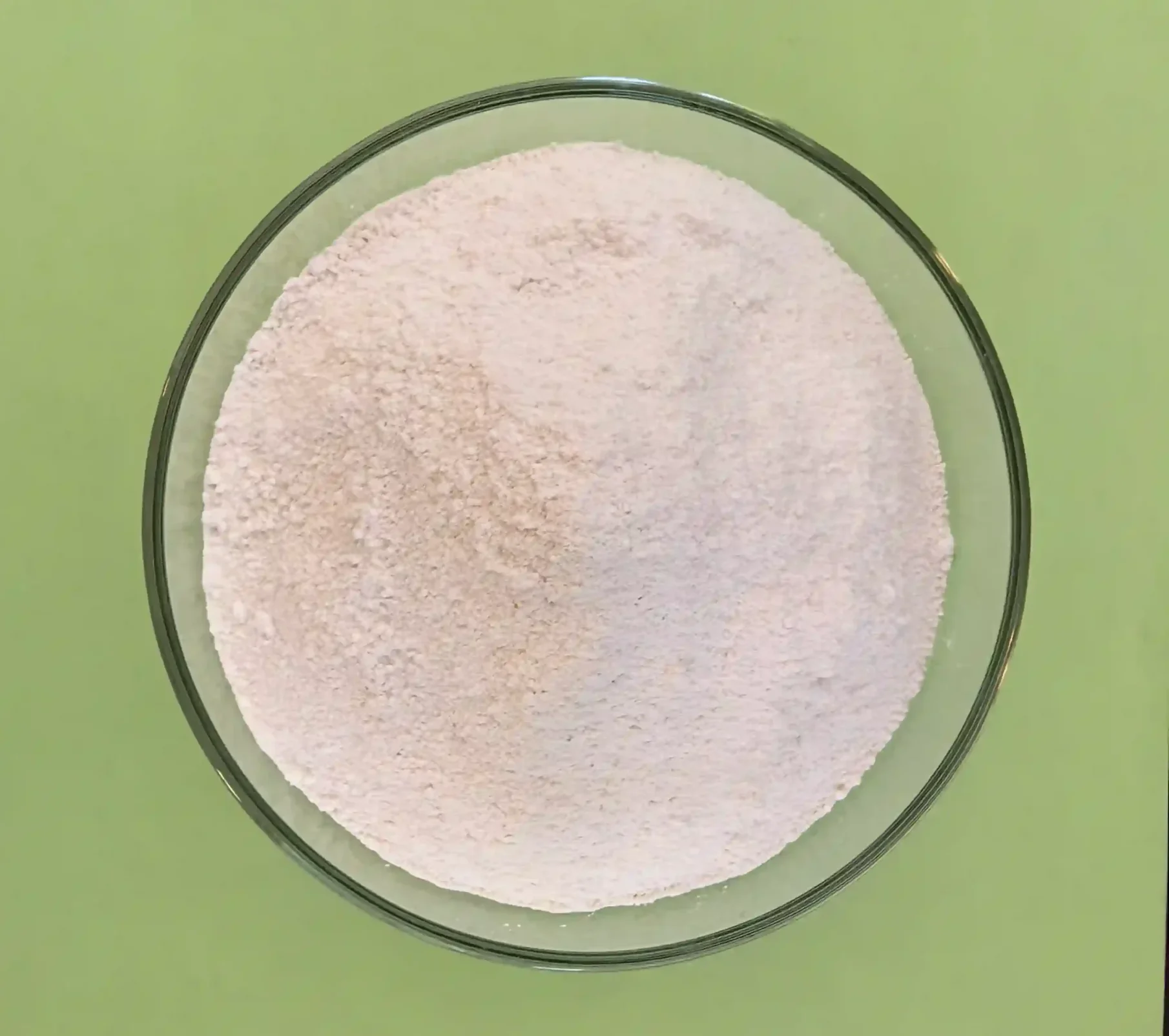
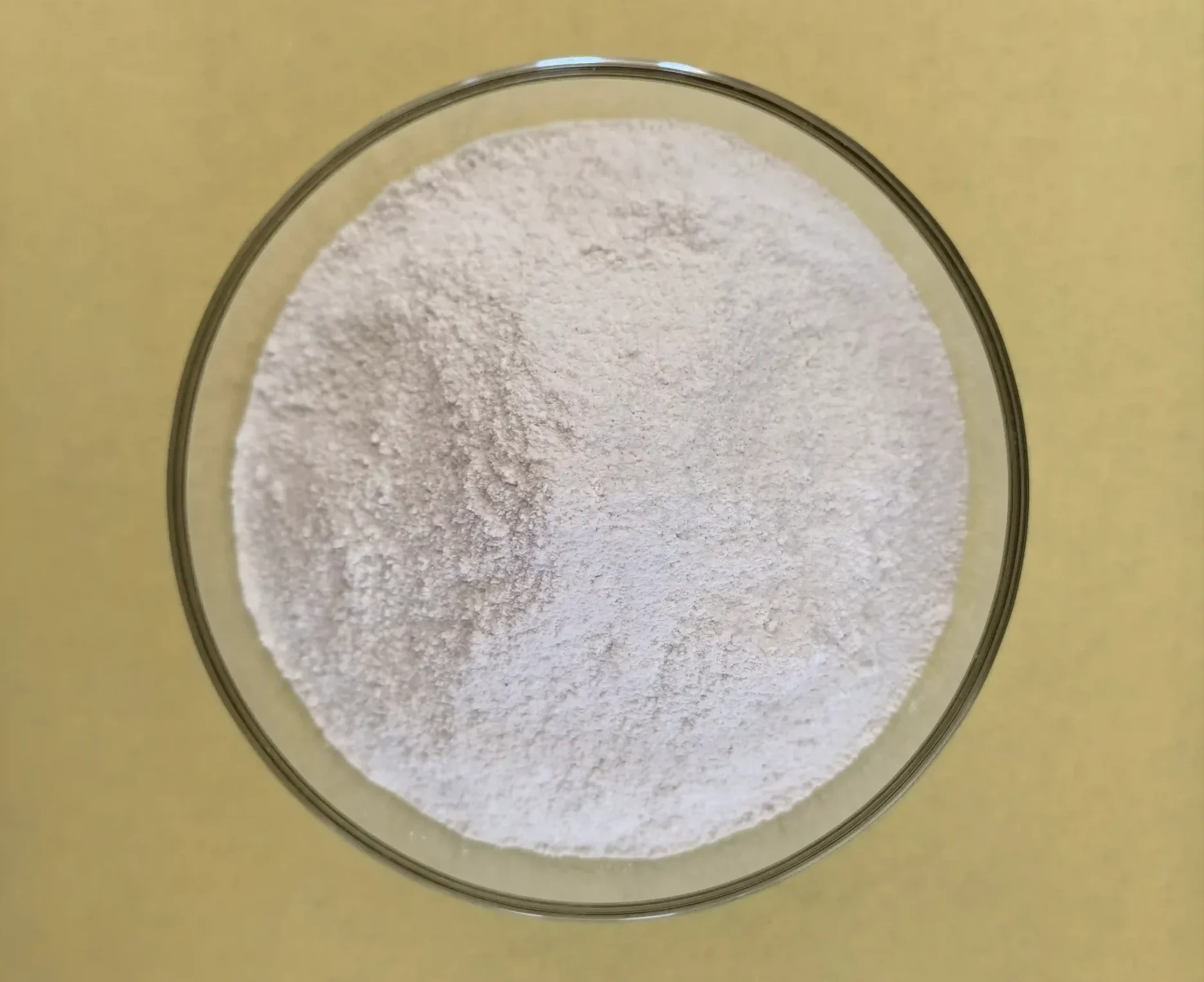
Active Zinc Oxide is used in various industrial applications where high surface activity, fine particle size, and material performance are important. Its applications are particularly relevant to rubber manufacturing, coatings, ceramics, plastics, and selected chemical processes.
1. Rubber Industry
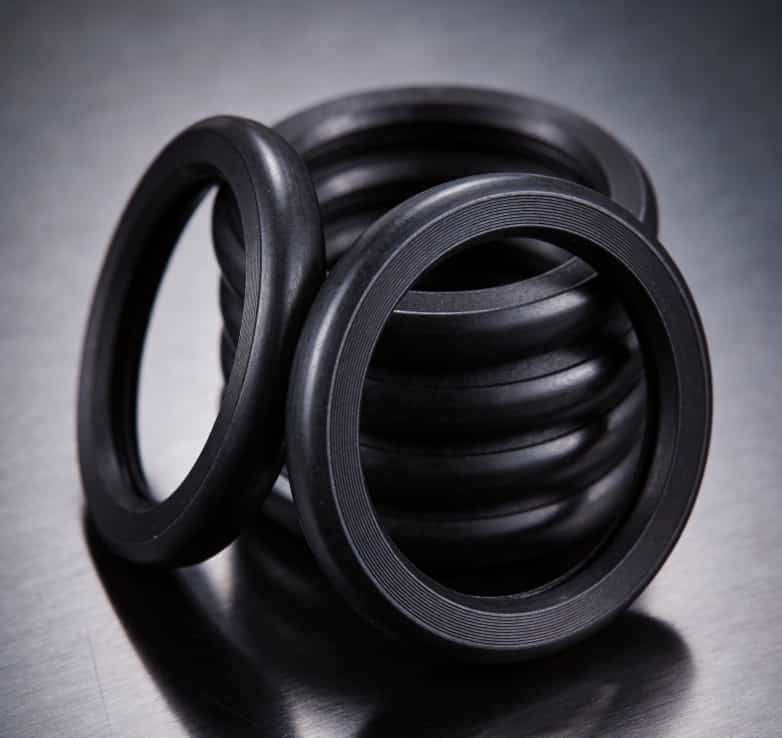
The rubber industry is one of the major application sectors for Active Zinc Oxide. It functions as a vulcanization activator, helping improve the efficiency of sulfur-based vulcanization systems.
- Vulcanization Activation: Its large specific surface area and high surface activity support interactions within the rubber vulcanization system, helping improve curing efficiency.
- Reduced Addition Levels: Depending on the formulation and processing conditions, Active Zinc Oxide may achieve comparable vulcanization performance at lower addition levels than conventional zinc oxide.
- Improved Rubber Properties: Properly formulated rubber compounds can benefit from improved mechanical properties, including tensile strength, tear resistance, elasticity, and aging resistance.
Common applications include tires, conveyor belts, rubber hoses, industrial seals, and footwear soles.
2. Coatings and Ceramic Industry
Active Zinc Oxide offers functional properties that make it useful in selected coating formulations and ceramic manufacturing processes.
- UV Protection: Fine-particle zinc oxide can absorb and scatter ultraviolet radiation, making it useful in UV-resistant coatings and protective surface treatments.
- Antibacterial Properties: Under suitable conditions, zinc oxide can exhibit antibacterial and antifungal activity, supporting its use in functional coatings and ceramic surfaces.
- Ceramic Processing: Zinc oxide can act as a flux in certain ceramic formulations, helping adjust sintering behavior and improve the density and surface finish of ceramic products.
3. Electronic and Optoelectronic Applications
Zinc oxide-based materials are used in various electronic and optoelectronic applications due to their semiconductor properties. Depending on material composition, purity, and processing requirements, specialized zinc oxide materials can be used in:
- Varistors: Zinc oxide is a key component in varistors used for overvoltage protection in electrical circuits and electronic equipment.
- Transparent Conductive Films: Aluminum-doped zinc oxide (AZO) is a potential alternative to indium tin oxide (ITO) in transparent electrodes for solar cells and display technologies.
- Semiconductor Devices: Specialized zinc oxide materials are used in the development of gas sensors, ultraviolet detectors, and other semiconductor devices.
4. Chemical Catalysis
Zinc oxide is used in selected catalytic processes and catalyst formulations. Its surface properties and chemical activity make it useful in certain chemical reactions, including applications involving catalyst components and desulfurization materials. The suitability of Active Zinc Oxide depends on the specific process requirements and catalyst formulation.
5. Other Applications
Zinc oxide is also used in animal nutrition, plastics, and pharmaceutical products. Feed-grade zinc oxide serves as a zinc supplement, while zinc oxide in plastic formulations can provide UV protection and antibacterial properties. Pharmaceutical-grade zinc oxide is commonly used in topical ointments and skin care products for its astringent and skin-protective properties. These applications require appropriate product grades and quality standards.
Why Choose Active Zinc Oxide?
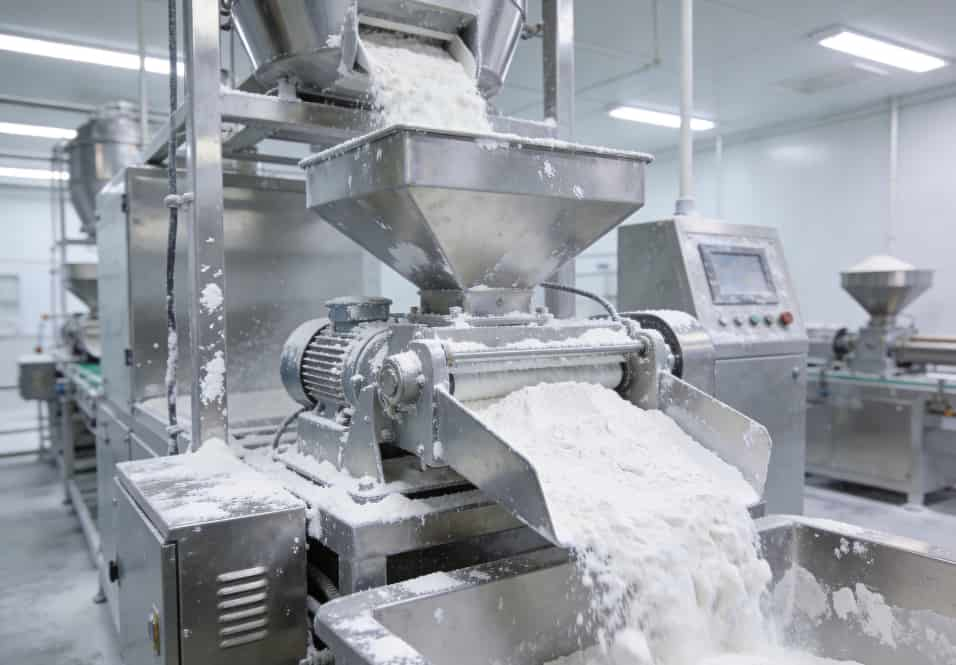
Compared with conventional zinc oxide, Active Zinc Oxide offers advantages in surface activity, particle characteristics, and formulation efficiency. These properties make it a valuable functional material for manufacturers seeking to optimize production processes and improve the performance of their end products.
Selecting the appropriate grade requires consideration of particle size, specific surface area, purity, dispersion characteristics, and the requirements of the final application.