
Zinc sulfate is one of the most commonly made compounds of zinc in the chemical industry worldwide; however, it is frequently misinterpreted as a simple chemical commodity. In fact, zinc sulfate has a significant impact in multiple disciplines, including chemical manufacturing, agriculture, pharmaceuticals, materials science, and emerging electrochemical technology. Its significance is not solely based on its chemical composition, but also on the way its physical state, hydration state, quality, and solubility behavior interact with real-world processes in the world.
From a technical perspective, zinc sulfate is most effectively understood as a chemical that carries out the functions of zinc. Its high water solubility, its relatively consistent crystal forms, and its controllable production method make it ideal for applications that require precise dosing of zinc, consistent reaction rates, and reproducible processing. Whether intended as a micronutrient fertilizer, an electrolyte, a raw material in the production of rayon, or a pharmaceutical component, zinc sulfate has a direct effect on the efficiency of the process, the quality of the product, and regulatory compliance.
What Is Zinc Sulfate? A Technical Definition
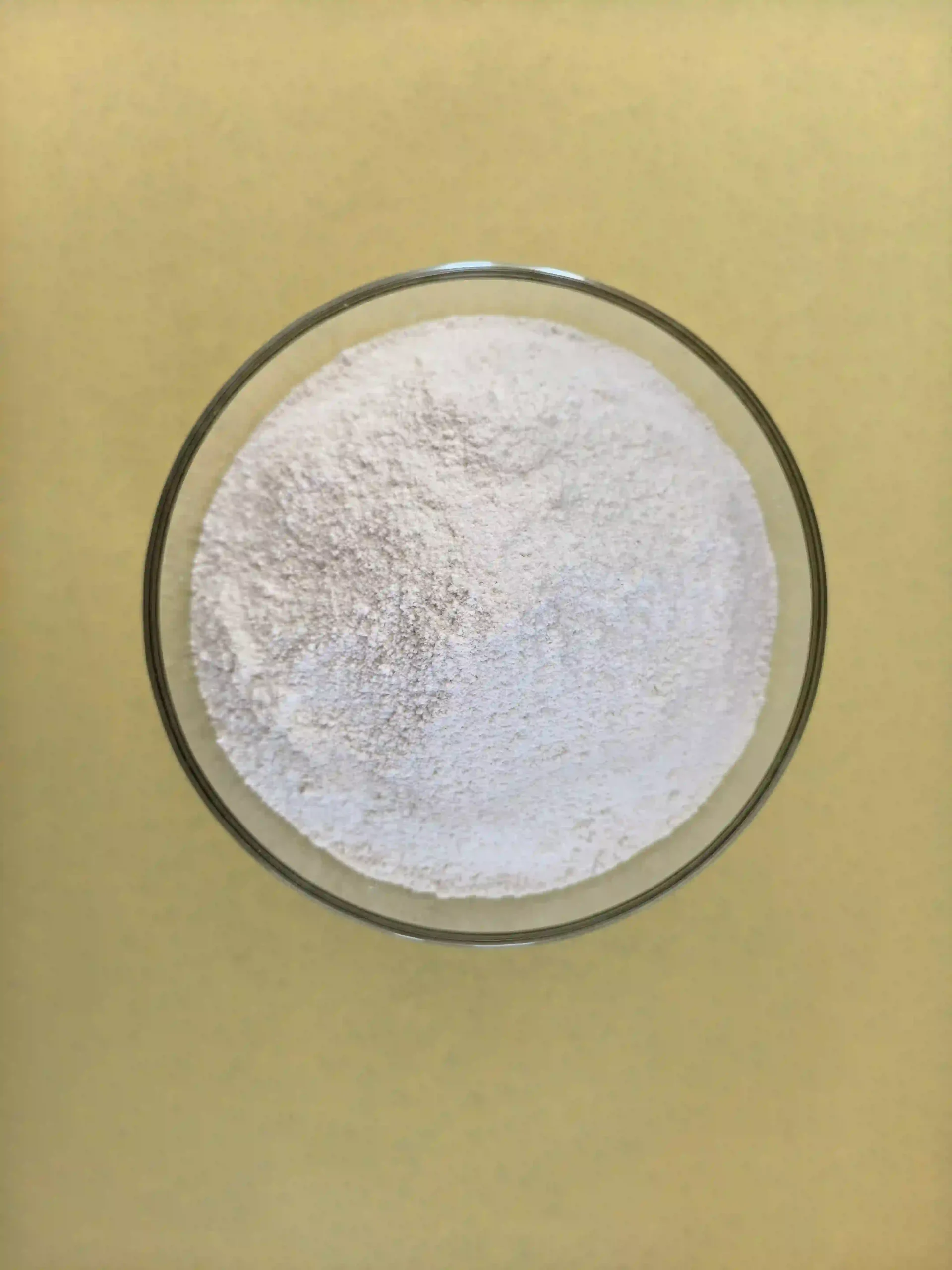
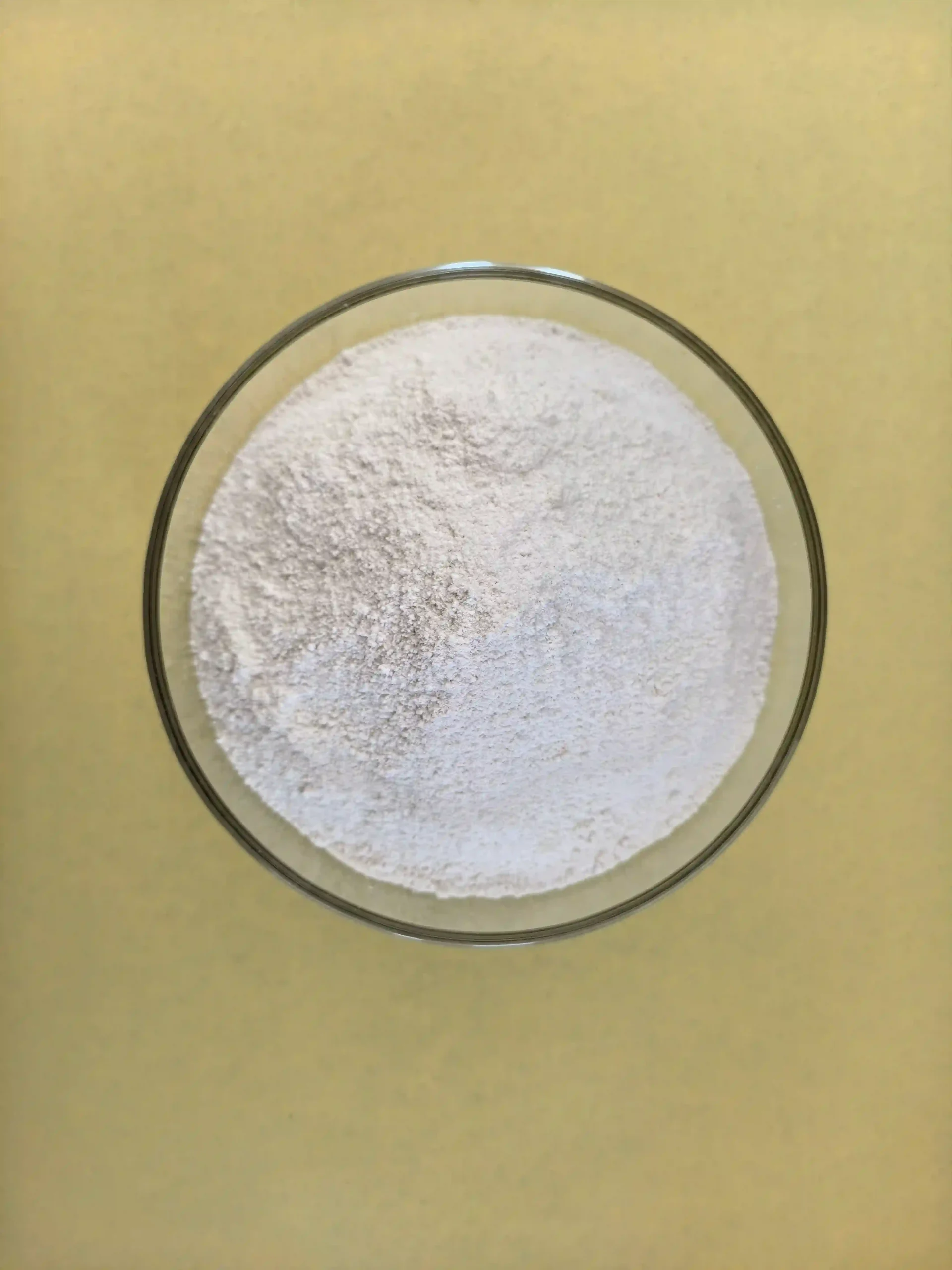
Zinc sulfate is an inorganic zinc salt with the chemical formula ZnSO₄, composed of divalent zinc cations (Zn²⁺) and sulfate anions (SO₄²⁻). It commonly appears as a colorless or white crystalline solid and is highly soluble in water.
From a chemical engineering standpoint, zinc sulfate is characterized by:
-
High ionic solubility in aqueous systems
-
Multiple stable hydration states
-
Predictable dissociation behavior
-
Compatibility with a wide range of inorganic and organic systems
Zinc sulfate exists in several forms, including anhydrous zinc sulfate and hydrated forms such as zinc sulfate monohydrate, hexahydrate, and heptahydrate. Among these, zinc sulfate heptahydrate (ZnSO₄·7H₂O) is the most commonly encountered in commercial applications due to its stability and ease of handling.
The compound serves as a primary industrial source of zinc ions, enabling controlled zinc delivery in biological, agricultural, and chemical systems.
Chemical and Physical Properties Relevant to Industrial Use
Understanding zinc sulfate’s industrial value requires a closer look at its fundamental properties and how they affect process behavior.
Solubility and Dissociation
Zinc sulfate is highly soluble in water, dissociating readily into zinc and sulfate ions. This property makes it ideal for applications requiring uniform distribution of zinc, such as liquid fertilizers, electrolyte solutions, and pharmaceutical formulations.
High solubility also means that zinc sulfate integrates easily into continuous processing systems, reducing the need for excessive mechanical agitation or elevated temperatures.
Hydration States and Their Impact
The hydration state of zinc sulfate significantly influences:
-
Bulk density
-
Flowability
-
Moisture sensitivity
-
Zinc content by weight
For example, zinc sulfate heptahydrate contains a lower percentage of elemental zinc compared to the monohydrate form, which may affect dosing calculations in fertilizer or feed applications. Engineers must account for hydration state when designing formulations or specifying raw materials.
Thermal Behavior
When heated, hydrated zinc sulfate gradually loses water molecules, eventually converting to the anhydrous form at elevated temperatures. This behavior is relevant in drying operations, high-temperature reactions, and storage environments where moisture control is critical.
Industrial Production Methods of Zinc Sulfate
Commercial zinc sulfate is typically produced through controlled chemical reactions involving zinc-containing raw materials and sulfuric acid.
Common Production Routes
-
Reaction of Zinc Oxide with Sulfuric Acid
This is one of the most common and controllable methods, producing high-purity zinc sulfate suitable for pharmaceutical and industrial applications. -
Leaching from Zinc Ores
Zinc-bearing ores or by-products are treated with sulfuric acid, followed by purification and crystallization steps. -
Recycling from Industrial Waste Streams
Zinc sulfate can also be recovered from spent catalysts, galvanizing residues, or electroplating waste, aligning with circular economy principles.
The chosen production route influences impurity levels, crystal morphology, and cost structure, all of which affect downstream usability.

Major Industrial Applications of Zinc Sulfate
Zinc Sulfate in Chemical Manufacturing
In chemical processing, zinc sulfate is used as a reagent, catalyst precursor, or intermediate compound. Its stable ionic nature allows for predictable reactions, especially in aqueous systems.
Applications include:
-
Precursor for other zinc compounds
-
Catalyst support materials
-
Intermediate in pigment and dye manufacturing
The compound’s reliability and availability make it a preferred zinc source in large-scale chemical synthesis.
Zinc Sulfate in Agriculture and Livestock Nutrition
Agriculture represents one of the largest global consumption sectors for zinc sulfate.
Fertilizers and Soil Treatment
Zinc is an essential micronutrient for plant growth, influencing enzyme activity, protein synthesis, and hormonal regulation. Zinc sulfate is widely used to correct zinc-deficient soils due to its:
-
Rapid dissolution in soil moisture
-
High bioavailability
-
Compatibility with other fertilizers
It can be applied as a soil amendment, foliar spray, or blended fertilizer component.
Animal Feed and Veterinary Use
In livestock nutrition, zinc sulfate is added to feed formulations to support:
-
Immune function
-
Growth performance
-
Hoof and skin health
Compared to organic zinc sources, zinc sulfate offers cost efficiency and predictable zinc content, making it suitable for large-scale feed production.
Pharmaceutical and Medical Applications
Pharmaceutical-grade zinc sulfate is produced under strict quality controls and used in both oral and topical formulations.
Medical applications include:
-
Treatment and prevention of zinc deficiency
-
Supportive therapy in immune-related conditions
-
Use in oral rehydration solutions
In pharmaceutical contexts, purity, particle size, and contaminant limits are critical, requiring specialized production and testing standards.
Industrial and Household Applications
Zinc sulfate is also used in:
-
Rayon and textile fiber production
-
Wood preservation treatments
-
Moss and algae control products
-
Electroplating and surface treatment processes
In these applications, zinc sulfate’s reactivity and solubility are leveraged to achieve functional surface or material modifications.
Zinc Sulfate in Electrochemical and Energy Applications
With growing interest in alternative battery chemistries, zinc sulfate has gained attention as an electrolyte component in zinc-based rechargeable batteries.
Its advantages include:
-
Stable aqueous electrolyte behavior
-
High ionic conductivity
-
Lower toxicity compared to some heavy-metal salts
While still an emerging application, zinc sulfate’s role in energy storage highlights its continued relevance in advanced materials research.
Industrial Grades of Zinc Sulfate and Selection Criteria
Zinc sulfate is available in multiple grades, each tailored to specific application requirements.
Common Grades
-
Industrial Grade: Used in chemicals, textiles, and water treatment
-
Agricultural Grade: Optimized for fertilizer and feed use
-
Pharmaceutical Grade: High purity, low impurity thresholds
Key Selection Factors
When selecting zinc sulfate, engineers and buyers should consider:
-
Zinc content and hydration state
-
Purity and trace metal limits
-
Particle size and flow properties
-
Regulatory compliance
Selecting the wrong grade can lead to process inefficiencies, product defects, or regulatory issues.
Safety, Handling, and Environmental Considerations
Although zinc sulfate is widely used, it requires careful handling.
Health and Safety
-
Can cause eye and skin irritation
-
Inhalation of dust should be avoided
-
Ingestion of excessive amounts can lead to gastrointestinal issues
Proper personal protective equipment and dust control measures are recommended in industrial environments.
Environmental Impact
Zinc sulfate is toxic to aquatic organisms at high concentrations. Industrial users must implement proper waste management and effluent treatment systems to prevent environmental contamination.
Storage and Transportation Considerations
Zinc sulfate should be stored in:
-
Dry, well-ventilated areas
-
Moisture-resistant containers
-
Clearly labeled packaging
Hydrated forms are hygroscopic and can cake if exposed to humidity, affecting flowability and dosing accuracy.
Regulatory and Compliance Landscape
Zinc sulfate is regulated differently depending on its application:
-
Agricultural use is governed by fertilizer regulations
-
Pharmaceutical use requires compliance with pharmacopeial standards
-
Industrial discharge is subject to environmental regulations
Understanding regional and application-specific regulations is essential for compliant operations.
Common Engineering Challenges and How to Avoid Them
Incorrect Dosing Due to Hydration Confusion
Solution: Always specify zinc content by weight, not just compound mass.
Caking and Poor Flow
Solution: Use appropriate storage conditions and consider granulated forms.
Impurity-Related Process Failures
Solution: Match zinc sulfate grade to application sensitivity.
Why Zinc Sulfate Should Be Treated as a Process Chemical, Not a Commodity
Despite the common belief that zinc sulfate is sold in a single form, its effectiveness in practice depends on the form, purity, and compatibility of the substance with the system. Treating it as a common commodity increases the potential for inefficiencies, rework, or compliance issues.
From a chemical perspective, zinc sulfate should be considered and treated with the same degree of care that is applied to any other chemical that is process-critical.
Zinc sulfate is still commonly utilized in agriculture, industry, healthcare, and other fields. Its flexibility is derived from its chemical stability, solubility, and the capacity to deliver ions of zinc across various environments with confidence.
For scientists and engineers, understanding the chemical composition of zinc sulfate in more detail is crucial to understanding its production methods, hydration states, specific applications, and process integration. This is essential for achieving consistent performance and long-term success in operation.
Employed correctly, zinc sulfate is not only a material that is inputted, but it is also a strategic component that promotes efficiency, quality, and innovation in multiple disciplines.