
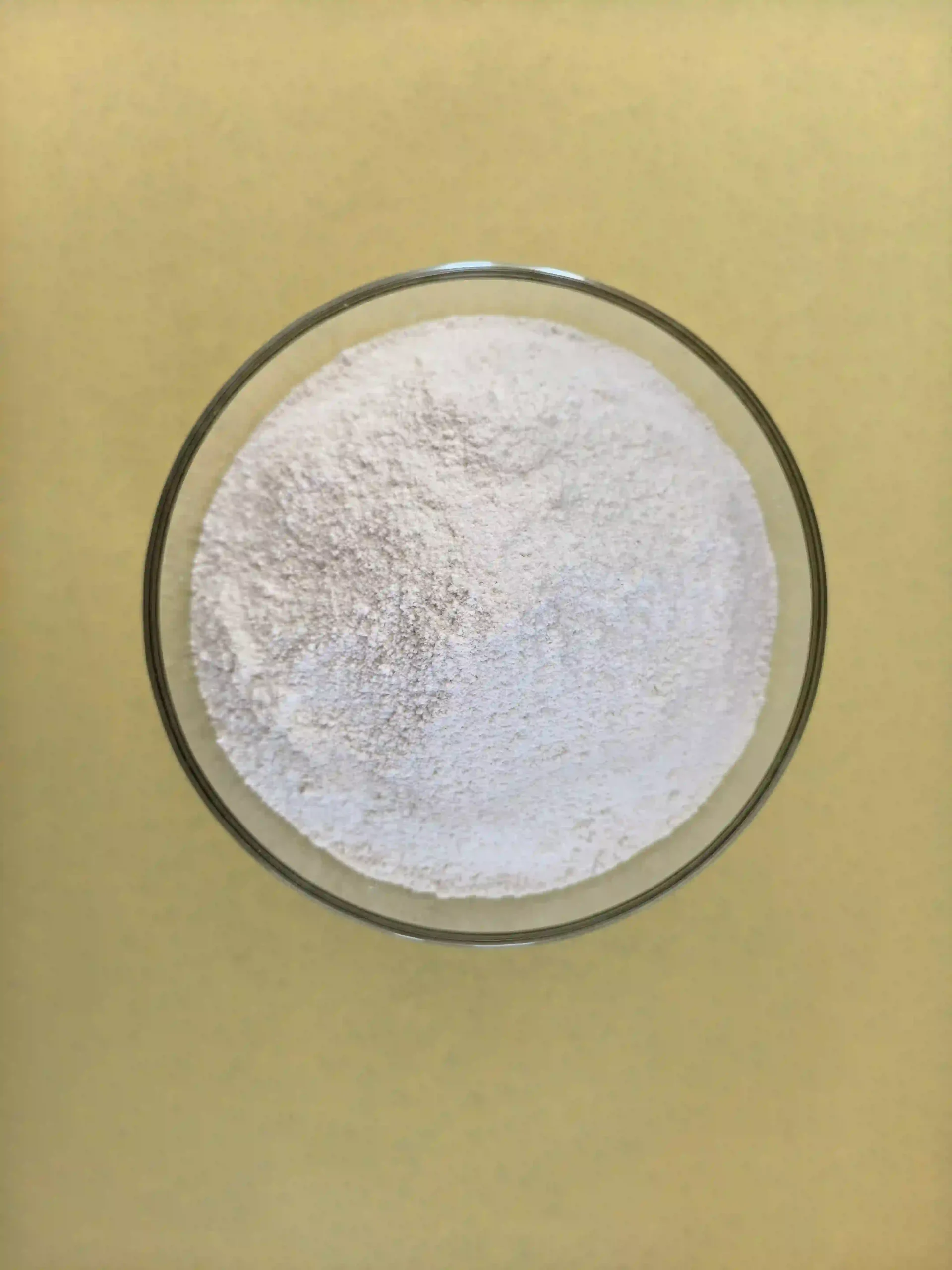
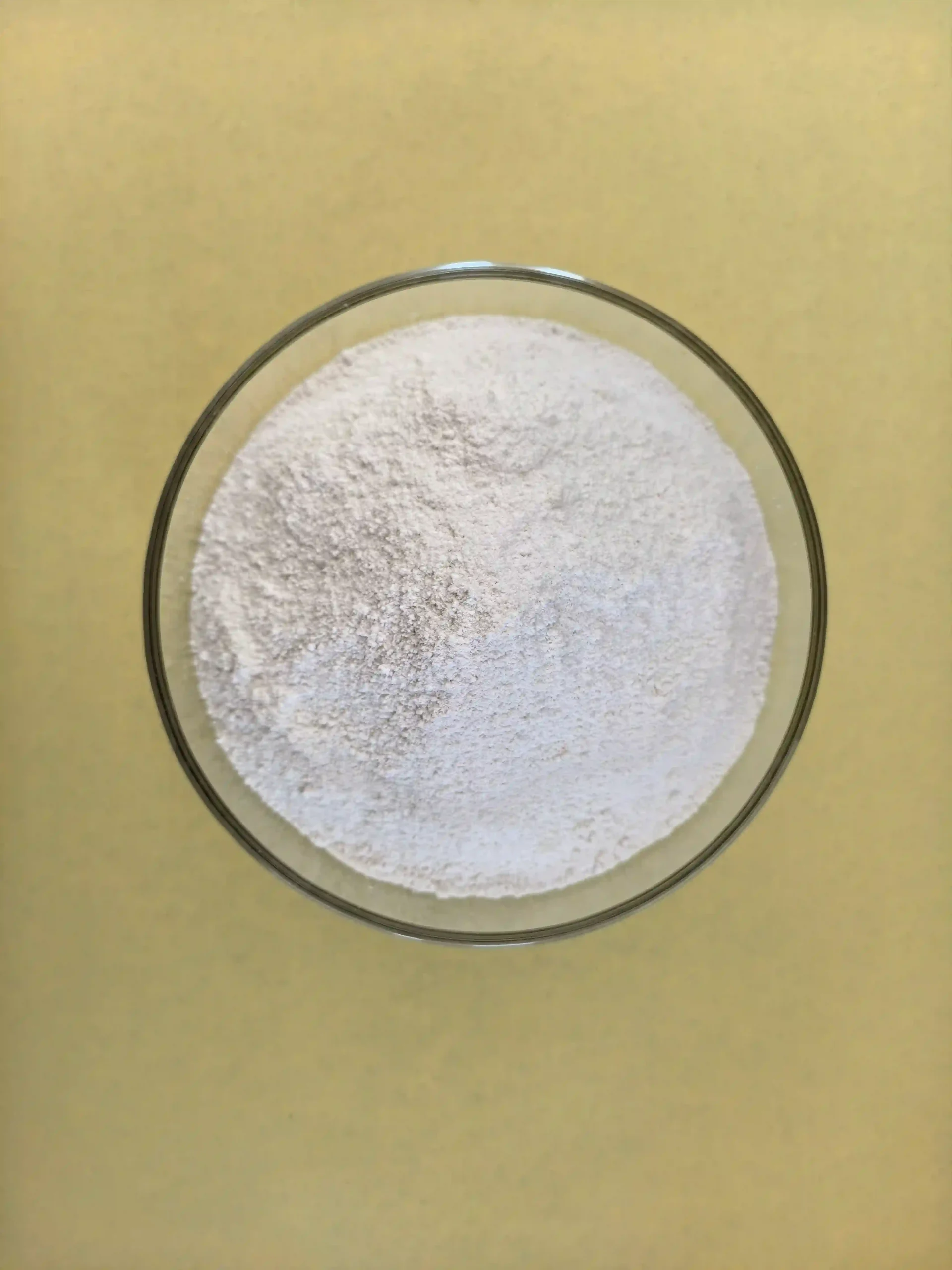
Rubber vulcanization is a critical process in the rubber industry that transforms raw elastomers into durable, elastic, and mechanically stable materials. Through vulcanization, rubber gains improved strength, elasticity, heat resistance, and long-term performance. Among the various additives used in this process, active zinc oxide plays an essential role as a highly efficient vulcanization activator.
Active zinc oxide for rubber vulcanization is specifically engineered to enhance chemical activity and dispersion within rubber compounds. Compared with conventional zinc oxide, active zinc oxide typically features a finer particle size, a larger specific surface area, and higher surface activity. These characteristics significantly improve the interaction between zinc oxide and accelerators, leading to faster curing reactions and more efficient crosslink formation.
In modern rubber manufacturing, improving processing efficiency while maintaining high product quality is a constant goal. Active zinc oxide contributes to both objectives by promoting faster vulcanization, improving crosslink density, and enhancing the physical properties of finished rubber products. As a result, it has become a preferred additive in the production of tires, industrial rubber goods, seals, belts, hoses, and other high-performance rubber components.
The Role of Zinc Oxide in Rubber Vulcanization
Zinc oxide has long been recognized as one of the most important activators in sulfur vulcanization systems. In rubber compounding, zinc oxide works together with stearic acid and various accelerators to form active zinc complexes that facilitate the crosslinking reaction between sulfur and rubber polymer chains.
Without zinc oxide, the vulcanization reaction would occur much more slowly and with significantly lower efficiency. The presence of zinc oxide allows accelerators to function effectively, leading to faster curing rates and stronger crosslink networks.
The primary functions of zinc oxide in rubber vulcanization include:
-
Activation of accelerators by forming zinc-accelerator complexes that promote sulfur crosslinking.
-
Improvement of curing speed, allowing rubber compounds to vulcanize more quickly during processing.
-
Enhancement of crosslink formation, which leads to better mechanical strength and elasticity.
-
Stabilization of the vulcanization system, ensuring consistent processing performance.
-
Improvement of thermal stability and aging resistance in finished rubber products.
Traditional zinc oxide performs these functions effectively, but advances in material engineering have led to the development of active zinc oxide, which provides significantly higher efficiency.
What Makes Active Zinc Oxide Different from Conventional Zinc Oxide
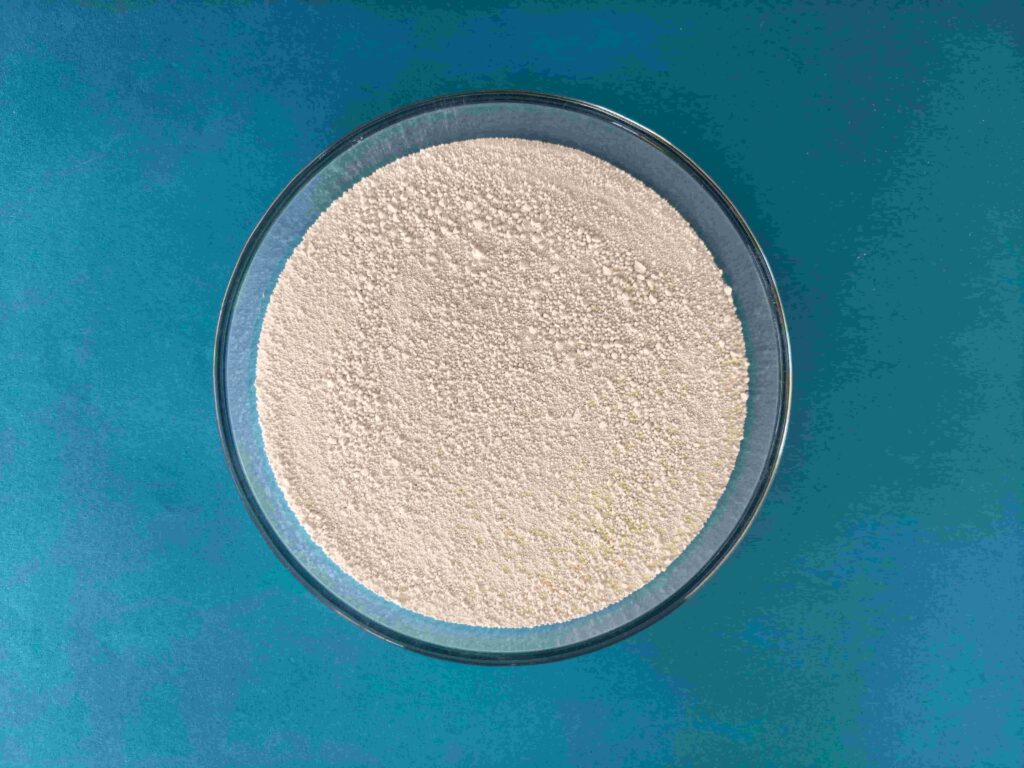
Active zinc oxide is produced through specialized manufacturing processes designed to create particles with enhanced surface characteristics. These processes often result in smaller particle sizes and higher purity levels compared with conventional zinc oxide.
The enhanced physical properties of active zinc oxide directly influence its performance in rubber compounding.
| Property | Conventional Zinc Oxide | Active Zinc Oxide |
|---|---|---|
| Particle Size | Relatively larger | Finer particles |
| Specific Surface Area | Moderate | Higher |
| Dispersion in Rubber | Moderate | Excellent |
| Chemical Activity | Standard | Higher |
| Vulcanization Efficiency | Normal | Enhanced |
Because of its improved dispersion and higher surface area, active zinc oxide interacts more effectively with accelerators and other compounding ingredients. This increased reactivity allows manufacturers to achieve faster curing and better crosslink formation while maintaining consistent rubber quality.
In many cases, active zinc oxide can also be used at lower dosages than conventional zinc oxide while still delivering superior results.
How Active Zinc Oxide Improves Rubber Processing Efficiency
Rubber processing involves multiple steps, including mixing, shaping, and curing. During these stages, additives must disperse evenly and react predictably to produce consistent products. Active zinc oxide helps optimize several aspects of this process.
One of the main benefits is improved dispersion within the rubber matrix. Fine particles distribute more uniformly during mixing, reducing the risk of agglomeration and ensuring that the activator is available throughout the compound.
Active zinc oxide also contributes to improved processing efficiency in several ways:
-
Faster cure rate
Higher surface activity accelerates the formation of active zinc complexes, which speeds up vulcanization reactions. -
Reduced curing time
Faster curing allows manufacturers to shorten production cycles and increase overall productivity. -
Improved compound uniformity
Fine particle dispersion results in more consistent rubber properties across the entire batch. -
Enhanced processing stability
Consistent activation reduces variations in cure behavior during industrial processing. -
Lower energy consumption
Shorter curing cycles can reduce energy usage in large-scale rubber manufacturing operations.
By improving these aspects of processing, active zinc oxide supports both production efficiency and product quality.
Influence of Active Zinc Oxide on Crosslink Density
Crosslink density is one of the most important structural characteristics of vulcanized rubber. It refers to the number of chemical bonds that connect polymer chains within the rubber network. Higher crosslink density generally results in improved strength, elasticity, and durability.
Active zinc oxide plays a critical role in controlling and enhancing crosslink formation during vulcanization. Because it promotes more efficient accelerator activity, sulfur crosslinks can form more uniformly and effectively.
Key effects of active zinc oxide on crosslink density include:
-
More efficient sulfur utilization
Active zinc complexes facilitate the reaction between sulfur and polymer chains. -
Improved crosslink distribution
Uniform dispersion ensures that crosslinks form evenly throughout the rubber matrix. -
Stronger polymer networks
Higher crosslink density leads to improved mechanical strength and resilience. -
Better resistance to deformation
Well-formed crosslink structures help rubber maintain shape under stress. -
Enhanced elasticity and recovery
Strong crosslink networks allow rubber to stretch and recover without permanent deformation.
Optimizing crosslink density is especially important in demanding applications such as tires, conveyor belts, and automotive rubber components.
Improvements in Final Rubber Properties
The improvements in vulcanization efficiency and crosslink density provided by active zinc oxide ultimately translate into better performance characteristics in finished rubber products.
Rubber compounds containing active zinc oxide often exhibit enhanced mechanical and physical properties compared with those using conventional zinc oxide.
| Rubber Property | Effect of Active Zinc Oxide |
|---|---|
| Tensile Strength | Increased due to stronger crosslink networks |
| Elasticity | Improved recovery and flexibility |
| Abrasion Resistance | Enhanced durability in dynamic applications |
| Heat Resistance | Better stability at elevated temperatures |
| Aging Resistance | Slower degradation over time |
These improvements are particularly valuable in industries where rubber components are exposed to mechanical stress, temperature fluctuations, and environmental factors.
For example, tires manufactured with optimized vulcanization systems demonstrate better wear resistance and longer service life. Similarly, industrial rubber products such as seals and hoses benefit from improved durability and reliability.
Applications of Active Zinc Oxide in Rubber Manufacturing
Active zinc oxide is widely used in many segments of the rubber industry because of its ability to improve curing efficiency and product performance.
Some of the most common applications include:
-
Tire manufacturing
Used in tread compounds, sidewalls, and inner liners to enhance durability and wear resistance. -
Automotive rubber parts
Applied in seals, gaskets, bushings, and vibration-damping components. -
Industrial rubber goods
Conveyor belts, rollers, and rubber sheets benefit from improved mechanical strength. -
Rubber hoses and tubing
Enhanced crosslink density provides better pressure resistance and flexibility. -
Rubber footwear and consumer products
Improved elasticity and durability help maintain long-term product quality.
Because active zinc oxide supports both efficient processing and superior performance, it is suitable for high-volume manufacturing environments as well as specialized rubber formulations.
Environmental and Efficiency Considerations
In recent years, environmental considerations have become increasingly important in rubber manufacturing. Zinc compounds can contribute to environmental concerns if used excessively, particularly in applications where rubber particles may enter ecosystems.
Active zinc oxide can help address these concerns because its higher efficiency often allows manufacturers to use lower amounts of zinc oxide while maintaining or improving vulcanization performance.
Potential environmental and efficiency advantages include:
-
Reduced zinc dosage in rubber formulations
-
Lower environmental impact from zinc emissions
-
Improved resource efficiency
-
Energy savings due to shorter curing cycles
-
Better sustainability in rubber production
As environmental regulations continue to evolve, high-efficiency additives like active zinc oxide are becoming increasingly important for sustainable rubber manufacturing.
Best Practices for Using Active Zinc Oxide in Rubber Compounds
To fully benefit from active zinc oxide in rubber vulcanization systems, proper formulation and processing practices should be followed.
Important considerations include:
-
Optimizing dosage levels
Because active zinc oxide is more reactive, lower loading levels may achieve the desired results. -
Ensuring proper dispersion
Adequate mixing conditions help maximize the advantages of fine particle distribution. -
Balancing accelerator systems
The interaction between zinc oxide and accelerators should be carefully adjusted for each formulation. -
Maintaining consistent processing conditions
Temperature and mixing parameters influence vulcanization behavior. -
Testing and quality control
Laboratory testing ensures that rubber compounds achieve the intended mechanical and curing properties.
Careful formulation design allows manufacturers to take full advantage of the performance benefits offered by active zinc oxide.
Active zinc oxide has become an important advancement in rubber compounding technology. By offering higher surface activity, improved dispersion, and enhanced chemical reactivity, it significantly improves the efficiency of sulfur vulcanization systems.
Through its role as a vulcanization activator, active zinc oxide accelerates curing reactions, increases crosslink density, and contributes to stronger and more durable rubber networks. These improvements lead to enhanced mechanical properties, better aging resistance, and superior overall performance in finished rubber products.
In addition to improving product quality, active zinc oxide also supports more efficient manufacturing processes. Faster curing times, improved compound uniformity, and potential reductions in zinc usage make it a valuable material for modern rubber production.
As the rubber industry continues to pursue higher-performance materials and more sustainable manufacturing practices, active zinc oxide will remain a key component in advanced rubber vulcanization systems.