
In numerous fields such as industrial manufacturing, automotive, and construction machinery, rubber seals serve as “invisible guardians” ensuring normal equipment operation, preventing media leakage, and isolating external impurities. Their performance directly determines the reliability, service life, and operational safety of equipment. Active zinc oxide, as an indispensable core functional additive in rubber seal production, has become a key material for optimizing rubber seal performance and driving industry upgrades due to its unique physicochemical properties and excellent application efficiency. The deep integration of these two technologies provides solid support for industrial sealing and protection.
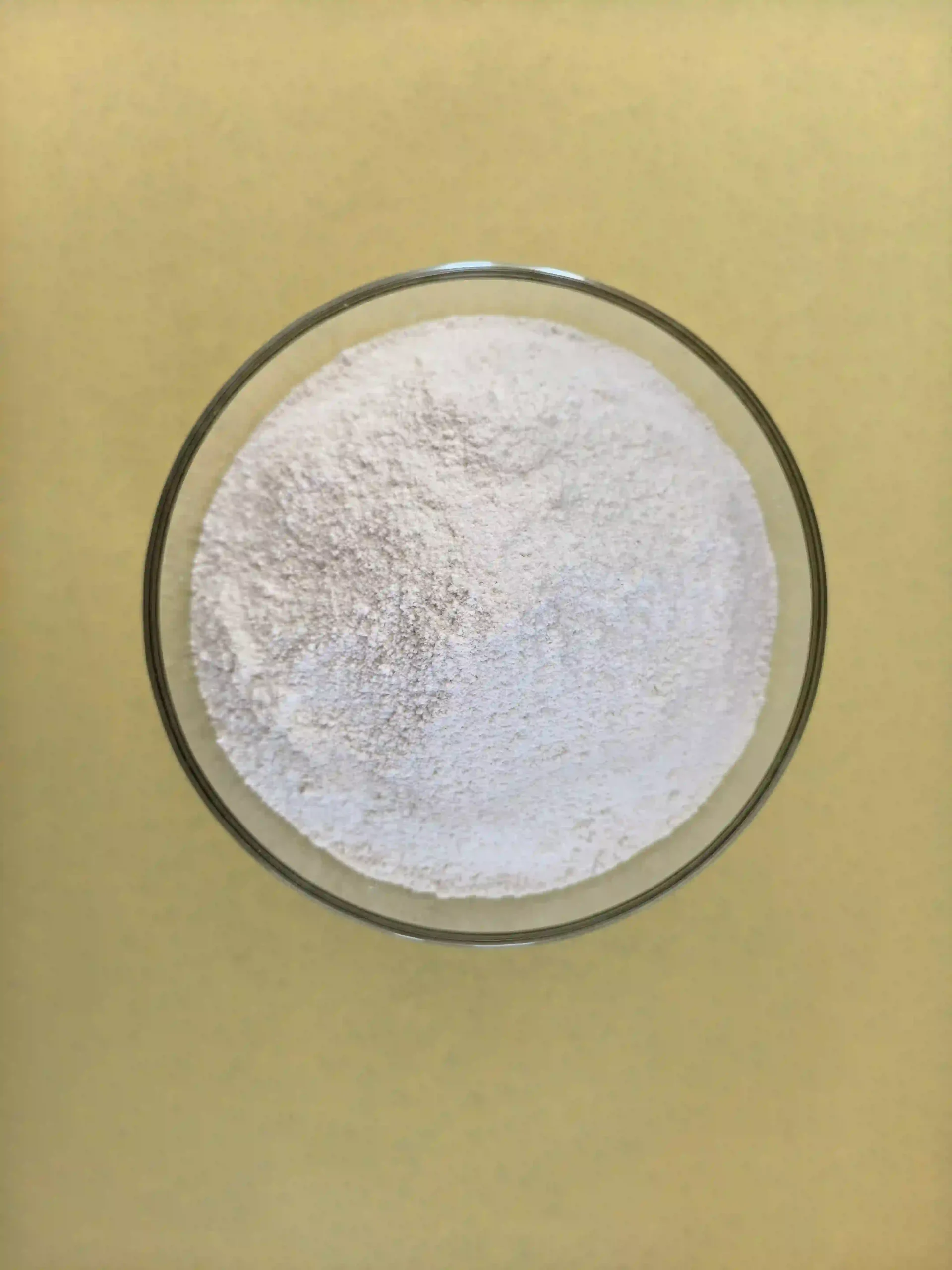
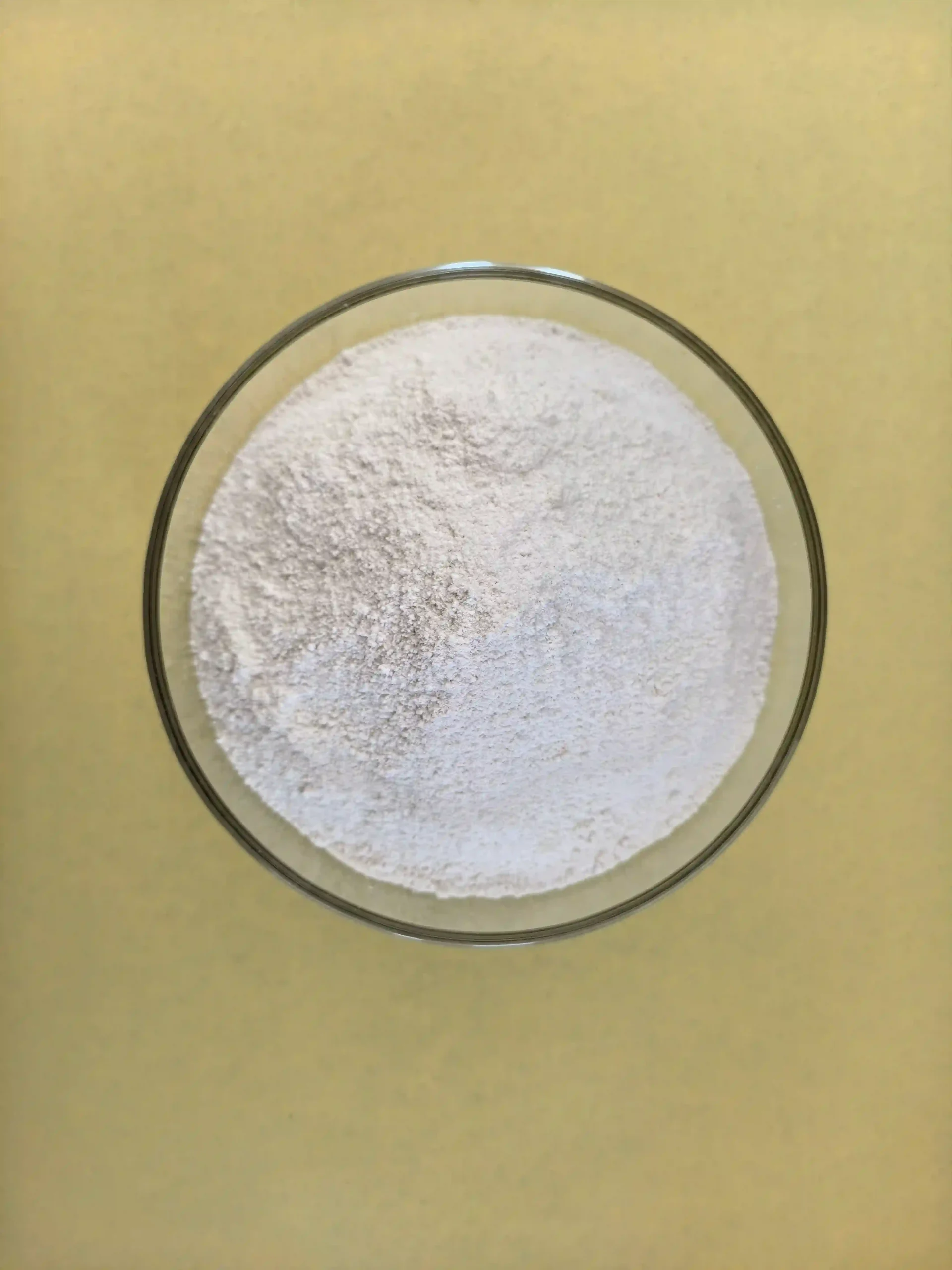
Active zinc oxide (ZnO) is a highly active nanoscale inorganic additive prepared by a wet process. Compared with traditional zinc oxide, its particles are spherical, have a small particle size, a large specific surface area, excellent dispersibility, and significantly improved activity. Simultaneously, it has extremely low heavy metal impurity content, making it an ideal replacement for traditional zinc oxide.
As a “core catalyst” in the rubber vulcanization system, the primary role of active zinc oxide in rubber seal production is to efficiently activate the vulcanization reaction, laying the foundation for the strength and toughness of the seals. The vulcanization process of rubber seals is essentially a process of cross-linking rubber molecules to form a stable network structure. Active zinc oxide can combine with stearic acid to form zinc stearate, significantly enhancing the activity of the vulcanization accelerator, accelerating the cross-linking reaction, shortening vulcanization time, and significantly improving production efficiency. Furthermore, active zinc oxide can react with H₂S generated during the breaking of polysulfide bonds during vulcanization to form new cross-linking bonds, stabilizing the vulcanization network, further enhancing the aging resistance of rubber seals, and extending their service life.
Besides activating vulcanization, active zinc oxide can also significantly optimize the mechanical and performance properties of rubber seals, making them more adaptable and durable. Rubber seals need to withstand long-term compression, friction, temperature changes, and media erosion, placing extremely high demands on tensile strength, tear strength, abrasion resistance, elasticity, and compression set. Active zinc oxide, with its highly dispersible nanoparticles, can be uniformly dispersed in the rubber matrix, filling the gaps between rubber molecules like “steel bars.” This effectively improves the tensile strength, tensile stress, and tear strength of seals, while also enhancing the elasticity and wear resistance of rubber. It reduces wear and deformation of seals during long-term use, lowers the compression set rate, and ensures long-term stable sealing performance. For example, in precision seals such as automotive oil seals and O-rings, adding active zinc oxide can increase the tear strength by more than 10%, significantly optimize wear resistance, and effectively cope with the high temperature and oily environment of the engine compartment, preventing oil leakage due to seal failure. Furthermore, the refractive index of active zinc oxide is similar to that of natural rubber, so it does not affect the color of rubber seals. It is particularly suitable for the production of white, light-colored, and transparent seals, maintaining a clear appearance while resisting strong sunlight and preventing fading and aging.
In the diverse application scenarios of rubber seals, the functional advantages of active zinc oxide are further highlighted, adapting to the stringent requirements of different industries. Whether it’s door and window seals and engine oil seals in the automotive industry, hydraulic seals in construction machinery, or waterproof seals in the building sector, active zinc oxide can play a targeted role. In seals used with metal components, active zinc oxide can reduce shrinkage and cracking during the bonding of rubber and metal, improving adhesion stability, while also improving the thermal conductivity of rubber, making it suitable for sealing applications requiring high thermal conductivity. In acid and alkali-resistant and corrosion-resistant sealing applications, active zinc oxide can enhance the chemical stability of rubber seals, resisting media erosion and extending the service life of seals in harsh environments. In fields with stringent environmental requirements, such as seals for medical equipment and food machinery, the low heavy metal content of active zinc oxide is a significant advantage, meeting sterile and environmentally friendly usage requirements.
Currently, industrial equipment has increasingly higher requirements for sealing performance, and environmental regulations are becoming increasingly stringent. The integration of active zinc oxide and rubber seals is developing towards a more efficient, environmentally friendly, and customized direction. On the one hand, research institutions and enterprises are continuously optimizing the preparation process of active zinc oxide to improve its activity, dispersibility, and environmental performance, and developing special products that are suitable for different rubber systems (such as natural rubber, synthetic rubber, and reclaimed rubber), further expanding its application scope. On the other hand, by precisely controlling the addition ratio of active zinc oxide and optimizing the vulcanization process, the performance of rubber seals can be customized to meet the personalized sealing needs of high-end equipment, new energy vehicles, and other fields, and promote the high-quality development of the rubber seal industry.