
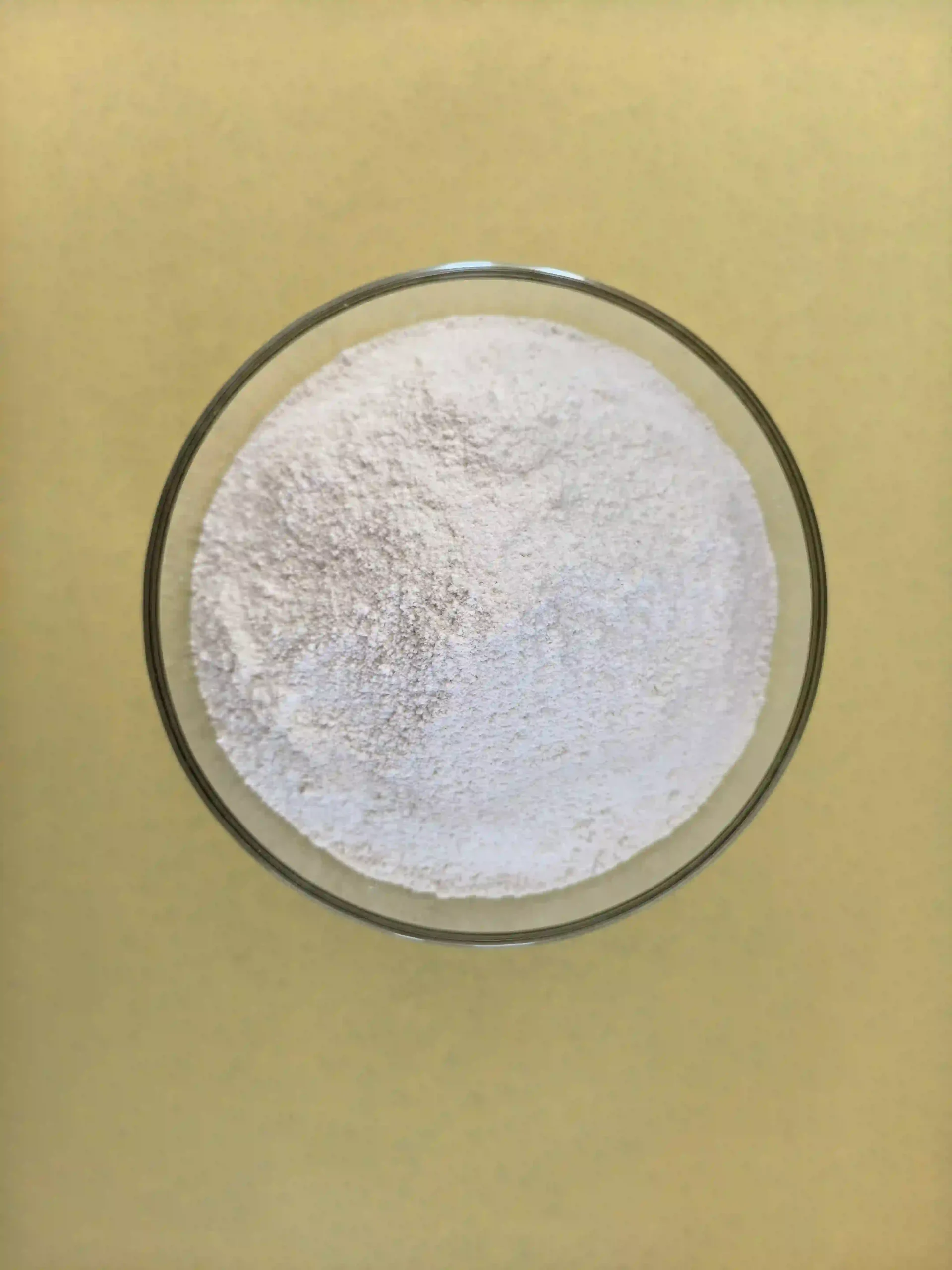
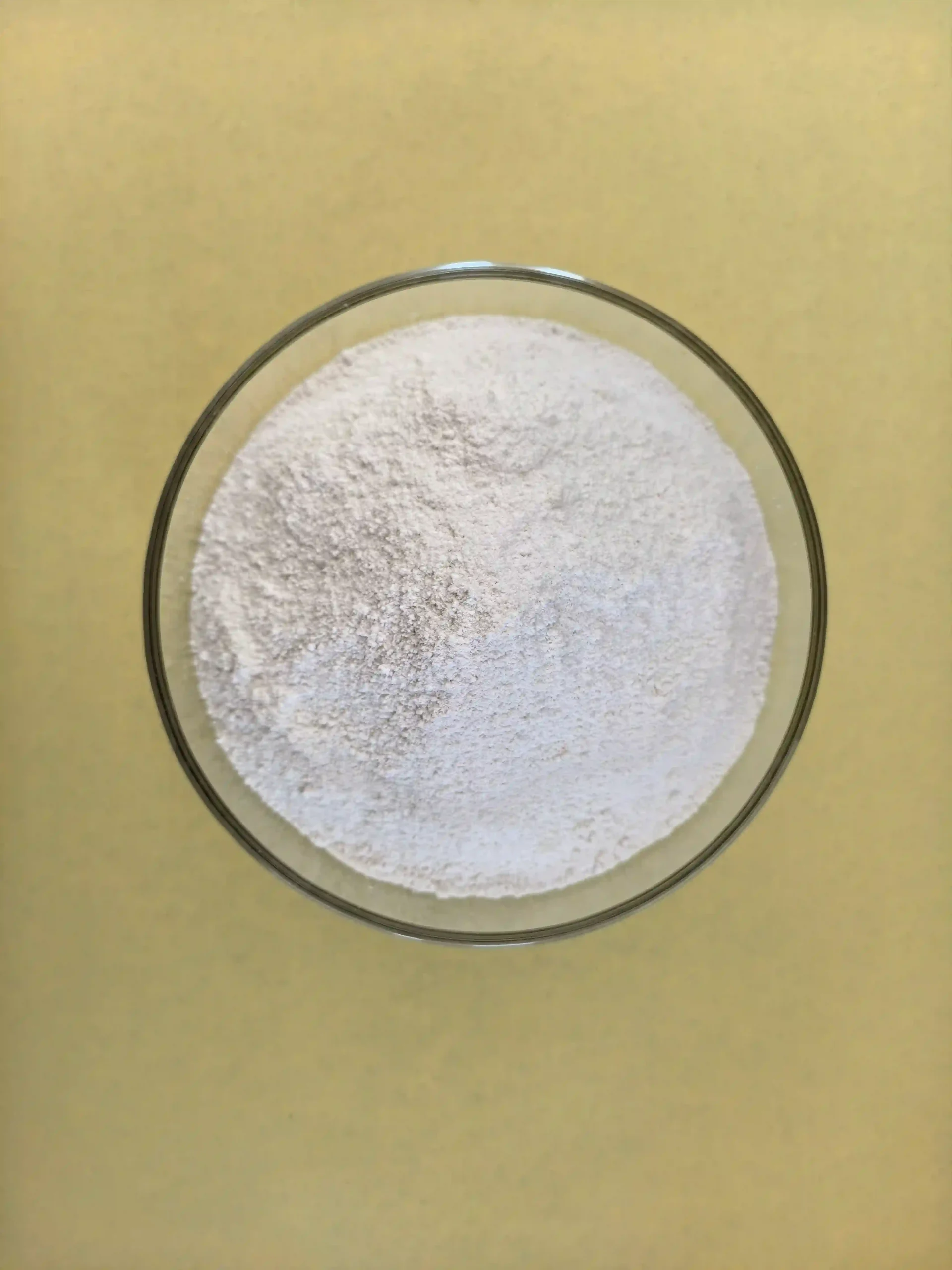
Active zinc oxide nano grade has attracted growing interest in crop disease management because its small particle size and high specific surface area can influence zinc availability, antimicrobial activity, and plant defense responses. Compared with conventional bulk zinc oxide, nano-grade ZnO provides a larger reactive surface and may interact more effectively with pathogens and plant tissues.
Its performance, however, depends on factors such as particle characteristics, formulation, dispersion, and application conditions. Research has also reported potential effects on plant defense pathways in addition to zinc supplementation. This article examines how active zinc oxide nano grade works against plant pathogens and how it can be evaluated for foliar, seed, and soil applications.
How Active Zinc Oxide Nano Grade Works Against Plant Pathogens
When active zinc oxide nano grade comes into contact with fungal or bacterial pathogens, its antimicrobial activity may involve both zinc ion release and reactive oxygen species generation. Zn²⁺ ions can interfere with microbial cell functions, while reactive oxygen species such as hydrogen peroxide may contribute to membrane and cellular damage.
The high specific surface area of nano-grade ZnO increases the available surface for interactions with the surrounding environment. Compared with bulk zinc oxide, smaller particles can provide more reactive sites per unit of material. However, the actual antimicrobial response depends on particle size, surface properties, formulation, concentration, and the target pathogen.
Active zinc oxide nano grade may also influence plant defense responses beyond direct interactions with pathogens. Studies of ZnO nanoparticles have reported changes in defense-related signaling and enzyme activity in plants exposed to suitable concentrations. These effects suggest that nano-grade ZnO can have both zinc-supplying and plant-response functions in crop disease management.
Why Particle Size Matters for Disease Control
Particle size is an important factor when evaluating the performance of nano-grade zinc oxide. As particle size decreases, the surface-area-to-volume ratio generally increases, creating more surface available for interactions with ions, plant tissues, and microbial cells.
Agricultural-grade active zinc oxide nano grade may be supplied with primary particle sizes in the nanometer range and different BET specific surface areas, depending on the manufacturing process. These specifications should be evaluated together rather than treating particle size alone as a measure of product performance.
Microscopic studies have reported structural changes in fungal mycelia following exposure to ZnO nanoparticles, including deformation, membrane damage, and abnormal growth. Such observations support the potential antimicrobial role of nano-grade ZnO, although results can vary with the fungal species, particle characteristics, concentration, and test conditions.
How Direct Antimicrobial Activity and Plant Defense Responses Work Together
The potential disease-control effects of ZnO nanoparticles can be considered through two related pathways:
- Direct antimicrobial activity: Zn²⁺ ions and reactive oxygen species may interfere with microbial membranes, proteins, and other cellular components.
- Plant defense response: Suitable zinc exposure may influence defense-related enzymes and signaling pathways, potentially helping plants respond to pathogen stress.
Research on crops such as tomato has reported changes in disease severity and plant nutrient status following treatments involving ZnO nanoparticles. However, these results should be interpreted in the context of the specific crop, pathogen, application method, concentration, and experimental conditions rather than treated as universal performance levels.
How Active Zinc Oxide Nano Grade Compares With Conventional Zinc Sources
The performance of zinc-based materials can vary with particle size, formulation, application method, and crop conditions. The following comparison highlights common characteristics that may be relevant when evaluating active zinc oxide nano grade alongside bulk ZnO and zinc sulfate.
| Parameter | Active Zinc Oxide Nano Grade | Conventional Bulk ZnO | Zinc Sulfate ZnSO₄ |
|---|---|---|---|
| Physical form | Nano-scale particles | Larger particles | Water-soluble zinc salt |
| Particle size | Nanometer range | Micron-scale range | Dissolved in solution |
| Specific surface area | Generally higher | Generally lower | Not applicable in the same form |
| Zinc availability | Influenced by particle properties and formulation | Influenced by solubility and particle characteristics | Relatively high water solubility |
| Application method | Foliar, seed, or soil applications | Soil or foliar applications | Mainly soil or foliar applications |
| Potential role in disease management | Zinc supply and potential antimicrobial effects | Primarily zinc supplementation | Primarily zinc supplementation |
| Key evaluation factors | Particle size, BET area, purity, dispersion | Purity, particle size, solubility | Solubility, concentration, formulation |
The main distinction between nano-grade and bulk zinc oxide is the greater surface area associated with smaller particles. This can affect zinc release, dispersion, and interactions with plant or microbial surfaces. However, higher surface area does not automatically result in better field performance. Crop type, formulation, application rate, environmental conditions, and the target pathogen can all influence the final response.
For agricultural applications, zinc bioavailability should therefore be evaluated together with product characteristics and application conditions. Research has reported improved zinc uptake from ZnO nanoparticles in some crops, but the magnitude of the response varies among studies. Rather than assuming a universal efficiency advantage, growers and formulators should compare products under the specific conditions in which they will be used.
What Field Research Shows About Yield and Disease Outcomes
Field and greenhouse studies have reported different agronomic responses to ZnO nanoparticles across crops. In rice grown under zinc-deficient conditions, some trials found that foliar ZnO nanoparticle treatments improved grain yield and chlorophyll-related parameters compared with untreated controls. The response varied with application concentration and treatment conditions.
Other studies have examined nano-grade ZnO in crops such as linseed, tomato, and wheat. Reported outcomes include changes in growth, antioxidant enzyme activity, nutrient accumulation, and disease-related parameters. These findings indicate that nano-grade zinc oxide may have value beyond conventional zinc supplementation, but results should be interpreted according to the crop, formulation, concentration, and experimental design.
For disease management, this distinction is particularly important. A zinc source that improves plant zinc status does not necessarily provide the same level of pathogen control under every field condition. Product evaluation should therefore consider both agronomic performance and disease-control endpoints rather than relying on zinc concentration alone.
Practical Applications: Where Active Zinc Oxide Nano Grade Fits in Crop Management
The potential value of active zinc oxide nano grade depends largely on how and when it is applied. In crop management programs, nano-grade ZnO can be evaluated through three main routes: seed treatment, foliar application, and soil application.
The appropriate method depends on the crop, target pathogen, zinc status, formulation, and local application requirements. These factors should be considered when determining concentration, timing, and treatment frequency.
Seed Treatment and Priming
Seed treatment with nano-grade ZnO can place zinc close to the seed during germination and early plant development. This approach has been studied for improving seedling vigor, zinc availability, and plant establishment, while some research has also reported effects on soil-borne pathogen development.
Research on crops such as linseed and rice has evaluated different concentrations of ZnO nanoparticles for seed treatment and priming. Reported outcomes include changes in germination, seedling growth, and plant stand. Because responses vary with seed type, particle characteristics, and treatment conditions, published concentrations should be used as research references rather than universal application rates.
The main consideration for seed treatment is uniform coverage and dispersion. A well-formulated nano-grade zinc oxide product should maintain consistent particle distribution on the seed surface and provide predictable zinc availability during early growth.
Foliar Application for Crop Disease Management
Foliar application places active zinc oxide nano grade directly on plant surfaces and is particularly relevant when zinc supplementation and disease management are considered together. ZnO nanoparticles may interact with pathogens on leaf surfaces and can also influence plant defense responses, although the actual effect depends on formulation, concentration, crop species, and pathogen.
Research has evaluated nano-grade ZnO foliar treatments in crops such as wheat and tomato. Studies have reported changes in disease severity, plant growth, and nutrient status under specific experimental conditions. These findings support further evaluation of nano-grade zinc oxide as part of crop disease management programs rather than as a universal replacement for conventional fungicides.
Foliar formulations should also be assessed for suspension stability, leaf coverage, compatibility with adjuvants, and potential phytotoxicity. These formulation factors can influence the performance of ZnO nanoparticles after application.
Soil Application for Root-Zone Zinc Supply
Soil application of active zinc oxide nano grade provides another route for addressing zinc availability around the root zone. Depending on soil properties and formulation, ZnO nanoparticles may interact with soil particles, moisture, microorganisms, and plant roots.
Research has reported changes in crop yield, nutrient uptake, and physiological parameters following soil application of nano-grade ZnO. However, results can vary substantially with soil pH, organic matter, moisture, application rate, and crop species. For this reason, soil application should be evaluated according to local soil conditions rather than relying on a single recommended rate.
For commercial agricultural formulations, particle dispersion and stability are particularly important. Aggregation in the soil or spray mixture can change the effective particle size and reduce the surface-area advantage associated with nano-grade zinc oxide.
Compatibility With Agricultural Formulations
Compatibility is another important consideration when incorporating active zinc oxide nano grade into an existing crop management program. Its suitability for tank mixing or formulated products depends on particle surface properties, dispersion stability, formulation chemistry, and the other components in the mixture.
Some research has investigated combinations of ZnO nanoparticles with biological control agents such as Trichoderma. However, compatibility and synergistic effects should be confirmed for the specific formulation rather than assumed across all products.
For formulators and agricultural input manufacturers, practical evaluation should therefore include dispersion stability, storage stability, tank-mix compatibility, application performance, and crop tolerance. A technical datasheet and sample evaluation can provide a useful starting point when assessing an active zinc oxide nano grade product.
Market Context: Growing Interest in Nano-Grade Zinc Oxide
Interest in nano-grade zinc oxide is increasing as agricultural manufacturers and growers explore alternatives for zinc supplementation and crop disease management. Beyond its nutritional role as a zinc source, ZnO nanoparticles have been studied for their potential antimicrobial activity and effects on plant defense responses.
However, adoption depends on more than particle size alone. Product formulation, dispersion stability, application requirements, regulatory considerations, and demonstrated performance under specific crop conditions all influence whether nano-grade zinc oxide is suitable for commercial agricultural use.
For agricultural input manufacturers, the growing interest in nano zinc oxide also creates a need for more consistent product characterization. Clear specifications and application data can help formulators determine whether a material is appropriate for fertilizers, foliar products, seed treatments, or other crop-management formulations.
What to Look for in an Active Zinc Oxide Nano Grade Supplier
Not all nano-grade zinc oxide products have the same physical or chemical characteristics. When evaluating a supplier, buyers should review several specifications rather than relying on the “nano” designation alone.
- Primary particle size: Check the reported particle-size range and the testing method used. Primary particle size and aggregated particle size are not necessarily the same.
- Specific surface area: BET surface area can provide useful information about the available surface of the material and should be considered alongside particle size and formulation characteristics.
- Purity and trace metals: Review ZnO purity and relevant heavy-metal specifications, particularly when the product is intended for agricultural or food-related applications.
- Dispersion stability: Evaluate how consistently the material disperses in the intended formulation and whether aggregation occurs during storage or application.
- Application data: Look for information on suitable application methods, tested concentrations, crop compatibility, and formulation conditions where available.
A technical datasheet for active zinc oxide nano grade should provide measurable product characteristics rather than relying only on general claims. Depending on the intended application, useful documentation may include BET specific surface area, particle-size analysis, chemical purity, trace-metal testing, dispersion characteristics, and relevant quality-control data.
For formulators and agricultural input manufacturers, requesting a sample alongside the technical datasheet can also help verify dispersion, formulation compatibility, and performance under the intended application conditions.
Conclusion
Active zinc oxide nano grade combines zinc supplementation with potential antimicrobial and plant defense effects. Its nano-scale particle size and high specific surface area can support interactions with plant and microbial surfaces, while performance depends on particle characteristics, formulation, application method, and crop conditions.
For growers and formulators evaluating nano-grade ZnO for crop disease management, reviewing particle size, purity, BET surface area, and dispersion stability is essential. Request a technical datasheet and sample of active zinc oxide nano grade to evaluate its specifications and compatibility with your application.