As fundamental components of equipment systems, rubber seals are widely used in automotive, hydraulic, pipeline, construction machinery and other industries. Their core evaluation indicators focus on curing stability, compression set, heat aging resistance, medium resistance and environmental compliance. Zinc oxide serves as an indispensable curing activator in rubber sealing formulations. It directly participates in sulfur crosslinking reactions, increases crosslink density, and improves the mechanical properties and long-term sealing stability of finished products. In actual production, many formulators only pay attention to the purity index of zinc oxide, while easily overlooking hidden risks brought by heavy metal impurities. Both purity grade and heavy metal content jointly determine the yield, service life and compliance capacity of finished seals.
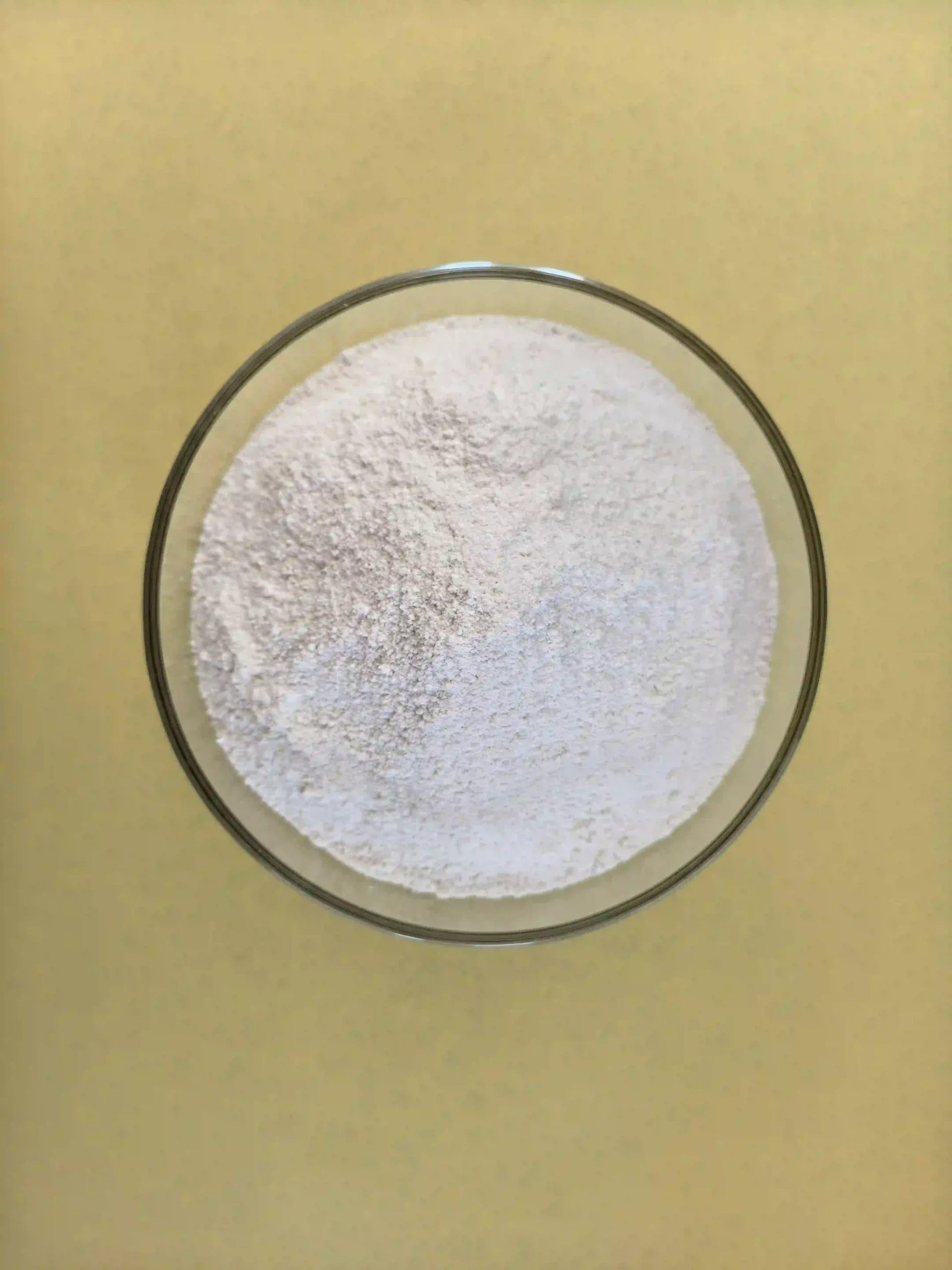
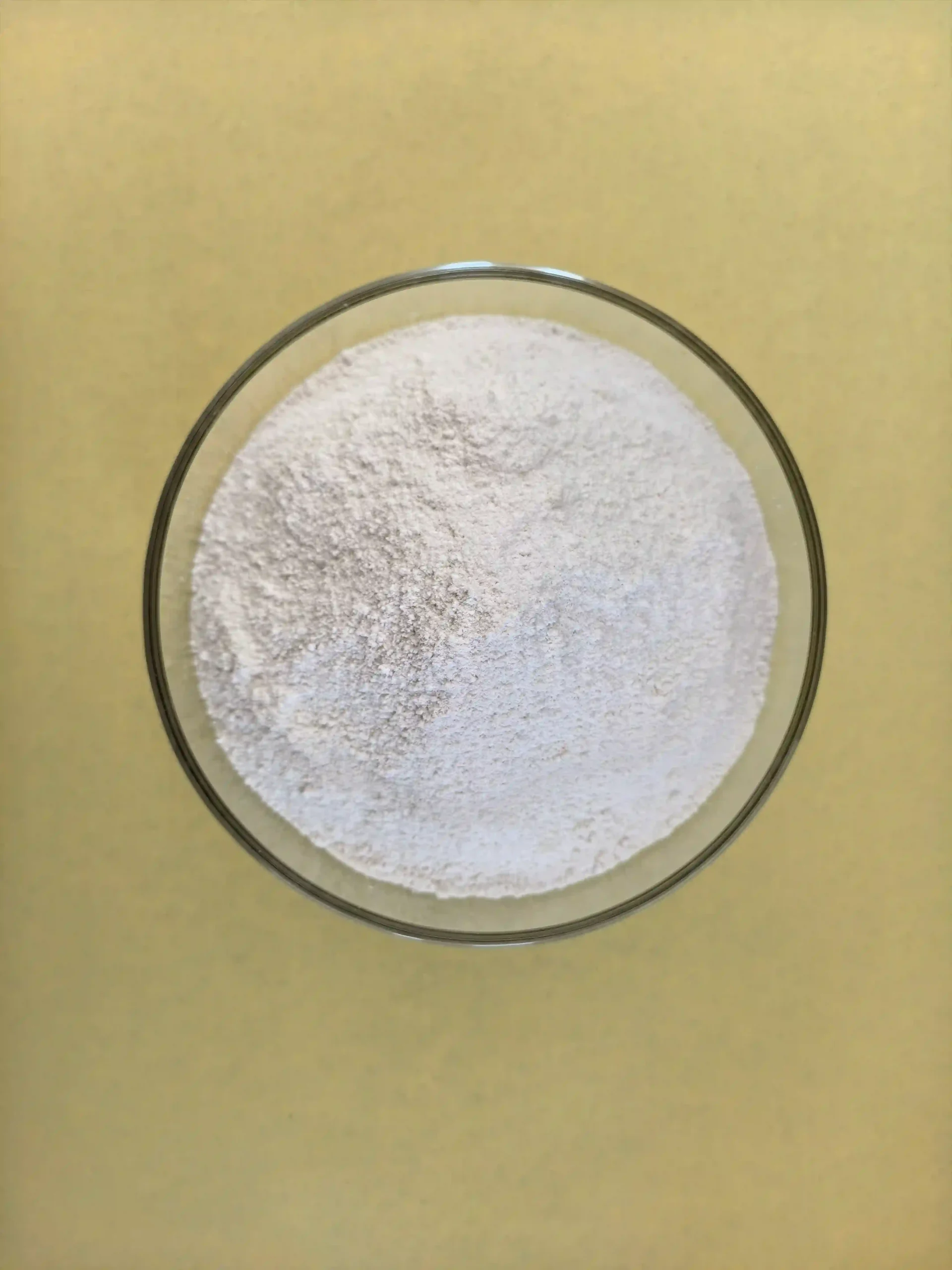
Zinc oxide purity refers to the proportion of active zinc oxide components. Impurities include acid-insoluble substances, carbonates, moisture and various metallic contaminants. Multiple grades of zinc oxide are available for rubber applications on the market, and zinc oxide produced via different manufacturing processes shows substantial differences in background impurities. Zinc oxide with insufficient purity contains a high fraction of inert inactive impurities and fewer active zinc components. At the same loading dosage, it delivers inadequate curing activation capacity and leads to low crosslink density. For seals, this translates to reduced tensile strength and modulus, increased compression set, poor rebound performance after long-term pressure bearing, and leakage failure. Meanwhile, inert impurities tend to form stress concentration points within the rubber matrix. Under thermal cycling operating conditions, microcracks are more likely to generate on seals and accelerate aging failure. Nevertheless, not all seals require the highest-purity zinc oxide. Ordinary low-pressure static seals can adopt properly graded zinc oxide to control formulation costs. For automotive, hydraulic and high-temperature dynamic seals, stable high-purity zinc oxide is required to guarantee curing consistency across batches and avoid fluctuations in hardness and rebound of finished products from different batches under the same formulation.
Heavy metal impurities represent a frequently overlooked critical indicator in zinc oxide selection, mainly including copper, iron, lead, cadmium, arsenic, mercury, most of which originate from zinc ore raw materials and residues from smelting processes. Even trace amounts at ppm levels exert irreversible effects on rubber seals. Among these contaminants, copper and iron ions are strong oxidation-catalyzing impurities. Under high-temperature and aerobic environments, they catalyze the cleavage of rubber molecular chains, accelerate thermal-oxidative aging and shorten the service life of seals. Zinc oxide with high iron impurities also causes yellowing and discoloration of seals, damaging appearance, and this defect is especially prominent in the production of light-colored or transparent seals. Heavy metals such as lead, cadmium, mercury and arsenic are more relevant to regulatory compliance. Rubber seals for food contact and potable water equipment are subject to specific heavy metal migration limit requirements. Once zinc oxide raw materials exceed heavy metal limits, finished products will still fail inspection even if all other raw materials in the rubber formulation are qualified, resulting in product rejection and disrupted orders.
There is a certain correlation between purity indicators and heavy metal impurities, yet one cannot replace the other. High-purity zinc oxide does not necessarily guarantee low heavy metal content. Some high-purity zinc oxide only meets the specification for active zinc content, but carries high heavy metal levels due to poor ore sources. Some zinc oxide with relatively lower purity can have heavy metals controlled at extremely low levels through special purification processes, making it suitable for sealing products with strict environmental requirements. This is a common misconception in rubber seal material selection: merely checking purity values without reviewing heavy metal test reports. During raw material acceptance, the COA certificate must be reviewed, covering ZnO content, acid-insoluble matter, loss on ignition, as well as heavy metal items tested by ICP. Purity alone cannot be used as the sole acceptance criterion.
A clear decision-making logic for zinc oxide selection can be established for different rubber seal application scenarios. For general static rubber seals operating at moderate temperatures without mandatory special environmental requirements, appropriately graded zinc oxide can be selected to meet basic curing performance while controlling costs, with heavy metals complying with general domestic standards for rubber products. For automotive chassis seals, hydraulic oil seals and dynamic reciprocating seals that endure long-term high temperature and alternating pressure, high-purity zinc oxide with low heavy metals is preferred. The content of Cu and Fe ions must be strictly controlled to reduce aging catalysis risks and stabilize compression set indicators. For rubber seals used in food contact and drinking water applications, the core requirement is that heavy metals, including lead, cadmium, mercury and arsenic must strictly comply with relevant migration standards for contact materials. Priority should be given to factory suppliers with stable ore sources that can provide long-term heavy metal test data.
Corresponding quality control measures shall be implemented in raw material management. During procurement, suppliers shall be required to provide batch-wise COA certificates. Where necessary, third-party laboratories can be commissioned to test heavy metal content using the ICP-OES method. After raw material warehousing, in addition to physical and chemical property testing, small-batch trial mixing shall be conducted to test curing curves and check the stability of scorch time and optimum cure time. Mechanical property changes of finished products before and after aging shall also be tested to verify aging effects induced by impurities. Moisture-proof storage must be maintained. Moisture-absorbed zinc oxide introduces water, which generates bubbles during curing, destroys the dense structure of seals and amplifies the adverse effects of impurities.
In summary, zinc oxide selection for rubber seals requires balancing both purity and heavy metal indicators. Purity guarantees the basic performance of curing and crosslinking, determining mechanical properties, rebound and compression set of seals. Heavy metal impurities, on one hand, affect the long-term aging resistance of seals, and on the other hand, determine whether products can meet domestic environmental regulations. Seal failures are often not caused by incorrect formulation design, but by long-term catalytic aging triggered by trace heavy metal impurities in zinc oxide raw materials, or insufficient crosslinking arising from inadequate purity, which eventually leads to leakage failure after long-term service accumulation. Incorporating purity and heavy metal indicators into routine acceptance criteria at the stage of formulation development and raw material procurement can stabilize the quality of rubber seals and avoid subsequent product failure and compliance risks.