
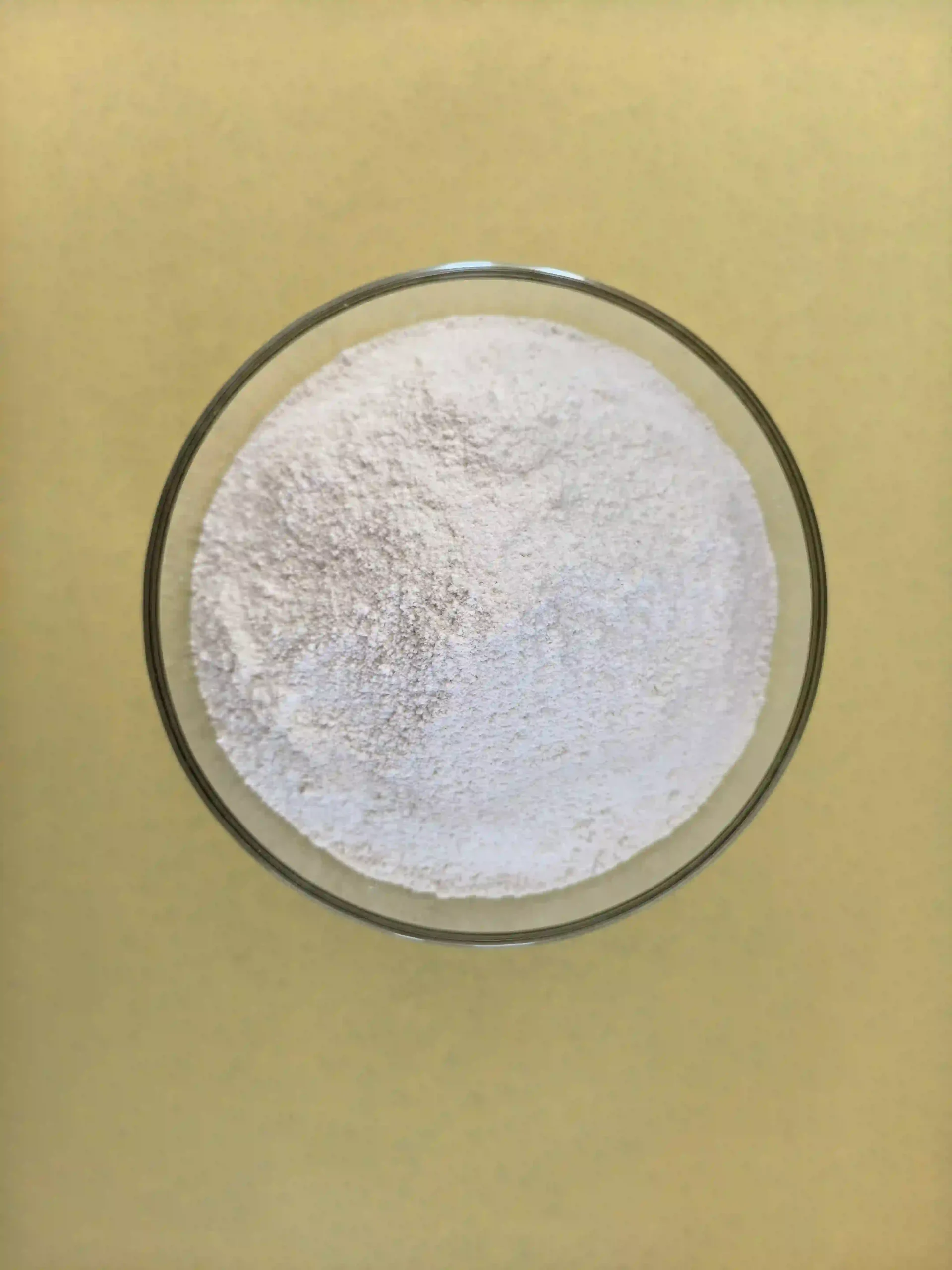
Activated Zinc Oxide: The Key to Tire Upgrade
Activated Zinc Oxide: The Core Material Empowering Tire Upgrade
Amid the tire manufacturing industry’s trend toward high performance and environmental friendliness, activated zinc oxide, leveraging its unique material properties, is gradually replacing traditional ordinary zinc oxide to become a critical raw material for the production of high-end and green tires. Through the high reactivity and excellent dispersibility brought by the nanoscale, it achieves breakthroughs in multiple dimensions such as cost reduction, environmental protection, and quality improvement, providing strong support for the sustainable development of the tire industry.
Core Characteristics: Inherent Advantages Endowed by Nanoscale
The core difference between activated zinc oxide and traditional ordinary zinc oxide (indirect zinc oxide) stems from its nanoscale particle size. Ordinary zinc oxide has large particles and a small specific surface area, which tend to agglomerate and disperse unevenly in rubber compounds, directly affecting the subsequent vulcanization effect. In contrast, activated zinc oxide boasts a huge specific surface area and high surface energy, with far more active sites than ordinary products. It can form more efficient interactions with rubber molecules, laying the foundation for its excellent performance in tires.
Core Value: Dual Breakthroughs in Environmental Protection and Performance
Zinc Reduction for Environmental Protection, Meeting Compliance Requirements
Zinc is classified as an environmental risk substance by the EU REACH Regulation. Zinc released from tire wear during use can have an impact on the ecological environment. The addition amount of ordinary zinc oxide in tire formulations is usually 3-5 phr (parts per hundred rubber), while activated zinc oxide, with its high reaction efficiency, only requires 0.8-1.5 phr to achieve or even surpass the traditional effect. This breakthrough not only significantly reduces zinc emissions to meet strict environmental standards but also reduces the amount of inorganic fillers, contributing to tire lightweighting and indirectly lowering the rolling resistance of the entire vehicle.
Multi-Dimensional Quality Improvement, Upgrading User Experience
Activated zinc oxide comprehensively improves the overall performance of tires by optimizing the rubber cross-linking network:
- Enhanced wear resistance: The uniform and perfect cross-linking structure makes the combination of rubber molecules stronger, significantly extending the service life of tread rubber and reducing replacement frequency.
- Superior anti-aging performance: As an efficient light stabilizer and ultraviolet absorber, its nanoscale allows it to shield and absorb ultraviolet rays more accurately, delaying rubber cracking and aging.
- Better thermal conductivity: Forms an efficient thermal conductivity network in the compound, quickly dissipating heat generated during driving, avoiding compound performance degradation or delamination caused by heat accumulation, and improving driving safety.
- Excellent flex resistance: Uniform stress distribution reduces the growth of fatigue cracks under repeated deformation, adapting to long-term use under complex road conditions.
Process Optimization, Improving Production Efficiency
The good dispersibility of activated zinc oxide brings multiple conveniences to the production process: faster feeding during mixing, shortening processing time and saving energy consumption; improved compound fluidity, making it easier to fill complex molds, reducing appearance defects such as insufficient glue, lowering production losses, and improving the qualified rate of finished products.
Industry Trend: Standard Configuration for High-End Tires
With its core advantage of “achieving great results with little effort”, activated zinc oxide not only meets the harsh requirements of modern tires for high wear resistance, low heat generation, and long service life but also conforms to the industrial development direction of environmental protection and sustainability. In the high-end and green tire markets, its technical value has been widely verified, and it is gradually transforming from an optional material to a standard configuration, driving the rubber industry toward a more efficient and environmentally friendly direction.