
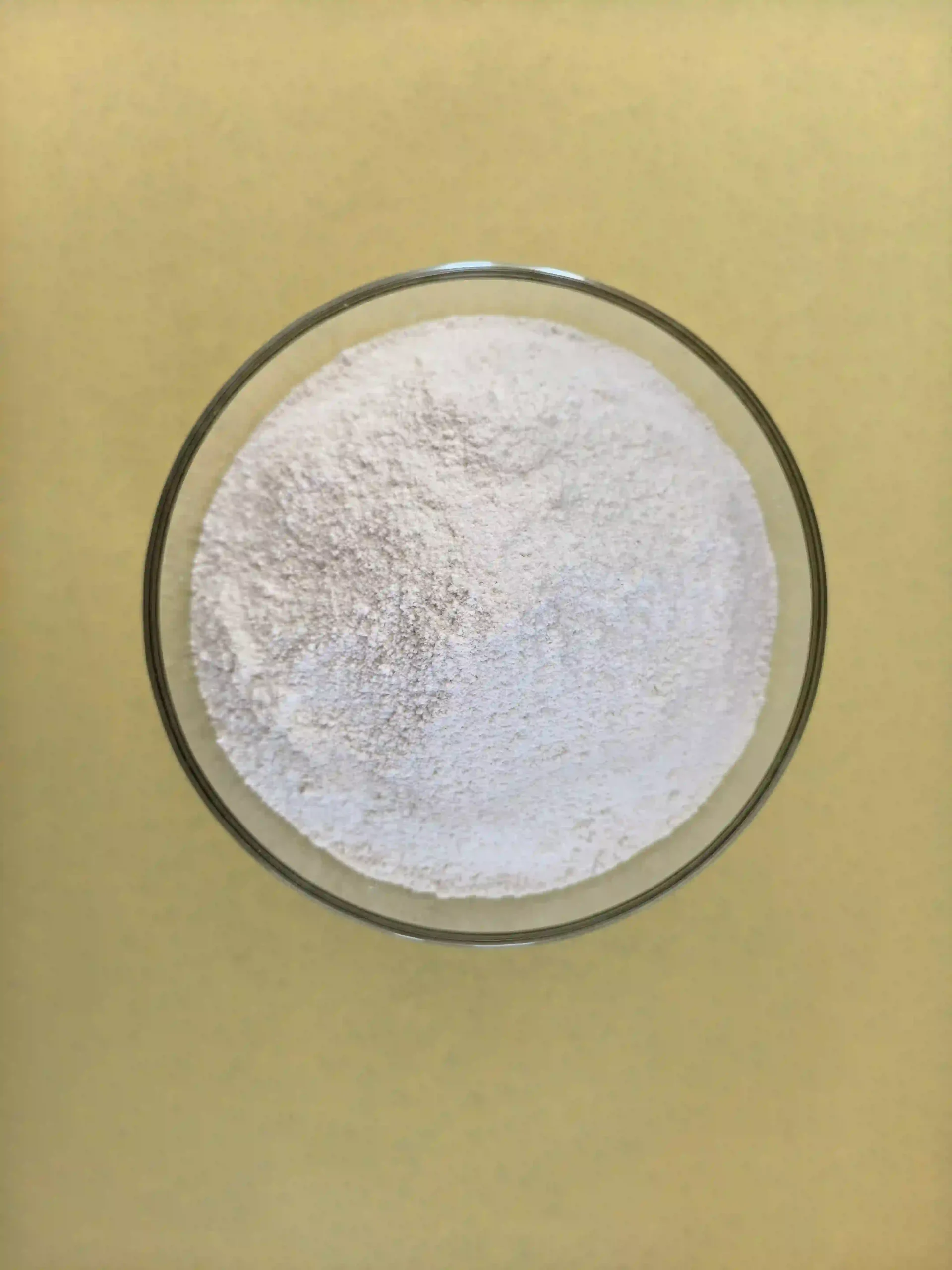
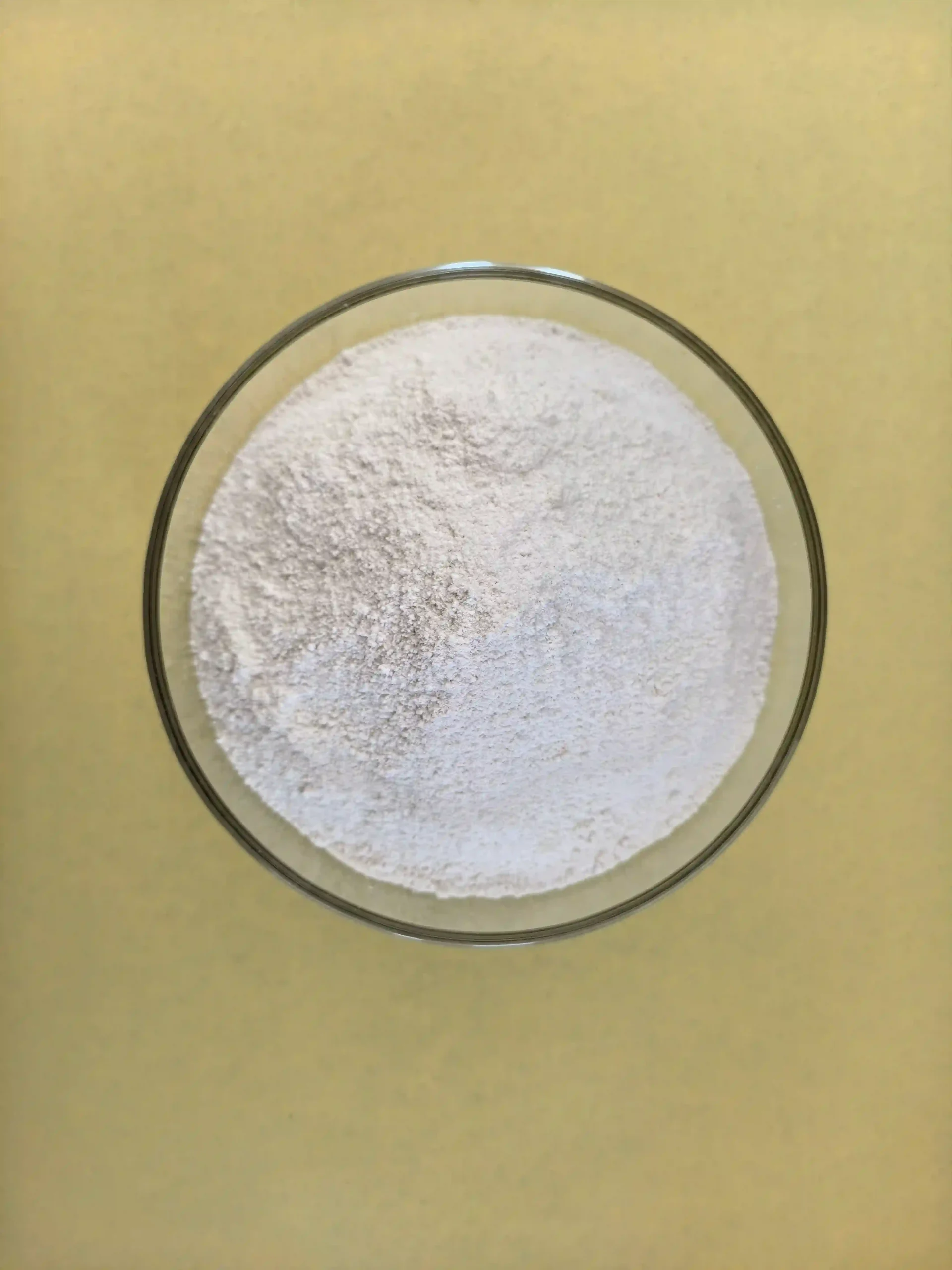
In the field of inorganic chemical materials, zinc oxide is a widely used basic raw material, finding applications in numerous industries such as rubber, coatings, feed, and pharmaceuticals. As an “upgraded version” in the zinc oxide family, active zinc oxide, with its unique structural and performance advantages, is gradually replacing ordinary zinc oxide in high-end application scenarios and becoming the focus of the industry. An in-depth analysis of the differences and advantages between the two is of great significance for enterprises to optimize material selection and enhance product competitiveness.
In terms of core structure and basic properties, there are essential differences between active zinc oxide and ordinary zinc oxide. Ordinary zinc oxide mostly consists of micron-sized grains with a dense crystal structure, and its specific surface area is usually between 1-10 m²/g. Through special process regulation, active zinc oxide achieves precise control of nano-sized grains, with a grain size typically ranging from 20 to 100 nanometers. This ultra-fine grain structure significantly increases its specific surface area to 30-100 m²/g. More importantly, the surface of active zinc oxide contains a large number of unsaturated bonds and defect sites, forming abundant active centers. This structural feature lays the foundation for its excellent reaction performance, while ordinary zinc oxide has a small number of surface active centers and relatively strong reaction inertness.
Differences in preparation processes are the core reason for the performance gap between the two. Ordinary zinc oxide is mostly produced by pyrometallurgical processes, using zinc concentrate, waste zinc materials, etc. as raw materials, through simple processes such as high-temperature calcination, reduction, and oxidation. Its products have coarse grains, and dust pollution is likely to occur during the production process. Active zinc oxide, on the other hand, requires refined processes such as wet synthesis and chemical vapor deposition. For example, using zinc salt solution as raw material, precursors are prepared by controlling parameters such as reaction temperature and pH value, and then the product is obtained by low-temperature calcination. Although the process is more complex, it can precisely control grain size, purity, and surface characteristics, conforming to the development trend of green manufacturing.
In practical applications, the performance advantages of active zinc oxide are fully demonstrated. Reduced dosage is its most intuitive advantage. In the field of rubber vulcanization, ordinary zinc oxide, as an activator for vulcanization accelerators, needs to be added in an amount of about 5 parts in rubber formulations. However, due to its high reaction activity, active zinc oxide only needs to be added in 3 parts to achieve the same vulcanization effect, reducing raw material costs. At the same time, active zinc oxide has better dispersibility, is not easy to agglomerate in the rubber matrix, and can improve vulcanization uniformity. The mechanical properties of rubber products such as tensile strength and wear resistance are increased by 10%-20%, making it particularly suitable for high-end products with strict performance requirements such as high-end tires and seals.
In terms of environmental protection and functionality, the advantages of active zinc oxide are more prominent. In the field of feed additives, ordinary zinc oxide needs to be added in high doses to prevent diarrhea in piglets, and excess zinc elements excreted with feces will cause soil and water pollution. In contrast, active zinc oxide has high bioavailability and can be effectively absorbed by animals with low-dose addition, reducing zinc emissions in feces by more than 70%, which meets the environmental protection standards for livestock and poultry breeding. In the coating industry, the nano-sized grains of active zinc oxide can be more uniformly dispersed in the coating to form a dense protective film. Its corrosion resistance is more than 30% higher than that of ordinary zinc oxide coatings, and it has excellent ultraviolet shielding performance, which can be used in high-end anti-corrosion coatings and sunscreen cosmetics.
With the continuous improvement of industry requirements for product performance and environmental protection, active zinc oxide, relying on its core advantages of “less dosage, better performance, and more environmental protection”, is penetrating from high-end to mid-end fields. In the future, with the continuous optimization of preparation processes, the cost of active zinc oxide will be further reduced, and its alternative application in more industries will surely become a trend, promoting the upgrading of the zinc oxide industry towards high-quality and refined directions.