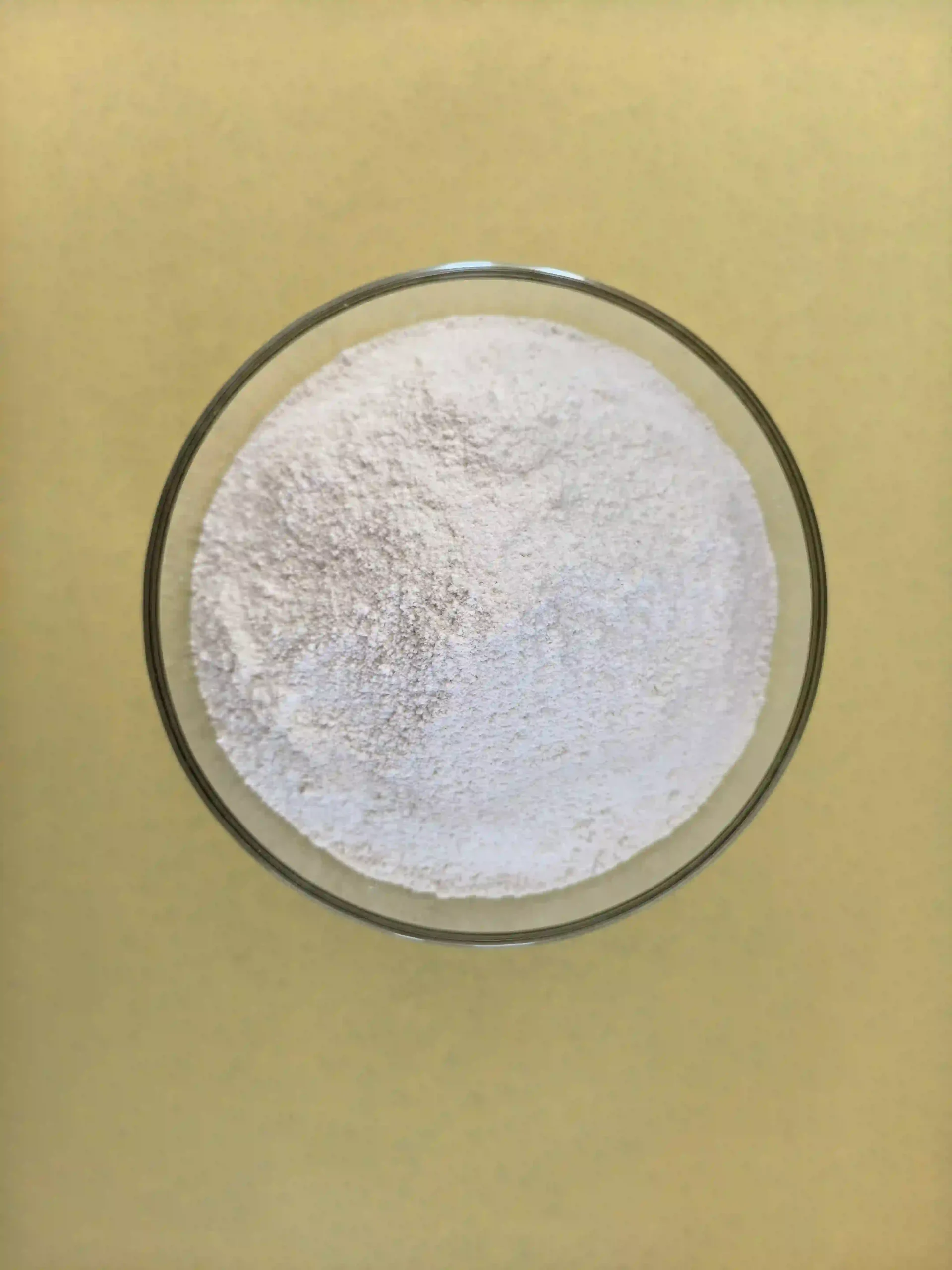
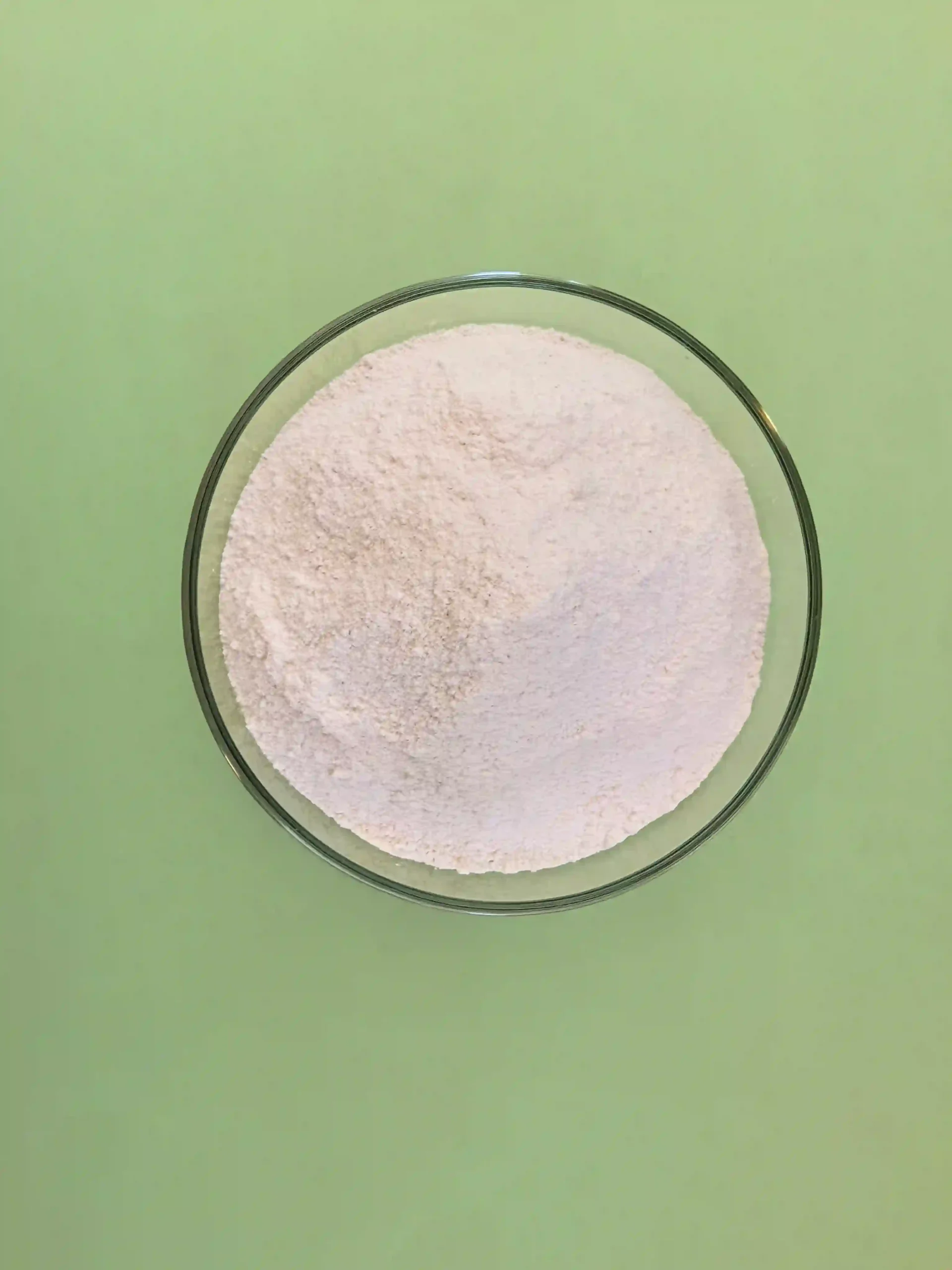
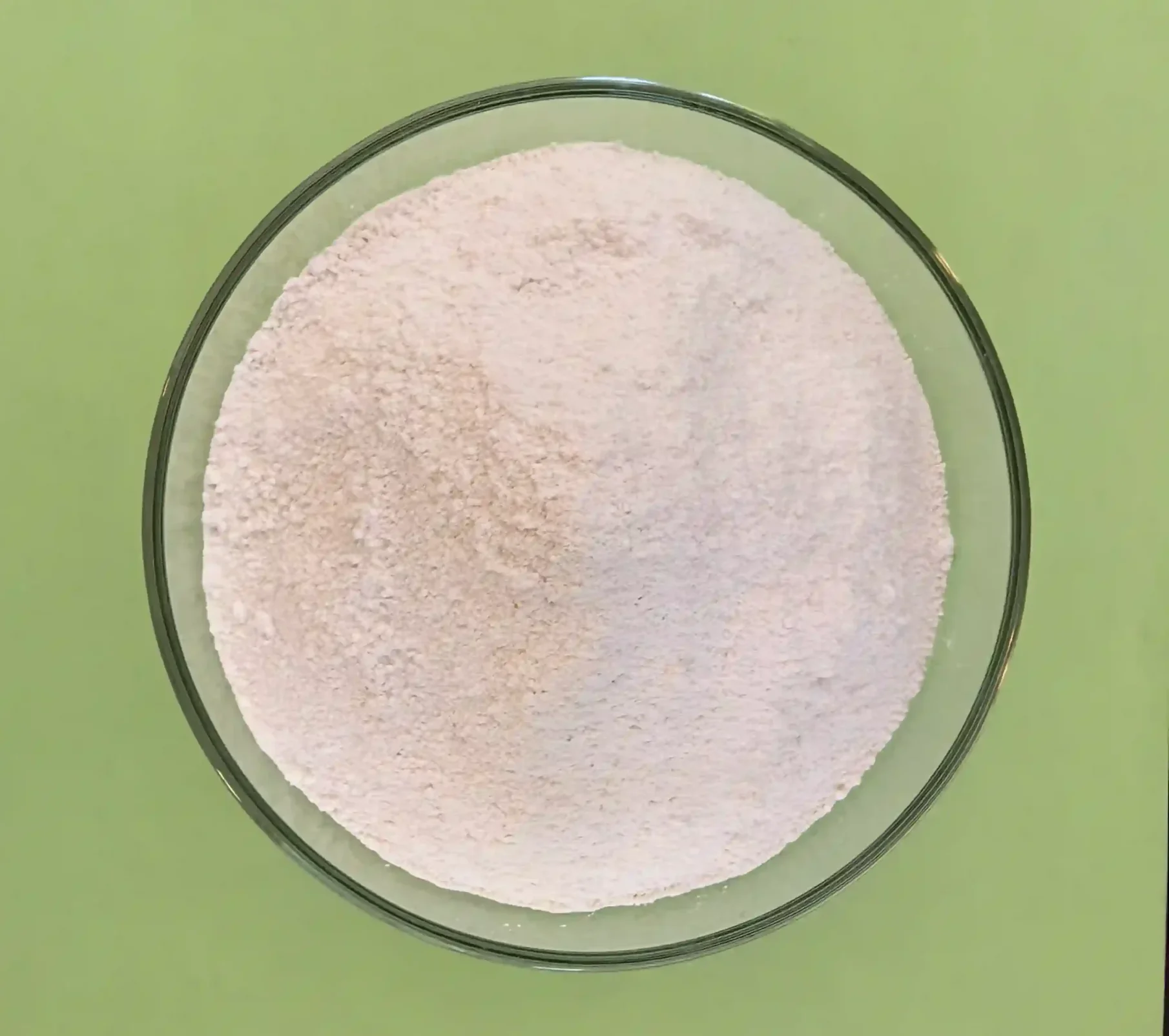
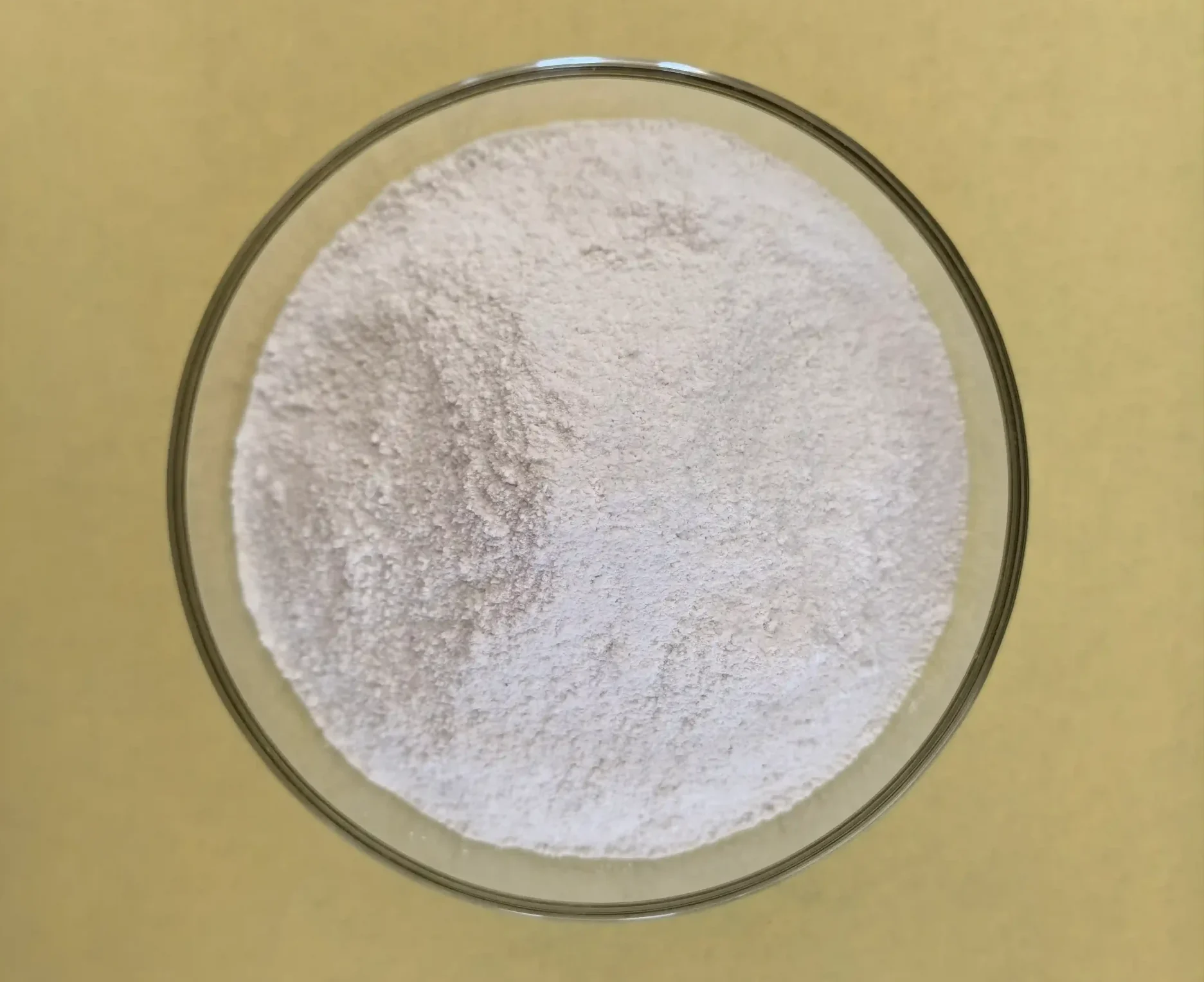
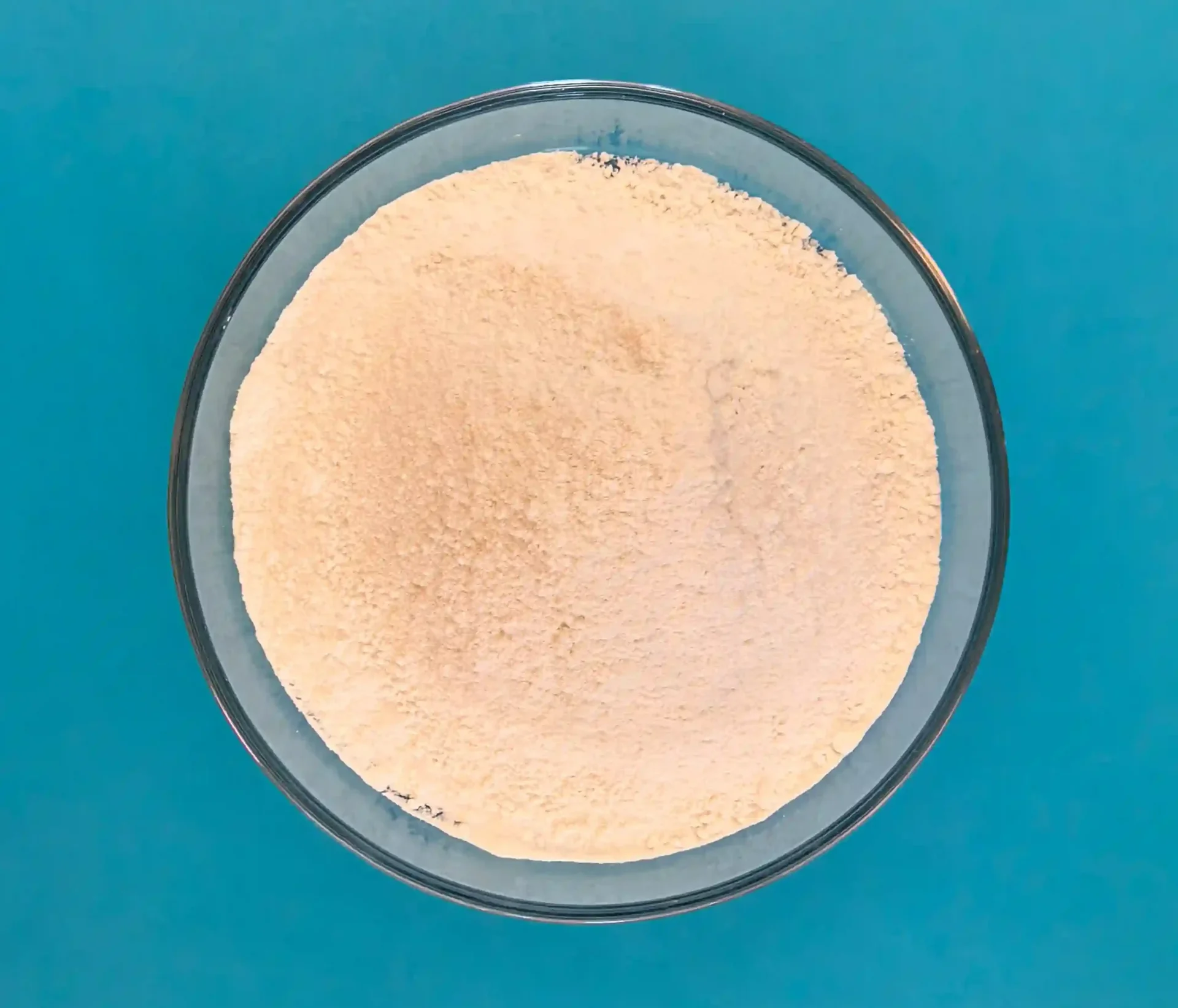
Active Zinc Oxide for Catalysis
Active zinc oxide, as a novel catalytic material with high activity and high specific surface area, exhibits excellent application value in the field of catalysis due to its unique crystal structure and surface properties. It possesses multiple functions, including acid-base catalysis, redox catalysis, and photocatalysis, and can be adapted to different types of catalytic reactions, making it widely used in key areas such as environmental remediation and energy conversion.
Based on its redox and photocatalytic properties, active zinc oxide plays a crucial role in environmental remediation, efficiently degrading harmful pollutants in industrial waste gas and wastewater, achieving green purification. Photocatalysis is an advanced oxidation process that utilizes light to degrade pollutants. Active zinc oxide, due to its excellent photosensitivity, band gap energy, non-toxicity, stability, and strong oxidizing properties, is used as a catalytic material in photocatalysis. As a photocatalyst, it can degrade organic pollutants such as formaldehyde, benzene, and dyes in wastewater under light irradiation, achieving a degradation efficiency of 85%-95%, completely decomposing harmful organic matter into carbon dioxide and water without secondary pollution; simultaneously, it can catalytically reduce heavy metal ions in wastewater, reducing their biotoxicity, thus meeting the wastewater purification needs of industries such as printing and dyeing and chemicals. Active zinc oxide can also catalyze the oxidation of carbon monoxide to carbon dioxide, reduce nitrogen oxides to produce nitrogen and water, and degrade VOCs (volatile organic compounds). It is suitable for applications such as automotive exhaust treatment and chemical waste gas treatment, reducing air pollutant emissions.
In the field of energy conversion, active zinc oxide can produce hydrogen through photocatalysis. By combining active zinc oxide with other semiconductor materials, it can catalyze the decomposition of water into hydrogen under light irradiation, improving the efficiency of photocatalytic hydrogen production.
Besides the above applications, active zinc oxide can also be used for catalysis in the chemical and food industries. In the synthesis of ammonia and methanol, it serves as an auxiliary catalyst, reducing reaction energy consumption; in the synthesis of food additives, it achieves highly efficient catalysis with no product residue, meeting food industry safety standards.