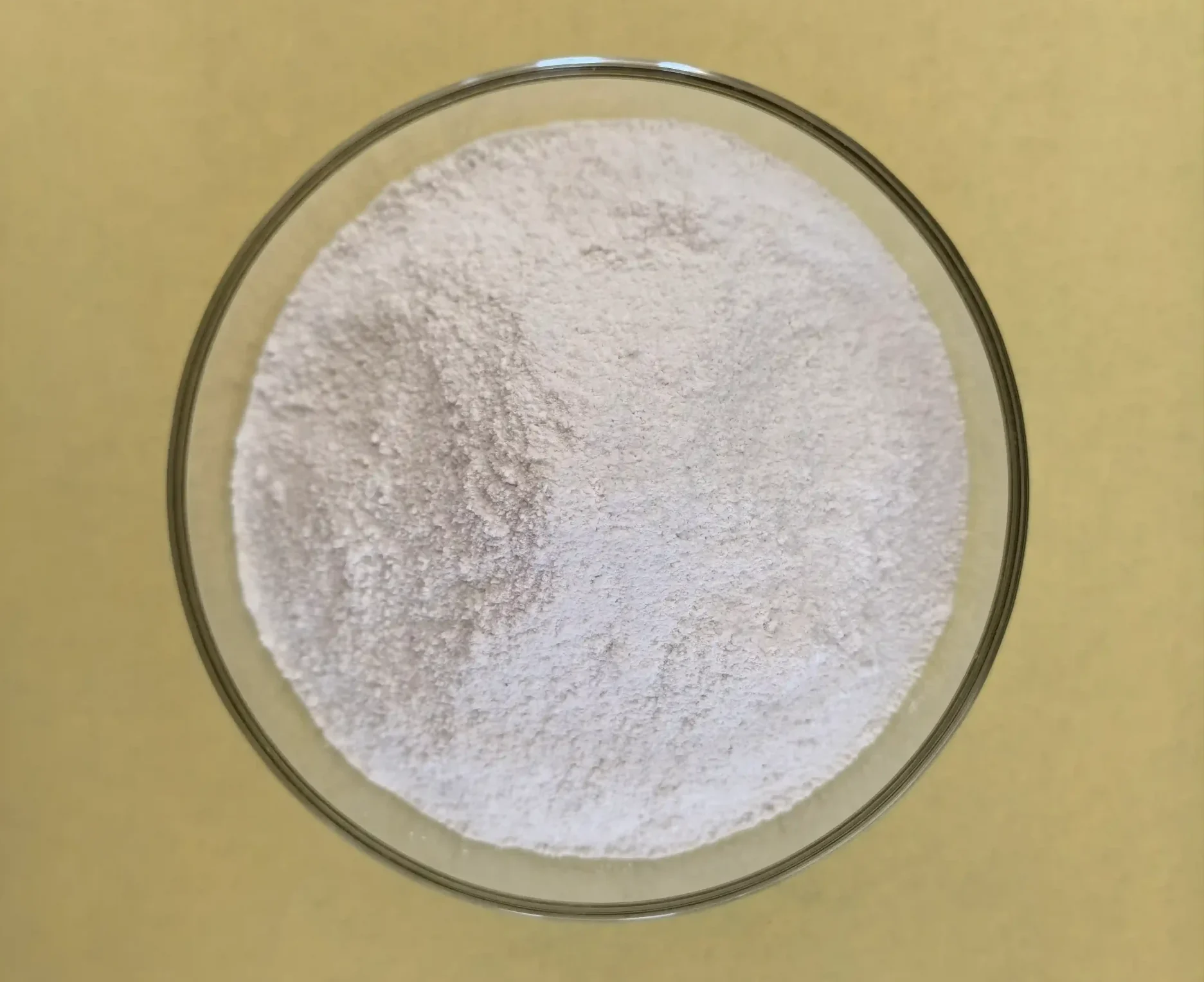
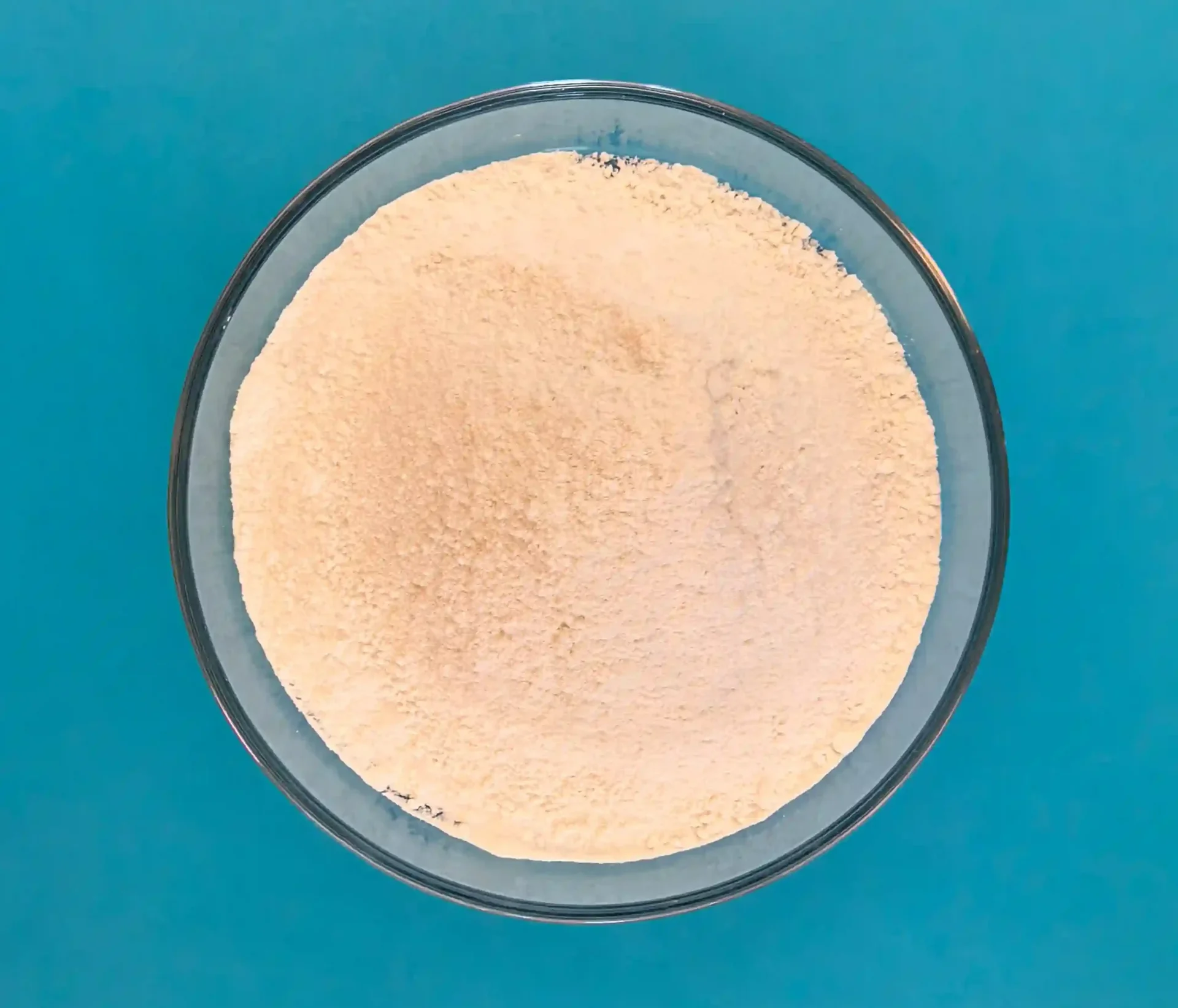
Active zinc oxide also exhibits significant synergistic effects with other additives in the foaming system (zinc stearate, calcium stearate, crosslinking agents, etc.), further optimizing the foaming effect and product performance. When active zinc oxide and zinc stearate are compounded in a certain ratio, the activation efficiency can be further improved, achieving optimal matching between the AC foaming agent gas release rate and the polymer melt strength, effectively avoiding defects such as pinholes and uneven cell formation, while also improving the dispersibility of active zinc oxide in the system. Active zinc oxide promotes the cross-linking reaction of peroxide cross-linking agents such as DCP, increases polymer melt strength, enhances the melt’s ability to encapsulate foaming gases, and reduces gas escape, thereby forming uniform and dense pores and improving the mechanical properties of foamed products, such as resilience and compression set.
Common applications of active zinc oxide foaming include EVA foamed products, PVC foamed products, and rubber foamed products. EVA foamed products include EVA shoe materials, EVA floor mats, and EVA anti-collision strips. Active zinc oxide can precisely match the processing temperature of EVA, solving common problems in EVA foaming such as pinholes, uneven pore size, and poor resilience. As a core activator in EVA shoe sole foaming, active zinc oxide produces uniform and fine pores, a soft feel, and excellent resilience, while also improving the abrasion resistance and anti-yellowing ability of the sole, meeting the quality requirements of sports shoes and casual shoes. It is the preferred additive in the field of shoe material foaming. PVC foam products include PVC foam sheets, PVC seals, and PVC artificial leather. Active zinc oxide can improve the uniformity of PVC foaming, reduce shrinkage and deformation during the foaming process, and improve the weather resistance and mechanical properties of the products, avoiding yellowing and embrittlement problems caused by PVC degradation. Rubber seals, rubber sponges, and foamed rubber soles are common rubber foam products. Adding active zinc oxide to the foaming agent can accelerate the simultaneous occurrence of rubber crosslinking and foaming, improving the elasticity, wear resistance, and anti-aging properties of rubber foam products, and reducing product deformation.
In conclusion, active zinc oxide, as a highly efficient activating agent in foaming systems, is becoming an increasingly popular choice for companies due to its excellent activation performance, good dispersibility, and environmental safety, enabling them to produce higher-quality, more environmentally friendly, and more competitive foam products.