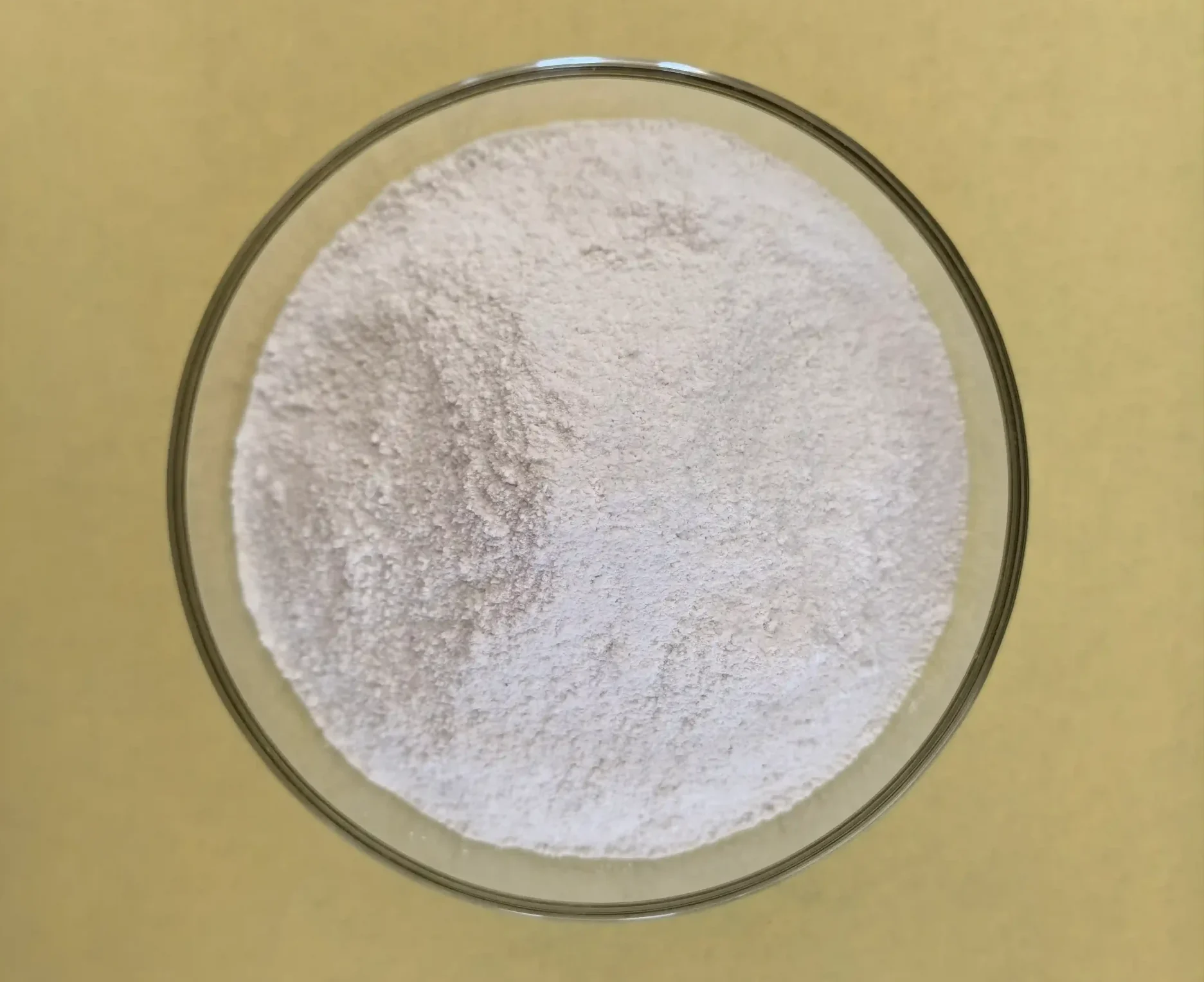
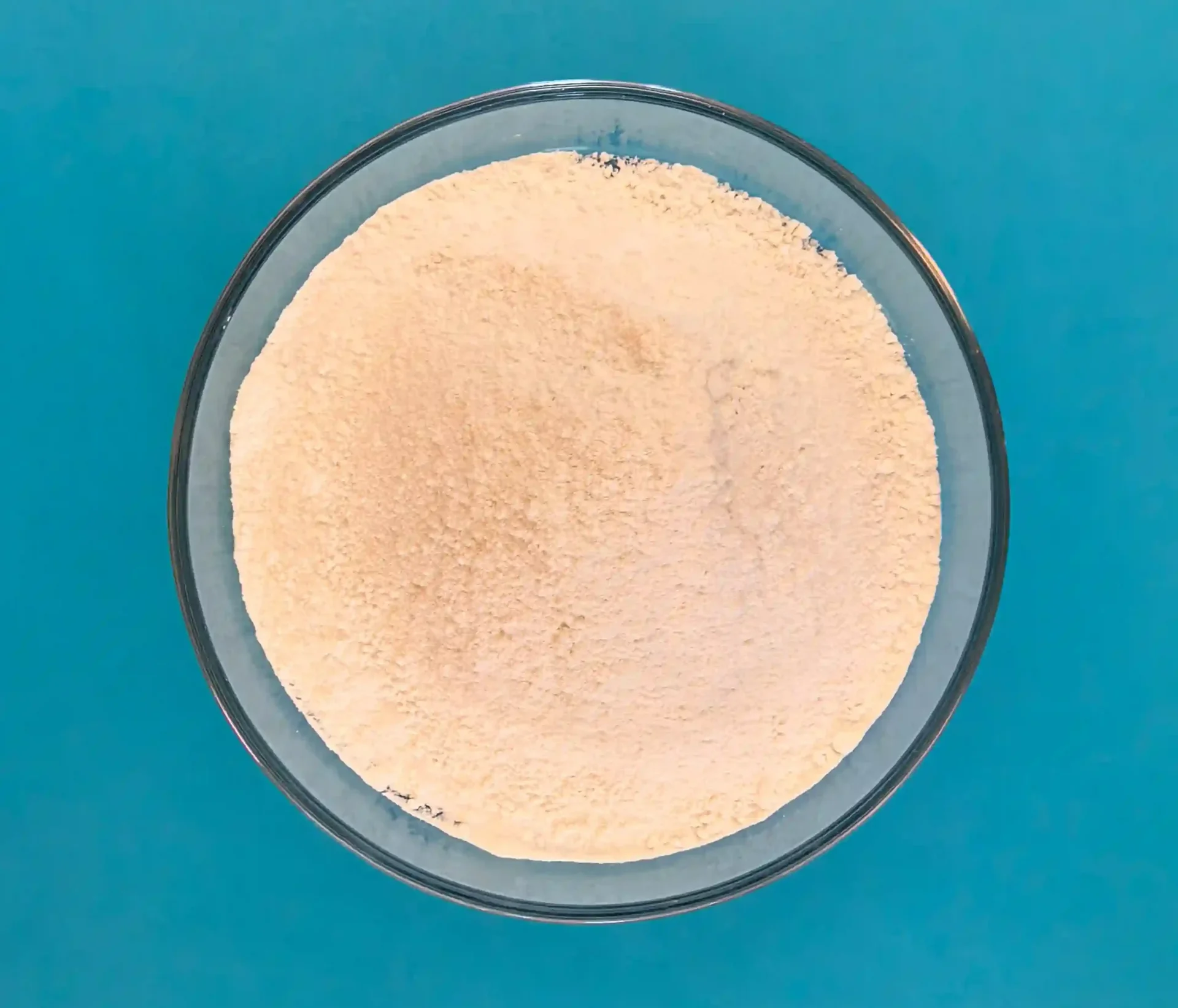
Active zinc oxide nano-grade can be rapidly absorbed by plants, releasing zinc ions to meet the nutritional needs of plant growth and promote growth. The use of active zinc oxide nano-grade also reduces planting costs, as its high migration rate allows only a small amount of fertilizer to achieve the same effect as traditional chemical fertilizers. Active zinc oxide nano-grade possesses excellent broad-spectrum antibacterial and antiviral properties. Its mechanism of action is to disrupt the cell membrane integrity of pathogens, inhibiting pathogen DNA replication and enzyme activity. It has significant control effects on common crop fungi (such as powdery mildew and downy mildew) and bacteria (such as bacterial angular leaf spot), with a bactericidal rate of over 95%. It also does not induce drug resistance and can replace some highly toxic chemical pesticides, reducing pesticide residues. To address soil heavy metal pollution and pesticide residues, activated zinc oxide nanoscale materials, with their high specific surface area, adsorption characteristics, and photocatalytic performance, can achieve soil purification and remediation. Their surface active sites can rapidly adsorb heavy metal ions (such as lead, cadmium, and chromium) in the soil, forming stable complexes, reducing the bioavailability of heavy metals, and decreasing crop absorption. Simultaneously, under natural light irradiation, they can photocatalytically degrade organic pesticide residues in the soil, improve soil physicochemical properties, enhance soil fertility, and provide a healthy soil environment for crop growth.
The medical field has high requirements for the safety and functionality of materials, and activated zinc oxide nanoscale materials meet these requirements. As a safe and functional material, activated zinc oxide nanoscale materials are non-toxic, possess excellent antibacterial, anti-inflammatory, and biocompatible properties, and are therefore used in medical dressings and topical preparations.
Traditional medical dressings (such as gauze) have weak antibacterial properties, easily leading to bacterial growth, wound infection, and slow healing. Active zinc oxide nano-grade effectively solves this problem—its broad-spectrum antibacterial properties can rapidly kill common pathogens such as Escherichia coli and Staphylococcus aureus on the wound surface. Active zinc oxide nano-grade is a core raw material for medical topical preparations, widely used in zinc oxide ointments, creams, and lotions, primarily for treating skin problems such as eczema, dermatitis, diaper rash, and sunburn. Its mechanism of action involves forming a protective film to isolate external irritants while exerting antibacterial, anti-inflammatory, and astringent effects, relieving symptoms such as redness, itching, and exudation.
The textile industry has increasingly higher demands for antibacterial, UV-resistant, washable, and environmentally friendly properties in fabrics. The antibacterial properties, UV-blocking properties, and compatibility of active zinc oxide nano-grade can be integrated into fabrics through in-situ growth, coating, and spinning, giving the fabrics multiple functions. These fabrics are widely used in medical textiles and everyday clothing.
Bacterial growth is a common problem in textile fabrics, especially medical textiles (surgical gowns, nurses’ uniforms), underwear, and socks, which are prone to bacterial growth, producing odors and causing skin infections. Activated zinc oxide nanoscale materials can be grown in situ as uniform and continuous nanofilms on the fabric surface through methods such as sol-gel-low-temperature heat treatment. This imparts broad-spectrum antibacterial properties to the fabric while maintaining its breathability and softness, without affecting the wearing experience. With the depletion of the ozone layer, the amount of ultraviolet radiation reaching the Earth’s surface is increasing daily. The demand for UV-protective fabrics has increased significantly. Incorporating activated zinc oxide nanoscale materials into textiles can produce lightweight, breathable, and aesthetically pleasing UV-protective fabrics that effectively block harmful UV rays from damaging human skin. These fabrics also possess advantages such as strong weather resistance and resistance to decomposition, maintaining good UV protection even after long-term use.
Besides the applications mentioned above, there are many other research areas for activated zinc oxide nanoscale materials waiting to be explored. For example, research on the application of activated zinc oxide nanoscale in maintaining the quality of fruits and vegetables after harvesting reveals that, as a novel inorganic nanomaterial, activated zinc oxide nanoscale can leverage its antibacterial properties, high photocatalytic efficiency, biocompatibility, and environmental friendliness to preserve fruits and vegetables. It can also be combined with other materials to form composite coatings, active packaging, and other preservation technologies for fruit and vegetable preservation. With continuous technological advancements and the ongoing expansion of application scenarios, active zinc oxide nano-grade will further overcome performance bottlenecks, optimize application solutions, and unlock more cross-disciplinary value.