Product Categories
In the modern rubber industry, additive technology is a crucial factor determining product performance, processing efficiency, service life, and cost control. Zinc oxide is an important additive in the rubber industry, playing roles such as vulcanizing agent, activator, and crosslinking agent, and is one of the most fundamental and core additives in rubber products.
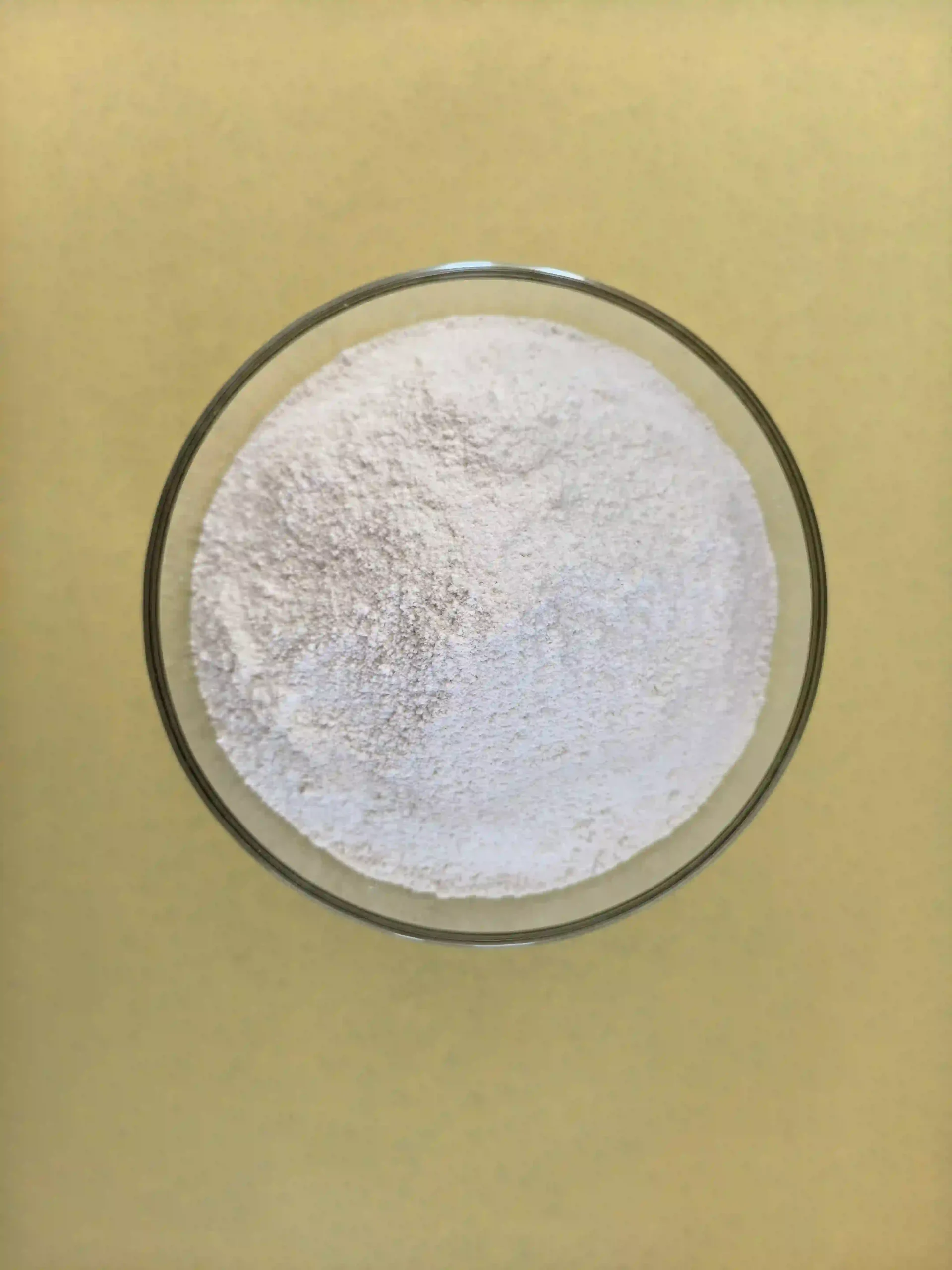
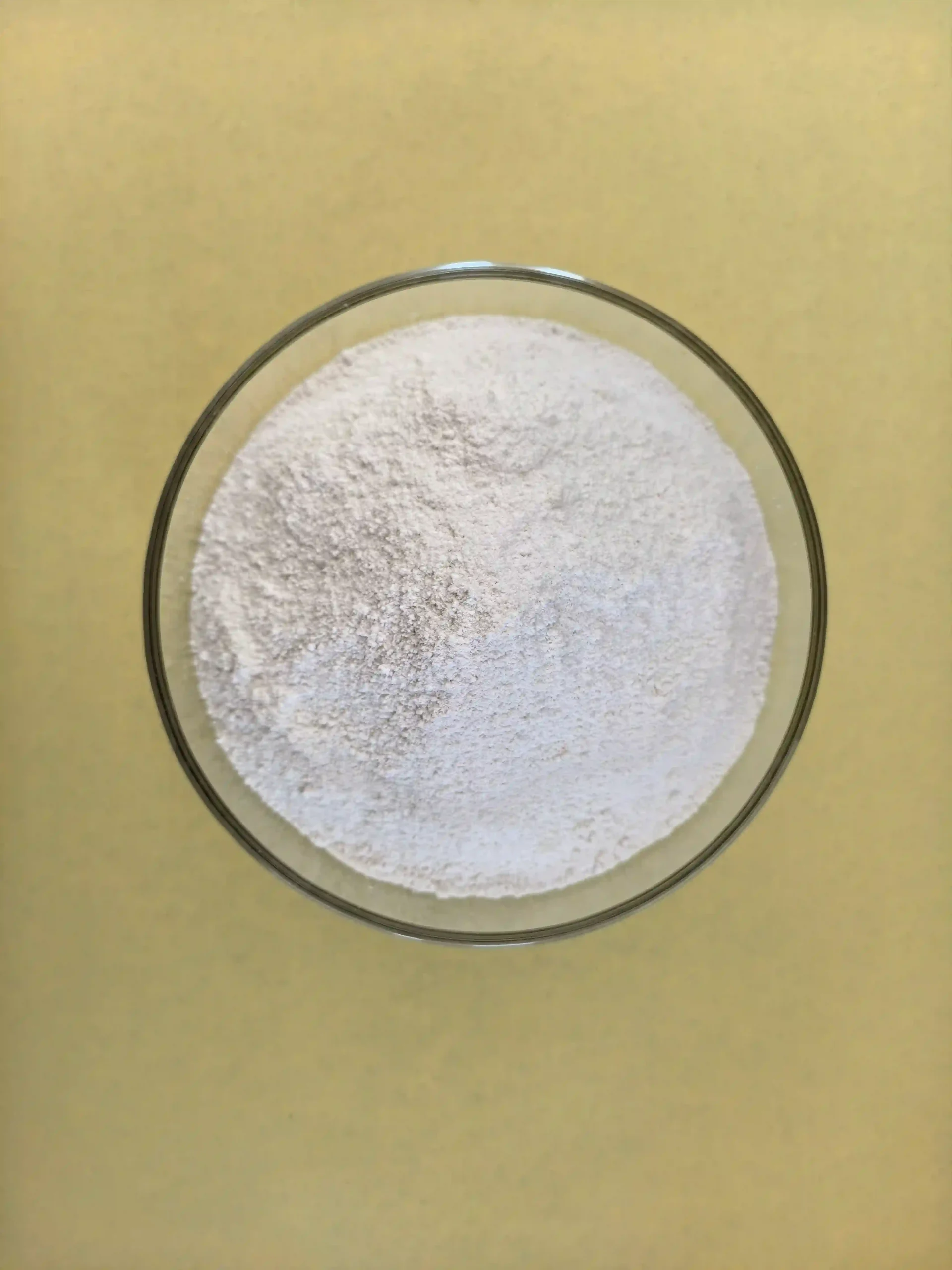
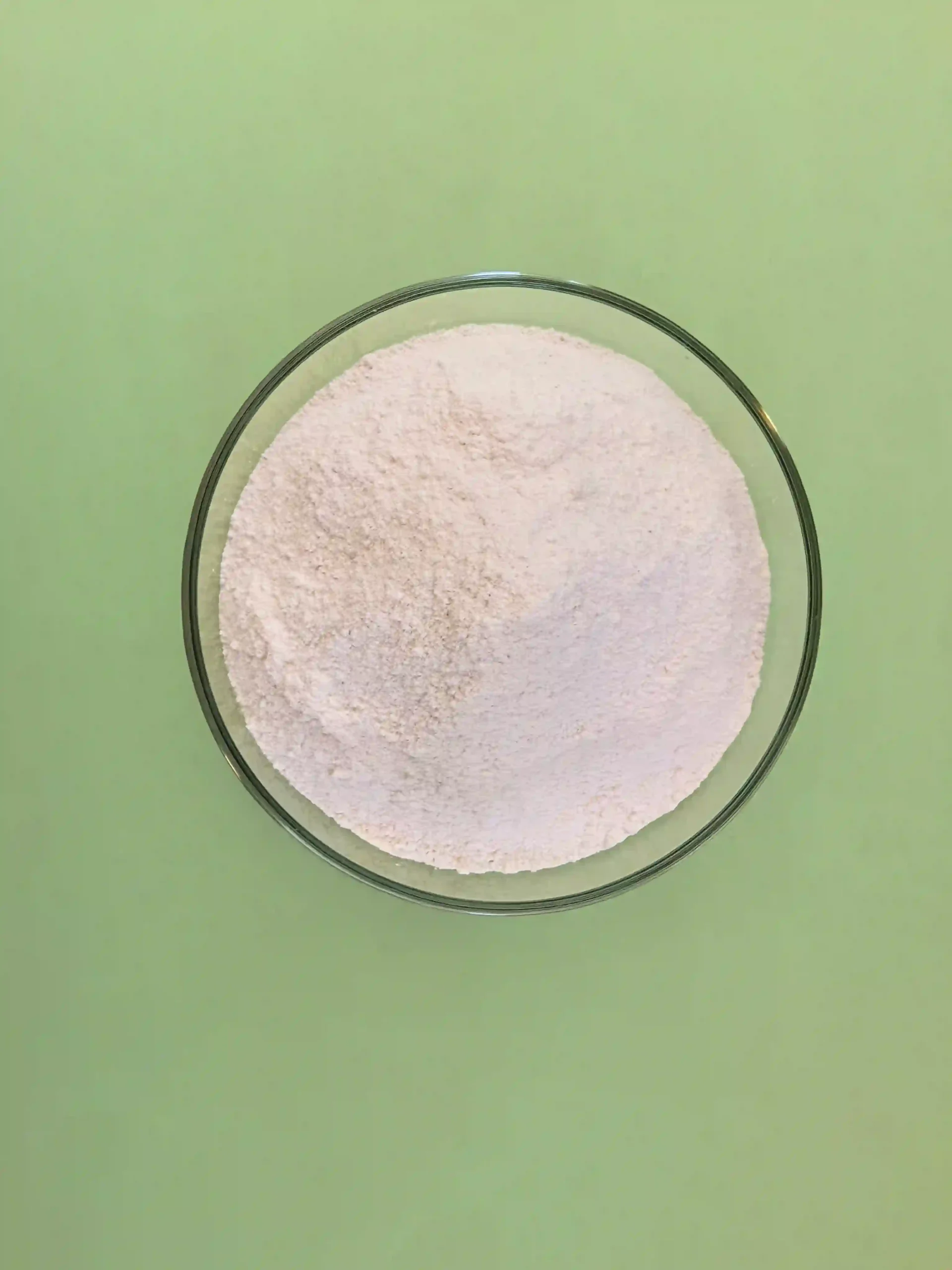
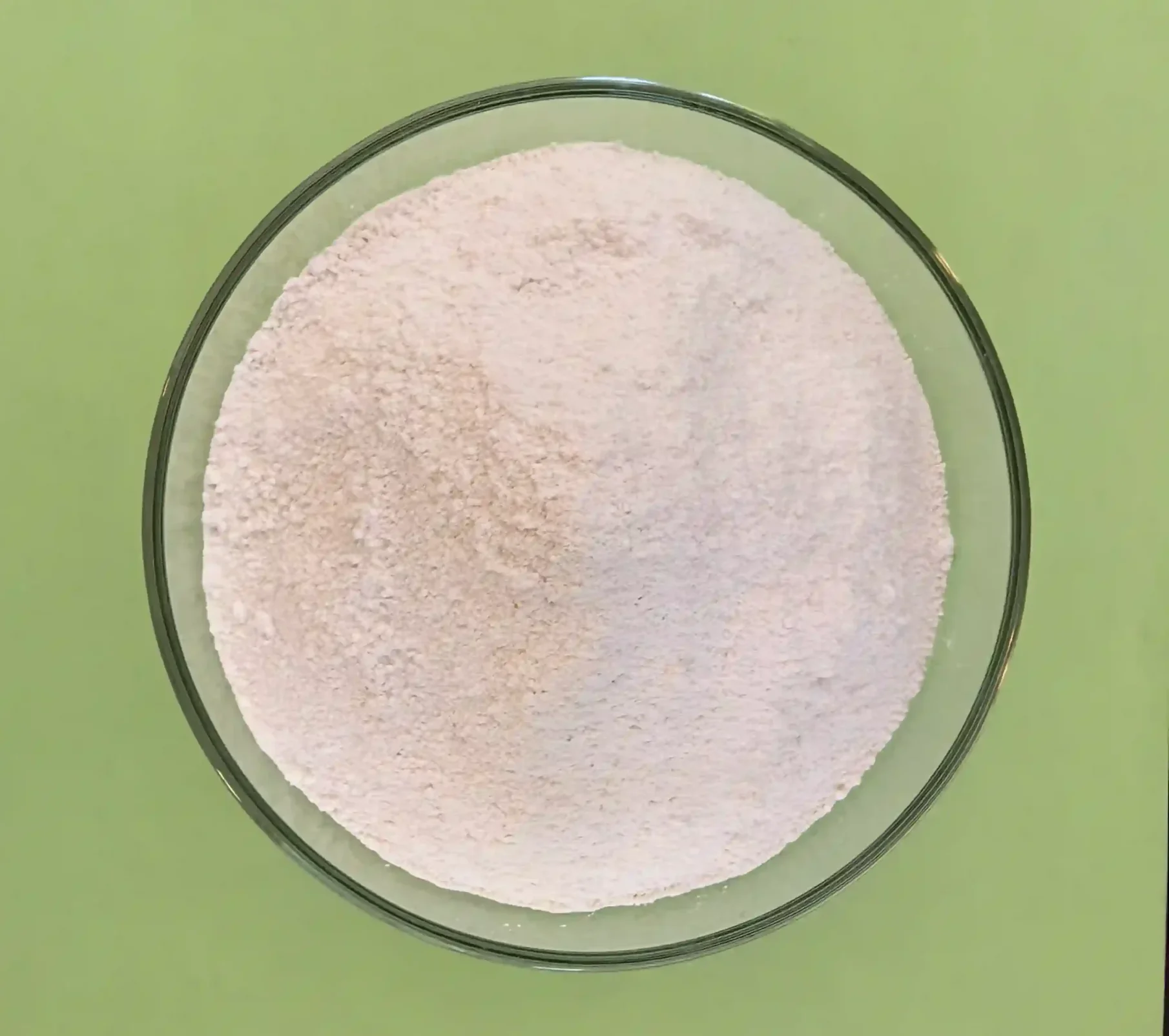
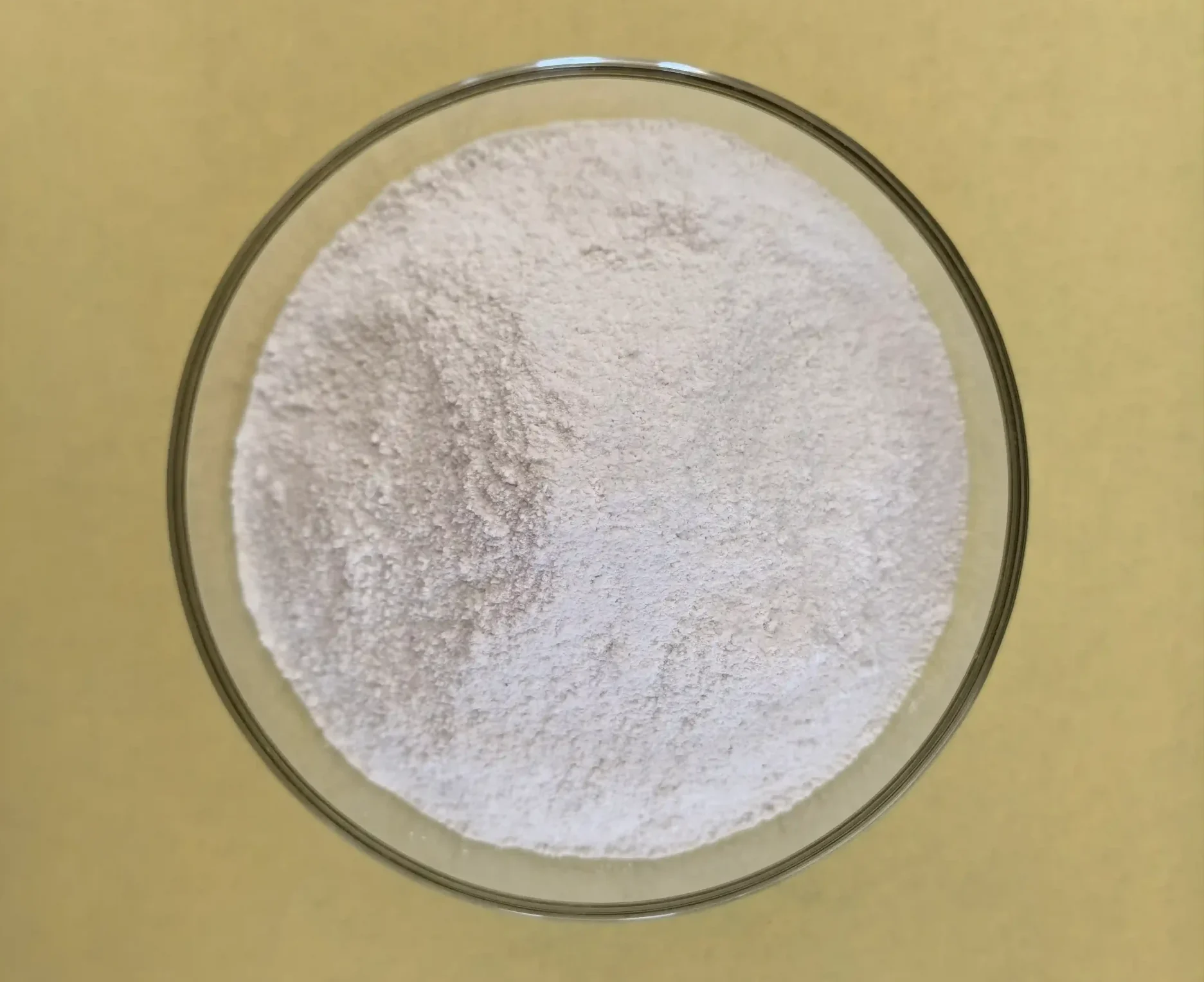
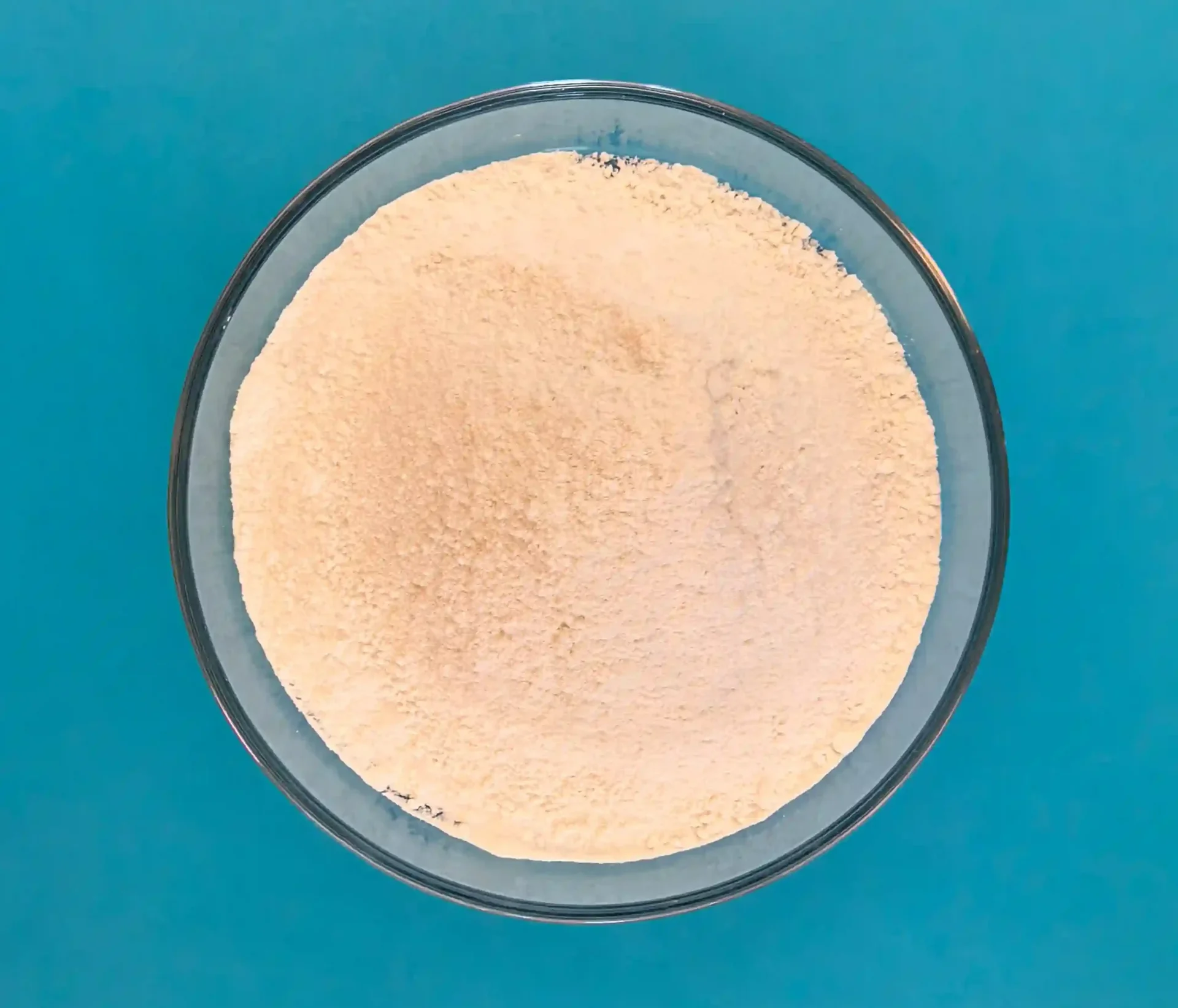
Active zinc oxide rubber grade, with its controllable particle size, large specific surface area, strong adsorption activity, excellent dispersibility, and strong compatibility, has become an indispensable functional material for rubber products. Compared with traditional zinc oxide, active zinc oxide rubber grade, in addition to these characteristics, also has the advantages of low heavy metal content and low dosage, making it more environmentally friendly and fully meeting the dual requirements of the modern rubber industry for product quality and environmental protection. Therefore, activated zinc oxide is widely used in various rubber product fields.
As one of the most widely used categories in the rubber industry, extruded rubber products encompass a wide range of products, including sealing strips, hoses, cable sheaths, and door and window sealing strips. Their production processes place extremely high demands on the flowability, molding stability, and surface smoothness of the rubber compound. The application of active zinc oxide rubber grade in extruded products solves many of the shortcomings of traditional additives. In the extrusion molding process, active zinc oxide rubber grade can fully integrate with rubber molecules, improving the processing rheological properties of the rubber compound, reducing its Mooney viscosity, and enhancing its flowability and formability. This ensures that extruded products have smooth surfaces, are burr-free, and have precise dimensions, effectively reducing scrap rates caused by poor molding.
For example, automotive sealing strips, as a typical example of extruded products, need to possess good elasticity, aging resistance, and sealing performance to withstand the complex environments encountered during vehicle operation, such as high and low temperatures, ultraviolet radiation, and acid rain. Adding active zinc oxide rubber grade significantly improves the vulcanization efficiency and cross-linking density of the sealing strips, resulting in a marked improvement in their tensile strength, elongation at break, and other mechanical properties. Simultaneously, weather resistance and ozone resistance are greatly enhanced, effectively resisting external environmental corrosion, extending the service life of the sealing strips, and ensuring the sealing performance and driving safety of automobiles. For rubber hoses, the addition of active zinc oxide rubber grade can improve the hose’s wear resistance and tear resistance, enabling it to withstand higher pressures and media corrosion, making it suitable for various harsh scenarios such as industrial conveying and automotive braking. Furthermore, activated zinc oxide rubber grade can improve the scorch resistance of extruded rubber compounds, extend their shelf life, and facilitate production scheduling, making it particularly suitable for large-scale continuous extrusion production and improving production efficiency.
Rubber ball products (such as basketballs, soccer balls, volleyballs, and rubber toy balls) have special requirements for the elasticity, abrasion resistance, and airtightness of rubber materials, directly affecting the ball’s feel, bounce performance, and lifespan. In ball rubber production, activated zinc oxide rubber grade optimizes the vulcanization system, making the rubber molecules more uniformly and tightly cross-linked, thereby improving the rubber’s elasticity and resilience, giving the ball superior bounce and feel, while also enhancing the rubber’s toughness and tear resistance, preventing problems such as cracking and air leakage during use.
Taking basketballs as an example, both the inner bladder and outer skin are made of rubber. The inner bladder needs excellent airtightness and elasticity, while the outer skin needs good abrasion resistance and slip resistance. Adding active zinc oxide rubber grade improves the vulcanization quality of the inner bladder rubber, significantly enhancing its airtightness and effectively preventing air leakage, thus extending the basketball’s lifespan. The outer rubber’s abrasion resistance and tear resistance are greatly improved, resisting friction and impact during long-term use while maintaining good elasticity and anti-slip properties, enhancing the user experience. For rubber toys, the low heavy metal content of active zinc oxide rubber grade meets environmental standards, ensuring the production of non-toxic toy balls suitable for children.
Conveyor belts, as core equipment for material transport in industrial production, are widely used in mining, metallurgy, chemical, and port industries. Their working environment is complex, requiring them to withstand prolonged friction, impact, tension, and corrosion from acids, alkalis, and high temperatures, similar to sealing strips. Therefore, extremely high requirements are placed on the abrasion resistance, tear resistance, aging resistance, and corrosion resistance of the rubber cover layer. The application of active zinc oxide rubber grade in conveyor belt rubber can significantly improve the service life and operational stability of the conveyor belt, reducing maintenance costs for enterprises. Conveyor belt cover rubber with added active zinc oxide rubber grade shows improved tensile strength, tear strength, and abrasion resistance.
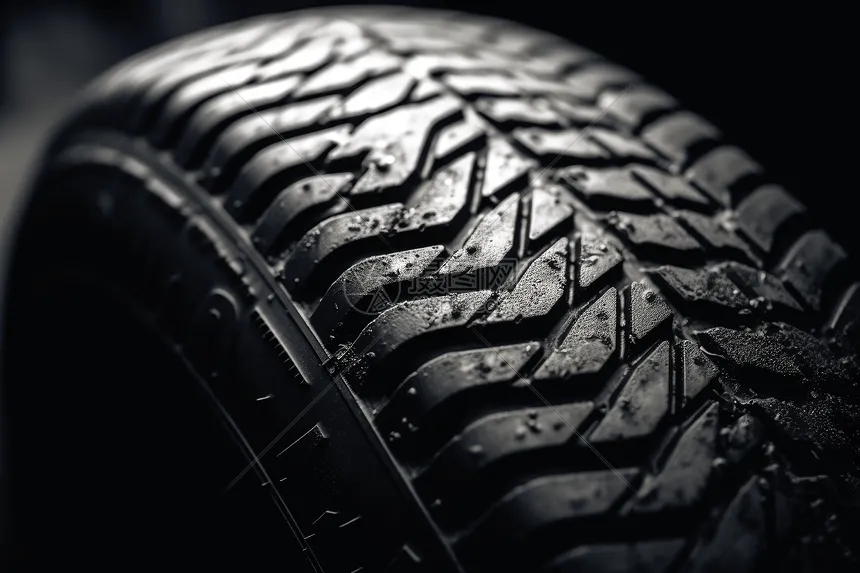
Tires, as a core product of the rubber industry, directly impact driving safety and user experience. Active zinc oxide rubber grade plays an irreplaceable role in tire production (including inner and outer tires, and all-steel/semi-steel radial tires). The tire manufacturing process involves complex rubber formulations with extremely high requirements for vulcanization efficiency, mechanical properties, aging resistance, and wear resistance. Active zinc oxide rubber grade optimizes the vulcanization system, comprehensively improving the overall performance of tires and contributing to the creation of high-performance, safe, and durable tire products.
In inner tube production, active zinc oxide rubber grade accelerates the rubber vulcanization reaction, improving the airtightness and elasticity of the inner tube, reducing problems such as leaks and bulges. It also enhances the aging resistance and temperature resistance of the inner tube, enabling it to adapt to changes in high and low temperatures and extending its service life. In outer tire production, the role of active zinc oxide rubber grade is even more crucial, especially for all-steel/semi-steel radial tires. As a core load-bearing component of the tire, it requires extremely high wear resistance, tear resistance, impact resistance, and aging resistance. Adding active zinc oxide rubber grade reduces the zinc content, achieving a zinc reduction and quality improvement effect. This significantly increases the cross-linking density of the tire rubber, greatly enhancing tensile strength, tear strength, and abrasion resistance. It effectively resists friction, impact, and compression during tire operation, reducing tire wear and the risk of blowouts.
For all-steel radial tires, whose skeleton material is steel cord, an active zinc oxide rubber grade improves the adhesion between the rubber and steel cord, strengthening the bond between them and preventing separation. This avoids tire delamination and other defects, extending tire life. For semi-steel radial tires, which are lighter and have lower rolling resistance, active zinc oxide rubber grade improves their abrasion resistance and tear resistance while optimizing the rubber’s elasticity and toughness, reducing rolling resistance and improving fuel economy.
Foamed rubber products (such as sponge rubber, foam sealing strips, and rubber foam pads) are widely used in construction, automotive, home appliance, and furniture industries due to their lightweight, softness, sound insulation, and shock absorption properties. Their core performance depends on the foaming effect and cell structure of the rubber. The application of activated zinc oxide rubber grade in foamed rubber effectively optimizes the foaming process, enhances the overall performance of foamed rubber, and creates high-quality foamed products. In foamed rubber production, activated zinc oxide rubber grade acts as a vulcanization activator, working synergistically with foaming agents, vulcanization accelerators, and other compounding agents to control foaming speed and cell size, resulting in uniform cell distribution and a dense structure. This avoids problems such as excessively large cells, cracking, and collapse, thus improving the elasticity, toughness, and compressive strength of the foamed rubber.
Besides the aforementioned rubber products, activated zinc oxide rubber grade possesses many other advantages, making it irreplaceable in the rubber industry. Environmentally, the use of activated zinc oxide rubber grade reduces the emission of heavy metal zinc. Furthermore, its production process employs green technology, with no harmful gases or wastewater emissions, aligning with the national “dual-carbon” strategy and green manufacturing requirements, promoting the sustainable development of the rubber industry. In terms of performance, its excellent dispersibility, high activity, and synergistic effect comprehensively improve the mechanical properties, aging resistance, and abrasion resistance of rubber products, extending their service life.
In summary, active zinc oxide rubber grade plays a crucial role in various rubber products, including extruded products, molded products, ball products, rubber conveyor belts, tires (inner and outer tires, all-steel/semi-steel radial tires), and foamed rubber, due to its core characteristics of high activity, easy dispersion, environmental protection, and high efficiency. It can improve product performance, extend service life, reduce production costs, and achieve green environmental protection, making it a valuable helper for the modern rubber industry.