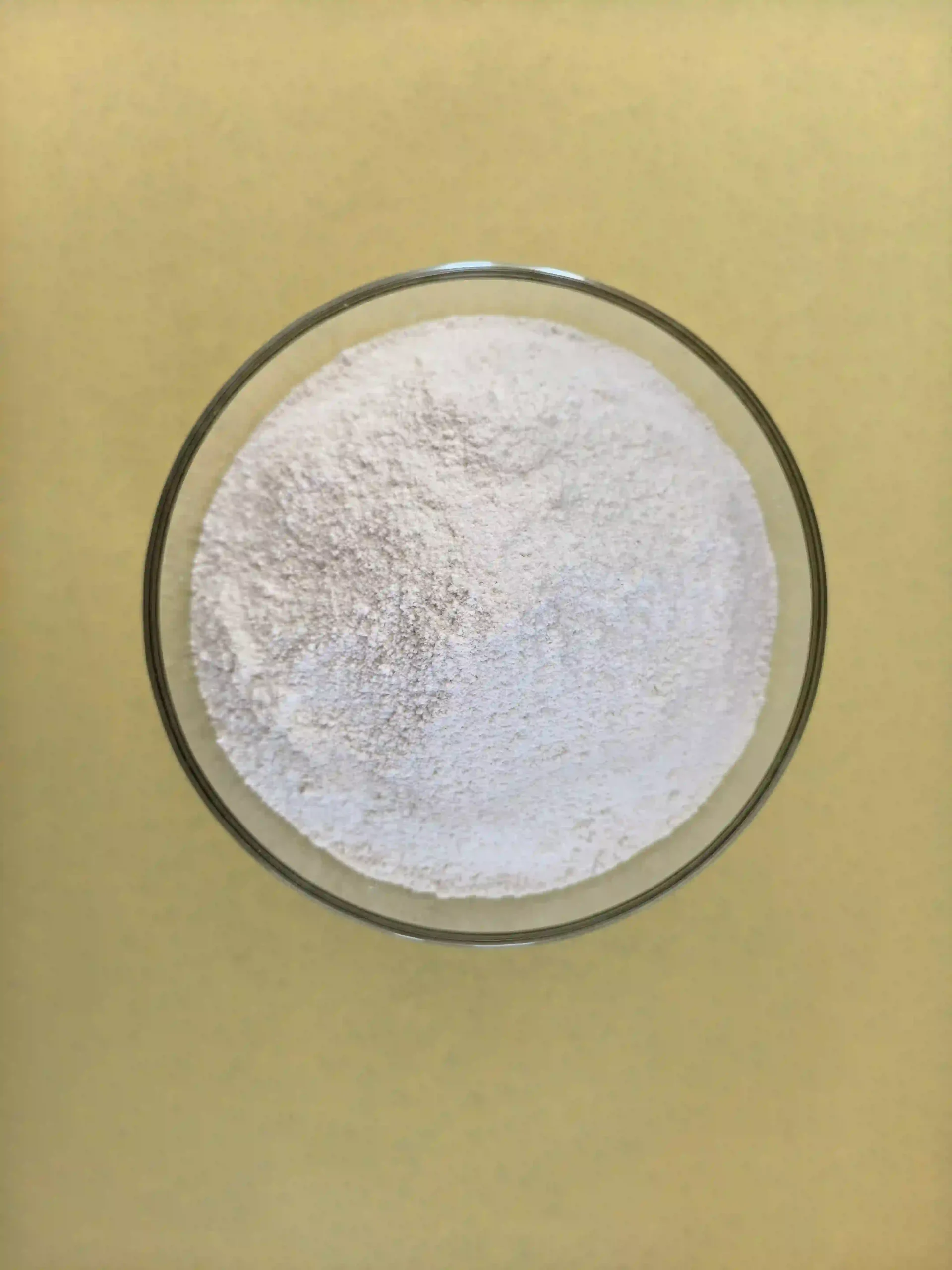
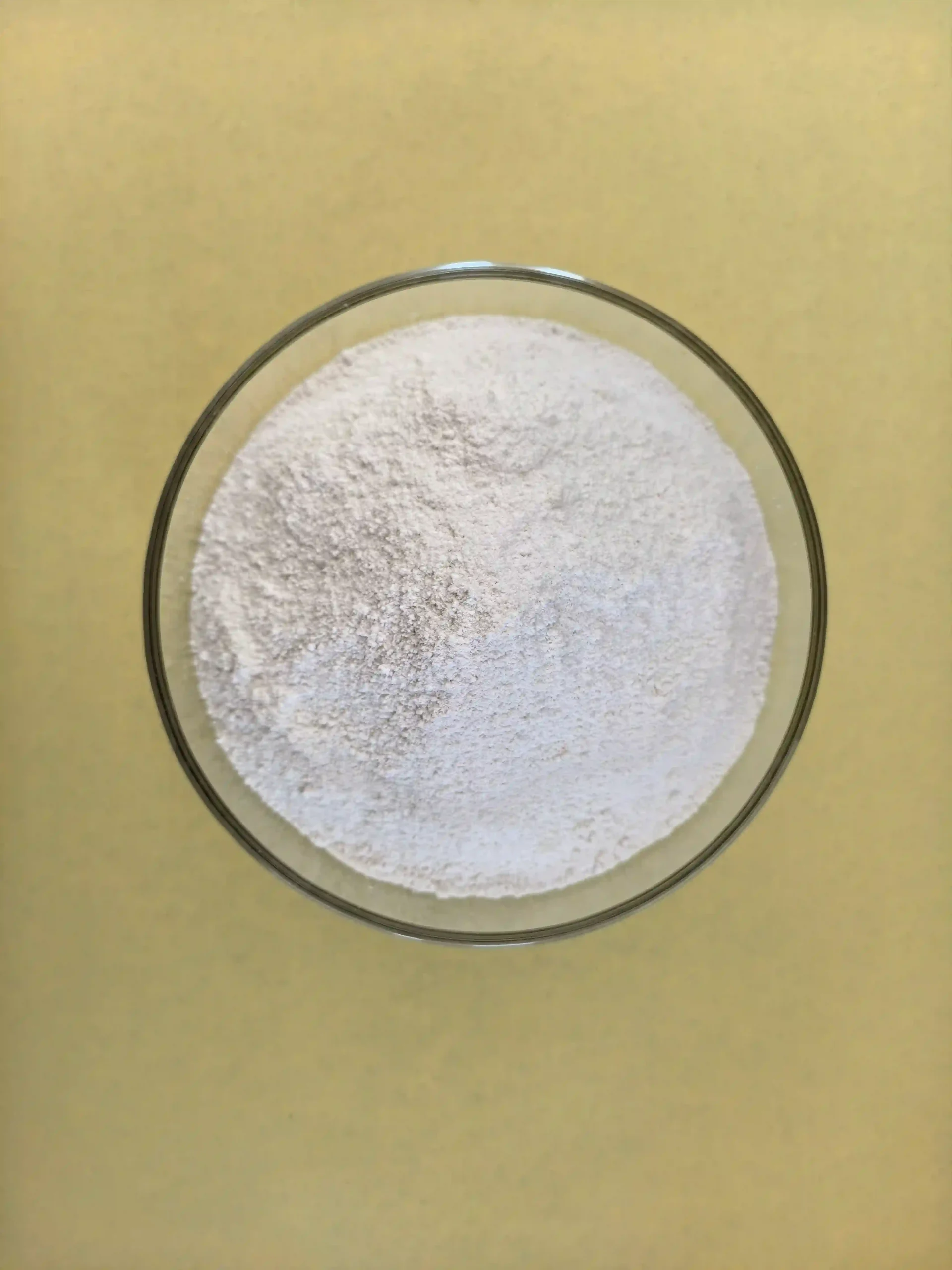
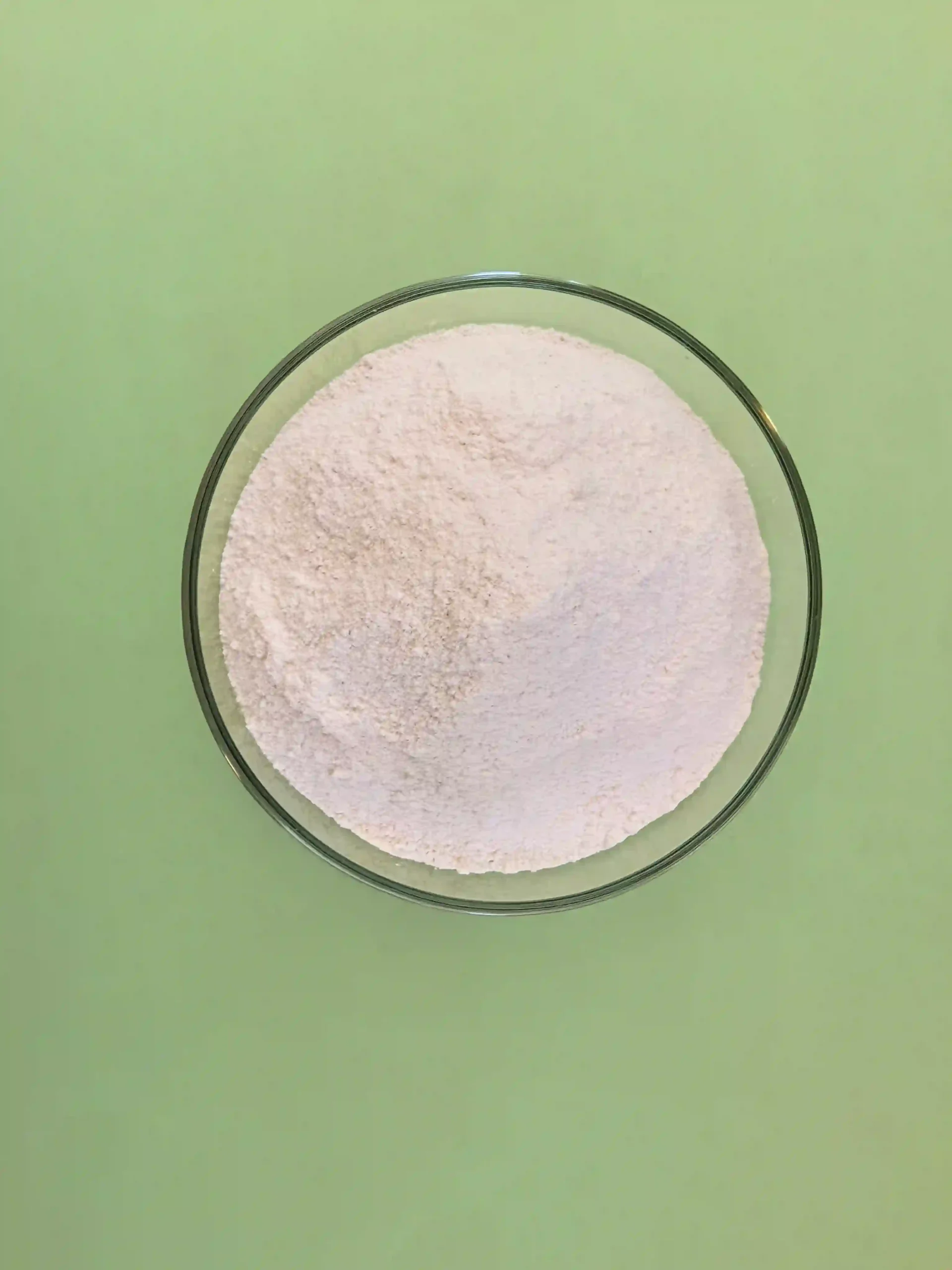
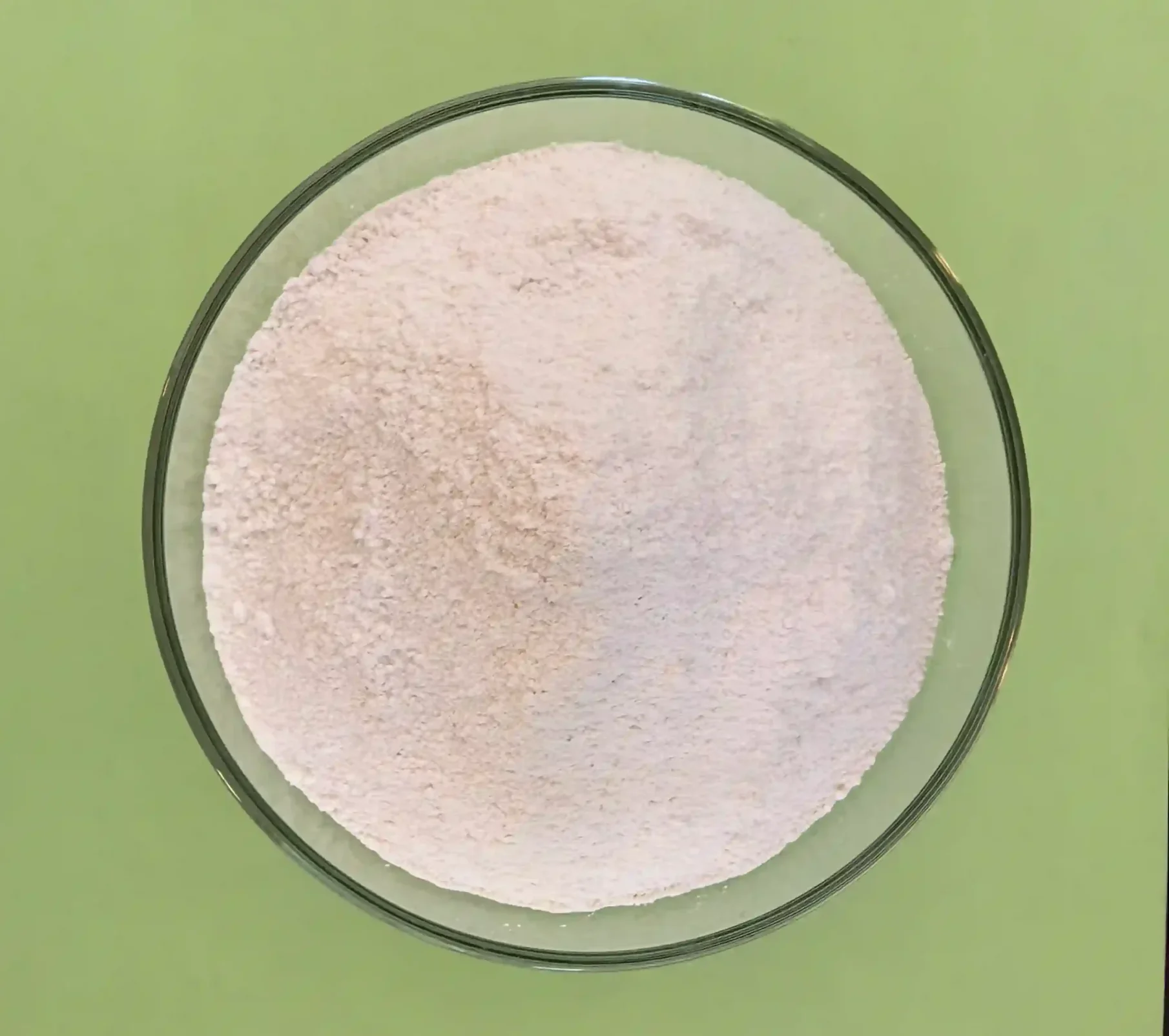
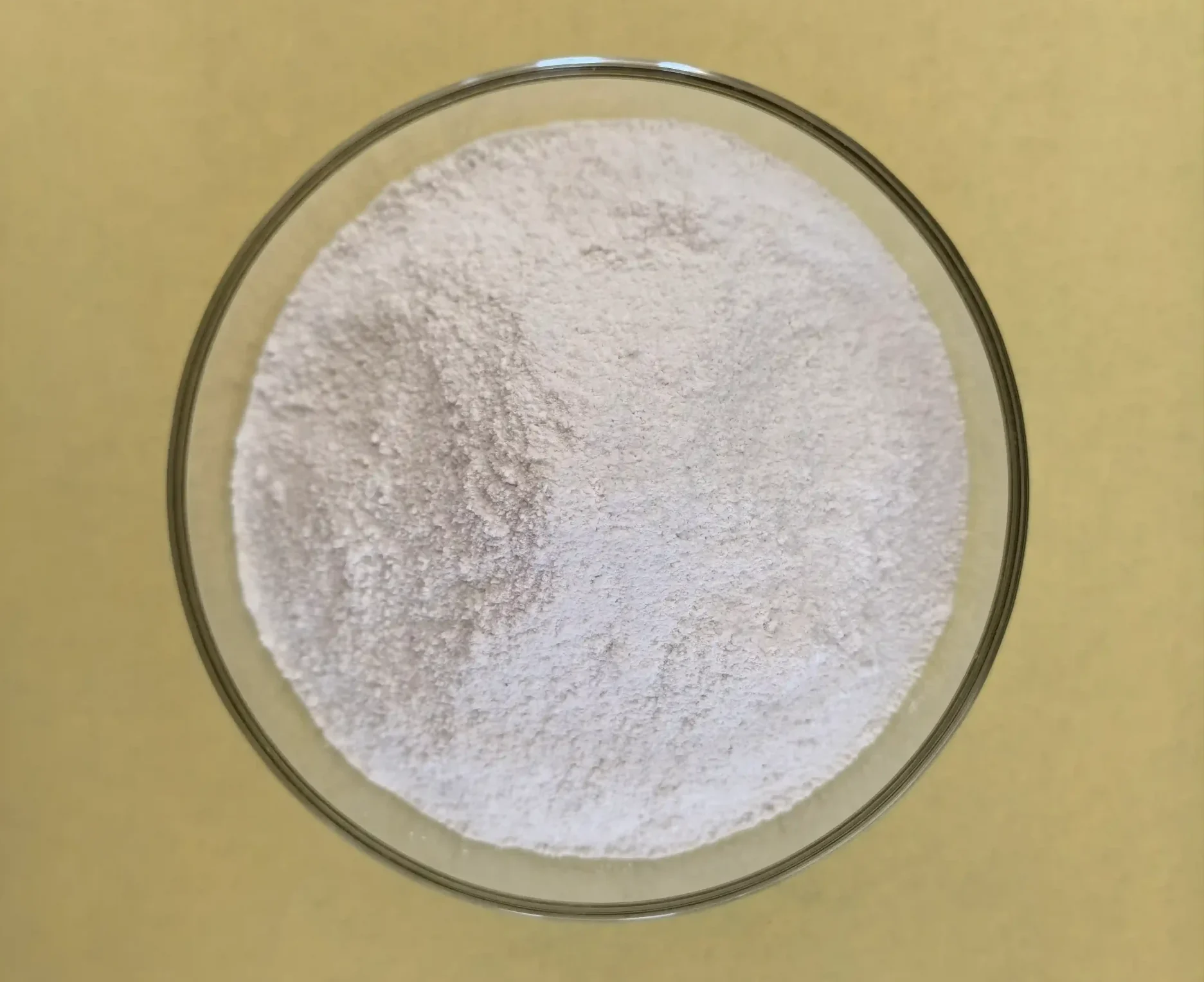
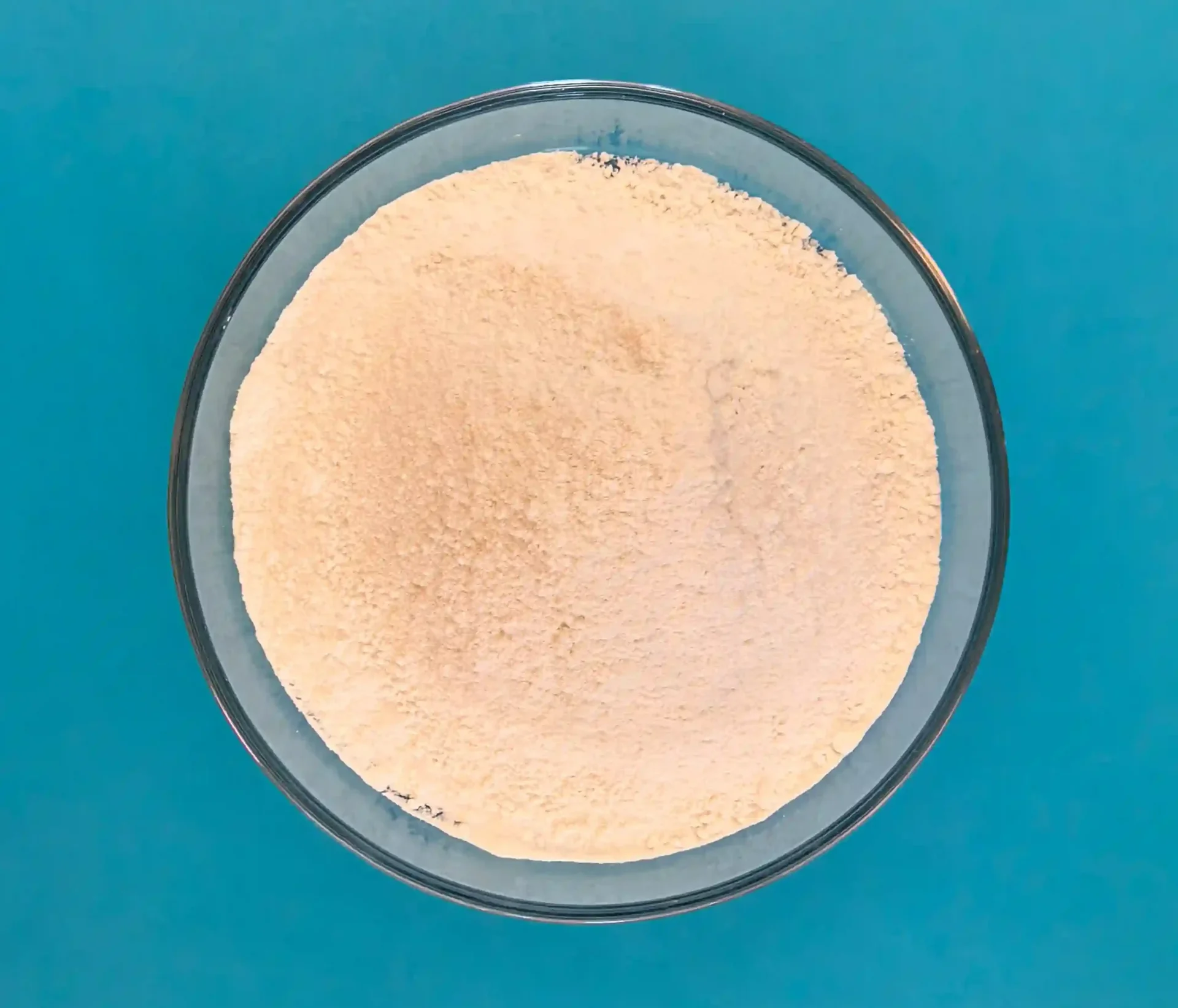
Zinc carbonate, with the chemical formula ZnCO₃, is an important inorganic zinc compound that exists in nature as smithsonite. It is a white crystalline or powdery solid, insoluble in water but soluble in acidic and alkaline solutions.
Basic Information
Chemical Formula: ZnCO₃
Appearance: White, odorless powder or crystals
Density: Approximately 4.4 g/cm³
Solubility: Insoluble in water and ethanol; soluble in dilute acids, alkalis, and ammonia.
Stability: It begins to decompose upon heating to approximately 140°C and completely decomposes into zinc oxide (ZnO) and carbon dioxide (CO₂) at around 300°C. This is one of its most important chemical properties.
Structure and Forms of Occurrence
In Nature: Primarily found in the mineral smithsonite. Pure smithsonite crystals can be used as gemstones or ornamental stones.
Industrial Applications: Industrially produced zinc carbonate is usually not simple ZnCO₃, but basic zinc carbonate, with a chemical formula approximately Zn₅(CO₃)₂(OH)₆ or ZnCO₃·2Zn(OH)₂·H₂O.
This is because during the preparation process, zinc ions readily form more stable basic salts with water and carbon dioxide. The “zinc carbonate” mentioned in everyday and industrial applications usually refers to this basic zinc carbonate.
Zinc Carbonate
Zinc carbonate can be used in transparent rubber products, colored rubber and plastic foam products, etc.
Rubber Industry: Core use. As a vulcanizing activator, it significantly improves the vulcanization speed and efficiency of rubber, and improves the physical properties of rubber (such as elasticity and abrasion resistance). Also used as a reinforcing filler.
Coatings and Corrosion Protection: Used as a rust-preventive pigment in primers (such as a replacement or supplement to epoxy zinc-rich primers). It slowly releases zinc ions into the coating, forming a protective film that provides cathodic protection and barrier protection to steel substrates.
Ceramics and Glass: In ceramics, it acts as a flux, lowering the melting point of glazes and enhancing their gloss and hardness. In glassmaking, it is used as an additive to improve chemical stability.
Agriculture and Feed: A trace element additive. In fertilizers, it supplements plants with the essential zinc element, preventing crop “little leaf disease.” In animal feed, it serves as a nutritional supplement to promote growth.
Chemical Precursor: One of the most important industrial applications. High-purity zinc oxide (ZnO) can be obtained through calcination (thermal decomposition), which has extremely wide applications (rubber, ceramics, cosmetics, electronics, etc.).
Personal Care and Pharmaceuticals: Utilizing its mild astringent and antibacterial properties, it is used in the formulation of prickly heat powder, diaper rash cream, and skin ointments. It is also used as a pigment or filler in cosmetics.
Jiangsu Daoan Chemical boasts advanced technology, strict quality control, and offers a wide range of product specifications with customization support. Passing industry standard testing, it is a reliable supplier of zinc carbonate raw materials.