
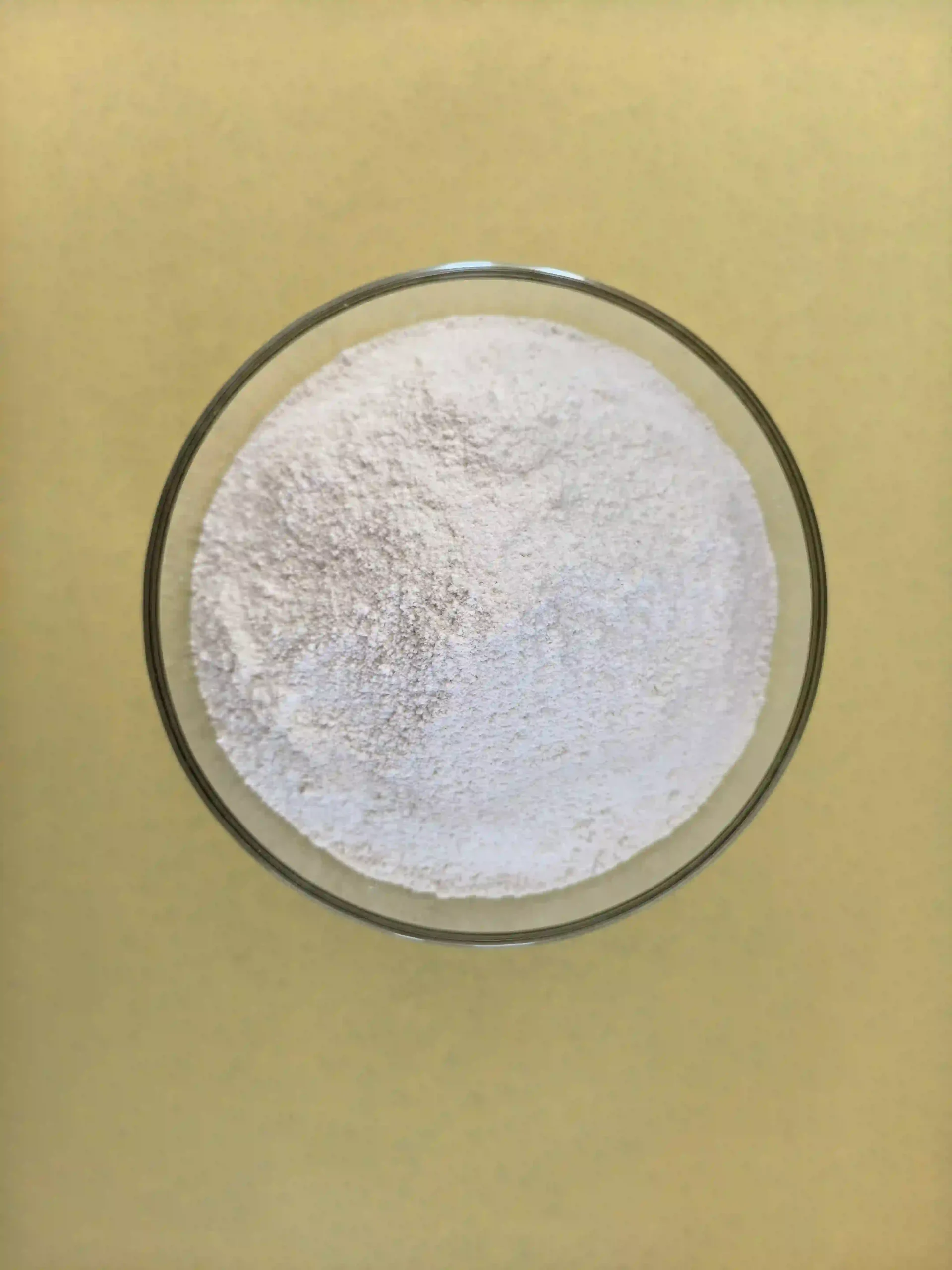
ในสิ่งทอเชิงฟังก์ชันที่พัฒนาอย่างรวดเร็วทุกวันนี้ การผสมผสานวัสดุนาโนกำลังพลิกโฉมทิศทางของอุตสาหกรรมสิ่งทอ หนึ่งในนั้นคือนาโนซิงค์ออกไซด์ ซึ่งมีคุณสมบัติทางกายภาพและเคมีที่ไม่เหมือนใคร ได้กลายเป็นวัสดุสำคัญสำหรับการปรับเปลี่ยนคุณสมบัติของผ้า โดยถูกนำไปใช้อย่างแพร่หลายในด้านเสื้อผ้า การแพทย์ และการปกป้องกลางแจ้ง ตั้งแต่คุณสมบัติในการต้านแบคทีเรียและยับยั้งการเจริญเติบโตของแบคทีเรีย ไปจนถึงการป้องกันรังสียูวีและความทนทานยาวนาน นาโนซิงค์ออกไซด์ช่วยเพิ่มคุณค่าหลากหลายให้กับผ้า ตอบสนองความต้องการของผู้บริโภคทั้งในด้านสุขภาพและความสะดวกสบาย ขณะเดียวกันยังผลักดันการเปลี่ยนผ่านสู่สิ่งทอเชิงฟังก์ชันอีกด้วย.
นาโนซิงค์ออกไซด์เป็นวัสดุชนิดใหม่ที่ผ่านกระบวนการแปรรูปอนุภาคนาโนจากซิงค์ออกไซด์ให้มีขนาด 1-100 นาโนเมตร เมื่อเทียบกับซิงค์ออกไซด์ขนาดไมครอนแบบดั้งเดิม ขนาดอนุภาคที่เล็กมากและพื้นที่ผิวเฉพาะที่เพิ่มขึ้นอย่างมากทำให้เกิดปรากฏการณ์ควอนตัม ปรากฏการณ์ผิว และปรากฏการณ์โฟโตคาทาลิสต์ที่ไม่เหมือนใคร ซึ่งเป็นเหตุผลหลักที่ทำให้สามารถยกระดับคุณสมบัติของผ้าได้ เมื่อเปรียบเทียบกับวัสดุปรับปรุงผ้าชนิดอื่นๆ นาโนซิงค์ออกไซด์มีลักษณะเฉพาะตัวที่โดดเด่น ประการแรก นาโนซิงค์ออกไซด์ปลอดภัยและเป็นมิตรต่อสิ่งแวดล้อม ในฐานะวัสดุอนินทรีย์ มันไม่เป็นพิษ ไม่ระคายเคือง และไม่ก่อให้เกิดปฏิกิริยาไม่พึงประสงค์เมื่อสัมผัสกับผิวหนังมนุษย์ นอกจากนี้ยังสามารถย่อยสลายได้ตามธรรมชาติ สอดคล้องกับแนวโน้มการพัฒนา “เขียวและคาร์บอนต่ำ” ของอุตสาหกรรมสิ่งทอสมัยใหม่ แตกต่างจากสารต้านแบคทีเรียอินทรีย์แบบดั้งเดิมที่มักตกค้างและก่อให้เกิดอาการแพ้ ประการที่สอง นาโนซิงค์ออกไซด์มีความเสถียรสูง ผ้าที่ผ่านการปรับปรุงด้วยนาโนซิงค์ออกไซด์จะคงประสิทธิภาพการทำงานอย่างเสถียรแม้ผ่านการซักหลายครั้ง โดยไม่เสื่อมสภาพอย่างรวดเร็วเนื่องจากสภาพแวดล้อม ซึ่งช่วยแก้ปัญหา “ความทนทานต่ำ” ของผ้าฟังก์ชันแบบดั้งเดิม สุดท้าย นาโนซิงค์ออกไซด์มีคุณสมบัติหลากหลาย วัสดุเพียงชนิดเดียวสามารถบรรลุทั้งคุณสมบัติต้านแบคทีเรีย ป้องกันรังสียูวี และทำความสะอาดตัวเองได้โดยไม่จำเป็นต้องใช้วัสดุเสริมเพิ่มเติม ช่วยลดความซับซ้อนในการผลิตผ้า ลดต้นทุนการผลิต และหลีกเลี่ยงปัญหาประสิทธิภาพที่อาจเกิดจากการผสมผสานวัสดุหลายชนิดเข้าด้วยกัน.
หลักการสำคัญของการนำนาโนซิงค์ออกไซด์มาใช้กับผ้าคือการใช้กระบวนการต่างๆ เช่น การชุบ การสร้างเจลโซล และการเจริญเติบโตในสถานที่ เพื่อให้อนุภาคนาโนเกาะติดบนผิวเส้นใยผ้าอย่างสม่ำเสมอหรือแทรกซึมเข้าไปในเส้นใย โดยอาศัยคุณสมบัติที่มีอยู่แล้วเพื่อยกระดับคุณสมบัติของผ้า แอปพลิเคชันหลักของมันรวมถึงคุณสมบัติต้านแบคทีเรีย การป้องกันรังสียูวี และการเพิ่มความทนทานของผ้า.
(I) คุณสมบัติต้านแบคทีเรียและยับยั้งการเจริญเติบโตของแบคทีเรีย: ปกป้องสุขอนามัยของผ้าและป้องกันปัญหาแบคทีเรีย
การเจริญเติบโตของแบคทีเรียเป็นสาเหตุสำคัญของกลิ่นอับ รา และความเสียหายในผ้า โดยเฉพาะผ้าเส้นใยธรรมชาติ เช่น ผ้าฝ้ายและผ้าขนสัตว์ ซึ่งมีความสามารถในการดูดซับความชื้นสูง ทำให้เป็นแหล่งเพาะพันธุ์แบคทีเรียที่เป็นอันตราย เช่น อีโคไลและสแตฟิโลคอคคัสออเรียส นาโนซิงค์ออกไซด์มีประสิทธิภาพสูงในการต้านแบคทีเรียผ่านสองเส้นทาง ประการแรก มันปล่อยไอออนซิงค์ออกมา ทำลายความสมบูรณ์ของเยื่อหุ้มเซลล์แบคทีเรียและยับยั้งการเผาผลาญและการขยายพันธุ์ของแบคทีเรีย ประการที่สอง มันใช้โฟโตคาทาลิสต์ในการสร้างอนุมูลไฮดรอกซิล ซึ่งฆ่าแบคทีเรียและเชื้อราได้อย่างรวดเร็ว ทำให้เกิดผลต้านแบคทีเรียแบบกว้างขวาง.
การทดลองแสดงให้เห็นว่าผ้าที่ผ่านการปรับปรุงด้วยนาโนซิงค์ออกไซด์สามารถบรรลุอัตราการต้านแบคทีเรียสูงกว่า 99.99% ต่ออีโคไลและสแตฟิโลคอคคัสออเรียส และอัตราการต้านแบคทีเรียสูงกว่า 96% ต่อแคนดิดาอัลบิแคนส์ นอกจากนี้ ผลต้านแบคทีเรียยังคงเสถียรแม้ผ่านการซักด้วยการเขย่าเป็นเวลา 250 นาที คุณสมบัตินี้ทำให้เหมาะอย่างยิ่งสำหรับเครื่องแต่งกายส่วนตัว เช่น ชุดชั้นใน ถุงเท้า และเครื่องนอน รวมถึงชุดป้องกันทางการแพทย์และชุดผ่าตัด ช่วยลดการแพร่กระจายของแบคทีเรีย ลดความเสี่ยงต่อการติดเชื้อในโรงพยาบาล และแก้ปัญหาต่างๆ เช่น กลิ่นอับและราในเครื่องแต่งกายส่วนตัว ที่สำคัญคือ ผลต้านแบคทีเรียของนาโนซิงค์ออกไซด์ไม่ก่อให้เกิดการดื้อยาของแบคทีเรีย และเมื่อเทียบกับสารต้านแบคทีเรียไอออนเงินแบบดั้งเดิม ยังเป็นมิตรต่อสิ่งแวดล้อมและมีฤทธิ์คงอยู่นานกว่า.
(II) การป้องกันรังสียูวี: ต้านทานความเสียหายจากรังสียูวีและปกป้องสุขภาพผิว
การสัมผัสกับรังสีอัลตราไวโอเลต (โดยเฉพาะ UVA และ UVB) เป็นเวลานานอาจทำให้ผิวหนังเสียหาย เกิดผิวไหม้แดด ริ้วรอย และแม้กระทั่งมะเร็งผิวหนัง ผ้าแบบดั้งเดิมมีข้อจำกัดในการป้องกันรังสียูวี จึงยากที่จะตอบสนองความต้องการในการปกป้องผู้สวมใส่เมื่อต้องออกไปกลางแจ้งหรือสัมผัสแสงแดดเป็นเวลานาน นาโนซิงค์ออกไซด์มีคุณสมบัติป้องกันรังสียูวีได้ครอบคลุมทั้งแถบคลื่นอย่างยอดเยี่ยม อนุภาคนาโนของมันสามารถดูดซับและกระจายคลื่น UVA และ UVB ป้องกันไม่ให้รังสียูวีทะลุผ่านผ้าเข้าสู่ผิวหนัง โดยไม่ส่งผลกระทบต่อการระบายอากาศหรือลักษณะภายนอกของผ้า.
การศึกษาพบว่าผ้าฝ้ายที่เติมนาโนซิงค์ออกไซด์ 2% สามารถบรรลุอัตราการป้องกันรังสียูวีสูงกว่า 96% และค่าป้องกันรังสียูวี (UPF) ของผ้าสามารถสูงถึงกว่า 200 ซึ่งสูงกว่ามาตรฐานระดับชาติสำหรับ “ผ้าป้องกันรังสียูวี” อย่างมาก เมื่อเทียบกับสารป้องกันรังสียูวีแบบอินทรีย์แบบดั้งเดิม นาโนซิงค์ออกไซด์ไม่สลายตัวหรือเสื่อมประสิทธิภาพเมื่อสัมผัสกับแสง ไม่เปลี่ยนเป็นสีเหลืองบนผิวผ้า และยังคงประสิทธิภาพในการป้องกันรังสียูวีอย่างเสถียรในระยะยาว จึงเหมาะสำหรับเสื้อผ้ากลางแจ้ง เสื้อผ้ากันแดด หมวกกันแดด เสื้อผ้ากีฬา และผลิตภัณฑ์อื่นๆ ที่มอบการปกป้องรังสียูวีอย่างครบวงจรให้ผู้สวมใส่.
(III) การเพิ่มความทนทานของผ้า: ยืดอายุการใช้งานและปรับปรุงเนื้อสัมผัสของผลิตภัณฑ์.
สารปรับปรุงในผ้าฟังก์ชันแบบดั้งเดิมมักเกาะติดผิวเส้นใยผ่านการดูดซับทางกายภาพ ซึ่งอาจหลุดออกได้ง่ายระหว่างการซักและการเสียดสี ส่งผลให้คุณสมบัติเสื่อมลงและอาจทำลายเส้นใยผ้า ทำให้อายุการใช้งานของผ้าสั้นลง นาโนซิงค์ออกไซด์สามารถเชื่อมโยงทางเคมี (เช่น สร้างพันธะโควาเลนต์ Zn-O-C กับสายเซลลูโลส) เพื่อเกาะติดกับเส้นใยผ้าอย่างแน่นหนา ไม่เพียงแต่ช่วยปรับปรุงคุณสมบัติเชิงกลของผ้า (ความแข็งแรงในการดึง ความทนทานต่อการพับ) แต่ยังช่วยลดการสึกหรอของเส้นใยและยืดอายุการใช้งานของผ้าอีกด้วย.
การศึกษาพบว่าผ้าฝ้ายที่เติมนาโนซิงค์ออกไซด์ 0.5% สามารถทนต่อการซักได้มากกว่าผ้าทั่วไปหลายสิบเท่า รักษาความขาวและคุณสมบัติเชิงกลไว้ได้มากกว่า 90% และปรับปรุงความหยาบของผิว ทำให้ผิวสัมผัสนุ่มลื่นขึ้น นอกจากนี้ นาโนซิงค์ออกไซด์ยังช่วยเพิ่มคุณสมบัติป้องกันไฟฟ้าสถิตย์ของผ้า ลดการเกิดไฟฟ้าสถิตย์จากการเสียดสี ป้องกันการดูดซับฝุ่น และช่วยให้ผ้าสะอาดและสวยงามตลอดเวลา.
ในฐานะวัสดุอเนกประสงค์ นาโนซิงค์ออกไซด์มีความโดดเด่นในด้านต้านแบคทีเรีย ป้องกันรังสียูวี และเพิ่มความทนทาน ซึ่งช่วยผลักดันการยกระดับอุตสาหกรรมสิ่งทอ และมอบประสบการณ์การสวมใส่ที่ดีต่อสุขภาพ สะดวกสบาย และมีความสะดวกยิ่งขึ้นให้กับผู้คน.