
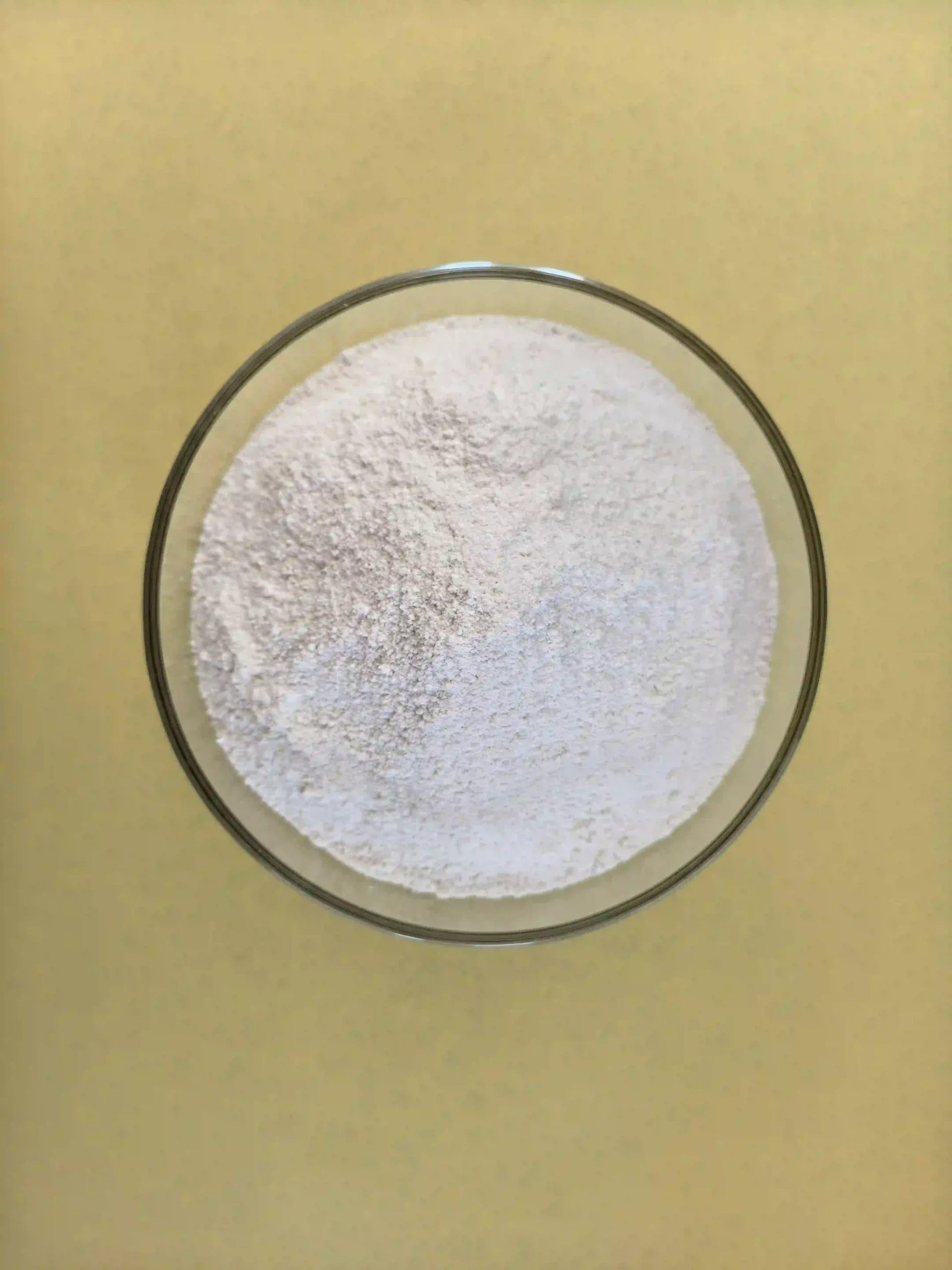
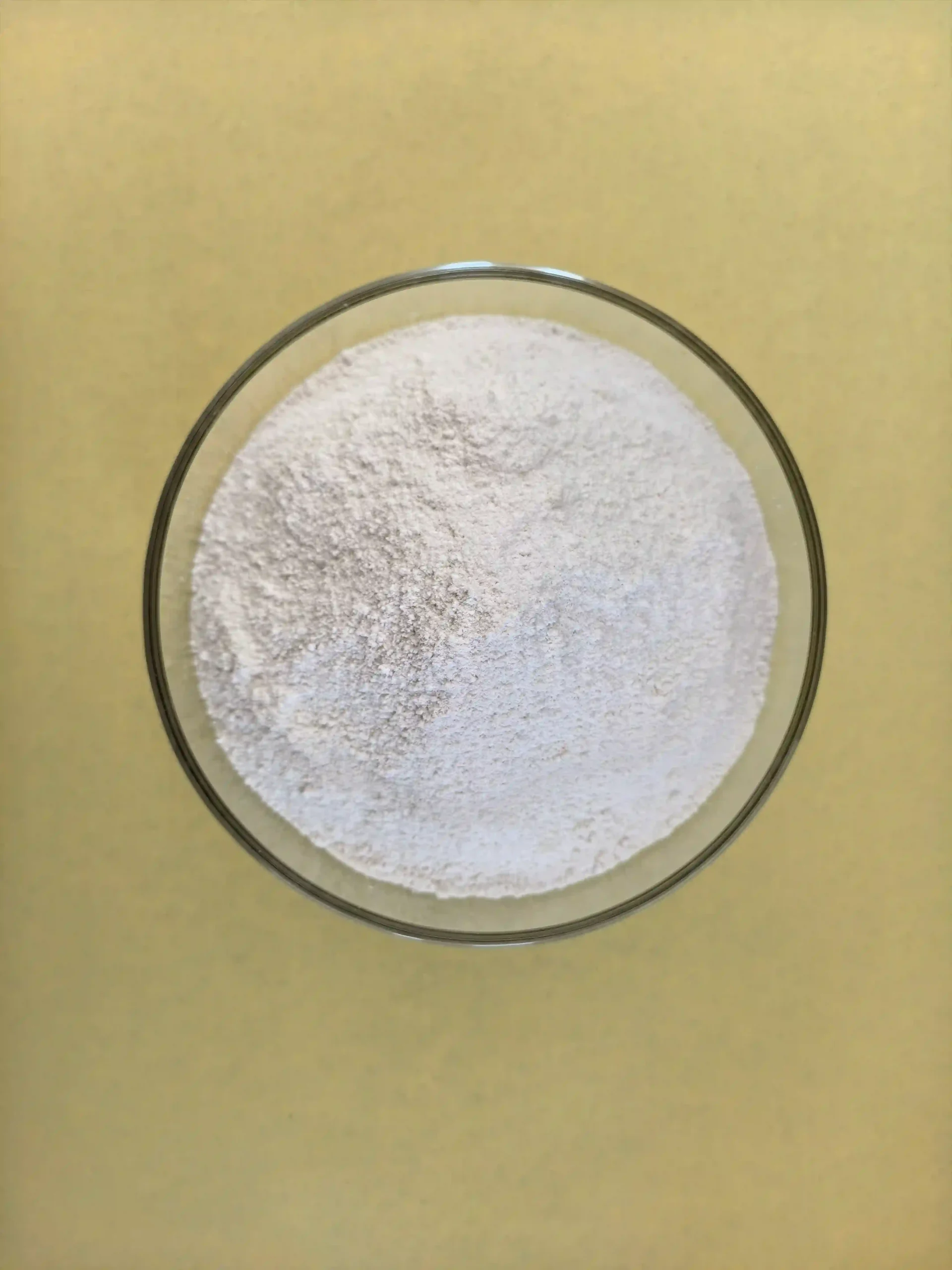
Particle size is a key factor determining how นาโนซิงค์ออกไซด์ performs in different formulations. Although both particle sizes have the same chemical composition (ZnO), 20 nm and 200 nm particles can differ significantly in UV protection, antibacterial activity, rubber vulcanization, and dispersion stability. For buyers and formulation engineers, specifying Nano Zinc Oxide without a defined particle size is insufficient for evaluating its application suitability. This article examines how particle size affects Nano Zinc Oxide performance, explains the trade-offs between surface activity, optical properties, and dispersion, and provides practical guidance for selecting the right particle size for different industrial applications.
Why Particle Size Is the Defining Variable
Nano Zinc Oxide is chemically identical to conventional zinc oxide (ZnO), but its smaller particle size generally provides a higher specific surface area and greater surface reactivity. This difference can significantly affect its performance in industrial formulations. At the same material mass, smaller particles expose more surface area to the surrounding matrix, providing more sites for interfacial interactions and surface-driven reactions. This increased surface area is a key factor behind the functional advantages of Nano Zinc Oxide in coatings, rubber compounds, cosmetics, and other applications.
Surface Area Increases as Particle Size Decreases
As particle diameter decreases, the surface-area-to-volume ratio increases inversely with particle size. This means that smaller particles provide more surface area per unit mass, potentially improving surface reactivity and interaction with other formulation components. Active Nano Zinc Oxide grades may have specific surface areas of 30–60 m²/g, while conventional zinc oxide grades often have lower values. However, actual surface area varies with particle morphology, aggregation, porosity, and manufacturing processes. A smaller particle is therefore not simply finer; it can offer greater surface-driven activity per gram when adequately dispersed.
Quantum Confinement Depends on Particle Size
Zinc oxide has a direct band gap of approximately 3.37 eV and exhibits strong UV absorption, with an absorption edge typically near 368 nm, depending on material properties and measurement conditions. Quantum confinement can alter the electronic structure and optical absorption of ZnO when its dimensions approach the exciton Bohr radius, approximately 2.34 nm. However, this effect should not be assumed for conventional commercial Nano Zinc Oxide grades in the 10–30 nm range, which are generally larger than the characteristic confinement scale. For most industrial applications, particle size, crystal defects, surface properties, and dispersion quality are more practical factors when evaluating UV protection and photocatalytic performance.

What “Particle Size” Means on a Specification Sheet
Three different size measurements are commonly discussed, and they should not be treated as interchangeable: primary particle size (the size of individual particles), agglomerate size (clusters of particles held together by physical interactions), and dispersion particle size (the effective particle size measured in a liquid or finished formulation). A Nano Zinc Oxide product may have a reported primary particle size of 30 nm while forming agglomerates several hundred nanometres in size if dispersion is not properly controlled. Buyers should therefore confirm which particle size is reported, the measurement method used, and whether the data represent the powder or its dispersed state.
Table 1. How Nano Zinc Oxide particle size affects performance across applications
| Primary particle size | UV behavior | Antibacterial/photocatalytic activity | Rubber vulcanization | Typical application fit |
|---|---|---|---|---|
| Below 20 nm | High UV attenuation potential; transparency depends on dispersion and agglomeration control | High potential for surface-driven ROS generation due to greater specific surface area | High surface reactivity, but agglomeration and dispersion require careful control | Advanced cosmetics, transparent UV films, and specialized catalytic applications |
| 20–50 nm | Effective UV-A and UV-B attenuation; good transparency potential when well dispersed | High surface-area-driven activity, depending on morphology and surface chemistry | Potential for improved activation efficiency and reduced dosage when properly dispersed | Sunscreens, UV-protective coatings, rubber compounds, and antibacterial coatings |
| 50–100 nm | Effective UV attenuation; optical clarity depends on particle distribution and formulation | Surface-driven activity may decrease as specific surface area decreases | Can provide effective vulcanization activation, depending on surface area and dispersion | Coatings, plastics, and general rubber products |
| Above 100 nm | UV attenuation increasingly depends on particle size distribution and light scattering; visible haze may increase | Generally lower surface area per unit mass than smaller particles | May require higher loading to achieve comparable activation, depending on grade and formulation | Conventional rubber, ceramics, and applications where transparency is not a priority |
Note: These particle size ranges are practical comparison categories rather than universal industry classifications. Actual performance depends on specific surface area, morphology, surface treatment, agglomeration, and formulation conditions.
How Particle Size Governs UV Attenuation and Transparency
Nano Zinc Oxide is a broad-spectrum UV absorber that provides protection against both UV-A and UV-B radiation. Compared with microfine TiO₂ and many organic UV filters, which may provide more limited coverage in parts of the UV spectrum, ZnO offers a useful balance of UV attenuation. Particle size influences the balance between UV absorption and light scattering, affecting both protection performance and the visual appearance of the finished formulation.
The Absorption–Scattering Trade-Off
UV attenuation by Nano Zinc Oxide involves both absorption and scattering. Absorption is related to the material’s electronic structure, while scattering depends on particle size relative to the wavelength of incident light. As particle size decreases, visible-light scattering can be reduced, improving transparency. However, there is no universal particle-size threshold below which ZnO becomes transparent. Optical clarity also depends on particle size distribution, agglomeration, refractive-index differences, concentration, and the surrounding formulation.
For UV performance, one reported study found that ZnO samples with XRD crystallite sizes of 20.3–22.4 nm achieved a UPF of 129.97, with 97.11% UV-A blocking and 99.12% UV-B blocking under the study’s test conditions. These results are specific to the tested material and formulation; XRD crystallite size should not be treated as equivalent to dispersed particle size. Larger particles can still attenuate UV radiation, but increased scattering may contribute to visible haze or a white cast in cosmetics and transparent coatings.
Transparency Is Not Guaranteed by Primary Size Alone
A 20 nm primary particle can form much larger agglomerates, potentially increasing visible-light scattering and reducing transparency. This is why optical performance should be evaluated using dispersion quality and effective particle size, rather than primary particle size alone. Surface treatments, including suitable polymer or silane coatings, can help improve compatibility with a formulation and reduce agglomeration. For clear sunscreens or transparent UV-protective coatings, buyers should review primary particle size, surface treatment, and dispersion performance under relevant formulation conditions.
Particle Size, Surface Area, and Antibacterial Activity
The antibacterial and photocatalytic performance of Nano Zinc Oxide is influenced by its surface properties. For particles of comparable shape and density, smaller particle sizes generally provide a higher specific surface area per unit mass. This can increase the number of available surface sites and influence reactive oxygen species (ROS) generation. ROS can contribute to oxidative stress in bacterial cells, while Zn²⁺ release, surface defects, light exposure, and direct particle–cell interactions may also affect antibacterial activity.
Smaller Particles Can Show Greater Activity Per Unit Mass
Reviews of ZnO nanoparticle antibacterial mechanisms identify particle size and specific surface area as important factors influencing antibacterial performance. Some studies report stronger activity against bacteria such as E. coli และ S. aureus as particle size decreases and the surface-to-volume ratio increases. However, this trend is not universal because surface chemistry, morphology, dispersion, test conditions, and bacterial species also affect the results. For coatings, textiles, and ceramics, smaller Nano Zinc Oxide particles may offer more active surface per gram, but actual antibacterial performance should be confirmed through application-specific testing.
Activity Is Also Shape- and Facet-Dependent
Particle size is not the only nanostructural variable. Crystallographic facet orientation and particle morphology can also influence photocatalytic and antibacterial performance. In one study, facet-engineered ZnO nanoparticles with reported crystallite sizes of 84.51–97.20 nm produced inhibition zones of up to 34 mm against สแตฟิโลค็อกคัส ออเรียส. The result was specific to the study’s materials and test conditions and should not be generalized to all ZnO grades. It nevertheless illustrates that exposed crystal facets and surface structure can influence antibacterial activity. For buyers, this means Nano Zinc Oxide particle size should be evaluated alongside morphology, surface chemistry, and dispersion quality when antibacterial performance is a functional requirement.

How Particle Size Changes Rubber Vulcanization Efficiency
Rubber is an important application area for active Nano Zinc Oxide, where particle size can influence vulcanization efficiency and formulation requirements. Nano Zinc Oxide acts as a vulcanization activator in sulfur-cured rubber systems. It works with other compounding ingredients, such as stearic acid, to promote the formation of active zinc-containing species involved in crosslinking. Its specific surface area and dispersion therefore affect how effectively it functions in the rubber compound.
Higher Surface Area Can Improve Activation Efficiency and Reduce Dosage
Studies on natural rubber compounds have reported higher crosslink density and improved mechanical properties when nano ZnO is used instead of conventional micro-sized ZnO. Some studies have also observed changes in the distribution of mono-, di-, and polysulfidic crosslinks. These results are generally associated with factors such as specific surface area, dispersion quality, and interactions between ZnO and other vulcanization ingredients.
Daoan Chemical’s product documentation states that its active zinc oxide can achieve a comparable or improved vulcanization effect at approximately 30%–50% of the dosage of ordinary zinc oxide. This reduction should be understood as a product-specific performance claim, not a universal dosage rule. Actual dosage depends on the rubber type, formulation, curing system, and processing conditions. When validated in a given formulation, lower active zinc oxide loading may help reduce material consumption while maintaining the required vulcanizate properties.
Dispersion Determines Whether the Surface Area Is Accessible
The surface-area advantage of Nano Zinc Oxide can only be realized when the particles are adequately dispersed throughout the rubber matrix. A high primary particle surface area does not necessarily translate into better activation if particles form agglomerates during storage or compounding. Surface modification may help reduce agglomeration, improve compatibility with the rubber matrix, and promote more uniform distribution. Consequently, a Nano Zinc Oxide grade with a slightly larger primary particle size but better dispersion may perform more consistently than a finer grade that is poorly dispersed.
The Nano-Scale Paradox: Why Smaller Particles Demand Better Dispersion
The high surface energy associated with smaller Nano Zinc Oxide particles can also increase their tendency to agglomerate. As a result, the performance benefits of smaller particles may be reduced during handling, storage, or rubber compounding if clusters form and increase the effective particle size.
Agglomeration Can Erase the Size Advantage
Nano Zinc Oxide particles can form agglomerates through interparticle interactions, reducing the surface area available for contact with the rubber matrix and other compounding ingredients. Surface treatments, including suitable polymer or silane modifications, may help improve dispersibility and compatibility. In rubber compounds, particle interactions and agglomeration can affect ZnO distribution and the uniformity of vulcanization. In cosmetics and coatings, larger agglomerates can increase visible-light scattering, potentially causing haze or a white cast.
Surface Treatment as a Specification Decision
For many applications, surface treatment should be considered part of the Nano Zinc Oxide specification rather than an optional feature. Buyers comparing products with similar primary particle sizes should check whether the surface treatment is compatible with the target matrix, such as an aqueous system, solvent-based coating, rubber compound, or cosmetic formulation. They should also confirm that the treatment remains effective under the intended processing conditions. A treatment developed for solvent-based coatings, for example, may not provide the same compatibility in a natural rubber compound.
Specifying Nano Zinc Oxide by Particle Size for Your Application
The right Nano Zinc Oxide particle size depends on the intended application. A specification based only on the general term “nano” may not provide enough information to predict performance or control costs. The following guidelines connect application requirements with the particle-size data and product properties buyers should verify.
Application-Matched Particle Size Direction
- Transparent cosmetics and sunscreens: Consider primary particle sizes in the 20–50 nm range, with a controlled size distribution and surface treatment compatible with the emulsion system. Confirm optical clarity using dispersion data and formulation testing, not primary particle size alone.
- UV-stabilized clear coatings: Select a grade with surface treatment compatible with the coating vehicle and request particle-size data in a representative dispersion medium. Smaller primary particles may help limit visible-light scattering, but dispersion quality and agglomeration control largely determine the final optical result.
- Antibacterial coatings and ceramics: Consider grades with higher specific surface area when surface-driven activity is important. Evaluate particle size together with morphology, surface chemistry, and application-specific antibacterial test data.
- Rubber vulcanization: Choose a grade with documented dispersion behavior in the target elastomer and dosage recommendations supported by formulation data. Compare crosslink density and mechanical properties rather than selecting a product based on particle size alone.
- General UV protection where transparency is not required: Larger particles within an appropriate nano or submicron range may be suitable, depending on the required UV attenuation, formulation, and cost target. Confirm performance through application testing rather than assuming that a larger size will always reduce dispersion requirements or cost.
Verification and Procurement Checklist
- Request the primary particle or crystallite size and its measurement method (such as TEM, SEM, or XRD). These methods characterize different structural features and their results should not be compared directly.
- Ask for the specific surface area (m²/g) measured by BET. It provides additional information about the available surface area, but should not be treated as a direct particle-size measurement without considering particle shape, density, and porosity.
- Confirm the surface treatment chemistry and its compatibility with the intended formulation.
- Request dispersion particle-size data, including D50 and the measurement method, in a representative medium when transparency or optical performance is important.
- For rubber applications, ask for dosage and property data, such as crosslink density, tensile strength, or tear resistance, under defined formulation and curing conditions.
- For bulk orders, check lot-to-lot consistency in particle size and specific surface area, and request a certificate of analysis (COA) for each batch.
- Clarify agglomeration control and storage recommendations, particularly when the product’s performance depends on maintaining a stable dispersion.
Table 2. Particle-size-focused procurement checklist for Nano Zinc Oxide
| Specification item | What to request | Why it matters |
|---|---|---|
| Primary particle/crystallite size | Value in nm and measurement method (TEM, SEM, or XRD) | Clarifies whether the reported value represents particle dimensions or crystallite size |
| พื้นที่ผิวจำเพาะ | BET value in m²/g | Provides additional information about available surface area and surface-driven activity |
| Surface treatment | Treatment chemistry and recommended applications | Helps assess dispersibility and compatibility with the formulation |
| Dispersion particle size | D50 and measurement method in a representative medium | Helps evaluate agglomeration and potential optical performance |
| Morphology | Particle shape and, where available, exposed crystal facets | Provides additional context for surface reactivity and functional performance |
| Antibacterial or catalytic data | Test method, conditions, and measured results | Supports functional performance claims under defined conditions |
| Rubber property data | Recommended dosage, crosslink density, and mechanical test results | Helps assess activation efficiency and dosage requirements |
| Lot consistency | COA and historical specification ranges | Supports quality control and repeatability in bulk production |
บทสรุป
Nano Zinc Oxide performance depends not only on particle size but also on specific surface area, optical properties, and dispersion quality. Smaller particles can improve surface-driven activity and UV transparency, but require effective dispersion and suitable surface treatment. Buyers should evaluate particle size, surface area, and application-specific performance data together rather than relying on a general “nano” claim.
Daoan Chemical offers active zinc oxide solutions for industrial applications. Contact Daoan Chemical to discuss your application requirements and request product specifications and technical support for selecting a suitable grade.