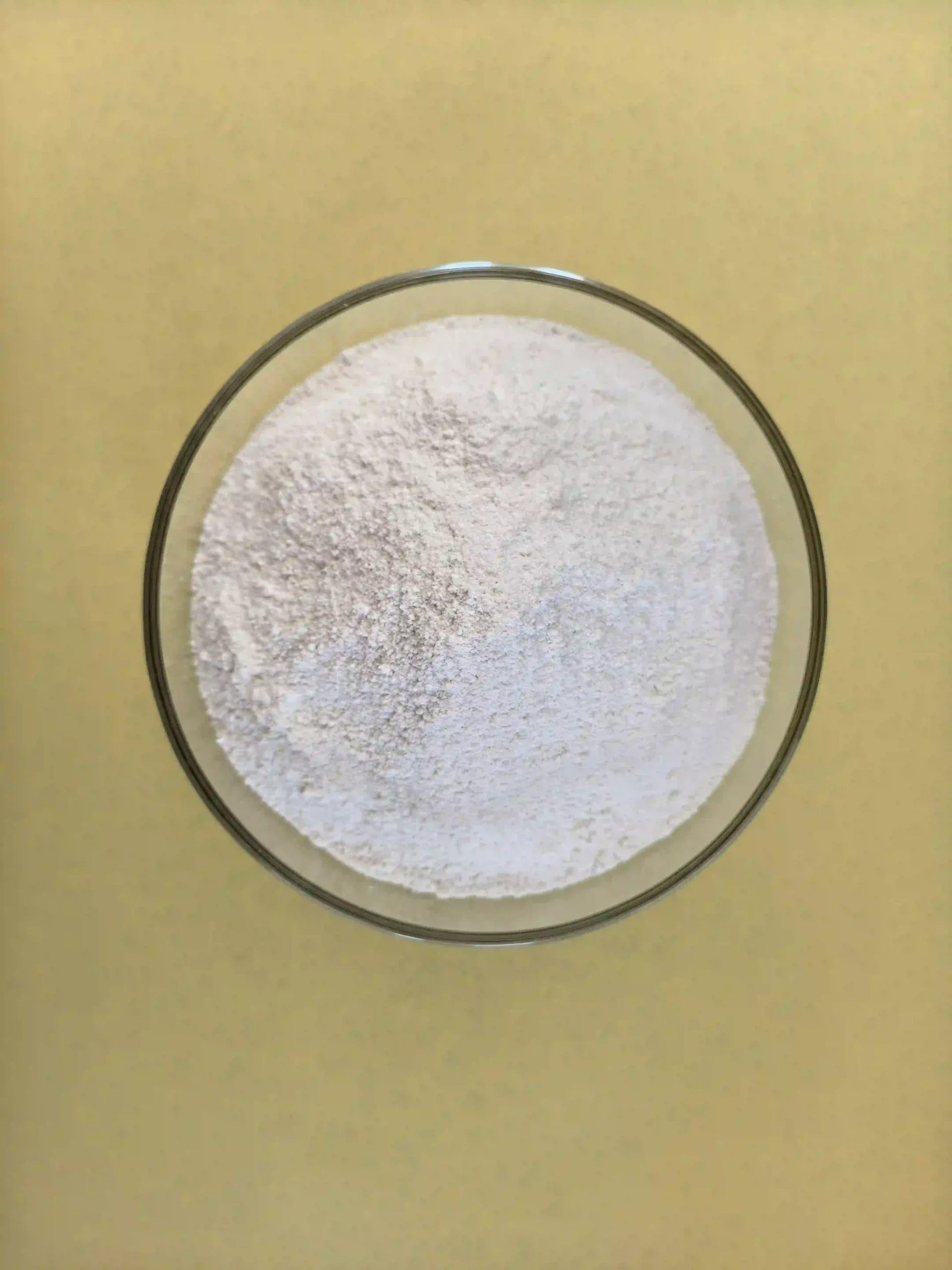
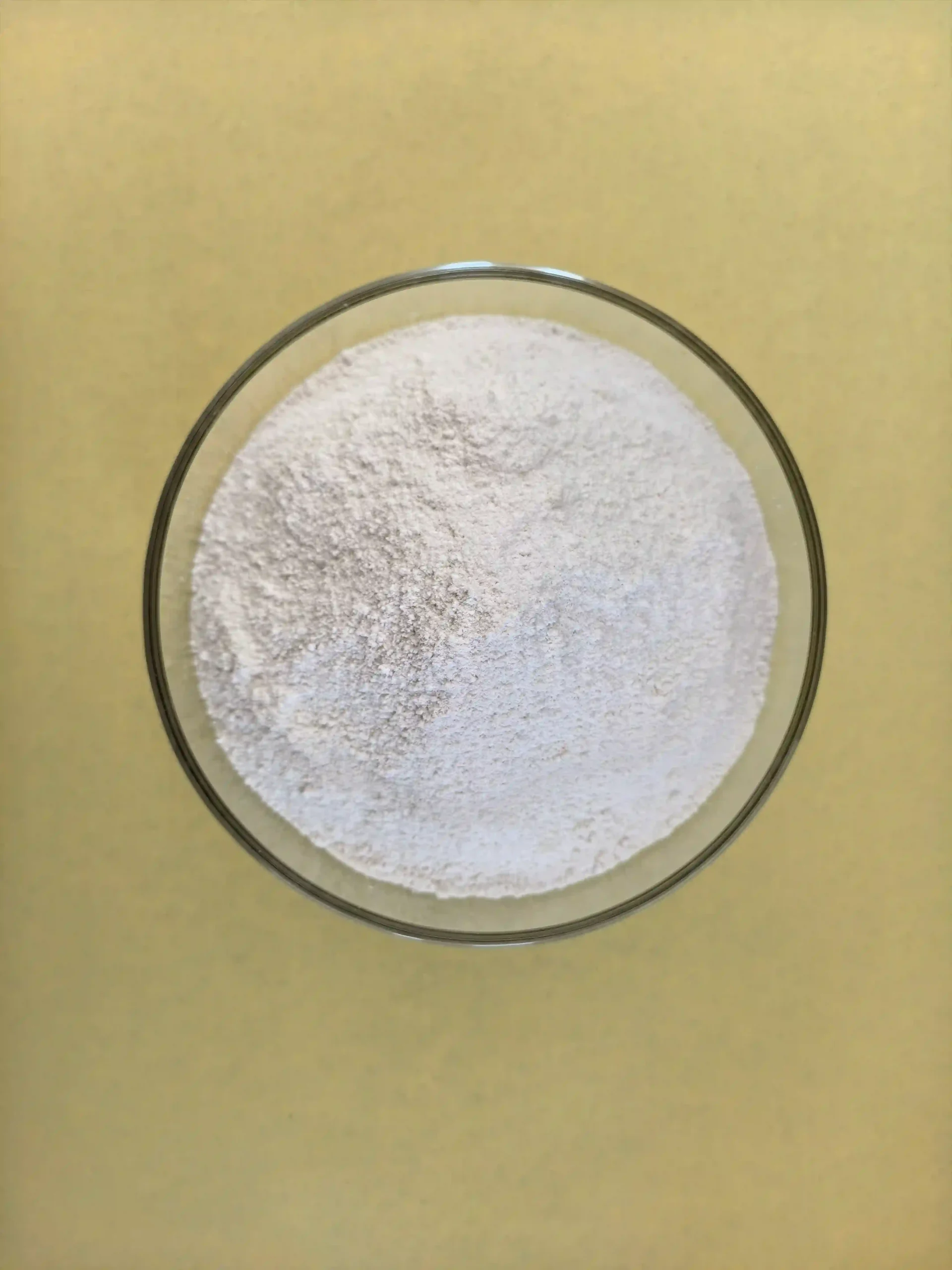
Kẽm oxit hoạt tính cho quá trình xúc tác is used in selected chemical processes, composite catalyst development, and photocatalytic systems. Potential applications include zinc salt production, methanol synthesis catalyst preparation, wastewater treatment, and environmental remediation. However, material requirements vary depending on the reaction and process conditions. Understanding zinc oxide’s surface properties, chemical purity, and compatibility with other catalyst components helps manufacturers select suitable raw materials and evaluate their performance before industrial application.
Where Is Active Zinc Oxide for Catalysis Used in Industrial Applications?
Zinc oxide plays different roles in industrial chemical processes. It can serve as a chemical reactant, a component of composite catalysts, or a semiconductor material in photocatalytic systems. Because each application has different technical requirements, manufacturers should identify the intended reaction and operating conditions before selecting a suitable grade.
Zinc Salt Production and Chemical Manufacturing
Zinc oxide is an important raw material for producing inorganic zinc compounds. It reacts with suitable acids to form zinc salts used in chemical manufacturing, agriculture, and other industrial applications.
Common products include:
- Kẽm sunfat for agricultural and industrial applications.
- Zinc chloride for chemical processing.
- Zinc nitrate for chemical synthesis and material preparation.
- Other zinc compounds used as industrial intermediates.
In these processes, zinc oxide generally functions as a reactant rather than a catalyst in the strict chemical sense. Its chemical purity, dissolution behavior, and reaction efficiency are therefore important selection criteria.
For example, incomplete dissolution may leave residual solids that complicate filtration and purification. Certain impurities may also carry over into the final zinc salt and affect product quality.
A zinc oxide grade with a relatively high specific surface area may be worth evaluating when solid-liquid reaction efficiency is a concern. However, the actual reaction rate also depends on acid concentration, temperature, agitation, and particle characteristics.
Photocatalytic Wastewater Treatment
Zinc oxide is a semiconductor that can absorb ultraviolet light and generate electron-hole pairs. Under suitable conditions, these charge carriers participate in surface reactions that produce reactive species capable of degrading certain organic pollutants.
Potential applications include:
- Degradation of selected organic dyes in textile wastewater.
- Treatment research involving printing and chemical industry effluents.
- Removal of certain organic contaminants from industrial water.
- Development of supported photocatalytic materials.
For Active Zinc Oxide for Catalysis intended for photocatalytic applications, engineers should evaluate optical properties, crystal structure, surface characteristics, and dispersion behavior.
Fine particles may provide substantial contact with wastewater, but they can also be difficult to recover after treatment. Immobilizing zinc oxide on a suitable support may simplify separation, although it can also reduce the accessible surface area.
Material stability deserves attention as well. Zinc release should be measured under actual treatment conditions rather than assuming that the photocatalyst remains unchanged during repeated operation.

Waste Gas Treatment and VOC Oxidation
Zinc oxide-containing materials are also investigated for environmental applications involving volatile organic compounds (VOCs) and other gaseous pollutants.
Potential development directions include:
- Photocatalytic degradation of selected VOCs.
- Composite oxide materials for gas-phase reactions.
- Semiconductor-based air purification systems.
- Surface-modified materials for specific pollutant conversion processes.
However, zinc oxide alone should not automatically be considered an effective industrial VOC oxidation catalyst. Some systems require additional transition metals or other functional components to achieve the required catalytic activity.
Operating conditions also vary according to the target pollutant. Engineers should evaluate pollutant concentration, oxygen availability, humidity, residence time, and reaction temperature.
Methanol Synthesis Catalyst Preparation
Methanol synthesis is an established industrial application involving zinc oxide-containing catalyst systems.
Conventional Cu/ZnO/Al₂O₃ catalysts are widely used to produce methanol from synthesis gas. In these formulations, copper provides important catalytic sites, while zinc oxide contributes to the structural and interfacial properties of the catalyst. Alumina also plays a role in the overall formulation.
Interactions between copper and zinc-containing species are important considerations in catalyst development. Raw material selection should therefore account for chemical composition, surface properties, and behavior during catalyst preparation.
Active Zinc Oxide for Catalysis may be evaluated as a potential raw material for these formulations, but its suitability must be established through application-specific testing.
| Application | Role of zinc oxide | Important evaluation factors |
|---|---|---|
| Zinc salt production | Chemical reactant | Purity, dissolution behavior, reaction efficiency |
| Wastewater treatment | Photocatalyst or composite component | Optical properties, dispersion, stability |
| VOC treatment | Composite catalyst component | Surface characteristics, thermal behavior |
| Methanol synthesis | Component of Cu/ZnO-based catalysts | Composition, copper-zinc interaction |
| Photocatalytic hydrogen production research | Semiconductor or composite component | Light absorption, charge separation, stability |
These applications have different technical requirements. A grade suitable for zinc salt production is not necessarily appropriate for photocatalysis or methanol synthesis. Manufacturers should compare product specifications with the target process and verify performance through relevant laboratory tests before industrial use.
What Material Properties Affect Catalytic Performance?
The suitability of Active Zinc Oxide for Catalysis depends on its physical and chemical properties, as well as the requirements of the target reaction system. Specific surface area, particle size, chemical purity, and moisture content are important parameters when evaluating zinc oxide as a catalyst raw material or a component of composite formulations.
Diện tích bề mặt riêng
Specific surface area refers to the surface area available per unit mass and is commonly measured using the Brunauer-Emmett-Teller (BET) method.
In heterogeneous reactions, reactants interact with material surfaces. A higher BET surface area may provide more opportunities for surface interactions, provided that the relevant sites are accessible and chemically suitable.
This property can be relevant to:
- Solid-liquid chemical reactions.
- Composite catalyst preparation.
- Surface-dependent photocatalytic reactions.
- Supported metal oxide catalyst development.
However, a higher BET surface area does not automatically translate into greater catalytic activity. Surface chemistry, crystal structure, particle aggregation, and interactions with other catalyst components can also affect reaction performance.
For this reason, buyers evaluating Active Zinc Oxide for Catalysis should compare BET results with other material specifications and application requirements rather than treating surface area as the sole purchasing criterion.
Particle Size and Dispersion
Particle characteristics influence how zinc oxide behaves during mixing, dispersion, and catalyst preparation.
Smaller primary particles may provide a greater surface area per unit mass, but they can also form agglomerates. When particles cluster together, the surface area accessible to reactants may be lower than expected from the primary particle size.
For manufacturers developing composite catalysts, uniform dispersion is important because uneven distribution can affect component consistency and the properties of the finished material.
Relevant evaluation factors include:
- Particle size distribution.
- Aggregation behavior.
- Dispersion in the selected medium.
- Uniformity after mixing and drying.
- Changes in particle characteristics during calcination.
A sieve passage result should not be interpreted as a complete particle size distribution. Sieve analysis, laser diffraction, and electron microscopy provide different types of particle information and are not directly interchangeable.
Chemical Purity and Impurity Control
Chemical purity is particularly important when zinc oxide is used in chemical synthesis or specialized catalyst formulations.
Lead and cadmium concentrations are useful impurity indicators, but other elements may also require monitoring depending on the application. These may include iron, sodium, nickel, and other trace metals.
For Active Zinc Oxide for Catalysis, buyers should define acceptable impurity limits according to the target process and request analytical documentation to verify the material’s compliance with those requirements.
A Certificate of Analysis (COA) provides batch-specific test results, allowing manufacturers to compare delivered material with their internal quality specifications.
Higher purity does not automatically guarantee better catalytic performance. However, uncontrolled impurities may introduce additional variables during formulation development and make it more difficult to identify the factors affecting reaction results.
Moisture Content and Storage Stability
Moisture content can influence powder flow, weighing accuracy, storage behavior, and dispersion during processing.
Excess moisture may contribute to caking or agglomeration, depending on storage conditions, packaging, and the material’s surface characteristics. Manufacturers should therefore consider the moisture specification together with transportation and warehouse requirements.
For accurate raw material dosing, buyers should also confirm whether moisture results are reported on an as-received basis or a dry basis. Consistent testing methods are important when comparing specifications and monitoring batch-to-batch quality.

How Should Active Zinc Oxide for Catalysis Be Selected for Different Applications?
Different reaction systems require different material properties. Manufacturers should therefore define their technical requirements and process conditions before comparing zinc oxide grades.
Selection for Chemical Manufacturing
For zinc salt production and other chemical reactions, the main selection criteria are chemical purity, dissolution behavior, and final product quality.
Buyers should evaluate:
- Zinc oxide content and relevant impurity limits.
- Dissolution behavior in the selected acid.
- Residual insoluble matter after reaction.
- Effects of impurities on filtration and purification.
- Consistency of the resulting chemical product.
For these applications, Active Zinc Oxide for Catalysis should be evaluated under conditions representative of the intended process. Laboratory tests should maintain consistent acid concentration, temperature, agitation, and solid-to-liquid ratio to ensure meaningful comparisons between material grades.
Selection for Photocatalytic Systems
Photocatalytic applications require additional evaluation because zinc oxide must interact with light and participate in surface reactions.
Several analytical methods can help characterize the material:
- X-ray diffraction (XRD): Identifies crystalline phases and provides information about crystal structure.
- UV-Vis spectroscopy: Evaluates light absorption characteristics.
- BET analysis: Measures specific surface area.
- Electron microscopy: Examines particle morphology, distribution, and aggregation.
- Photocatalytic testing: Evaluates pollutant degradation under controlled irradiation conditions.
When evaluating Active Zinc Oxide for Catalysis in photocatalytic systems, performance tests should include appropriate controls to distinguish photocatalytic degradation from pollutant adsorption and other potential removal mechanisms. Testing conditions, including light intensity, wavelength, pollutant concentration, and reaction time, should also be kept consistent.
Selection for Composite Catalyst Development
Composite catalysts combine zinc oxide with other functional materials to achieve specific chemical or physical properties.
Depending on the formulation, preparation methods may include:
- Co-precipitation.
- Impregnation.
- Mechanical mixing.
- Drying and calcination.
- Surface modification.
The selected preparation method can influence component distribution, particle growth, and interactions between materials.
For example, copper-zinc oxide catalyst preparation requires attention to copper distribution, precursor composition, and interfacial interactions. Simply mixing zinc oxide with copper compounds does not guarantee the formation of an effective catalyst.
Manufacturers should therefore evaluate both the incoming zinc oxide raw material and the finished catalyst after preparation. Compatibility with other components and performance under the intended reaction conditions are essential considerations.
Matching Material Requirements to Applications
| Selection factor | Chemical manufacturing | Photocatalysis | Composite catalysts |
|---|---|---|---|
| Chemical purity | High priority | Important | High priority |
| Diện tích bề mặt BET | Application-dependent | Important | Important |
| Particle distribution | Important | Important | Important |
| Crystal structure | Reaction-dependent | Important | Important |
| Optical properties | Usually secondary | Essential | Formulation-dependent |
| Moisture content | Important | Important | Important |
| Thermal behavior | Process-dependent | System-dependent | Important |
| Final performance test | Conversion and product purity | Degradation efficiency | Catalytic activity and stability |
This comparison provides a practical starting point for selecting Active Zinc Oxide for Catalysis. The appropriate specifications should ultimately be established through application-specific testing rather than general assumptions about zinc oxide grades.
What Processing and Quality Control Factors Should Manufacturers Consider?
Even when a zinc oxide powder meets its published specifications, processing conditions can influence the properties and performance of the finished material. Manufacturers should establish consistent procedures for mixing, drying, thermal treatment, and batch inspection.
Mixing and Dispersion Control
Uniform dispersion is important when Active Zinc Oxide for Catalysis is incorporated into composite formulations.
Poor mixing can result in uneven component distribution and variations in local composition. These inconsistencies may affect the reproducibility of subsequent reactions and the quality of the finished catalyst.
Important process variables include:
- Mixing equipment and operating speed.
- Addition sequence of individual components.
- Compatibility with the selected solvent or dispersion medium.
- Mixing duration and temperature.
- Particle aggregation during preparation.
Laboratory dispersion tests should reflect the intended manufacturing process. A powder that disperses well in water may behave differently in another solvent or a concentrated precursor mixture. Manufacturers should therefore evaluate dispersion under conditions representative of actual production.
Drying and Calcination
Drying and calcination can change the physical and chemical characteristics of zinc oxide-containing materials.
Excessive temperatures may promote particle growth, reduce specific surface area, or alter the desired material structure. Insufficient drying may leave residual moisture that interferes with subsequent processing.
There is no universal drying or calcination temperature for all Active Zinc Oxide for Catalysis applications.
For example, copper-zinc oxide catalyst precursors require preparation conditions suited to the complete formulation. Photocatalytic composites may need different thermal treatments to preserve their desired structural and surface characteristics.
Manufacturers should establish suitable temperature profiles through formulation development and experimental verification rather than applying a single standard procedure to different catalyst systems.
Batch Consistency and Incoming Inspection
Batch consistency is essential for manufacturers operating continuous production processes. Variations in BET surface area, moisture content, particle characteristics, or impurity levels may affect downstream processing and product quality.
A practical incoming inspection procedure should include:
- Checking product identification and batch numbers.
- Reviewing the supplier’s Certificate of Analysis (COA).
- Testing selected critical specifications.
- Comparing results with approved acceptance limits.
- Retaining samples when traceability is required.
The inspection frequency should reflect application risk, material criticality, and the supplier’s demonstrated quality consistency.
Laboratory Testing and Industrial Scale-Up
Laboratory results do not always translate directly into industrial production. Scale-up introduces additional variables, including mixing efficiency, heat transfer, mass transfer, and residence time.
A material that performs well in a small laboratory reactor may require further process optimization when transferred to a larger production system.
A three-stage evaluation process is recommended:
- Raw material qualification: Verify chemical composition, physical properties, and relevant impurity levels.
- Formulation evaluation: Prepare the intended reaction mixture or catalyst and examine its composition and characteristics.
- Process validation: Test the material under representative operating conditions and assess performance repeatability.
This approach helps manufacturers distinguish incoming raw material quality from finished catalyst performance and establish more reliable production controls.
How Can Buyers Choose a Reliable Active Zinc Oxide Supplier?
For industrial buyers, selecting a reliable Active Zinc Oxide for Catalysis supplier involves evaluating technical documentation, sample availability, production consistency, and commercial conditions.
A qualified supplier should provide verifiable product specifications, explain testing methods, and clarify which application requirements need additional validation.
Review Technical Specifications and Quality Documents
A Technical Data Sheet (TDS) outlines the product’s main characteristics, while a Certificate of Analysis (COA) provides test results for a specific production batch.
Buyers should check:
- BET specific surface area and test method.
- Lead, cadmium, and other relevant impurity concentrations.
- Particle size distribution or fineness data.
- Moisture content and test method.
- Appearance and relevant manufacturing information.
- Batch identification and traceability.
Additional testing may be necessary when the application requires tighter impurity limits or specific physical and chemical properties.
Request Samples Before Bulk Purchasing
Sample testing helps buyers determine whether a material is compatible with their manufacturing process before committing to bulk orders.
For Active Zinc Oxide for Catalysis, sample evaluation should reflect the intended application:
- Chemical manufacturers can evaluate dissolution behavior and residual impurity levels.
- Photocatalyst developers can examine optical properties and photocatalytic degradation performance.
- Composite catalyst manufacturers can assess mixing behavior, component compatibility, and finished catalyst characteristics.
Where possible, candidate materials should be tested under identical conditions to ensure a reliable comparison.
Check Packaging and Supply Capacity
Packaging and transportation arrangements can affect powder quality, particularly during long-distance shipping and extended storage.
Before ordering, buyers should confirm bag weight, pallet configuration, moisture protection, container loading, shipping arrangements, and production lead time.
For regular industrial consumption, consistent batch quality and reliable supply continuity may be more important than a small difference in the initial purchase price.
Discuss Custom Specifications
Some manufacturers require specifications beyond standard commercial grades. These may include tighter impurity limits, a defined BET surface area range, controlled moisture content, or additional analytical documentation.
When discussing custom Active Zinc Oxide for Catalysis requirements, buyers should provide:
- Intended application and chemical process.
- Required BET surface area range.
- Maximum acceptable impurity concentrations.
- Particle size or dispersion requirements.
- Estimated monthly or annual consumption.
- Packaging and delivery preferences.
- Required quality documents and testing standards.
Providing these details helps suppliers assess technical feasibility, confirm production capabilities, and prepare a more relevant quotation.
Câu hỏi thường gặp
1. What is Active Zinc Oxide for Catalysis used for?
It can be evaluated for chemical manufacturing, zinc salt production, composite catalyst development, and selected photocatalytic applications. Suitability depends on material properties and reaction conditions.
2. Is active zinc oxide suitable for methanol synthesis?
Zinc oxide is an important component of Cu/ZnO/Al₂O₃ methanol synthesis catalysts. However, a particular commercial grade requires formulation development and performance testing before qualification.
3. Does higher BET surface area improve catalytic performance?
Not necessarily. Higher surface area may provide more accessible surface, but performance also depends on surface chemistry, active sites, aggregation, and interactions with other catalyst components.
4. What BET surface area is suitable for catalytic applications?
There is no universal requirement. The appropriate range depends on the reaction system and formulation. Daoan D10 has a published BET specific surface area of 50–60 m²/g.
5. What impurities should buyers check?
Lead, cadmium, iron, sodium, and other trace elements may require monitoring. Acceptable limits depend on the intended application and downstream product requirements.
6. Can Daoan D10 be used in custom catalyst development?
Daoan D10 can be evaluated as a potential raw material for selected catalyst formulations. Its published specifications provide initial reference data, but laboratory testing is necessary to confirm suitability.
Kết luận
Active Zinc Oxide for Catalysis has potential applications in chemical manufacturing, photocatalytic systems, and composite catalyst development. Its suitability depends on surface area, chemical purity, particle characteristics, and compatibility with the intended process. Daoan Active Zinc Oxide D10 offers a wet chemical production process, a BET surface area of 50–60 m²/g, and specified lead and cadmium limits. Contact Daoan Chemical to request technical specifications, discuss application requirements, and evaluate product samples.