
In many industrial materials, the performance is not solely defined by the chemical composition, but by the behavior of the material under real conditions during processing. Zinc oxide is a wonderful example. Despite being simple chemically, zinc oxide has a variety of different properties that can be altered depending on how it’s produced, processed, and applied.
This is the reason why active zinc oxide has become increasingly significant in multiple fields. It’s not a new chemical composition, nor is it a promotional label. Instead, it is concerned with zinc oxide that has been altered to have a higher surface activity, greater dispersibility, and a more powerful functional effect than common grades.
What is the benefit of active zinc oxide? In practice, this is beneficial for increasing the efficiency of reactions, enhancing the performance of materials, decreasing the need for dosage, and maintaining processes in industry. To understand why, it’s important to transcend the basic chemistry of zinc oxide and consider how it functions in actual-world applications.
Active Zinc Oxide: What Makes It “Active”?
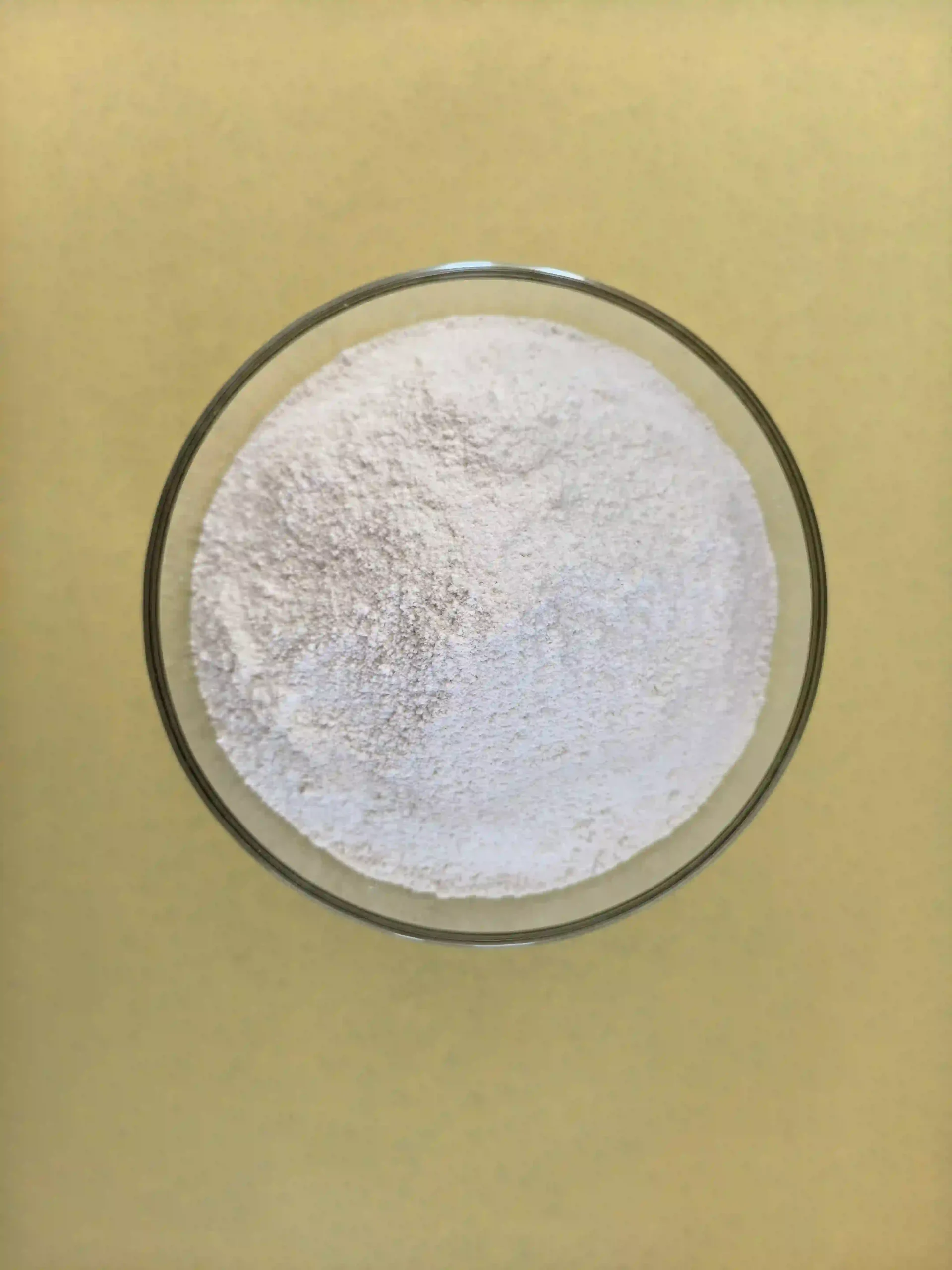
At the core, active zinc oxide is still composed of ZnO. The distinction is based on its physical composition and surface properties, rather than its chemical composition. Through controlled manufacturing procedures, active zinc oxide is produced with a smaller particle size, larger surface area, and more active sites.
These structural properties directly affect the way that zinc oxide interacts with other substances during processing or utilization.
Active zinc oxide is typically characterized by:
-
Smaller and more uniform particle size
-
Higher specific surface area
-
Increased surface energy and reactivity
-
Improved dispersion behavior
-
Reduced tendency to agglomerate
Together, these properties make active zinc oxide more responsive in systems where surface contact and chemical interaction determine performance.
Why Surface Activity Matters in Industrial Systems
In manufacturing environments, reactions are uncommon in the presence of ideal laboratory conditions. Instead, they occur in rubber-based compounds, polymeric melts, ceramic matrices, or slurries. Under these conditions, the effectiveness of a material is primarily determined by the accessible surface of its reactive component.
Active zinc oxide performs better because it maximizes effective contact with surrounding components. This leads to several practical advantages:
-
Faster initiation of chemical reactions
-
More uniform interaction throughout the system
-
Lower material usage for the same functional effect
-
Reduced the formation of unwanted byproducts
From a production standpoint, this means improved efficiency, tighter process control, and more predictable outcomes.
The Rubber Industry: The Most Established Application
The rubber industry remains the most important and well-established field for active zinc oxide. In both natural rubber and synthetic rubber compounds, zinc oxide functions as a vulcanization activator, playing a critical role in sulfur crosslinking.
Improving Vulcanization Efficiency
During vulcanization, zinc oxide reacts with stearic acid and accelerators to form zinc-based complexes that activate sulfur crosslinking. Active zinc oxide enhances this process by increasing the availability of reactive zinc species.
As a result, rubber compounds benefit from:
-
Faster curing reactions
-
More uniform crosslink distribution
-
Reduced curing temperature or time
-
Improved processing stability
These improvements are especially valuable in high-volume production environments where curing consistency directly affects product quality and yield.
Enhancing Mechanical Properties of Rubber Products
Beyond curing efficiency, active zinc oxide contributes to the final mechanical performance of rubber products. Compounds formulated with active zinc oxide often exhibit measurable improvements in:
-
Tensile strength
-
Tear resistance
-
Abrasion resistance
-
Elastic recovery and durability
These properties are essential for demanding applications such as tires, industrial belts, seals, hoses, and vibration-damping components.
Supporting Zinc Reduction and Environmental Compliance
Environmental regulations increasingly limit zinc discharge from rubber products. Because active zinc oxide is more efficient, manufacturers can achieve the same or better performance with lower zinc loading.
This allows rubber producers to:
-
Reduce total zinc content in formulations
-
Improve compliance with environmental regulations
-
Maintain product performance and safety
In this context, active zinc oxide is not only a performance enhancer but also a tool for sustainable manufacturing.
Active Zinc Oxide in Tire Manufacturing
Tire manufacturing places exceptionally high demands on material consistency and processing control. Even small variations in cure behavior or dispersion can lead to defects, uneven wear, or safety concerns.
Active zinc oxide supports tire production by:
-
Improving dispersion in complex rubber blends
-
Reducing batch-to-batch variation
-
Enhancing adhesion between rubber and reinforcement materials
These benefits are particularly important in modern automated tire plants, where production speed and consistency are tightly linked to profitability.
Applications in Ceramics and Electronic Materials
Active zinc oxide is also widely used in ceramics and electronics, where its semiconducting and structural properties are critical.
Varistors and Surge Protection Devices
Zinc oxide is the primary material used in metal oxide varistors (MOVs), which protect electronic circuits from voltage surges. Active zinc oxide contributes to improved performance by:
-
Promoting uniform grain growth
-
Enhancing nonlinear voltage-current characteristics
-
Increasing surge absorption capacity
These properties are essential in power distribution systems, consumer electronics, and industrial control equipment.
Structural and Functional Ceramics
In ceramic manufacturing, active zinc oxide improves sintering behavior and microstructure control. This leads to:
-
Higher density and mechanical strength
-
Improved thermal stability
-
More consistent electrical performance
As a result, ceramics made with active zinc oxide show better reliability in demanding environments.
Role in Paints, Coatings, and Corrosion Protection
In coatings and paints, zinc oxide serves both functional and protective roles. Active zinc oxide enhances these functions through improved dispersion and reactivity.
Key benefits in coating systems include:
-
Improved anticorrosion performance
-
Better UV absorption and weather resistance
-
More uniform pigment distribution
Because active zinc oxide works efficiently at lower loadings, it also helps optimize formulation cost and coating stability.
Use in Plastics and Polymer Systems
In plastic and polymer formulations, zinc oxide is often used as a stabilizer, processing aid, or functional additive. Active zinc oxide improves polymer performance by:
-
Enhancing thermal stability during processing
-
Reducing degradation caused by heat and oxidation
-
Improving compatibility with other additives
These advantages are particularly important in PVC, polyurethane, and engineering plastics, where processing windows are narrow and material stability is critical.
Pharmaceutical and Medical Applications
Zinc oxide has long been valued in medical and pharmaceutical applications for its biocompatibility and antimicrobial properties. Active zinc oxide further enhances these characteristics.
Topical and Dermatological Products
In creams, ointments, and lotions, active zinc oxide offers:
-
Better dispersion and smoother texture
-
Improved antimicrobial effectiveness
-
Enhanced stability in emulsions
These properties are especially important for products designed for sensitive skin or long-term use.
Medical Materials and Packaging
Active zinc oxide is also used in medical-grade materials and packaging, where surface activity contributes to antimicrobial protection without compromising safety.
Agriculture and Animal Nutrition
In agriculture, zinc is an essential micronutrient. Active zinc oxide is increasingly used in animal feed and crop-related applications due to its improved bioavailability.
Compared with conventional zinc oxide, active zinc oxide provides:
-
Better absorption efficiency
-
Lower required supplementation levels
-
Reduced zinc excretion into the environment
This supports animal health while helping farms meet environmental regulations.
Chemical Manufacturing and Catalytic Applications
Active zinc oxide is also used as a catalyst or catalyst support in chemical processing. Its high surface area and reactive sites allow it to:
-
Promote specific reaction pathways
-
Improve selectivity and yield
-
Enhance catalyst stability
These properties make it valuable in specialty chemicals and advanced material synthesis.
A Key Advantage Across Applications
Across nearly all applications, dispersion plays a decisive role in material performance. Poor dispersion leads to localized concentration, inconsistent behavior, and processing challenges.
Active zinc oxide minimizes these issues by offering:
-
Uniform distribution within the matrix
-
Reduced agglomeration risk
-
Stable performance over time
This makes it especially suitable for complex, high-performance formulations.
Processing Efficiency and Cost Optimization
From a production perspective, active zinc oxide improves efficiency by:
-
Shortening reaction and curing times
-
Reducing energy consumption
-
Lowering total material usage
Although active zinc oxide may carry a higher unit price, its overall cost-effectiveness is often superior due to improved efficiency and reduced waste.
Comparing Active Zinc Oxide with Conventional Zinc Oxide
In practical terms, the difference can be summarized simply:
-
Conventional zinc oxide fulfills basic functional requirements
-
Active zinc oxide delivers higher efficiency, consistency, and control
The benefits become most apparent in applications where performance margins are tight and reliability is critical.
Selecting the Right Active Zinc Oxide
Not all active zinc oxide products are the same. Selection should consider:
-
Particle size and surface area
-
Purity and impurity control
-
Application-specific performance requirements
Working with experienced suppliers who understand industrial applications is essential for achieving optimal results.
As industries move toward higher efficiency, lower emissions, and smarter materials, the role of active zinc oxide will continue to expand. Advances in surface engineering and material processing are opening new opportunities in electronics, energy storage, and functional coatings.
What Is Active Zinc Oxide Good For?
Zinc oxide that is active is beneficial to enhance the performance of industrial systems. It increases the efficiency of the reaction, enhances the properties of the material, decreases the environmental impact, and supports consistent results from manufacturing.
Through rubber, electronics, coatings, pharmaceuticals, agriculture, and chemical processing, active zinc oxide is demonstrated to be beneficial in any number of fields where surface interaction and reliability are of concern. In a manufacturing industry that is characterized by small variations in material choice that have a significant impact, active zinc oxide is a practical and forward-thinking solution.