
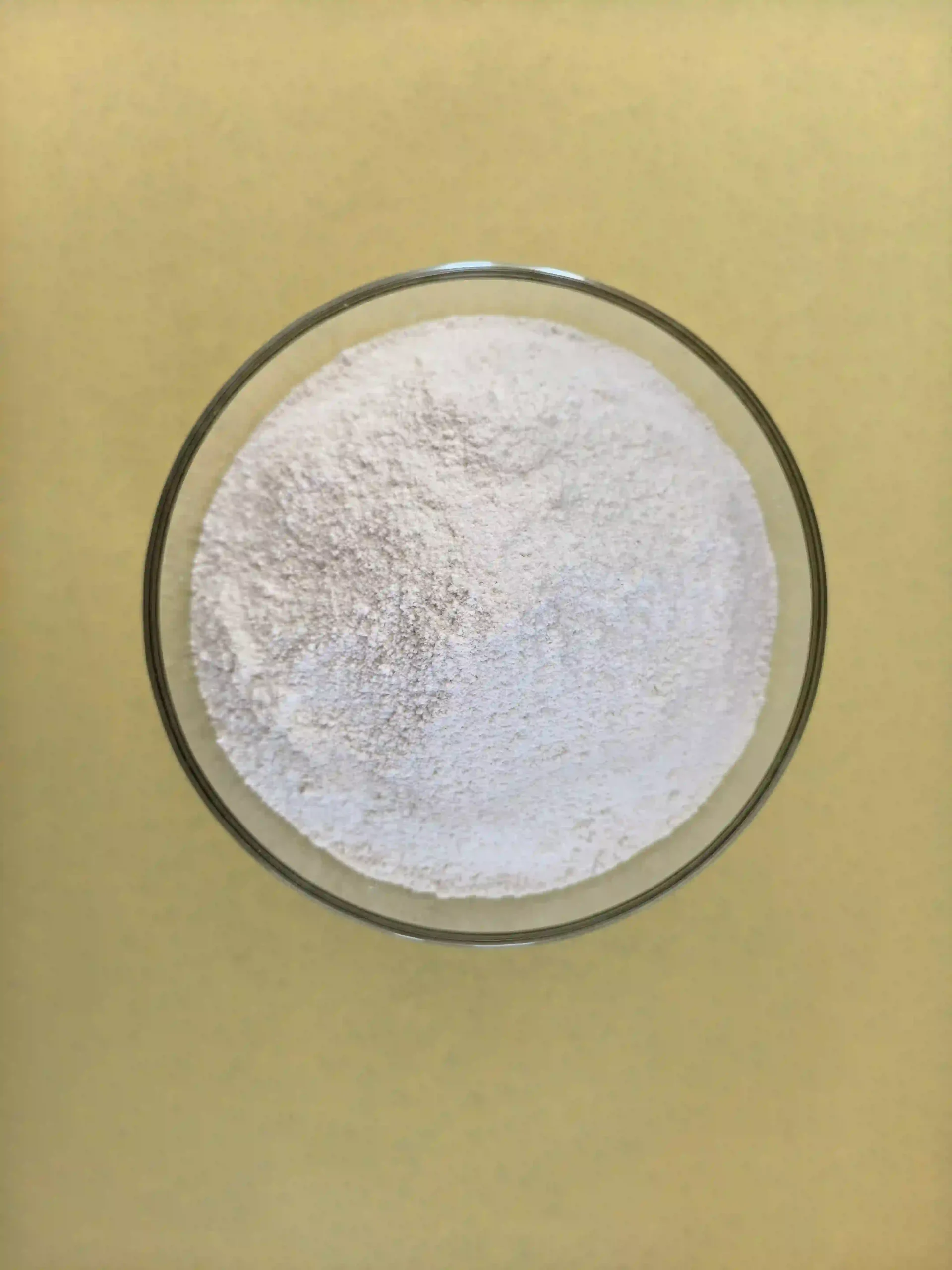
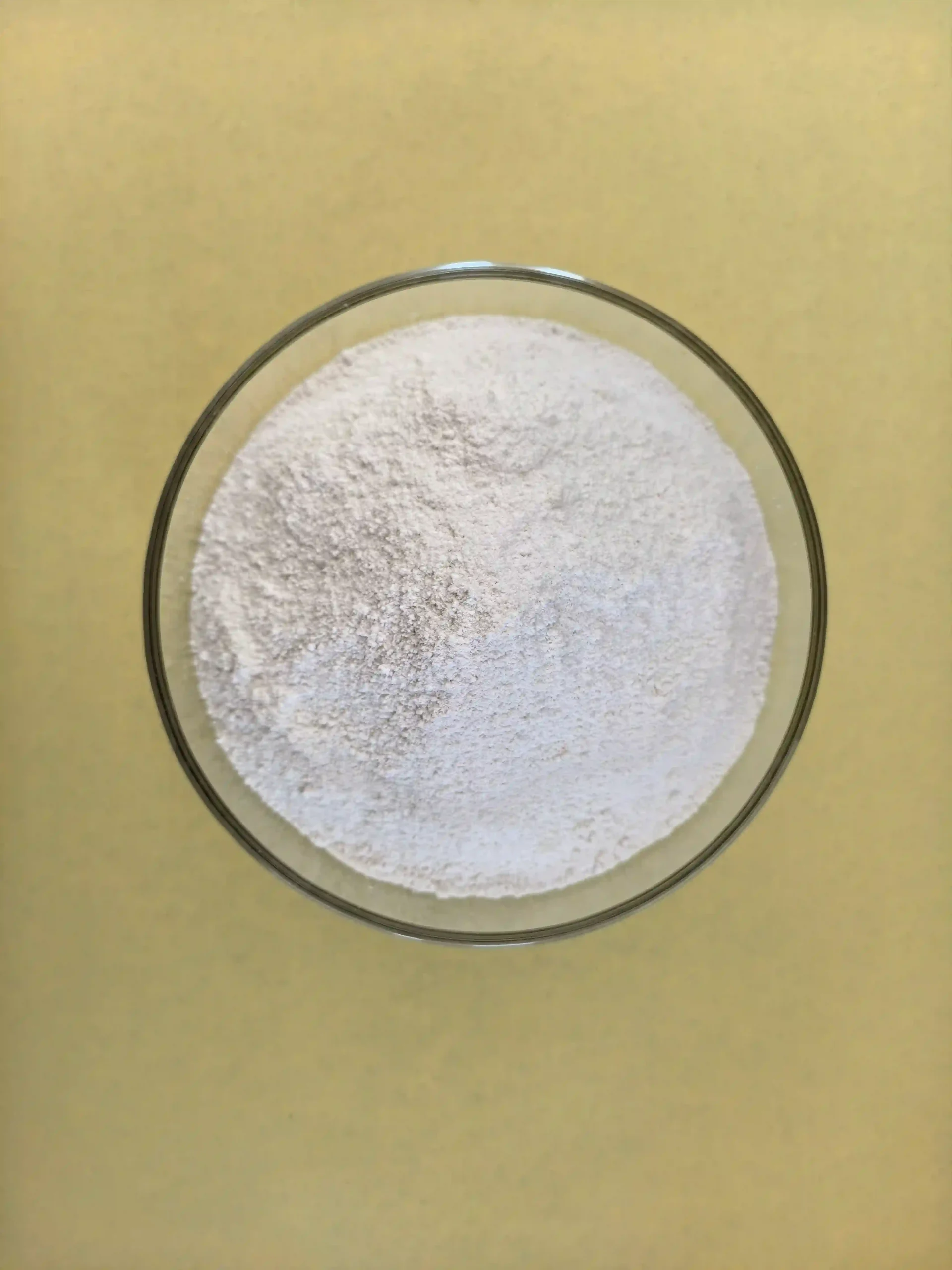
Transparent zinc oxide is a chemical material that is refined to improve the performance of modern rubber, plastic, latex, and elastomers. While conventional zinc oxide has traditionally been employed as a vulcanization catalyst and enhancer, transparent zinc oxide is an evolution in both technology and performance regarding application.
The singular attribute of transparent zinc oxide is its capacity to fulfill the chemical and physical requirements of zinc-based activators while minimizing the impact on the finished products’ optical appearance. This is particularly beneficial in applications that require transparency, light color, or aesthetic value, such as the rubber compounds, light-colored foams, latex products, and EVA-based products.
Beyond the appearance, transparent zinc oxide has increased dispersibility, increased reactivity, decreased impurities, and enhanced stability during processing. These benefits are primarily derived from its method of manufacturing, which is controlled by water, and the structure of its particles, which are engineered.
The Development Background of Transparent Zinc Oxide
Limitations of Traditional Zinc Oxide
Conventional zinc oxide, which is typically produced via indirect or direct processes that are dry, has long been utilized in the rubber industry. However, as the demands of the product increased, several problems became more significant.
Traditional zinc oxide is often characterized by a larger number of smaller particles and a broader distribution of particle sizes. In addition, this can cause incomplete dispersal, local clusters, and uneven vulcanization. In products that are transparent or have a light color, these issues may appear as haze, discoloration, or surface imperfections.
Additionally, dry-process zinc oxide may have a higher concentration of heavy metal impurities, which poses a concern in fields that require more stringent environmental, health, and safety regulations.
Industry Demand for Advanced Zinc Compounds
As rubber and plastics manufacturers moved toward higher-value products—such as transparent rubber components, lightweight foams, and precision elastomer parts—the need for a cleaner, more controllable zinc-based additive became evident.
Transparent zinc oxide emerged as a response to these demands. By leveraging wet chemical synthesis and tighter quality control, manufacturers were able to produce zinc oxide with:
-
Finer and more uniform crystal morphology
-
Superior dispersibility in polymer matrices
-
Reduced heavy metal content
-
Improved reaction efficiency during vulcanization
These improvements laid the foundation for the widespread adoption of transparent zinc oxide across multiple industrial sectors.
Manufacturing Process of Transparent Zinc Oxide
Wet Process Production Technology
Transparent zinc oxide is produced via a wet process that is different from the traditional dry method in that way.
In the wet process, raw materials with zinc are dissolved or combined in water-based systems that are carefully monitored. Parameters like temperature, pH, reaction time, and precipitation volume are precisely controlled to promote crystal formation.
This method allows manufacturers to control the size, shape, and surface characteristics of particles at a microscopic level, resulting in a product that is both chemically active and physically uniform.
Crystal Structure and Morphology Control
One of the key advantages of the wet process is the ability to form fine and uniform zinc oxide crystals. These crystals typically exhibit a narrow particle size distribution, which is critical for consistent performance in rubber and polymer formulations.
Uniform crystals reduce the likelihood of particle agglomeration during mixing and processing. This not only improves dispersion but also ensures that zinc oxide is evenly available throughout the compound, leading to more predictable vulcanization behavior.
Reduction of Heavy Metal Content
Another important benefit of wet-process production is improved purity. Transparent zinc oxide produced in this way generally contains low levels of heavy metals, making it suitable for applications with higher regulatory or environmental standards.
This characteristic is particularly important for latex products, consumer goods, and applications where material safety and compliance are key considerations.
Physical and Chemical Properties of Transparent Zinc Oxide
Particle Size and Specific Surface Area
Transparent zinc oxide typically features a large specific surface area, a direct consequence of its fine particle size. This property significantly enhances the material’s reactivity in rubber and polymer systems.
A larger surface area allows more efficient interaction between zinc oxide and other formulation components, such as accelerators and sulfur. This improves reaction kinetics during vulcanization and reduces the required dosage in some formulations.
Dispersibility in Polymer Systems
Excellent dispersibility is one of the most valued properties of transparent zinc oxide. Thanks to its uniform crystal structure and controlled surface characteristics, it can be evenly distributed within rubber, latex, EVA, and elastomer matrices.
Good dispersion minimizes localized stress concentrations, reduces the risk of defects, and contributes to consistent mechanical performance across the finished product.
pH Characteristics and Chemical Reactivity
Transparent zinc oxide and related zinc carbonate intermediates exhibit a slightly alkaline pH. This mild alkalinity plays an important role in rubber chemistry by facilitating reactions between zinc ions, sulfur, and accelerators.
The result is an increased reaction rate and improved crosslinking efficiency, which directly affects curing time and final material properties.
Role of Transparent Zinc Oxide in Rubber Vulcanization
Function as a Vulcanization Activator
In sulfur-based vulcanization systems, zinc oxide acts as an essential activator. It reacts with accelerators to form zinc-accelerator complexes that catalyze crosslink formation between rubber chains.
Transparent zinc oxide performs this function with high efficiency due to its fine particle size and large surface area. These features allow faster formation of active zinc complexes, improving vulcanization speed and uniformity.
Enhancement of Crosslinking Density
By increasing the reaction rate between rubber and sulfur, transparent zinc oxide contributes to higher crosslinking density. A well-controlled crosslink network enhances tensile strength, elasticity, and abrasion resistance.
Higher crosslink density also improves dimensional stability and resistance to deformation under load, which is especially important for technical rubber products.
Improvement of Vulcanization Efficiency
Transparent zinc oxide helps optimize vulcanization conditions, enabling shorter curing times and more consistent results. This not only improves production efficiency but also reduces energy consumption during processing.
For manufacturers operating high-volume production lines, these efficiency gains can translate into significant cost savings over time.
Applications in Latex Products
Importance of Dispersion in Latex Systems
Latex formulations are particularly sensitive to particle dispersion. Poorly dispersed additives can cause coagulation, surface defects, or inconsistent mechanical properties.
Transparent zinc oxide’s fine particle structure and excellent dispersibility make it highly compatible with latex systems. It integrates smoothly without disrupting the stability of the latex dispersion.
Performance Benefits in Latex Goods
In latex products such as gloves, balloons, and flexible coatings, transparent zinc oxide acts as both an activator and a processing aid. It supports uniform vulcanization and contributes to improved elasticity, tear resistance, and aging performance.
Its low heavy metal content also aligns well with safety and regulatory requirements commonly associated with latex consumer products.
Role in Foamed Rubber and Polymer Products
Function as a Foaming Aid
In foamed rubber and polymer products, transparent zinc oxide plays a dual role. In addition to activating vulcanization, it can assist in foam formation by supporting uniform gas generation and cell stabilization.
This leads to foams with consistent cell size, smooth surface appearance, and balanced mechanical properties.
Influence on Foam Structure and Quality
Uniform dispersion of transparent zinc oxide helps prevent uneven cell growth and collapse during foaming. The result is improved softness, resilience, and dimensional stability in finished foamed products.
Such characteristics are essential in applications like cushioning materials, insulation foams, and flexible padding.
Transparent Zinc Oxide in Transparent Rubber Compounds
Challenges of Transparent Rubber Formulation
Transparent rubber compounds require careful material selection to avoid haze, discoloration, or loss of clarity. Traditional zinc oxide often introduces visual defects due to its particle size and optical properties.
Transparent zinc oxide addresses these challenges by maintaining functional performance while minimizing light scattering within the rubber matrix.
Maintaining Optical Clarity
The controlled particle size and uniform dispersion of transparent zinc oxide allow transparent rubber products to retain their clarity or light color. This makes it suitable for aesthetic applications where appearance is as important as mechanical performance.
Use in EVA and Elastomer Products
- Compatibility with EVA Systems
EVA products benefit from transparent zinc oxide’s ability to enhance crosslinking efficiency without negatively affecting appearance or flexibility. It contributes to improved resilience, softness, and thermal stability. - Performance Enhancement in Elastomers
In various elastomer systems, transparent zinc oxide supports vulcanization modification and property optimization. It helps balance elasticity, strength, and durability, making it suitable for both technical and consumer elastomer applications.
Advantages Compared with Conventional Zinc Oxide
Transparent zinc oxide offers several distinct advantages over conventional zinc oxide, particularly in advanced and high-value applications.
-
Finer and more uniform particle structure
-
Excellent dispersibility in rubber and polymer matrices
-
Lower heavy metal content
-
Improved vulcanization efficiency
-
Minimal impact on transparency and appearance
These advantages make it a preferred choice in applications where quality consistency and performance reliability are critical.
Packaging, Transportation, and Storage
Transparent zinc oxide is typically packaged in 20 kg paper-plastic composite bags, designed to protect the product from moisture and contamination. For efficient logistics, 50 bags are stacked on one pallet, resulting in a net pallet weight of 1000 kg.
Proper storage in dry, ventilated conditions helps maintain product quality and flowability during long-term storage.
Environmental and Regulatory Considerations
As environmental regulations become more stringent, materials with lower impurity levels and improved safety profiles are increasingly favored. Transparent zinc oxide’s low heavy metal content and controlled production process align well with these trends.
Its efficient performance also allows for optimized formulations, potentially reducing overall material consumption and environmental impact.
Market Trends and Industrial Significance
The demand for transparent zinc oxide continues to grow as industries shift toward higher-performance, visually refined, and environmentally responsible products. From rubber and plastics to latex and elastomers, its versatility supports a wide range of applications.
Manufacturers seeking to differentiate their products through quality, appearance, and processing efficiency increasingly view transparent zinc oxide as a strategic material choice.
Future Development and Innovation Potential
Future research in the field of particle engineering, surface modification, and process optimization may further improve the transparency of zinc oxide. Future potential enhancements include increased compatibility with emerging polymer systems and a lower environmental impact.
As the field of material science develops, it is expected that transparent Zinc oxide will have a greater importance in the future of rubber and polymers.
Transparent zinc oxide is a specialized form of zinc that is engineered to fulfill the demands of modern rubber, plastic, latex, EVA, and elastomers. Produced through a wet method, it offers fine, uniform crystals with a high dispersibility, a specific surface area that’s large, and a low concentration of heavy metals.
It’s slightly basic pH increases the interaction between rubber and sulfur, which improves the crosslinking density, increases the efficiency of vulcanization, and overall improves the physical properties. Additionally, its transparency is beneficial in visual-based applications.
From latex products and foamed materials to transparent rubber compounds and elastomers, Zinc oxide is a good option for providing transparency and a balanced combination of performance, appearance, and efficiency during processing. As manufacturing requirements have evolved, it continues to be a significant material that supports innovation and quality in the rubber and plastics industries.