
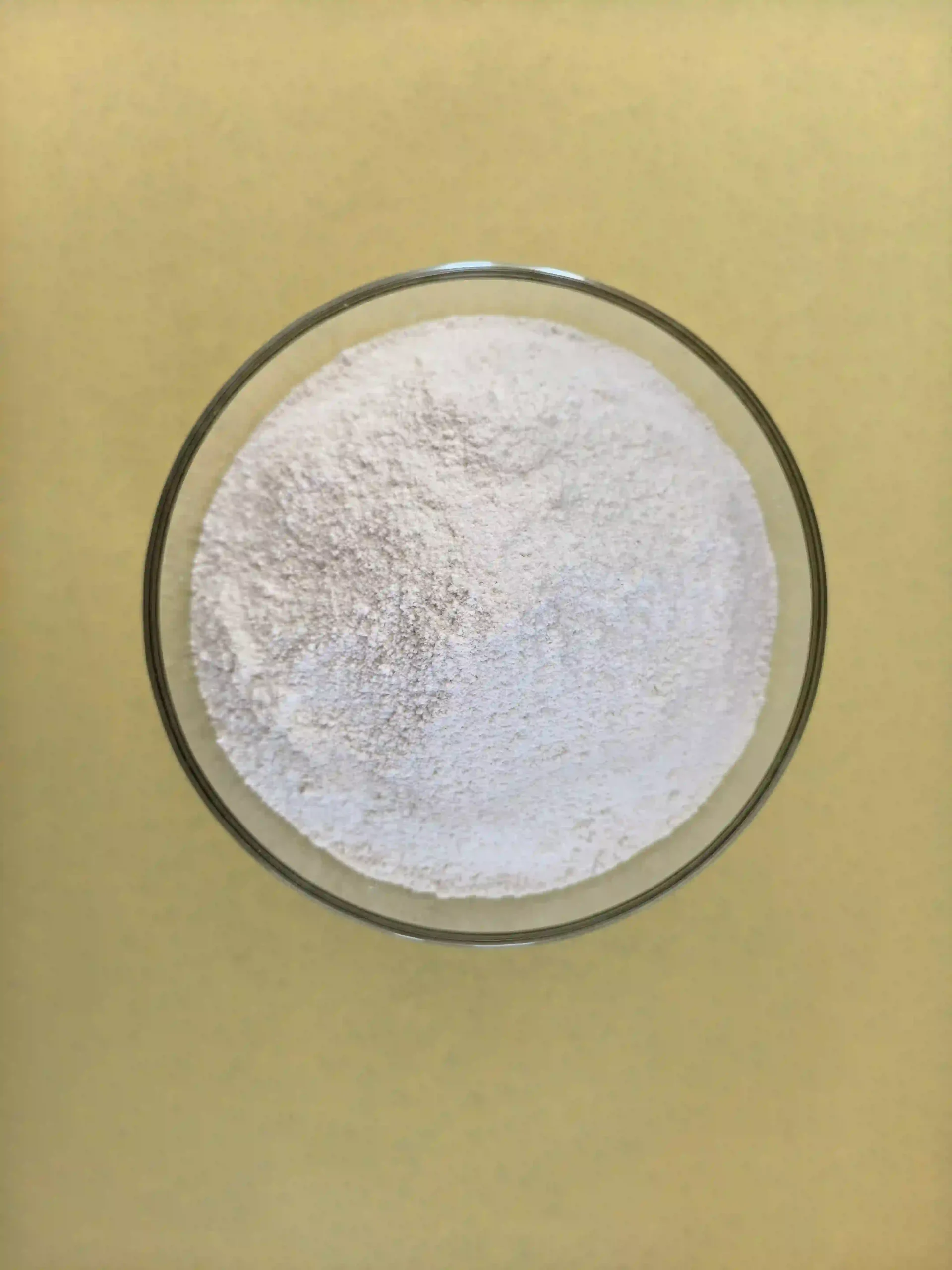
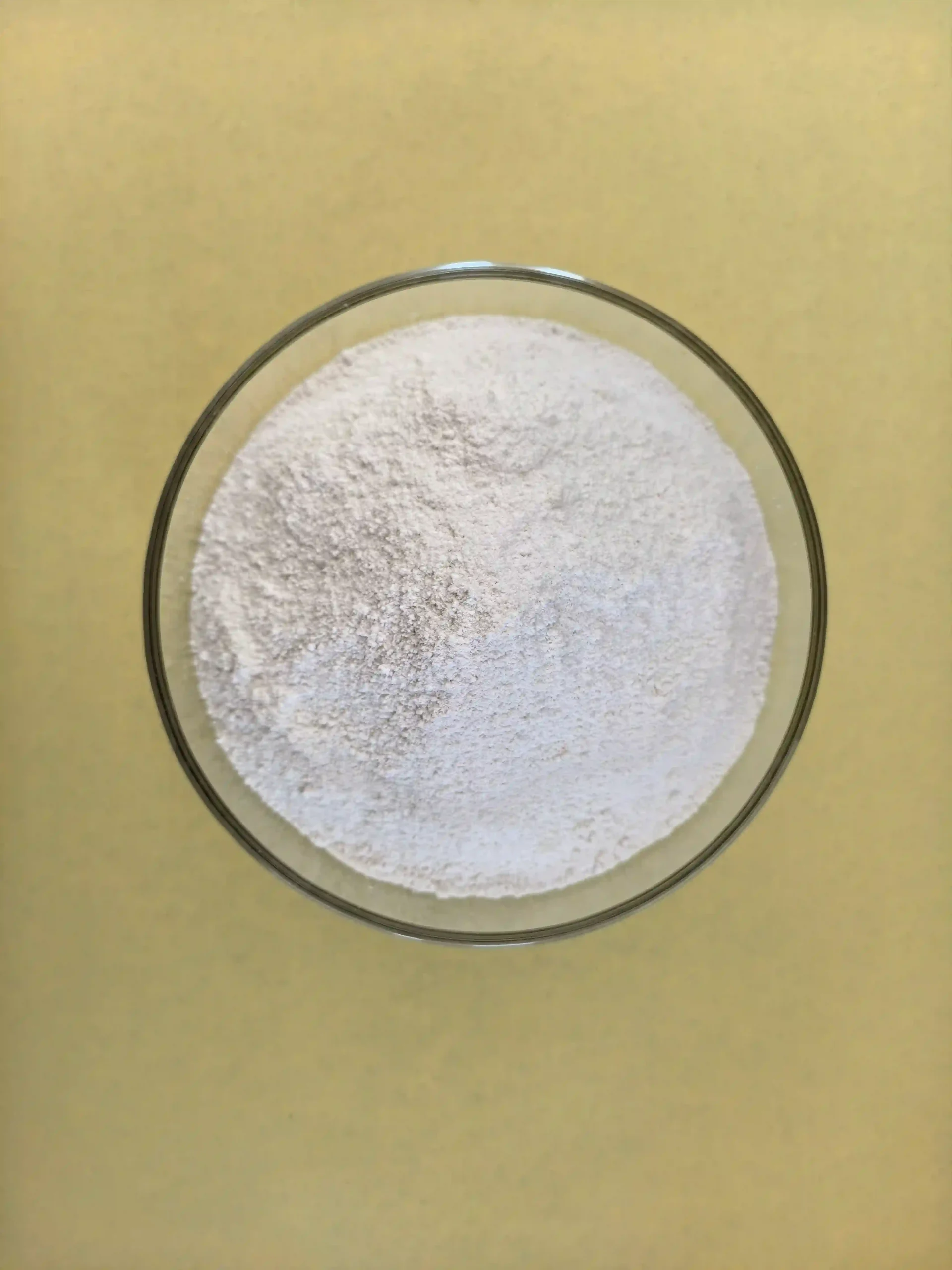
Zinc sulfate is a critical micronutrient fertilizer widely used in agriculture to address zinc deficiency in crops. This comprehensive guide explores zinc sulfate’s chemical properties, application methods, and agronomic benefits for B2B buyers, including agricultural cooperatives, fertilizer distributors, and commercial farming operations. Understanding zinc sulfate’s role in crop nutrition enables informed purchasing decisions and optimized field performance.
Zinc Sulfate: Chemical Composition and Forms
Chemical Properties and Grade Classifications
Zinc sulfate exists in two primary hydrated forms: monohydrate (ZnSO₄·H₂O) and heptahydrate (ZnSO₄·7H₂O). The monohydrate form contains approximately 35-36% elemental zinc with a molecular weight of 179.47 g/mol, while the heptahydrate variant contains 22-23% zinc with a molecular weight of 287.54 g/mol. These concentration differences directly impact dosage calculations and application rates in commercial agriculture.
Industrial-grade zinc sulfate typically meets 98% minimum purity standards, with agricultural-grade products maintaining 90-95% purity. The monohydrate form offers higher zinc density per kilogram, reducing transportation costs and storage requirements for large-scale operations. Its lower water content also provides superior shelf stability in humid climates, making it the preferred choice for tropical and subtropical farming regions.
Technical specifications for premium-grade zinc sulfate include:
- Water insoluble matter: <0.05%
- Heavy metals (as Pb): <10 ppm
- Arsenic (As): <2 ppm
- Cadmium (Cd): <5 ppm
- pH (5% solution): 4.0-6.0
These parameters ensure compatibility with integrated nutrient management systems and minimize soil contamination risks in intensive cropping systems.
Manufacturing Standards and Quality Specifications
Commercial zinc sulfate production follows two primary routes: reaction of zinc oxide with sulfuric acid or electrochemical recovery from zinc-containing industrial waste streams. The acid-reaction method produces pharmaceutical-grade purity suitable for both agricultural and industrial applications, while the recycling process offers cost advantages for bulk fertilizer markets.
Reputable manufacturers maintain compliance with REACH (Registration, Evaluation, Authorization, and Restriction of Chemicals) regulations in European markets and FDA standards for products entering food-grade applications. ISO 9001:2015 certification ensures consistent batch quality, critical for precision agriculture operations where nutrient delivery must meet strict tolerance levels.
Quality assurance protocols include:
- X-ray fluorescence (XRF) analysis for elemental zinc verification
- Inductively coupled plasma (ICP) testing for heavy metal screening
- Particle size distribution analysis (relevant for granular formulations)
- Dissolution rate testing for foliar spray applications
B2B buyers should request Certificates of Analysis (CoA) for each shipment, particularly when sourcing from new suppliers or for high-value specialty crops where micronutrient precision directly affects market pricing.
Primary Applications of Zinc Sulfate in Agriculture
Correcting Zinc Deficiency in Major Crops
Zinc deficiency ranks among the most widespread micronutrient limitations in global agriculture, affecting approximately 50% of cereal-producing soils worldwide. Visible symptoms manifest as interveinal chlorosis on young leaves, shortened internodes, and delayed maturity—conditions that can reduce yields by 20-50% if left untreated.
High-risk crops and deficiency indicators:
- Corn (Maize): White banding on leaves, “white bud” syndrome in severe cases
- Rice: Brown blotch disease susceptibility, reduced tillering, delayed flowering
- Citrus: Small leaf syndrome, mottled chlorosis, fruit size reduction
- Cotton: Delayed boll opening, fiber quality degradation
- Wheat: Reduced grain protein content, increased lodging susceptibility
Soil conditions predisposing crops to zinc deficiency include high pH (>7.5), excessive phosphorus levels that induce zinc fixation, low organic matter content, and calcareous substrates. Sandy soils with low cation exchange capacity (CEC) also exhibit poor zinc retention, requiring frequent supplementation in continuous cropping systems.
Field diagnostic tools such as soil testing (DTPA-extractable zinc <0.5 ppm indicates deficiency) and plant tissue analysis (critical leaf concentration <15 ppm dry weight) enable targeted intervention before economic losses occur. Precision agriculture platforms increasingly integrate these diagnostic thresholds into variable-rate application maps for optimized zinc sulfate deployment.
Application Methods and Timing Strategies
Zinc sulfate delivery systems vary by crop type, soil properties, and operational scale. Soil application provides long-term residual benefits, while foliar sprays offer rapid correction of acute deficiencies during critical growth stages.
Soil Application Protocols: Broadcast incorporation of 10-25 kg/ha zinc sulfate heptahydrate (equivalent to 2.2-5.5 kg Zn/ha) during seedbed preparation ensures availability throughout the growing season. Band application near seed rows at 5-10 kg/ha reduces product consumption while maintaining root zone concentrations. These rates typically sustain crops for 2-3 seasons in medium-textured soils with moderate organic matter.
Foliar Application Techniques: Spray solutions of 0.3-0.5% zinc sulfate (3-5 kg per 1000 liters water) applied at 300-500 L/ha deliver 0.9-2.5 kg Zn/ha per application. Optimal timing coincides with early vegetative stages when leaf cuticles remain permeable—typically the V4-V6 stage in corn or tillering phase in cereals. The addition of 0.5% urea or non-ionic surfactants enhances cuticular penetration and zinc mobility within plant tissues.
Fertigation Systems: Drip irrigation networks enable precise zinc delivery at 0.5-1.0 kg Zn/ha per week during peak growth periods. Monohydrate forms dissolve more completely than heptahydrate in irrigation water, minimizing emitter clogging in micro-irrigation systems. Water pH adjustment to 5.5-6.5 prevents zinc precipitation in hard water conditions.
Critical Timing Considerations:
- Pre-planting: Soil applications 2-4 weeks before seeding allow equilibration with soil colloids
- Vegetative stages: Foliar treatments during rapid leaf expansion maximize uptake
- Reproductive phases: Zinc supplementation during flowering/grain fill improves seed quality in cereals
- Post-harvest: Fall applications in perennial crops support spring bud development

Agronomic Benefits and ROI for Commercial Operations
Yield Enhancement and Quality Improvements
Field trials across diverse agroecological zones demonstrate consistent yield responses to zinc sulfate application in deficient soils. Meta-analysis of 150+ studies reveals average yield increases of:
- Cereals (wheat, rice, corn): 15-25% yield gain, 8-12% protein content improvement
- Legumes (soybeans, chickpeas): 18-30% pod yield increase, enhanced nitrogen fixation
- Vegetables (tomatoes, peppers): 12-20% marketable yield improvement, extended shelf life
- Tree crops (citrus, apples): 10-18% fruit weight increase, improved sugar-acid balance
Quality parameters enhanced by adequate zinc nutrition:
- Grain Quality: Higher test weight, reduced mycotoxin susceptibility in cereals, improved milling characteristics
- Fruit Attributes: Enhanced color development, firmer texture, increased vitamin C content in citrus
- Fiber Crops: Longer staple length in cotton, improved tensile strength
- Nutritional Biofortification: 20-40% increase in grain zinc concentration, addressing human dietary deficiencies
Disease resistance improvements represent an often-overlooked economic benefit. Zinc-sufficient plants exhibit thicker cell walls and enhanced production of phytoalexins, reducing fungal infection rates by 15-30% in crops like wheat (powdery mildew) and rice (sheath blight). This biological resistance can reduce fungicide requirements by 1-2 applications per season, generating additional cost savings.
Economic Value in Large-Scale Farming
Return on investment (ROI) calculations for zinc sulfate applications consistently demonstrate profitability ratios exceeding 10:1 in deficient soils. At current commodity prices, a typical economic analysis reveals:
Cost-Benefit Example (1000-hectare corn operation):
- Input Cost: 15 kg/ha zinc sulfate heptahydrate @ $2.50/kg = $37.50/ha
- Application Cost: $12/ha (broadcast spreading)
- Total Investment: $49,500 for 1000 ha
- Yield Increase: 18% on baseline 9 t/ha = 1.62 t/ha additional grain
- Revenue Gain: 1.62 t/ha × $200/t = $324/ha
- Net Profit: $274.50/ha or $274,500 total
- ROI: 554% first-year return
Residual zinc effects extend economic benefits across multiple seasons. Soil-applied zinc sulfate maintains elevated DTPA-extractable zinc levels for 3-5 years in fine-textured soils, amortizing initial investment costs. This residual value becomes particularly significant in no-till systems where soil stratification concentrates nutrients in surface horizons.
Integration with Precision Agriculture: Variable-rate application technology enables zone-specific zinc sulfate deployment based on soil test mapping. Operations utilizing grid sampling (2.5-acre cells) report 20-35% reduction in product usage while maintaining yield targets, as zinc is applied only where deficiencies exist. GPS-guided spreaders ensure uniform distribution, eliminating overlap waste common in conventional broadcast methods.
Long-term soil health investments include:
- Microbial Activity Enhancement: Zinc serves as a cofactor for over 300 enzymes, supporting beneficial soil microorganisms
- Organic Matter Stabilization: Adequate zinc nutrition improves root biomass production, increasing soil carbon sequestration
- Phosphorus Use Efficiency: Balanced Zn:P ratios (1:100 to 1:150) prevent phosphorus-induced zinc deficiency, optimizing fertilizer investments
Procurement Considerations for B2B Buyers
Packaging Options and Bulk Supply Logistics
Zinc sulfate packaging configurations must balance material protection, handling efficiency, and regulatory compliance. Standard commercial formats include:
Small to Medium Operations:
- 25 kg multi-wall paper bags: Moisture-resistant kraft with PE liner, suitable for manual handling
- 50 kg woven polypropylene bags: Cost-effective for regional distributors, stackable to 10 bags high
- 500 kg big bags (FIBC): Forklift-compatible, reduces labor costs in warehouse operations
Large-Scale Agricultural Enterprises:
- Bulk tankers (20-25 metric tons): Pneumatic discharge systems for direct silo filling
- Isotanks (24,000 L capacity): For liquid zinc sulfate solutions in fertigation systems
- Pallet loads: 1.0-1.5 MT per pallet, shrink-wrapped for containerized shipping
Storage Requirements: Zinc sulfate heptahydrate exhibits hygroscopic properties, requiring storage in facilities maintaining <60% relative humidity. Monohydrate forms tolerate higher humidity but still require protection from direct moisture contact. Recommended storage conditions include:
- Concrete or sealed warehouse floors (prevent ground moisture wicking)
- Adequate ventilation to prevent condensation
- Separation from alkaline materials (lime, potash) to avoid chemical reactions
- Temperature range: 10-30°C for optimal stability
Shelf life under proper storage conditions:
- Heptahydrate: 24 months in original packaging
- Monohydrate: 36 months with minimal caking
- Granular formulations: 18 months (coating materials may degrade)
Regulatory Compliance and Safety Protocols
International trade in zinc sulfate requires adherence to multiple regulatory frameworks depending on destination markets:
European Union:
- REACH registration for quantities >1 ton/year
- CLP (Classification, Labelling and Packaging) regulation compliance
- Fertilizer Products Regulation (EU) 2019/1009 for agricultural use
United States:
- EPA registration for products making pesticidal claims
- State-specific fertilizer registration (varies by jurisdiction)
- OSHA Hazard Communication Standard (29 CFR 1910.1200) compliance
Safety Documentation Requirements:
- Safety Data Sheets (SDS): 16-section format per GHS standards, updated within 3 years
- Technical Data Sheets (TDS): Specification sheets with guaranteed analysis
- Certificates of Analysis (CoA): Batch-specific test results for quality verification
- Phytosanitary Certificates: Required for cross-border agricultural product shipments
Worker Safety Protocols: Zinc sulfate handling presents minimal acute toxicity risks but requires standard PPE:
- Dust masks (N95 rated) during bag handling to prevent respiratory irritation
- Chemical-resistant gloves for direct product contact
- Eye protection during mixing operations
- Washing facilities are accessible within 100 meters of handling areas
Environmental Considerations: Zinc sulfate exhibits low environmental persistence with rapid soil binding. However, excessive application can lead to:
- Soil acidification in poorly buffered soils (zinc sulfate pH 4-5 in solution)
- Copper and iron deficiency induction at excessive zinc levels (>50 ppm soil Zn)
- Surface water contamination if applied near waterways, during runoff events
Responsible procurement includes verifying supplier environmental management certifications (ISO 14001) and sustainable sourcing practices, particularly when zinc sulfate derives from mining operations.
FAQ Module
Q1: What is the difference between zinc sulfate monohydrate and heptahydrate for agricultural use?
The primary distinction lies in zinc concentration and water content. Monohydrate contains 35-36% elemental zinc versus 22-23% in heptahydrate, meaning lower application rates achieve equivalent zinc delivery. Monohydrate costs 15-25% more per kilogram but offers superior cost-efficiency on a per-hectare basis for large operations. Heptahydrate dissolves more readily in cold water, making it preferable for foliar spray applications in temperate climates. For soil applications and fertigation in warm regions, monohydrate’s higher concentration and better storage stability provide economic advantages.
Q2: How quickly can crops show improvement after zinc sulfate application?
Response time depends on application method and deficiency severity. Foliar applications typically show visible improvement within 5-10 days as zinc rapidly translocates to growing points. Soil applications require 2-4 weeks as root uptake and internal redistribution occur. In acute deficiency situations (white bud in corn, little leaf in citrus), emergency foliar treatments at 0.5% concentration can arrest symptom progression within 72 hours, though full recovery requires 3-4 weeks. Preventive soil applications made pre-season eliminate deficiency symptoms, providing the most economical long-term solution.
Q3: Can zinc sulfate be mixed with other fertilizers in tank applications?
Zinc sulfate demonstrates excellent compatibility with most nitrogen and potassium fertilizers, but requires caution with phosphorus sources. High phosphate concentrations (>200 ppm P in solution) precipitate zinc as insoluble zinc phosphate, reducing bioavailability. When tank-mixing, maintain pH below 7.0 and add zinc sulfate last after thorough agitation. Compatible combinations include:
- UAN solutions (28-32% nitrogen): Mix at 2-3 kg zinc sulfate per 100L UAN
- Potassium sulfate: No antagonism, synergistic sulfur benefits
- Micronutrient blends: Compatible with manganese, boron, and iron chelates
Incompatible mixtures include lime-sulfur, copper hydroxide, and alkaline pesticides. Always conduct jar tests before full-scale tank mixing, observing for precipitation or phase separation over 30 minutes.
Zinc sulfate remains an indispensable tool for modern agriculture, offering cost-effective solutions to micronutrient deficiencies that limit crop productivity. For B2B buyers, selecting the appropriate grade and application method based on soil testing and crop requirements ensures maximum agronomic returns. The documented yield improvements of 15-30% in deficient soils, combined with quality enhancements and disease resistance benefits, deliver ROI ratios consistently exceeding 10:1.
Procurement decisions should prioritize suppliers offering certified product quality, comprehensive technical support, and flexible packaging options aligned with operational scale. Monohydrate forms provide superior value for large-scale soil applications and fertigation systems, while heptahydrate serves foliar spray programs effectively. Compliance with international quality standards (ISO 9001, REACH, FDA) and provision of complete safety documentation remain non-negotiable requirements for responsible sourcing.
Partnering with certified suppliers who provide agronomic guidance, soil testing interpretation, and application rate recommendations transforms zinc sulfate from a commodity input into a strategic crop nutrition investment. As precision agriculture technologies advance, variable-rate zinc application based on high-resolution soil mapping will further optimize product efficiency and environmental stewardship. Sustainable farming operations recognize zinc sulfate not merely as a deficiency correction tool, but as a foundational element in integrated nutrient management systems that support long-term soil health and economic viability.