
In the field of inorganic colorants, zinc oxide, with its excellent physicochemical properties, wide compatibility, and environmentally friendly advantages, has become a core coloring raw material in many industries such as coatings, rubber, plastics, and ceramics. As a natural white inorganic colorant, zinc oxide (also known as zinc oxide powder or zinc white) not only imparts a pure and uniform whiteness to products but also balances coloring stability and additional functions, breaking the traditional perception that “coloring is merely decorative” and becoming an indispensable multifunctional coloring material in industrial production.
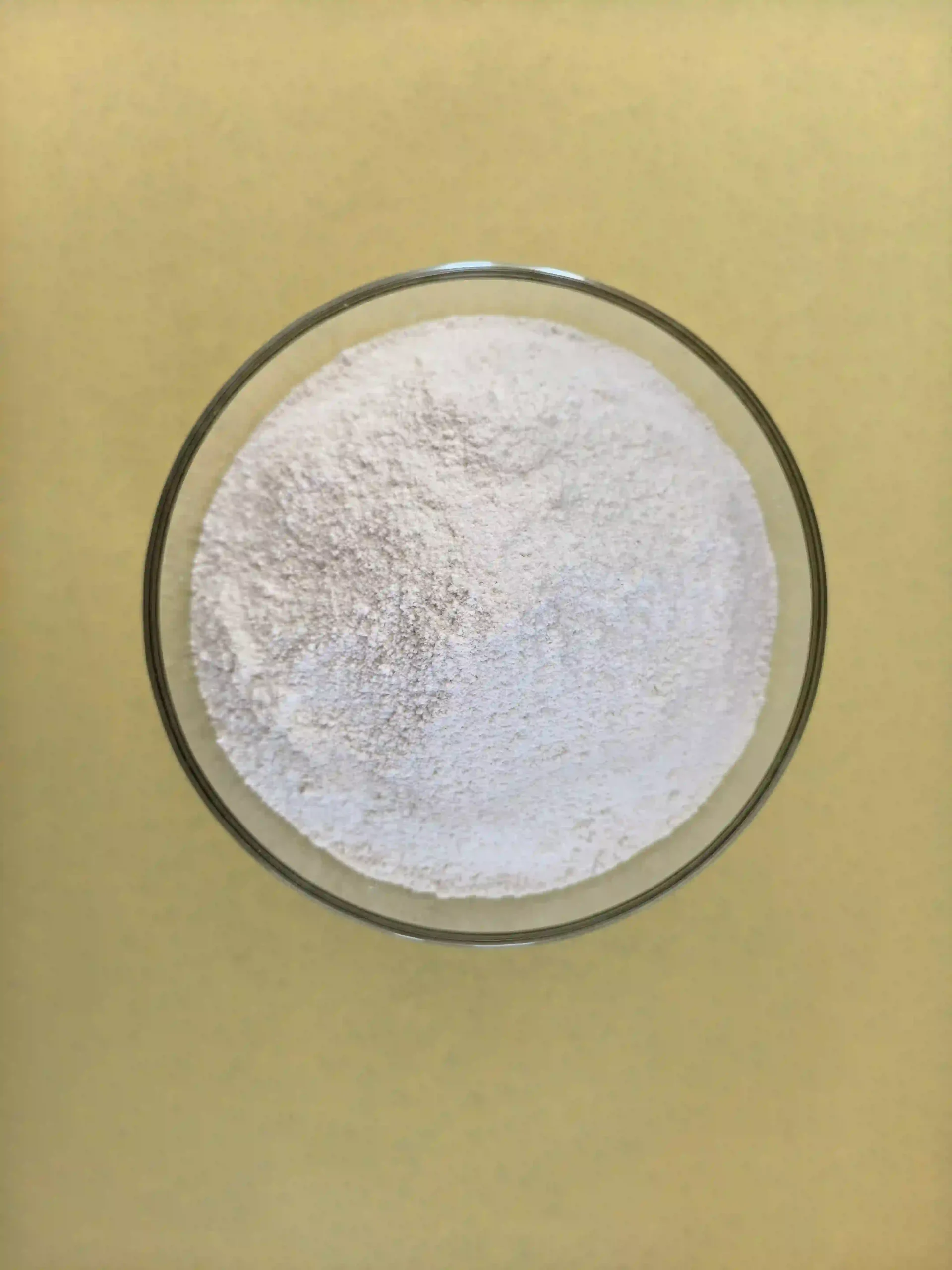
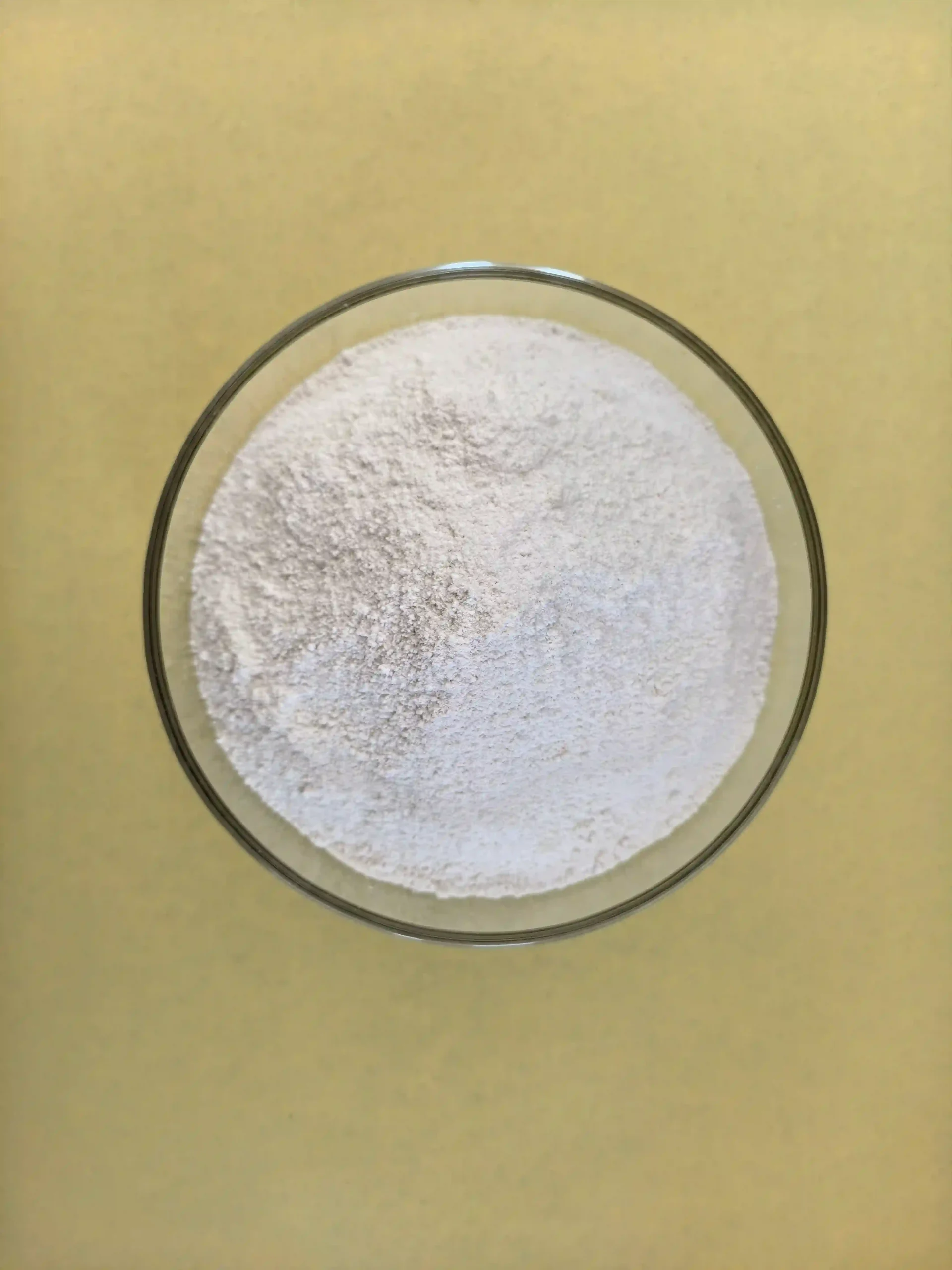
Zinc oxide appears as a pure white powder, odorless and tasteless, with a fine texture. As a colorant, it imparts a uniform and translucent whiteness to products without interference from other colors. It can be used alone as a white colorant or blended with other pigments to create various light colors, such as light yellow and off-white. Compared with traditional white colorants, a significant advantage of zinc oxide is that it does not turn black when exposed to hydrogen sulfide gas (because the resulting zinc sulfide is also white), effectively preventing discoloration and yellowing of products during long-term use, and exhibiting extremely strong coloring stability. Meanwhile, its physicochemical properties—insoluble in water and ethanol, but soluble in acids and strong alkalis—make it compatible with various coloring systems, including water-based, oil-based, and powder-based systems, far exceeding the compatibility of ordinary organic colorants.
Unlike simple colorants, zinc oxide, when used as a colorant, can also impart multiple additional functions to products, achieving an integrated “coloring + function.” Firstly, it possesses excellent ultraviolet absorption capabilities, effectively blocking UV damage to products, especially suitable for outdoor coatings, plastics, and textiles, extending product lifespan. Secondly, it has certain bactericidal and astringent properties, which can help enhance the skin-care and protective effects of products used as colorants in pharmaceutical ointments and cosmetics. Thirdly, in rubber and plastic systems, it can also play a reinforcing and vulcanization-activating role, balancing coloring with improved product mechanical properties and reducing production costs.
Zinc oxide possesses extremely high melting points (1975℃) and boiling points (2360℃), exhibiting exceptional resistance to high temperatures, acids, alkalis, and weathering. When used as a colorant, it maintains uniform coloring even under extreme conditions such as high-temperature processing, outdoor exposure, and acidic/alkaline environments, without fading or peeling. Furthermore, its moderate density (5.6 g/cm³) and good dispersibility allow for uniform dispersion in various substrates, preventing uneven coloring and clumping. It is adaptable to different processing requirements, maintaining stable coloring effects whether through high-temperature calcination, melt processing, or room-temperature mixing.
The coatings industry is the largest application area for zinc oxide colorants, accounting for approximately 38%, primarily used in the production of white and light-colored coatings, covering sub-sectors such as architectural coatings, industrial coatings, and automotive coatings. In architectural coatings, zinc oxide, as a white colorant, can be used to prepare interior and exterior wall paints. It not only imparts a pure whiteness to walls but also improves the paint’s weather resistance and stain resistance, preventing yellowing and fading after prolonged sun exposure. In industrial coatings, it is used for coating machinery and hardware, providing both coloring and anti-corrosion/sun protection. In automotive coatings, it can be used for light-colored body paint, improving adhesion and aging resistance, and extending the lifespan of the paint. Furthermore, utilizing the property of zinc oxide turning light yellow upon heating and returning to white upon cooling, color-changing coatings can be prepared for special applications.
In the ceramics industry, zinc oxide, as a colorant and flux, is mainly used in the production of ceramic glazes and pigments. As a white colorant, it can be used to prepare white glazes and opaque glazes, giving ceramic products a pure whiteness and a delicate luster. Simultaneously, its fluxing effect lowers the melting temperature of the glaze, promoting a smooth glaze surface and reducing defects. In addition, zinc oxide can be compounded with other pigments to prepare various ceramic colorants such as zinc-iron brown, zinc green, and zinc blue, used for coloring ceramic patterns and designs, and widely applied in daily-use ceramics, building ceramics, and art ceramics. In artistic crystalline glazes, zinc oxide is also an indispensable crystallizing agent, forming beautiful crystalline patterns and enhancing the artistic value of ceramic products.

In the cosmetics industry, zinc oxide is used as a white colorant in foundation, loose powder, and other products. In the rubber industry, zinc oxide is not only a vulcanizing activator and reinforcing agent, but also a core colorant for white rubber products, mainly used in the production of white and light-colored rubber products, such as rubber tires, rubber gloves, and rain boots.
As a multifunctional inorganic colorant, zinc oxide has become an important raw material in many fields such as coatings, rubber, and ceramics, due to its advantages, such as stable coloring, environmental friendliness, wide compatibility, and additional functions.