
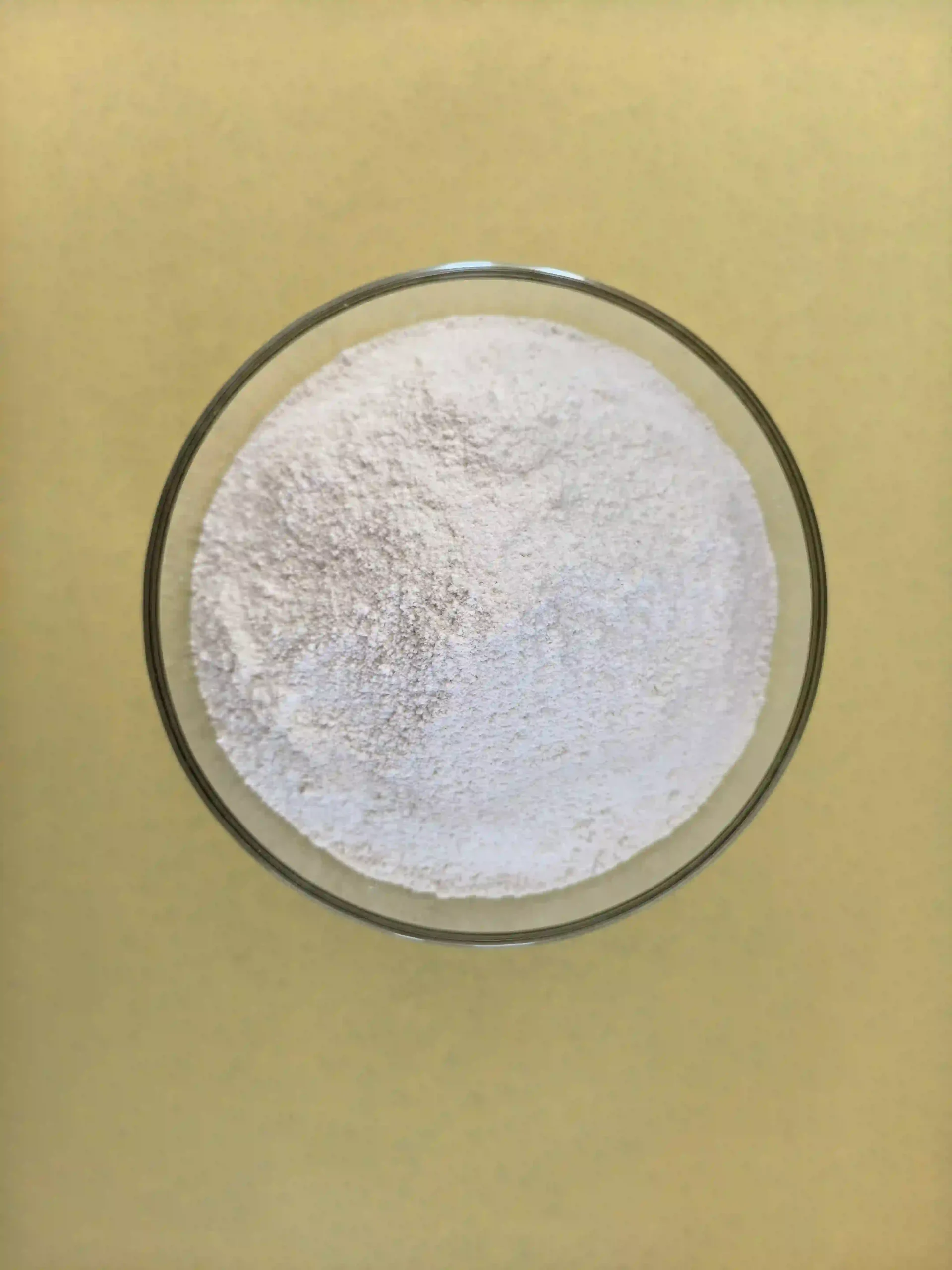
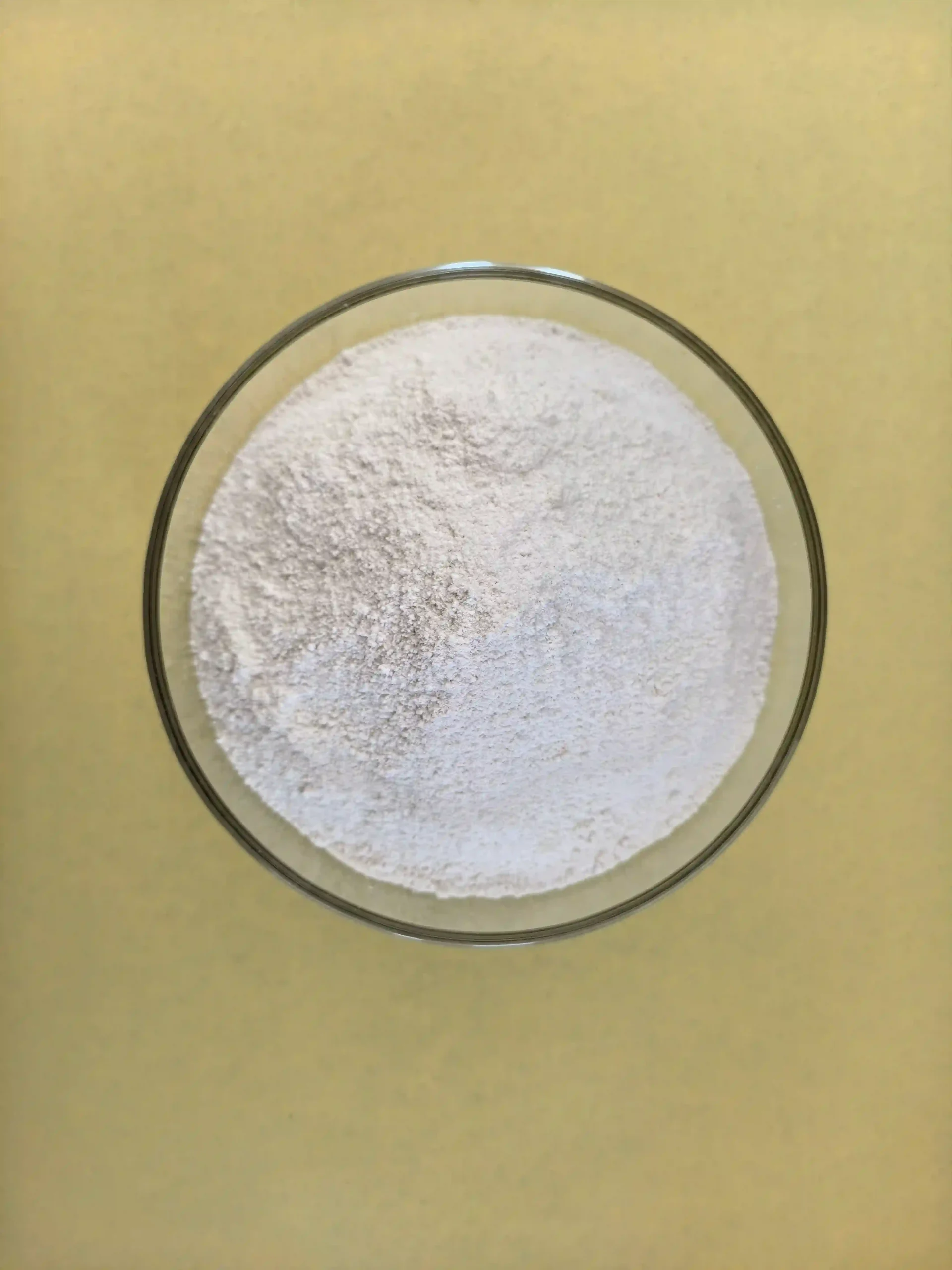
The textile dyeing and printing industry is a major consumer of industrial water in China, and it is also a key industry characterized by high pollution and high emissions. The printing and dyeing production process generates large volumes of organic wastewater containing dyes, sizing agents, and auxiliaries. This type of wastewater is characterized by high color intensity, high COD levels, and poor biodegradability, and contains a large amount of recalcitrant aromatic organic pollutants. Conventional treatment processes such as coagulation, sedimentation, and biological treatment struggle to achieve complete degradation, making it highly likely to cause water pollution and damage aquatic ecosystems. Against the backdrop of the “Dual Carbon” policy and stringent environmental regulations, nano-zinc oxide photocatalytic technology—with its advantages of high catalytic efficiency, environmental friendliness, controllable costs, and the ability to thoroughly degrade organic pollutants—has become one of the core technologies for advanced treatment of textile dyeing wastewater and is widely applied in the field of textile wastewater treatment.
Textile dyeing wastewater has an extremely complex composition. In addition to large amounts of suspended impurities, the core pollutants include reactive dyes, acid dyes, disperse dyes, and various organic auxiliaries. These organic pollutants exhibit exceptional stability and resistance to degradation, presenting the primary challenge in wastewater treatment.

First, the organic dye molecules in textile printing and dyeing wastewater are predominantly aromatic conjugated structures. They are chemically stable and resistant to acids, alkalis, and light exposure. Conventional wastewater treatment processes can only achieve flocculation and sedimentation of pollutants; they cannot break down the molecular structure, merely transferring the pollutants rather than completely degrading them. Second, some organic pollutants from textile printing and dyeing are toxic; direct discharge can inhibit microbial activity in water bodies, disrupt their self-purification capacity, and lead to water quality deterioration through long-term accumulation. Finally, traditional wastewater treatment processes suffer from high operational and maintenance costs, severe secondary pollution, and incomplete degradation. They struggle to meet today’s stringent standards for industrial wastewater discharge compliance and reclaimed water reuse, creating an urgent need for new, highly efficient, and environmentally friendly treatment technologies.
Nano-zinc oxide is a typical wide-bandgap semiconductor nano-functional material. Compared to traditional photocatalytic materials such as titanium dioxide, nano-zinc oxide exhibits stronger photocatalytic activity, a broader spectral response range, and a higher cost-effectiveness ratio, making it an ideal catalytic material for the degradation of organic pollutants in textile dyeing wastewater, with highly prominent core advantages.
-
High photocatalytic activity and excellent degradation efficiency.
Nano-zinc oxide possesses unique nanoscale and surface effects, featuring a large specific surface area and abundant active sites. Under light irradiation, it rapidly generates photo-generated electrons and holes, producing highly oxidative active species such as hydroxyl radicals and superoxide radicals. These can quickly break the molecular chemical bonds of organic pollutants in textile dyeing wastewater, decomposing large-molecule, hard-to-degrade organic compounds into small-molecule inorganic substances.
-
Environmentally friendly with no secondary pollution.
Nano-zinc oxide is chemically stable, non-toxic, harmless, and corrosion-resistant. The photocatalytic reaction process requires no additional chemical additives and does not produce secondary pollutants such as sludge or waste residue. The reaction products are primarily harmless substances such as carbon dioxide and water, aligning with the needs of green and environmentally friendly industrial treatment.
-
Stable performance and reusable.
The modified and optimized nano-zinc oxide material exhibits strong resistance to photodegradation and does not degrade easily under light exposure. It maintains high photocatalytic degradation efficiency even after multiple cycles of reuse, significantly reducing consumable and operational costs associated with textile dyeing wastewater treatment.
-
Broad applicability and comprehensive treatment results.
It can efficiently degrade various hard-to-degrade organic pollutants in textile dyeing wastewater, such as reactive red, reactive blue, disperse dyes, printing pastes, and surfactants, while simultaneously achieving multiple effects including decolorization, COD reduction, and detoxification.
The core principle behind the photocatalytic degradation of organic pollutants in textile dyeing wastewater by nano-zinc oxide is the photogenerated carrier redox reaction; the entire process is highly efficient, thorough, and pollution-free. When sunlight or ultraviolet light strikes the surface of the nano-zinc oxide catalyst, the nano-zinc oxide absorbs light energy, causing electrons in the valence band to be excited and transition to the conduction band, forming highly reactive photogenerated electron-hole pairs. The photogenerated holes can directly oxidize and decompose the organic pollutants adsorbed on the catalyst surface. At the same time, they react with oxygen and water molecules in the solution. The resulting free radicals can indiscriminately attack stable aromatic dye molecules and organic auxiliary molecules in the dyeing wastewater, thoroughly destroying their conjugated chromophore structures and organic frameworks, and gradually oxidizing and decomposing complex organic pollutants into CO₂, H₂O, and harmless inorganic salts, thereby fundamentally achieving wastewater decolorization and the complete degradation of organic pollutants.
Currently, nano-zinc oxide photocatalytic technology has been widely applied in scenarios such as advanced treatment of end-of-pipe wastewater from textile printing and dyeing plants, reuse of treated wastewater in the printing and dyeing process, and pretreatment of high-concentration organic wastewater from printing and dyeing, becoming a core technology for environmental protection upgrades in the printing and dyeing industry. At the same time, through modified nano-zinc oxide technology (such as metal doping and composite material modification), the light-responsive range of nano-zinc oxide can be effectively broadened, overcoming the limitation of traditional pure nano-zinc oxide—which responds only to ultraviolet light—to achieve highly efficient catalysis under visible light. This significantly improves the utilization rate of natural light and makes the technology suitable for large-scale industrial wastewater treatment facilities.