
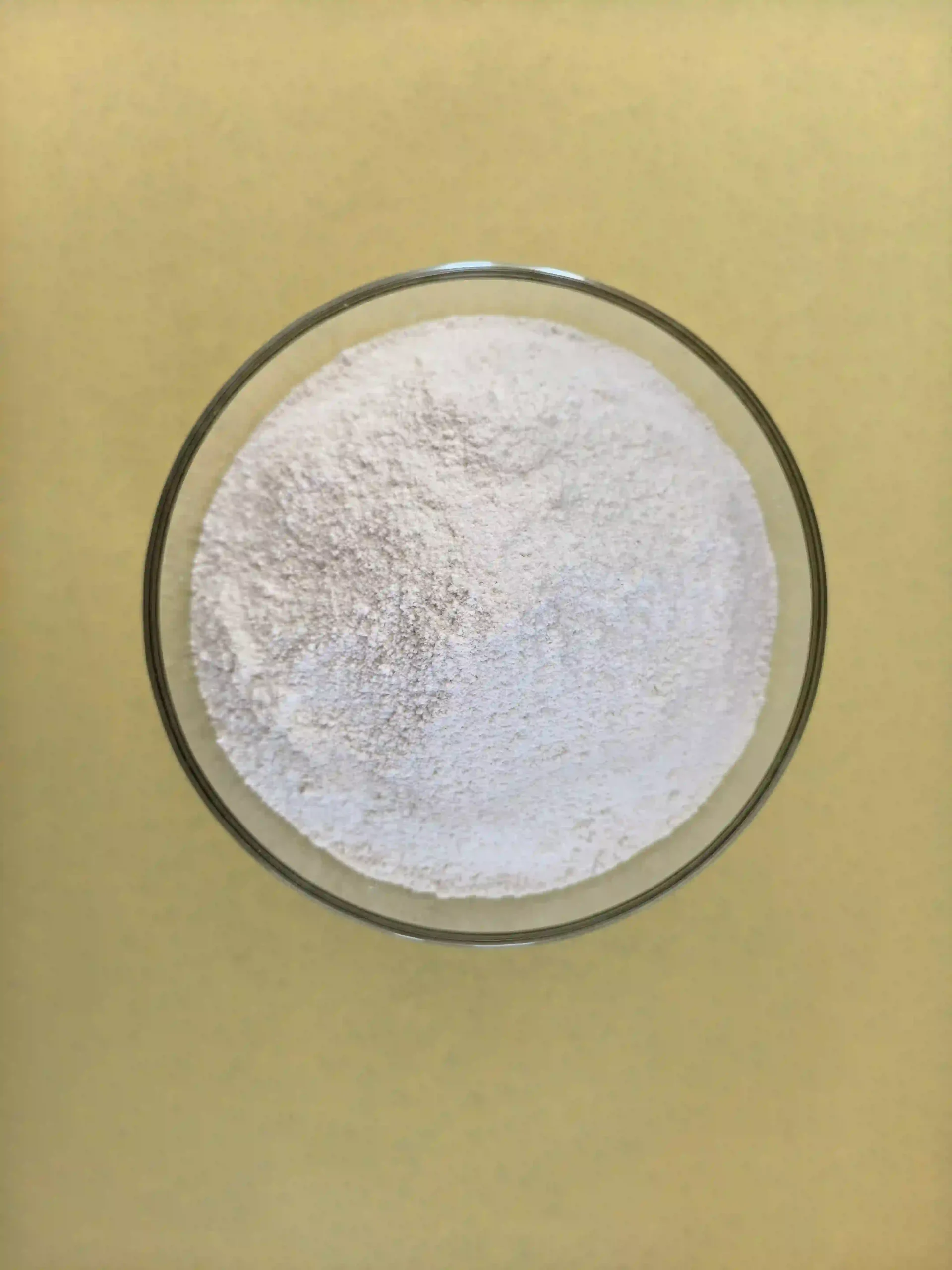
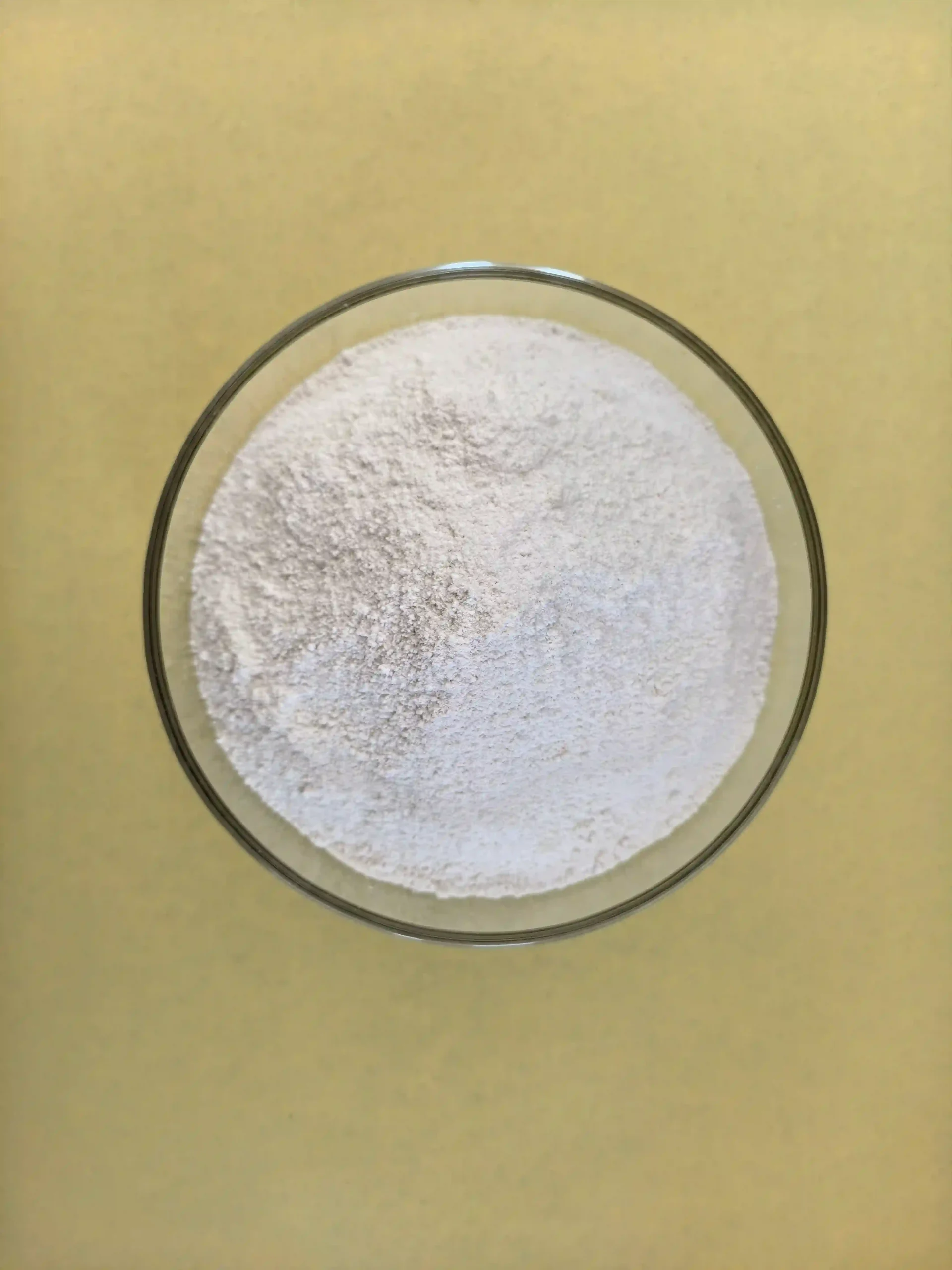
Active zinc oxide can offer greater vulcanization efficiency than conventional ZnO in many rubber formulations. Its controlled particle size, higher specific surface area, and greater reactivity can improve zinc utilization and support more efficient curing at an appropriate dosage. Conventional zinc oxide remains widely used, but its performance can vary with particle characteristics and the overall rubber formulation. This article compares active zinc oxide and regular ZnO in terms of reactivity, dosage, cure behavior, dispersion, applications, and sourcing considerations.
What Makes Active Zinc Oxide Different From Regular Zinc Oxide
Zinc oxide has long been an important component in rubber compounding, particularly in sulfur-vulcanized systems. It primarily acts as a vulcanization activator, helping the accelerator and sulfur system form an effective crosslinking network. However, different zinc oxide grades can behave differently in a rubber compound. The main distinction between conventional ZnO and active zinc oxide lies in particle characteristics, specific surface area, and resulting reactivity.
Regular zinc oxide, also referred to as conventional or standard ZnO, generally has a larger particle size and lower specific surface area than active grades. Active zinc oxide for rubber is designed with more controlled particle characteristics and a higher available surface area, which can increase its interaction with other components of the curing system. As a result, the required ZnO dosage may be reduced in some formulations, although the appropriate level depends on the rubber type, curing system, accelerator package, and target properties.
Why Particle Size and Specific Surface Area Matter
Particle size and specific surface area influence how effectively zinc oxide interacts with the rubber compound. Smaller particles can provide greater surface area per unit mass, increasing the number of available sites for interaction with components such as stearic acid and accelerators. This can affect cure kinetics and zinc utilization during vulcanization.
For this reason, active zinc oxide may support efficient curing at a lower dosage in certain rubber formulations. However, a lower ZnO loading should not be assumed for every application. Compounders should evaluate cure characteristics and final physical properties when replacing conventional zinc oxide with an active zinc oxide rubber grade.
Specific surface area is commonly evaluated using BET testing, while rubber compounds can be assessed through rheometer testing to compare parameters such as scorch time, cure time, and torque development. These measurements provide a more reliable basis for evaluating the performance of an active ZnO grade than particle size alone.
How Active Zinc Oxide Affects Rubber Processing and Performance
The potential benefits of active zinc oxide extend beyond vulcanization efficiency. Depending on the rubber formulation and curing system, an active ZnO grade can influence cure behavior, dispersion, processing consistency, and the amount of zinc oxide required. These factors can be important when compounders evaluate active zinc oxide for rubber manufacturing.
Cure Behavior and Crosslinking
An efficient curing system can help manufacturers achieve consistent processing and final properties. Active zinc oxide can improve the availability of zinc within the curing system, which may influence accelerator activation and cure kinetics. The actual effect on cure time depends on the rubber type, accelerator package, sulfur level, and other compounding ingredients.
Crosslink density is another important consideration. An appropriate crosslinking network contributes to properties such as tensile strength, elasticity, and compression set. However, these properties are determined by the complete vulcanization system rather than zinc oxide alone. Compounders should therefore evaluate active ZnO together with the overall formulation and target product requirements.
Dispersion and Processing Consistency
Uniform dispersion of zinc oxide is important for consistent vulcanization throughout a rubber compound. Poor dispersion can contribute to variations in cure behavior and physical properties, particularly when the material is not adequately incorporated during mixing.
Because active zinc oxide grades are typically designed with controlled particle characteristics and higher specific surface area, they may provide improved interaction with the rubber compound when properly dispersed. For applications such as rubber hoses, sealing strips, and extruded profiles, consistent dispersion can support more uniform processing and product quality.
ZnO Dosage and Zinc Reduction
One potential advantage of active zinc oxide is the opportunity to optimize ZnO dosage in selected rubber formulations. Because active grades can offer higher reactivity or more efficient zinc utilization, compounders may achieve the required cure performance with lower ZnO loading.
However, determine dosage reduction through formulation testing rather than applying a fixed replacement ratio. Cure rheometry, tensile testing, hardness testing, and other relevant evaluations can help determine whether a lower ZnO level maintains the required performance.
Reducing ZnO dosage can also reduce the total amount of zinc introduced into the rubber compound. This may support zinc-reduction efforts where environmental requirements or customer specifications place limits on zinc content. The actual environmental benefit depends on the formulation, product application, and applicable regulatory requirements.
| Property | Regular Zinc Oxide | Active Zinc Oxide |
|---|---|---|
| Particle characteristics | Conventional | More controlled |
| Specific surface area | Typically lower | Typically higher |
| Reactivity in curing system | Standard | Higher in suitable grades |
| ZnO dosage | Formulation-dependent | May allow optimization |
| Dispersion | Depends on grade and mixing | May provide improved interaction |
| Zinc reduction potential | Standard | Potentially higher |
| Cost per kg | Typically lower | Typically higher |
| Cost per performance | Depends on formulation | Depends on formulation and dosage |
Where Is Active Zinc Oxide Used in Rubber Manufacturing?
Active zinc oxide is used across a range of rubber formulations, particularly where controlled curing, consistent dispersion, and efficient use of ZnO are important. However, its effect depends on the rubber type, curing system, and overall formulation. Conventional ZnO may still be suitable for applications with less demanding performance or dosage requirements.
-
Extruded Rubber Products
Extruded rubber products such as sealing strips, hoses, cable sheaths, and rubber profiles require consistent compound flow and uniform curing. Active zinc oxide can contribute to efficient activation of the curing system and consistent vulcanization when properly incorporated into the compound.
For automotive sealing strips and rubber profiles, formulation consistency is important for maintaining dimensional accuracy and surface quality. In hoses and other extruded products, compound design must also account for requirements such as tensile strength, tear resistance, aging resistance, and compatibility with the service environment. Active ZnO should therefore be evaluated as part of the complete curing system rather than as a standalone performance additive.
-
Tires and Inner Tubes
Tire compounds involve complex combinations of polymers, fillers, sulfur, accelerators, and other additives. Zinc oxide plays an important role in the vulcanization system, while the required grade and dosage depend on the specific compound and tire component.
In inner tubes, rubber formulations must provide appropriate elasticity, strength, and air retention. In tire compounds, properties such as tensile strength, tear resistance, abrasion resistance, and dynamic performance depend on the overall formulation and curing conditions. Active zinc oxide may be considered when compounders are looking to optimize ZnO utilization and cure behavior.
For steel-reinforced tire components, rubber-to-steel adhesion is another important formulation requirement. The effect of ZnO on adhesion should be evaluated together with the complete bonding system, rather than attributed to zinc oxide alone.
-
Conveyor Belts
Conveyor belt compounds used in mining, metallurgy, ports, and other demanding environments must withstand abrasion, impact, repeated flexing, and exposure to different operating conditions. The rubber cover formulation therefore requires a balanced combination of strength, tear resistance, abrasion resistance, and aging performance.
Active zinc oxide can be used as part of the vulcanization system in conveyor belt compounds. Its higher reactivity may help compounders optimize curing efficiency and ZnO utilization, but the final performance of the belt depends on the complete formulation and processing conditions.
-
Rubber Balls and Molded Goods
Molded rubber products, including sports balls and other flexible rubber goods, require controlled vulcanization to achieve consistent elasticity, resilience, strength, and dimensional stability. Active zinc oxide can contribute to the curing system by supporting accelerator activation and zinc utilization.
For products such as rubber balls, the appropriate formulation depends on the required hardness, resilience, air retention, durability, and surface
How Active Zinc Oxide Supports Zinc Reduction and Sustainability Goals
Reducing zinc use is an important consideration for some rubber manufacturers because zinc released from rubber products or manufacturing processes can contribute to environmental concerns when present at elevated levels. As a result, compounders may look for ways to optimize ZnO dosage while maintaining the required curing and physical properties.
Active zinc oxide can support this approach in selected rubber formulations. Its higher reactivity and available surface area may allow compounders to optimize the amount of ZnO used in the curing system. However, any dosage reduction should be confirmed through formulation and performance testing rather than treated as a fixed replacement ratio.
The potential environmental benefit therefore comes primarily from reducing the total amount of zinc oxide used in a formulation. The actual impact depends on the ZnO dosage, product application, manufacturing process, and applicable environmental requirements.
For manufacturers supplying markets with specific restrictions on substances or zinc content, active zinc oxide may be considered as part of a broader zinc-reduction strategy. Product specifications, regulatory requirements, and application-specific testing should be reviewed before making environmental or compliance claims.
Comparing Active Zinc Oxide With Other Zinc Oxide Grades
Active zinc oxide is one of several ZnO options available for rubber compounding. Conventional, active, nano, and surface-treated grades can differ in particle characteristics, surface area, reactivity, dispersion behavior, and cost. The appropriate grade depends on the rubber formulation and performance requirements.
| Grade | Particle Characteristics | Relative Surface Area | Typical Application Focus | Dosage |
|---|---|---|---|---|
| Regular ZnO | Conventional | Lower | General rubber compounding | Formulation-dependent |
| Active ZnO | More controlled | Higher | Efficient vulcanization and ZnO optimization | Formulation-dependent |
| Nano ZnO | Very fine | Very high | Specialty or high-surface-area applications | Formulation-dependent |
| Coated or surface-treated ZnO | Grade-dependent | Grade-dependent | Specific dispersion or compatibility requirements | Formulation-dependent |
Nano zinc oxide can provide a substantially higher surface area than conventional grades, but its use may involve different cost, handling, dispersion, and formulation considerations. Coated or surface-treated ZnO grades are developed for specific dispersion or compatibility requirements. Active zinc oxide provides another option for compounders seeking a balance between reactivity, processing requirements, and ZnO utilization.
What to Look for When Sourcing Active Zinc Oxide
Selecting an active zinc oxide grade for rubber requires more than comparing ZnO purity or price per kilogram. Particle size distribution, specific surface area, reactivity, dispersion behavior, heavy metal content, and batch consistency can all affect how the material performs in a rubber formulation. Buyers should evaluate these specifications against the requirements of the target rubber application and curing system.
Key Specifications to Check
When sourcing active zinc oxide for rubber, review the supplier’s technical data sheet and certificate of analysis (COA) for relevant specifications. Depending on the application, important parameters may include:
- ZnO purity: Confirm the zinc oxide content and applicable specification for the intended rubber grade.
- Specific surface area: BET surface area can help indicate the available surface area of the ZnO particles.
- Particle size distribution: Particle characteristics can affect dispersion, reactivity, and interaction with the curing system.
- Heavy metal content: Lead, cadmium, mercury, and other restricted substances should be evaluated according to the requirements of the target market and application.
- Dispersion characteristics: Determine whether the grade is intended for general-purpose rubber compounding or specific polymer and processing systems.
- Batch consistency: Consistent physical and chemical properties are important for maintaining stable compound performance from batch to batch.
Match the ZnO Grade to the Rubber Application
The most suitable active zinc oxide grade depends on the rubber type, curing system, processing method, and required final properties. A grade suitable for natural rubber may not provide identical results in EPDM, SBR, or nitrile rubber compounds.
For this reason, buyers should consider application-specific technical support rather than selecting a grade based only on purity or unit price. Sample evaluation and laboratory compounding can help determine whether the active ZnO provides the required cure behavior and physical properties.
Supplier Documentation and Technical Support
A reliable active zinc oxide supplier should be able to provide relevant product documentation, including a technical data sheet, certificate of analysis, safety documentation, and information on applicable regulatory or restricted-substance requirements.
For larger-volume rubber production, buyers should also consider production consistency, packaging options, lead time, sample availability, and technical support. These factors can be just as important as the nominal ZnO specification when evaluating a long-term rubber-grade zinc oxide supplier.
FAQ
Q: Does Active Zinc Oxide Work in All Rubber Systems?
Active zinc oxide is used in many rubber systems, particularly sulfur-cured formulations. Its effect can vary with the polymer, curing system, accelerator package, and other compounding ingredients. Peroxide-cured systems may require a different evaluation because ZnO does not play the same role.
Q: Can Active Zinc Oxide Replace Regular ZnO?
Active zinc oxide can replace conventional ZnO in some rubber formulations, but it should not be treated as a direct drop-in replacement. Dosage and curing conditions may need adjustment, followed by rheometer and physical-property testing to confirm the required performance.
Q: Is Active Zinc Oxide More Expensive?
Active zinc oxide may have a higher price per kilogram than conventional ZnO. However, total cost depends on dosage, formulation efficiency, processing, and performance requirements. Buyers should compare cost per formulation or finished product rather than evaluating price per kilogram alone.
Q: Can Active Zinc Oxide Reduce ZnO Dosage?
It may allow lower ZnO loading in selected rubber formulations because of its higher reactivity and available surface area. The appropriate dosage is formulation-dependent and should be established through cure testing and physical-property evaluation rather than applying a fixed reduction percentage.
Q: How Should Active Zinc Oxide Be Tested Before Use?
Before full-scale production, compounders can compare active and conventional ZnO through laboratory mixing and cure rheometry. Parameters such as scorch time, cure time, torque development, hardness, tensile strength, and other application-specific properties can help determine whether the grade meets formulation requirements.
Q: What Should Buyers Check When Sourcing Active Zinc Oxide?
Buyers should review ZnO purity, BET surface area, particle size distribution, heavy metal content, dispersion characteristics, and batch consistency. A supplier should also be able to provide documents such as a TDS and COA, along with samples and application-specific technical support when required.
Conclusion
Active zinc oxide can provide more efficient ZnO utilization and controlled curing in suitable rubber formulations. Its particle characteristics and higher specific surface area may support cure efficiency, dispersion, and dosage optimization across applications such as tires, extruded rubber products, conveyor belts, and molded goods.
The right grade still depends on the rubber type, curing system, and performance requirements. If you are evaluating active zinc oxide for your rubber formulation, review the grade specifications, request technical documentation and samples, and discuss application requirements with a qualified supplier.