
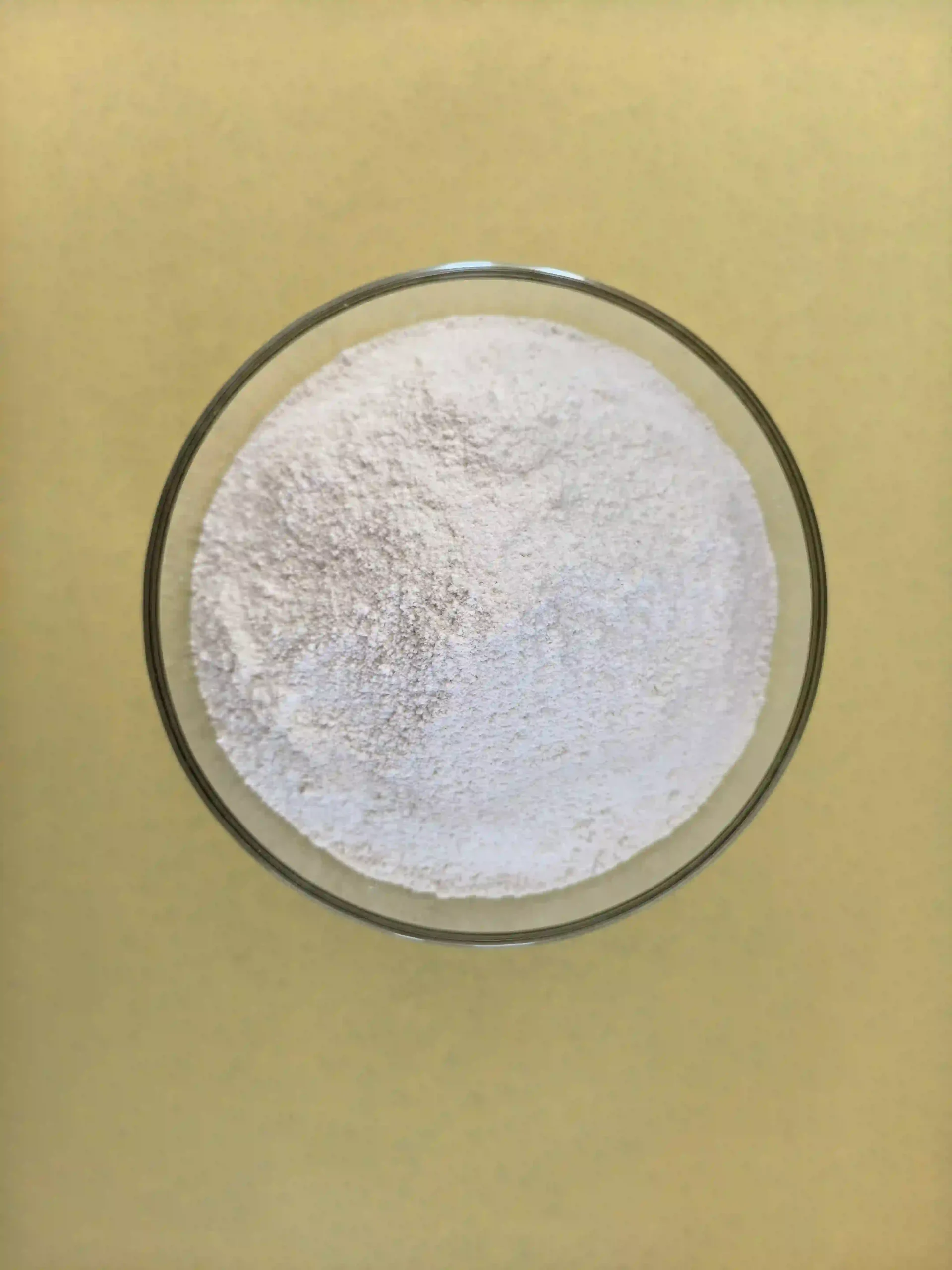
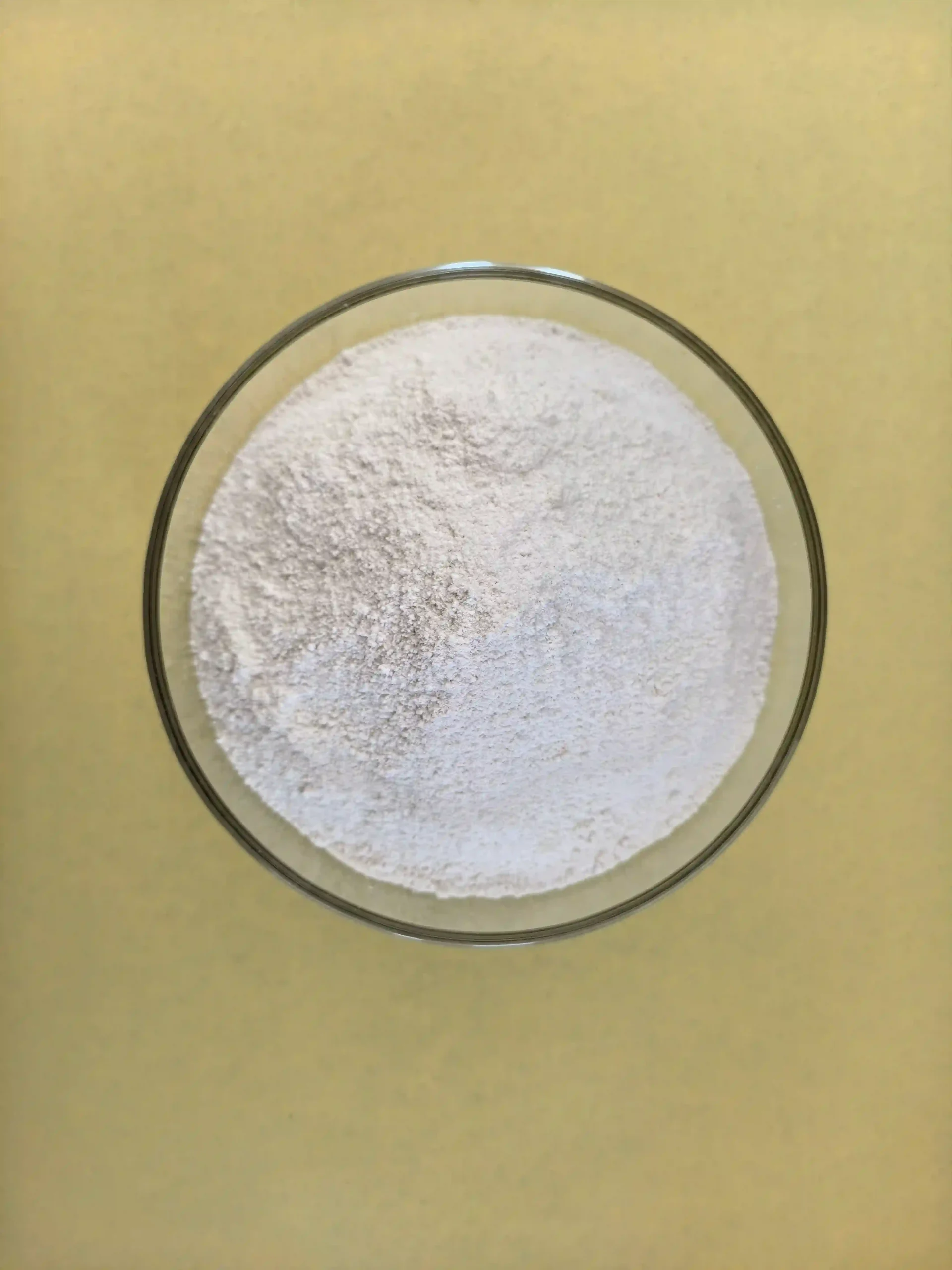
During the production, storage, and use of rubber products, surface whitening, blooming, and the formation of white powder are common quality issues in the industry. Most on-site technicians tend to attribute this problem to an improper zinc oxide ratio. However, based on the principles of rubber formulation systems and their physicochemical properties, zinc oxide rarely causes rubber blooming directly; it only triggers secondary whitening issues under specific conditions, such as severe imbalances in the formulation or poor raw material quality. Blindly adjusting the amount of zinc oxide not only fails to resolve the blooming issue but also directly disrupts the balance of the vulcanization system, leading to insufficient cross-linking, unstable hardness, reduced tensile strength, and deteriorated heat resistance and aging resistance in the finished products.
Rubber blooming (whitening) is essentially a physical precipitation phenomenon in which small-molecule compounding agents within the rubber compound exceed the saturation solubility of the rubber matrix, lack sufficient compatibility with the compound, or are unevenly dispersed, causing them to gradually migrate to the product’s surface where they crystallize and precipitate, forming a white film or white powder. There is a widespread misconception in the industry that “whitening is caused by zinc oxide precipitation,” primarily because zinc oxide is a white powder that resembles blooming in appearance. However, from a physicochemical perspective, conventional indirect- and direct-method zinc oxides are inorganic metal oxides with extremely low solubility in rubber and very weak molecular migration capacity. They do not possess the migration and blooming characteristics of small-molecule additives and will not spontaneously bloom during normal production and storage under standard formulation ratios. In actual production, the vast majority of whitening issues caused by blooming in rubber stem from the precipitation of small-molecule additives—such as sulfur, various organic accelerators, stearic acid, paraffin wax, and antioxidants—rather than from zinc oxide itself.

As a core activator in rubber vulcanization, zinc oxide is formulated at industry-standard ratios suitable for the vast majority of natural rubber and general-purpose synthetic rubber systems, ensuring a stable and thorough vulcanization cross-linking reaction. Although an imbalance in the zinc oxide ratio does not directly cause typical blooming, it can induce secondary whitening or significantly exacerbate existing blooming defects. When zinc oxide is present in excess, excess unreacted free zinc oxide powder remains trapped within the rubber compound; uneven mixing can lead to agglomerated particles, resulting in a dull, whitish surface and a rough texture on the finished product. Under conditions of high temperature and humidity, exposure to rain or water, or prolonged aging in a hot and humid environment, free zinc oxide reacts with moisture and carbon dioxide in the air to form white zinc carbonate deposits that adhere to the surface, creating a pseudo-blooming effect that is easily misinterpreted as blooming caused by additives. When the zinc oxide content is insufficient, the vulcanization activation system is incomplete. The amount of zinc stearate—formed by the reaction between stearic acid and zinc oxide—is inadequate, leading to incomplete vulcanization and low cross-linking density. As a result, large amounts of unreacted sulfur and accelerators remain in the compound, exceeding its saturation solubility limit. This significantly exacerbates blooming from the primary additives, causing the whitening phenomenon to occur more rapidly and become more severe.
Aside from the secondary effects of an imbalanced zinc oxide ratio, the core causes of rubber blooming are concentrated in four key areas: the formulation system, production process, raw material quality, and storage environment. From a formulation perspective, excessive levels of vulcanization system additives are the primary cause. Different rubber types have varying tolerances for sulfur, and excessive sulfur addition is the most common trigger for blooming. At the same time, excessive amounts of accelerators, poor compatibility among multiple accelerator blends, and improper combinations can also lead to the accumulation and precipitation of low-molecular-weight additives. An imbalance in the stearic acid and zinc oxide system is another frequent cause. In the formulation, stearic acid is primarily used to form active zinc soaps with zinc oxide. If stearic acid is present in excess or the ratio is mismatched, free stearic acid will migrate to the surface and form a greasy white bloom—a scenario that is most commonly misidentified on-site as whitening caused by zinc oxide. At the process level, insufficient mixing time, uneven powder incorporation, and inadequate shear can lead to localized concentrations of additives exceeding acceptable limits; low vulcanization temperatures, insufficient vulcanization time, and under-vulcanization can result in a large number of additives failing to react; blending new and old rubber or arbitrarily adding reclaimed rubber can disrupt the original formulation balance and trigger widespread blooming. Regarding raw materials and environmental factors, low-purity zinc oxide—which has high impurity content and poor dispersibility—is prone to agglomeration and whitening; highly active nano-zinc oxide, with its large specific surface area and strong hygroscopicity, is more susceptible to hydrolysis and whitening in humid environments; and prolonged storage of finished products under high temperature and humidity, coupled with temperature fluctuations, accelerates the migration of low-molecular-weight additives and the degradation of powder surfaces, exacerbating the whitening issue.
On-site, simple non-destructive testing can quickly distinguish between secondary whitening caused by zinc oxide and true efflorescence caused by additives, accurately pinpointing the root cause of the problem. True efflorescence caused by sulfur, accelerators, or stearic acid: The surface exhibits a uniform, fine crystalline white bloom that can be quickly wiped away with alcohol, leaving the surface clean; however, the bloom will re-form after being left at room temperature or subjected to mild heating, with no noticeable granular or rough texture. Pseudo-whitening caused by zinc oxide: The surface typically exhibits a matte white film with a fine granular texture. It is difficult to completely remove with alcohol, and while it does not re-form immediately upon heating, the whitening will continue to worsen when left in a persistently humid environment; it remains relatively stable in dry conditions.
The key to resolving rubber blooming and whitening lies in targeted corrective measures; avoid blindly adjusting the zinc oxide dosage. In formulation, adopt industry-standard zinc oxide ratios and prioritize high-purity industrial zinc oxide with good dispersibility and low moisture absorption to prevent agglomeration and whitening caused by low-quality powders. Focus on optimizing the vulcanization system by precisely controlling the addition of sulfur and accelerators based on the characteristics of the rubber type. Prevent any single additive from exceeding specified limits; rationally blend accelerators to enhance compatibility; match the ratio of stearic acid to zinc oxide to ensure a thorough activation reaction and minimize residual free additives. In terms of processing, we ensure sufficient mixing time and uniform shearing to guarantee consistent dispersion of additives. We precisely control vulcanization temperature and time to prevent under-vulcanization and localized insufficient vulcanization, and we standardize the blending ratio of reclaimed rubber to avoid formulation instability. During storage, we maintain a dry and well-ventilated environment to avoid prolonged high humidity, exposure to rain, and drastic temperature fluctuations, thereby reducing the risk of additive migration and powder hydrolysis-induced whitening from an environmental perspective.
In summary, whitening and blooming in rubber products are not directly caused by an improper zinc oxide ratio. Abnormal zinc oxide levels only lead to surface roughness, moisture absorption, and whitening, or indirectly exacerbate blooming; these are secondary or derivative issues. The primary causes of blooming are excessive sulfur and accelerator levels, an imbalance in the stearic acid system, insufficient vulcanization, poor additive dispersion, and degraded storage conditions. On-site investigations should prioritize verification of the vulcanization system formulation, mixing and vulcanization processes, raw material quality, and storage conditions; under no circumstances should the amount of zinc oxide be increased or decreased blindly. Only through a well-balanced formulation, stable and controllable processes, and standardized raw materials and storage conditions can the problem of blooming and whitening in rubber products be resolved at its root.