
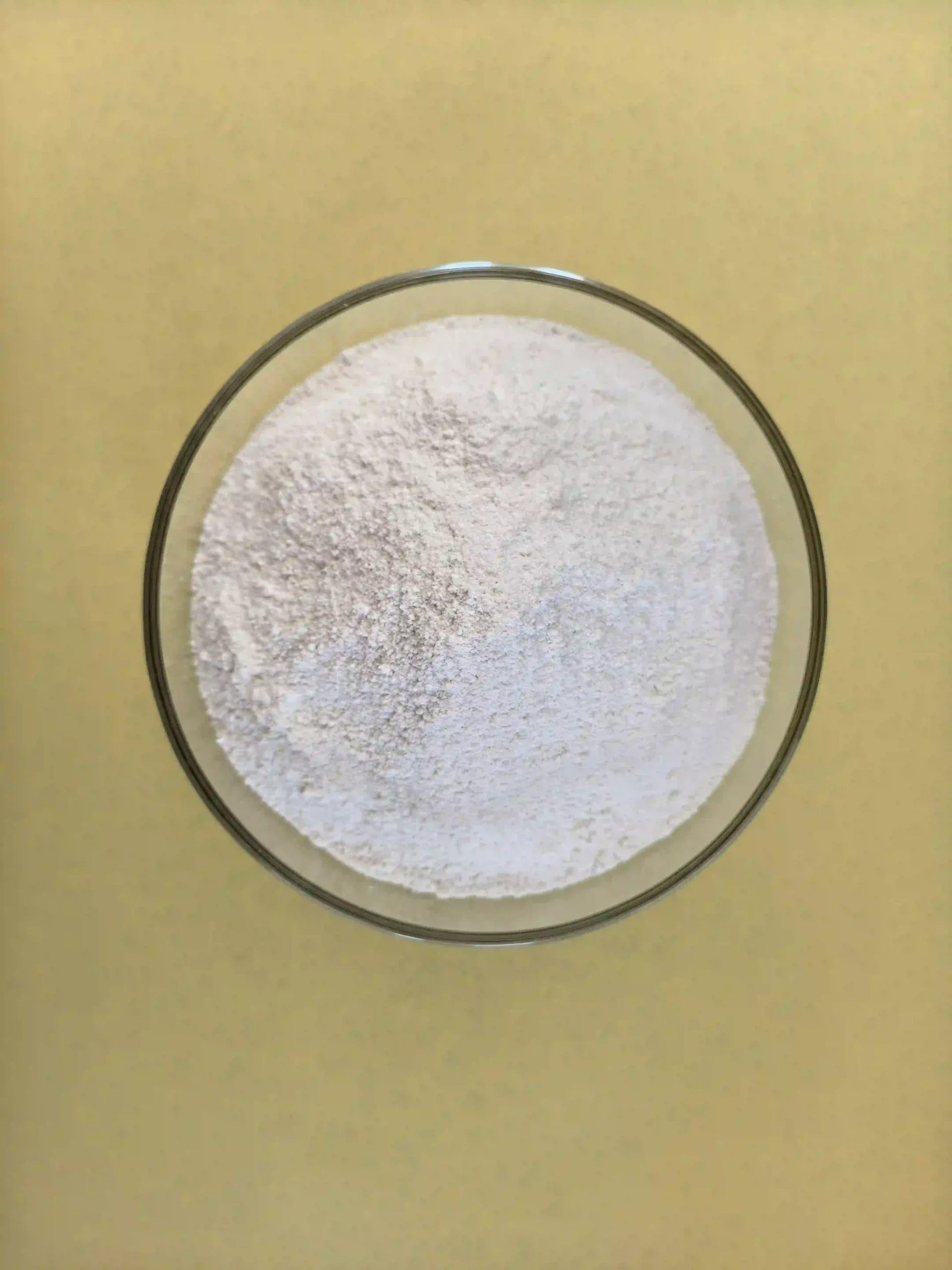
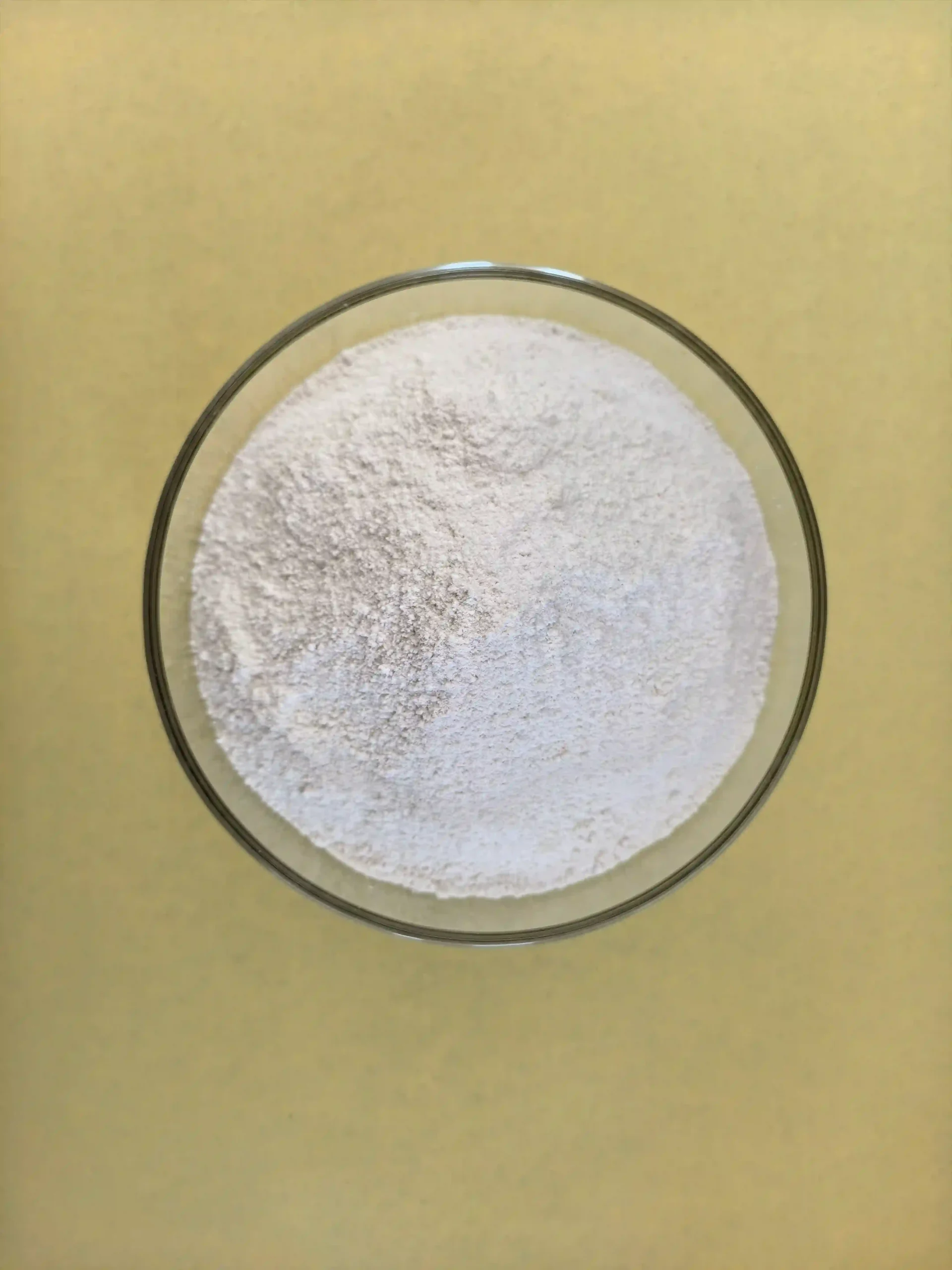
Active Zinc Oxide is widely used in mineral sunscreen formulations because it can help protect against UVA and UVB radiation while supporting a range of cosmetic product formats. For manufacturers developing gentle sunscreens, the challenge is selecting a suitable cosmetic-grade material that balances UV protection, dispersion, skin feel, and formulation stability. Understanding the properties of Active Zinc Oxide, the requirements of sunscreen development, and the criteria for evaluating raw-material suppliers helps cosmetic brands and formulators make informed decisions without compromising product quality or regulatory compliance.
What Makes Active Zinc Oxide Suitable for Gentle Sunscreens?
Gentle sunscreen formulations must provide appropriate UV protection while remaining comfortable to apply and suitable for their intended users. For cosmetic manufacturers, this involves balancing the performance of the UV filter with the properties of the complete formulation.
Active Zinc Oxide is an important option for mineral sunscreen development because zinc oxide can contribute to broad-spectrum UV protection. Its suitability for a particular product, however, depends on the material’s specifications, the formulation system, and the performance requirements of the finished sunscreen.
How Zinc Oxide Protects Skin From UV Radiation
Zinc oxide interacts with ultraviolet radiation through absorption and scattering. When incorporated into a properly formulated sunscreen, it helps reduce the amount of UV radiation reaching the skin.
Two categories of ultraviolet radiation are particularly relevant to sunscreen development:
-
UVA radiation: Associated with photoaging and contributing to cumulative skin damage.
-
UVB radiation: A major contributor to sunburn and also involved in long-term skin damage.
Zinc oxide can contribute to protection against both UVA and UVB radiation, making it useful for mineral sunscreens intended for daily facial care, outdoor activities, and other applications requiring UV protection.
However, selecting Active Zinc Oxide does not automatically guarantee a specific SPF or UVA protection level. The final result depends on factors such as zinc oxide concentration, particle characteristics, dispersion quality, film formation, and the overall formulation. Finished products must undergo appropriate testing to substantiate their protection claims.
Why Mineral UV Filters Appeal to Sensitive-Skin Formulators
Mineral sunscreens commonly use zinc oxide, titanium dioxide, or a combination of these inorganic UV filters. They are frequently considered by brands developing products for consumers who prefer mineral-based skincare or who wish to avoid particular organic UV filters.
Zinc oxide can be incorporated into formulations designed for sensitive skin, but it should not be described as universally non-irritating or suitable for every individual. Other ingredients, including preservatives, fragrances, emulsifiers, and solvents, can influence the tolerance of the finished product.

What Does Active Zinc Oxide Mean in Cosmetic Applications?
The term Active Zinc Oxide may refer to a supplier’s product designation or a particular material grade. It does not, by itself, establish a universal particle size, purity level, dispersion capability, or sunscreen performance.
When evaluating cosmetic grade active zinc oxide, manufacturers should review measurable characteristics, including:
-
Zinc oxide content and chemical purity.
-
Particle-size distribution and morphology.
-
Specific surface area, where relevant.
-
Surface treatment or coating, if applicable.
-
Dispersion behavior and compatibility with the intended formulation.
-
Trace impurities and applicable cosmetic-grade specifications.
These characteristics help determine whether a material is suitable for the intended application. Industrial zinc oxide developed for rubber, ceramics, or other manufacturing processes should not automatically be treated as interchangeable with cosmetic-grade material.
For buyers sourcing Active Zinc Oxide for sunscreen formulations, the priority should be matching documented material properties to the product’s technical requirements rather than relying solely on a product name or general marketing description.
How Active Zinc Oxide Performs in Sunscreen Formulations
The performance of Active Zinc Oxide depends on how the particles interact with the surrounding formulation. Two sunscreen products containing similar zinc oxide concentrations can have different appearances, textures, stability profiles, and measured UV protection.
Understanding these differences helps manufacturers evaluate raw materials more effectively and avoid unnecessary formulation adjustments.
Particle Size and Distribution Affect Product Appearance
Particle size is an important consideration when selecting zinc oxide for cosmetic applications. It can influence optical properties, dispersion behavior, and the appearance of the finished sunscreen.
Depending on the formulation, smaller particles may help reduce visible whitening. However, particle size alone does not determine transparency. Particle aggregation, surface chemistry, concentration, and the composition of the carrier system also influence the final result.
Manufacturers should therefore assess the actual particle-size distribution rather than choosing a material simply because it is described as fine or ultrafine.
When considering nanoscale zinc oxide, formulators should also review the applicable regulatory definitions, labeling requirements, exposure assessments, and restrictions in the intended market.
Why Dispersion Quality Matters
Zinc oxide is an insoluble particulate material that must be distributed appropriately throughout the sunscreen base. Poor dispersion can result in visible agglomerates, uneven texture, reduced aesthetic quality, and physical instability.
In sunscreen formulations, an unevenly distributed UV filter can also make uniform film formation more difficult. This is particularly important because the performance of a sunscreen depends partly on how the product spreads and forms a layer on the skin.
A suitable dispersion process generally involves several considerations:
-
Wetting: Ensuring that the liquid phase adequately contacts the particle surfaces.
-
Deagglomeration: Reducing unwanted particle clusters during processing.
-
Uniform distribution: Maintaining consistent particle distribution throughout the formulation.
-
Physical stability: Minimizing unacceptable settling, aggregation, or separation during storage.
The appropriate equipment, mixing sequence, dispersant, and processing conditions depend on the zinc oxide grade and the formulation. A process developed for one material may not deliver equivalent results with another.
For this reason, manufacturers should evaluate both the raw material and its recommended processing conditions when selecting Active Zinc Oxide for commercial sunscreen production.
How the Carrier System Influences Formulation Compatibility
Cosmetic-grade zinc oxide may be incorporated into oil-based systems, emulsions, anhydrous products, and other suitable formulation types. Each system presents different compatibility requirements.
For example, an oil-based formulation may be suitable for certain surface-treated grades, while an emulsion requires compatibility among the zinc oxide, oil phase, aqueous phase, and emulsifiers.
The carrier system must also support appropriate spreadability and film formation. A formula that is difficult to distribute evenly may lead to inconsistent application and a less satisfactory consumer experience.
When comparing cosmetic zinc oxide specifications, R&D teams should consider the intended carrier, surface treatment, processing method, and target product texture. Compatibility should be demonstrated through laboratory testing rather than assumed from the ingredient’s general classification.
What Benefits Can Active Zinc Oxide Offer in Gentle Sunscreens?
Active Zinc Oxide can support mineral sunscreen formulations by contributing to UV protection and offering flexibility across different cosmetic product formats. Its performance depends on the material grade, dispersion quality, and overall formulation.
Broad-Spectrum UV Protection
Zinc oxide can contribute to both UVA and UVB protection, making it a useful option for daily facial sunscreens, lotions, and moisturizers with UV protection. The finished product’s SPF and UVA protection depend on the complete UV-filter system, film formation, and formulation quality. Appropriate testing is necessary to verify protection claims.
Flexibility Across Cosmetic Product Formats
Cosmetic-grade zinc oxide can be considered for facial sunscreens, lotions, creams, tinted products, and selected body sunscreens. Each application has different requirements for texture, spreadability, and visible residue. Manufacturers should select a grade compatible with the intended formulation rather than assuming one material will perform equally well across all product types.
Suitability for Sensitive-Skin Formulations
Zinc oxide is commonly used in mineral sunscreens developed for sensitive-skin consumers. However, its presence alone does not establish that a finished product is hypoallergenic, non-comedogenic, or soothing. Ingredient selection, the complete formulation, and finished-product safety assessment all influence suitability.
Balancing UV Protection and Skin Feel
Zinc oxide may contribute to visible white cast, a thicker texture, or a dry after-feel, depending on the grade and formulation. Manufacturers can evaluate dispersion methods, surface-treated materials, emollients, and tinting strategies to improve application and appearance. Any changes should preserve formulation stability and be validated through finished-product UV testing.

How to Choose Cosmetic Grade Active Zinc Oxide
Selecting an appropriate raw material requires more than comparing product descriptions or quoted prices. Cosmetic manufacturers should evaluate technical specifications, intended applications, processing requirements, and supply consistency.
Verify Purity and Cosmetic-Grade Specifications
The first step is to confirm that the zinc oxide grade is intended for the proposed cosmetic application and meets the relevant requirements in the target market.
Buyers should request a technical data sheet and a batch-specific certificate of analysis. Depending on the product, useful information may include:
-
Zinc oxide assay and chemical composition.
-
Relevant impurity limits, including applicable heavy-metal specifications.
-
Particle characteristics and physical appearance.
-
Moisture content or other relevant physical parameters.
-
Batch identification and quality-control criteria.
-
Applicable safety and regulatory documentation.
A cosmetic-grade designation provides a starting point for evaluation, but it does not replace a review of the actual specifications and supporting documents.
When comparing cosmetic grade active zinc oxide from different suppliers, procurement teams should confirm that the stated specifications are relevant to the intended application and sufficiently detailed for technical assessment.
Evaluate Particle Characteristics and Surface Treatment
Particle-size distribution and surface treatment can influence how zinc oxide behaves during processing and in the finished formulation.
Surface treatment may affect wetting, compatibility with the carrier phase, and resistance to aggregation. However, the benefits depend on the treatment used and the surrounding formulation.
Before selecting a grade, formulators should clarify:
-
Whether the reported particle size refers to primary particles, aggregates, or agglomerates.
-
Which measurement method was used.
-
Whether the material has a surface coating or treatment.
-
Which carrier systems and dispersion methods are recommended.
-
Whether the supplier can provide relevant application data.
These details make comparisons more meaningful and help manufacturers identify potential compatibility issues before moving into larger-scale production.
Assess Stability and Finished-Product Performance
A sunscreen must maintain acceptable characteristics throughout its intended shelf life. The appropriate testing program depends on the formula, packaging, target market, and product claims.
| Evaluation area | Purpose |
|---|---|
| Dispersion quality | Identify visible agglomerates and uneven particle distribution |
| Physical stability | Assess settling, separation, and unacceptable texture changes |
| Packaging compatibility | Identify potential interactions with the container or dispensing system |
| Sensory performance | Evaluate spreadability, residue, and after-feel |
| Finished-product UV testing | Verify the intended SPF and UVA protection |
| Safety and tolerance | Assess suitability for the intended use |
Accelerated stability testing can help identify potential formulation problems, but it should not automatically replace an appropriate shelf-life assessment. Similarly, an acceptable appearance does not demonstrate that the product provides its intended level of UV protection.
For manufacturers evaluating Active Zinc Oxide for sunscreen applications, the raw material and the finished formulation should be assessed as separate but related parts of the development process.
What Should Buyers Look for in a Cosmetic Grade Zinc Oxide Supplier?
Raw-material selection is not only a technical decision. Supplier reliability, documentation quality, and commercial arrangements also influence whether a material is suitable for ongoing production.
Review Documentation and Batch Consistency
A reliable cosmetic grade zinc oxide supplier should be able to clarify the material’s specifications and provide the applicable quality documentation for the grade being considered.
Batch consistency is especially important when a formulation moves from laboratory development to commercial manufacturing. Variations in material properties may affect dispersion, texture, and processing behavior, potentially requiring additional formulation work.
Manufacturers should therefore evaluate documentation and consistency alongside price when comparing suppliers.
Consider Samples, Minimum Order Quantities, and Supply Arrangements
For B2B procurement, commercial factors can influence the practicality of selecting a particular grade. Depending on the supplier and product, buyers may need to confirm sample availability, minimum order quantities (MOQs), packaging options, lead times, and production capacity.
These factors are particularly relevant when scaling a sunscreen from initial laboratory batches to routine manufacturing.
A practical sourcing process should separate technical qualification from commercial evaluation. First, confirm that the material meets the required specifications and performs appropriately in the intended formula. Then assess whether the supplier’s ordering arrangements, delivery schedule, and supply consistency fit the manufacturer’s production plan.
For buyers sourcing bulk cosmetic grade zinc oxide, the lowest quoted price may not represent the best overall value if the material introduces processing difficulties or inconsistent finished-product quality.
Confirm Technical Support for Formulation Development
Technical support can be useful when a manufacturer is evaluating an unfamiliar zinc oxide grade or adapting an existing sunscreen formula.
Questions worth discussing with a supplier include:
-
Which formulation systems is the grade intended for?
-
What dispersion or processing considerations should be evaluated?
-
Is information available about surface treatment and particle characteristics?
-
Can the supplier provide supporting application data?
-
Which specifications should be monitored during incoming quality control?
Supplier guidance can help inform laboratory trials, but recommendations should be validated against the manufacturer’s own formulation requirements and finished-product testing.
Is Active Zinc Oxide Better Than Titanium Dioxide for Sunscreen?
Zinc oxide and titanium dioxide are both inorganic UV filters used in mineral sunscreen formulations. Neither is universally superior; the appropriate choice depends on the desired protection profile, formulation characteristics, regulatory requirements, and consumer preferences.
| Consideration | Zinc oxide | Titanium dioxide |
|---|---|---|
| UV protection profile | Can contribute to UVA and UVB protection | Particularly useful for UVB and shorter-wavelength UVA protection, depending on the material |
| Appearance | May cause visible whitening depending on grade and formula | May also contribute to visible whitening and opacity |
| Dispersion | Depends on particle properties, surface treatment, and carrier system | Also depends on particle properties, surface treatment, and carrier system |
| Formulation role | Can serve as a primary mineral UV filter | Can serve as a primary or complementary UV filter where appropriate |
| Selection criteria | Assess broad-spectrum requirements, material specifications, and finished-product performance | Assess the required protection profile, compatibility, and finished-product performance |
Some manufacturers may choose to combine the two materials to achieve their formulation objectives. Others may prefer a zinc oxide-based system or another permitted UV-filter combination.
The decision should be based on documented material properties and finished-product test results, not on the assumption that one ingredient always provides better protection or a more elegant texture.
What Claims Should Manufacturers Verify Before Launch?
Sunscreen manufacturers must distinguish raw-material characteristics from the performance and safety claims made for the finished product.
Avoid Unsupported Performance Claims
A supplier’s description of Active Zinc Oxide does not automatically establish the performance of every sunscreen containing it.
For example:
-
A material’s UV-filter properties do not independently establish the finished product’s SPF.
-
A small particle size does not guarantee a completely transparent application.
-
A cosmetic-grade designation does not prove universal suitability for sensitive skin.
-
An ingredient’s use in skin protectant products does not automatically substantiate acne-treatment or barrier-repair claims for a sunscreen.
-
General supplier statements do not replace the safety assessment required for the finished formulation.
Manufacturers should distinguish between raw-material specifications, laboratory findings, finished-product test results, and claims permitted in the target market.
Check Requirements in the Intended Market
Regulatory requirements vary by jurisdiction and may cover permitted UV filters, maximum concentrations, labeling, test methods, product classification, and marketing claims.
Additional requirements may apply when particular particle sizes or nanomaterials are used. Buyers should review the relevant technical and safety documentation and confirm the material’s suitability for the intended market.
Before launch, manufacturers should ensure that the product’s labeling, protection claims, safety documentation, and testing program meet applicable requirements. Compliance should be established for the finished sunscreen rather than inferred from the raw material alone.
FAQ
Q: Is Active Zinc Oxide suitable for sensitive-skin sunscreen?
Active Zinc Oxide can be used in sunscreen formulations designed for sensitive skin. However, skin tolerance depends on the complete formula, ingredient quality, and finished-product assessment. Hypoallergenic or non-irritating claims require supporting evidence.
Q: Does Active Zinc Oxide provide broad-spectrum protection?
Zinc oxide can contribute to both UVA and UVB protection in mineral sunscreens. The finished product’s SPF and UVA protection depend on the formulation and must be verified through appropriate testing.
Q: How can manufacturers reduce the white cast of zinc oxide sunscreen?
Manufacturers can evaluate particle characteristics, dispersion quality, surface treatment, emollients, and tinting options to improve skin feel and reduce visible white cast. Any changes should be assessed for their effects on UV protection and formulation stability.
Q: What documents should buyers request from a cosmetic zinc oxide supplier?
Buyers should request a technical data sheet (TDS), a batch-specific certificate of analysis (COA), relevant safety documentation, and applicable impurity and regulatory information. Particle-size data and surface-treatment details can also help confirm material suitability.
Q: What affects the price of cosmetic grade active zinc oxide?
Pricing depends on material specifications, particle characteristics, surface treatment, order quantity, packaging, and supply terms. Buyers should compare documented quality and formulation suitability alongside unit price. Industrial-grade zinc oxide should not be assumed suitable for cosmetic sunscreen applications without verification.
Conclusion
Active Zinc Oxide can support broad-spectrum UV protection in mineral sunscreen formulations, with performance depending on material specifications, dispersion, and the overall formula.
For cosmetic manufacturers, selecting the right grade requires evaluating product quality, formulation compatibility, stability, and regulatory requirements. Review the Active Zinc Oxide Cosmetic Grade product details from Daoan Chemical, and contact the supplier to discuss specifications, technical documentation, and suitability for your formulation.