
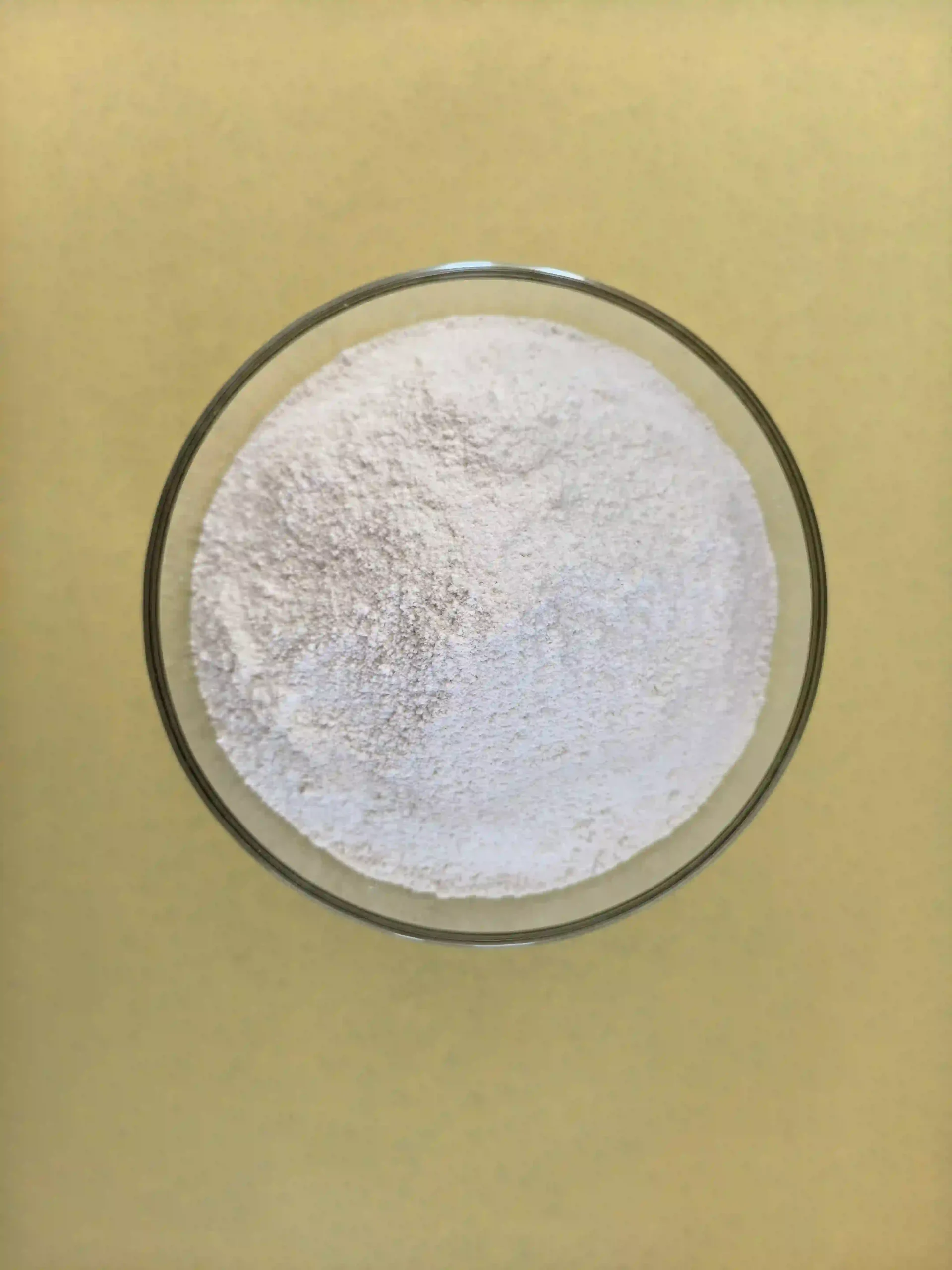
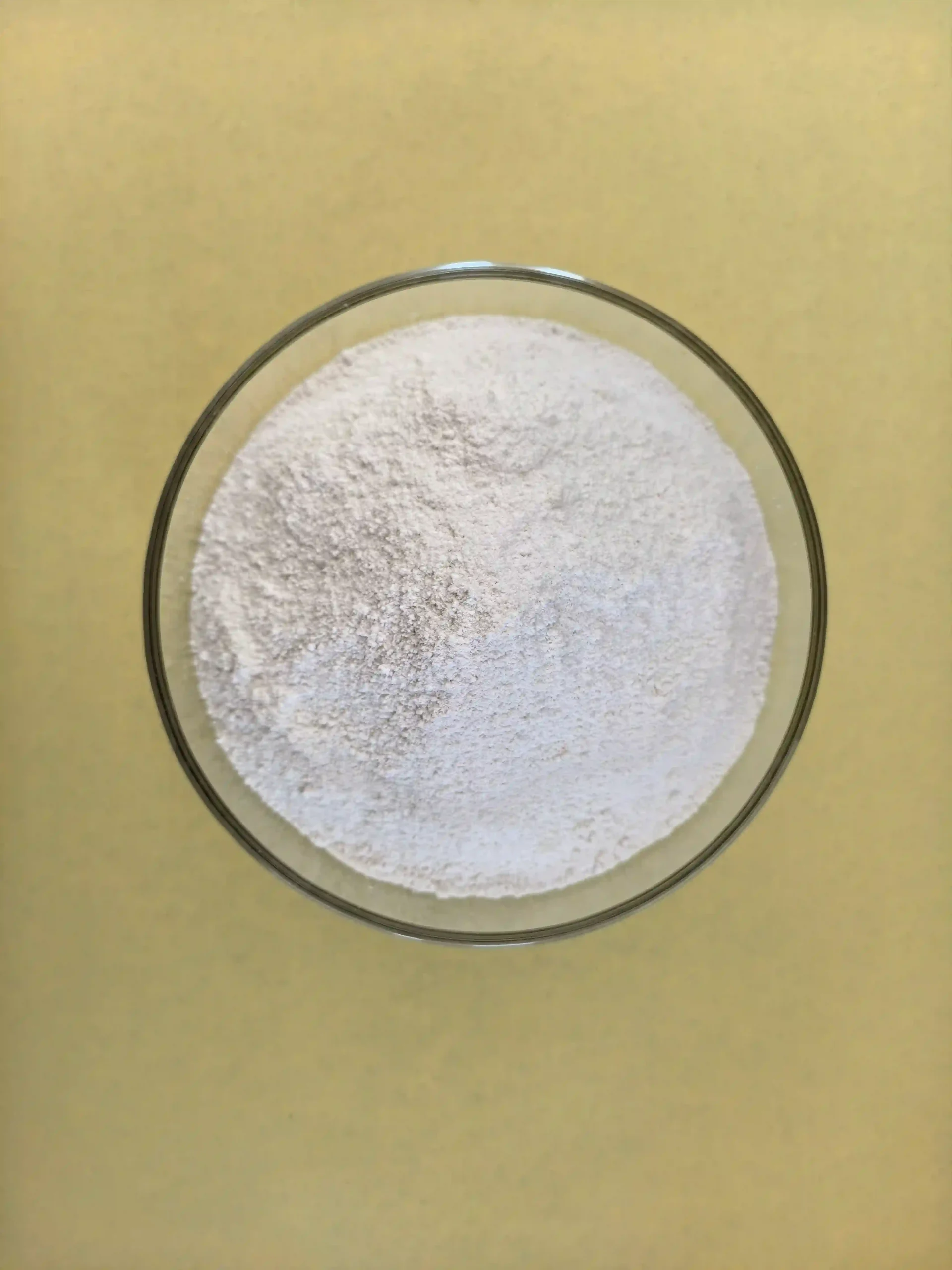
Active zinc oxide for rubber is used in many sulfur-cured tire compounds, including tread, sidewall, belt skim, inner liner, and bead filler formulations. It functions as a vulcanization activator, helping the accelerator system promote sulfur cross-linking in rubber polymers. Compared with conventional zinc oxide, selected active grades may achieve the required curing performance at lower dosages. The extent of zinc oxide reduction depends on the product’s properties, rubber formulation, and curing system, making compound-specific testing essential when evaluating lower-zinc alternatives for tire manufacturing.
What Makes Active Zinc Oxide for Rubber Different from Conventional Zinc Oxide
The Core Function: Activating Sulfur Vulcanization
Zinc oxide is widely used as an activator in sulfur-cured rubber systems. Rather than cross-linking rubber directly, it works with stearic acid and the accelerator package to promote sulfur cross-linking between polymer chains. Its effectiveness depends on the formulation and curing conditions.
During compounding, zinc oxide reacts with stearic acid to form zinc-containing species, including zinc stearate. These species facilitate interactions among zinc, accelerators, and sulfur, supporting the formation of active intermediates involved in vulcanization. The resulting cross-link network influences the cured rubber’s mechanical properties and service performance.
Insufficient activation can affect cure kinetics and cross-link development, potentially compromising compound consistency and performance. Selecting an appropriate zinc oxide grade and balancing its dosage with accelerator and stearic acid levels are therefore important in tire formulation.
Why Active Grades Can Offer Higher Activation Efficiency
Active zinc oxide grades generally have a higher specific surface area than conventional rubber-grade zinc oxide, although particle size, morphology, and surface properties vary by product. BET surface area helps compare grades but is not the sole indicator of activation efficiency.
A larger accessible surface area may increase contact with other compound ingredients and improve activation efficiency per unit of mass. Actual performance also depends on particle agglomeration, dispersion during mixing, and compatibility with the rubber and accelerator system.
Studies have reported that selected active or specially formulated grades can replace conventional zinc oxide at reduced dosages while maintaining relevant vulcanizate properties. These results are formulation-specific. Before adopting a replacement ratio such as 50–60% of the original dosage, compounders should verify product specifications and compare cure characteristics, mechanical properties, and aging resistance under their own processing conditions. Evaluating Active zinc oxide for rubber therefore requires evidence from the intended formulation.
Tread Compounds: A Key Application for Active Zinc Oxide
Wear Resistance, Aging, and Vulcanization Performance
Tire tread compounds must balance abrasion resistance, mechanical strength, fatigue resistance, and aging performance. Zinc oxide activates the accelerator system during sulfur vulcanization, while tread performance depends on the complete formulation, including the rubber blend, filler system, and curing package.
Studies of superfine active grades in radial passenger car tread compounds have examined their potential to improve cure efficiency while maintaining mechanical properties at reduced dosages. Any improvement in wear, aging, or fatigue resistance, however, must be assessed against the specific formulation and test conditions. Active zinc oxide for rubber should therefore be evaluated within the complete tread compound.
In one reported truck tire tread formulation containing natural rubber (NR), butadiene rubber (BR), and styrene-butadiene rubber (SBR) at a 50/40/10 ratio, 2.0 phr of active zinc oxide was evaluated as a replacement for 4.0 phr of conventional zinc oxide. The reported results showed comparable or slightly improved physical properties without significantly affecting processability. Abrasion, aging, and cut-growth results should be interpreted in the context of the study’s test methods.
Another study of bias and semi-steel radial tire tread compounds examined replacing 4 phr of indirect-method zinc oxide with 3 phr of an active grade. The findings indicated that relevant vulcanizate properties were maintained and wear resistance improved. This result suggests potential for dosage reduction, but the replacement ratio should not be generalized to other formulations without validation.
Reducing Zinc Oxide Dosage and Rolling Resistance
Composite zinc oxide is another option for reducing zinc oxide dosage. Depending on the product, it combines zinc oxide with a carrier material, so its composition and actual ZnO content should be checked before comparing dosage with conventional grades. This distinction is important when comparing composite products with Active zinc oxide for rubber, as their composition and activation behavior may differ.
Sidewall Compounds: Balancing Durability and Environmental Compliance
Flex Fatigue and Crack Resistance
Tire sidewall compounds must withstand repeated flexing while maintaining flexibility and resisting crack initiation and propagation. Their performance depends on the rubber blend, reinforcing system, antioxidant package, and vulcanization system, including the type and dosage of zinc oxide.
A reported 2026 comparative study evaluated conventional white seal zinc oxide, active zinc oxide for rubber, and three composite zinc oxide materials in NR/BR-based tire sidewall formulations. The findings indicated that the tested composite ZnO formulations maintained comparable processability, curing behavior, mechanical properties, and dynamic durability. Their thermal-aging performance was also similar, suggesting that selected composite zinc oxide grades may be alternatives to conventional grades in sidewall compounds.
These findings apply to the specific materials and formulations tested. Before adopting a replacement, tire manufacturers should verify the study’s test conditions and evaluate fatigue life, crack growth, aging resistance, and other sidewall performance requirements.
Why Dispersion Quality Matters
Specific surface area can influence zinc oxide activation efficiency, but it does not determine performance on its own. Particle agglomeration, surface characteristics, and dispersion during rubber mixing also affect how effectively zinc oxide interacts with stearic acid and the accelerator system.
Poor dispersion can create uneven distributions of zinc-containing species within a rubber compound, potentially affecting vulcanization consistency and cross-link development. A well-dispersed grade may support more consistent curing, but better dispersion alone does not guarantee uniform cross-link density or improved sidewall durability. These outcomes depend on the complete formulation and processing conditions.
When comparing active zinc oxide for rubber with conventional or composite grades, manufacturers should assess dispersion alongside BET surface area, ZnO content, cure characteristics, mechanical properties, and dynamic fatigue performance. Microscopy or other suitable analytical methods can help verify dispersion quality when it is a critical factor in material selection.
Belt Skim and Carcass Compounds: Adhesion and Heat Management
Steel Cord Adhesion
Belt skim compounds must maintain reliable adhesion to brass-plated steel cords while withstanding the heat and cyclic stresses generated during tire service. Zinc oxide supports sulfur vulcanization, while overall adhesion depends on the rubber formulation, curing conditions, and interactions at the rubber–brass interface.
A reported microscopic investigation of belt skim compound failures in truck and bus radial tires examined how zinc oxide particle characteristics related to compound performance. The findings associated residual microsized zinc oxide particles with early damage. Under the study conditions, the tested active grade showed finer dispersion in the rubber matrix, along with better physical properties and high-temperature fatigue performance than the conventional grade.
These results suggest that zinc oxide grade and dispersion may influence belt skim performance. However, they do not establish that all active zinc oxide grades achieve nanoscale dispersion or improve steel cord adhesion. Tire manufacturers evaluating active zinc oxide for rubber should validate candidate materials through adhesion testing, fatigue evaluation, and compound-specific vulcanization trials.

Inner Liner and Bead Filler: Formulation-Specific Zinc Oxide Reduction
Inner Liner Compounds
The inner liner helps limit air permeation through the tire, while its vulcanization system supports the mechanical integrity and durability of the rubber compound. Zinc oxide acts as a vulcanization activator, but the required dosage depends on the rubber blend, accelerator package, and processing conditions.
Selected studies have investigated replacing conventional zinc oxide with active grades in semi-steel radial tire inner liner compounds. If a lower dosage maintains the required cure characteristics and physical properties, this approach may reduce zinc oxide consumption. The achievable reduction must be established through compound-specific testing rather than assumed across all inner liner formulations.
Reducing zinc oxide use may also support environmental management, but it does not automatically ensure compliance with EU REACH requirements. Compliance depends on the applicable legal provisions, substances and products involved, and relevant exposure or release conditions. Manufacturers should verify the requirements applicable to their products and supply chains before making compliance claims.
Bead Filler Formulations
Bead filler compounds typically require sufficient stiffness and modulus to support the bead area and maintain tire structural integrity. Their performance depends on the rubber blend, filler system, curing package, and processing conditions.
Because zinc oxide contributes to vulcanization activation, active zinc oxide for rubber may be worth evaluating when manufacturers seek to reduce ZnO dosage without compromising cure state or mechanical properties. However, higher activation efficiency does not guarantee that a lower dosage will work in every bead filler formulation.
Before adopting a replacement, manufacturers should compare cure characteristics, hardness, modulus, aging resistance, and processing behavior against the existing compound. The appropriate dosage should be determined by test results rather than a general replacement ratio.
Non-Pneumatic Tires and Emerging Applications
Non-pneumatic tires, also known as airless tires, are used in selected industrial vehicles and emerging mobility applications. Their rubber compounds must meet application-specific requirements for resilience, fatigue resistance, and durability. Active zinc oxide for rubber may serve as a vulcanization activator in these formulations, particularly when manufacturers are investigating ways to reduce zinc oxide consumption.
The potential dosage benefit depends on the active grade, rubber formulation, and curing system. A higher specific surface area alone does not establish that a lower dosage will deliver equivalent performance or reduce environmental release by a predictable amount. Manufacturers should assess cure characteristics, mechanical properties, and durability before applying a zinc oxide replacement strategy to non-pneumatic tire compounds.
How Much Zinc Oxide Is Used in Tire Compounds?
Zinc oxide dosage in tire compounds is commonly expressed in parts per hundred rubber (phr). The required loading varies by tire component, rubber blend, accelerator package, zinc oxide grade, and target performance. Although active zinc oxide for rubber may allow lower dosages in selected formulations, no single replacement ratio applies to every tire compound.
The following table provides a preliminary comparison framework, not universal industry-standard dosage ranges. The values should be verified against original formulation studies or supplier technical data before publication.
| Tire Component | Conventional ZnO (phr) | Active ZnO (phr) | Indicative Reduction |
|---|---|---|---|
| Tread | 4.0–5.0 | 2.0–3.0 | Formulation-dependent |
| Sidewall | 3.0–4.0 | 1.5–2.5 | Formulation-dependent |
| Belt skim | 5.0–8.0 | 3.0–5.0 | Formulation-dependent |
| Inner liner | 3.0–4.0 | 1.5–2.5 | Formulation-dependent |
| Bead filler | 3.0–5.0 | 2.0–3.0 | Formulation-dependent |
These figures should not be interpreted as guaranteed replacement ratios. For example, reducing conventional zinc oxide from 4.0 phr to 2.0 phr represents a 50% reduction in dosage, but it does not prove that the same reduction will maintain the required cure characteristics and physical properties in other formulations.
Before adopting a lower-dosage system, compounders should compare cure characteristics, tensile properties, hardness, aging resistance, and application-specific performance. The appropriate zinc oxide loading should be established through controlled testing using the intended rubber formulation and processing conditions.
Why the Tire Industry Is Moving Toward Active Zinc Oxide for Rubber Compounds
Regulatory Pressure on Zinc Discharge
Zinc oxide is classified under EU CLP regulations as hazardous to the aquatic environment, including long-term aquatic hazards (H400/H410). This classification does not mean that zinc oxide is banned in tires or that a universal zinc-content limit applies to all rubber compounds. Regulatory obligations depend on the applicable legislation and product context.
A Michelin estimate from 2006 reported that approximately 4,500 tonnes of zinc salts were released annually from tire wear in Western Europe. Because this is a historical estimate, the source and scope should be verified before publication. Tire wear remains an environmental concern because zinc-containing particles can enter soil and waterways. Regulators, OEM customers, and corporate sustainability programs may therefore encourage manufacturers to assess options for reducing zinc use and environmental release.
The Efficiency Argument
For tire manufacturers, active zinc oxide for rubber may offer a way to evaluate lower zinc oxide loadings while maintaining the required vulcanization performance. If a suitable grade performs effectively at a lower dosage, manufacturers can reduce the amount of zinc oxide incorporated into the compound. However, a lower dosage does not automatically produce an equivalent reduction in zinc released during tire wear.
Some studies have reported dosage reductions of approximately 25–60% with selected active or specially formulated zinc oxide grades in specific rubber compounds. These findings should be attributed to the original studies.
Practical Considerations for Compound Formulators
Replacement Ratios Are a Starting Point, Not a Rule
Published studies have reported that selected active zinc oxide grades can replace conventional zinc oxide at reduced dosages, sometimes at around 50–60% of the original loading. These results are formulation-specific, and the appropriate replacement ratio depends on several factors:
- Accelerator system. Interactions between zinc-containing species and accelerators vary with accelerator type, affecting cure behavior and the response to changes in zinc oxide dosage.
- Rubber system. Natural rubber (NR), styrene-butadiene rubber (SBR), and butadiene rubber (BR) have different curing characteristics and formulation requirements. Replacement ratios should be evaluated in the actual rubber blend.
- Stearic acid level. The balance between zinc oxide and stearic acid influences the formation of zinc-containing species involved in vulcanization activation. Reducing ZnO dosage may therefore require reviewing the overall activator system.
- Target vulcanizate properties. Compounds designed for low hysteresis may respond differently to zinc oxide reduction than those formulated to meet specific hardness, modulus, or fatigue-resistance requirements.
Verification Through Compound Testing Is Essential
Active zinc oxide for rubber should not be treated as a universal drop-in replacement for conventional grades. Before changing grades or reducing dosage, compounders should verify performance under their own formulation and processing conditions:
- Cure characteristics: Scorch time (t_{90}) and torque difference (M_H- M_L), measured using a moving die rheometer (MDR).
- Physical properties: Tensile strength, elongation at break, modulus, hardness, and tear strength, including relevant measurements after aging.
- Dynamic properties: Rebound resilience, heat build-up, and flex fatigue, selected according to the target tire component and its service conditions.
- Dispersion quality: Suitable microscopy or elemental mapping, where particle distribution is important to evaluating the zinc oxide grade.
Published studies can help compounders identify promising replacement options, but they do not guarantee equivalent results across different formulations. When evaluating active zinc oxide for rubber, compound-specific testing is essential to confirm that a lower dosage maintains the required cure characteristics, physical properties, and application performance.
Conclusion
Active zinc oxide for rubber can help tire manufacturers improve vulcanization efficiency and reduce ZnO dosage in tread, sidewall, belt skim, and other tire compounds. The achievable reduction depends on the active grade, rubber formulation, and curing system, so performance must be verified through compound-specific testing.
As manufacturers evaluate material efficiency and environmental concerns related to zinc release, active zinc oxide offers a potential alternative to conventional grades. Its practical value lies in balancing lower dosage with the required mechanical properties, aging resistance, and dynamic performance.
When selecting active zinc oxide for tire production, compare product specifications and validate the replacement ratio against your existing formulation. Explore rubber-grade active zinc oxide options for your target application and request samples to evaluate their compatibility with your current compound.