
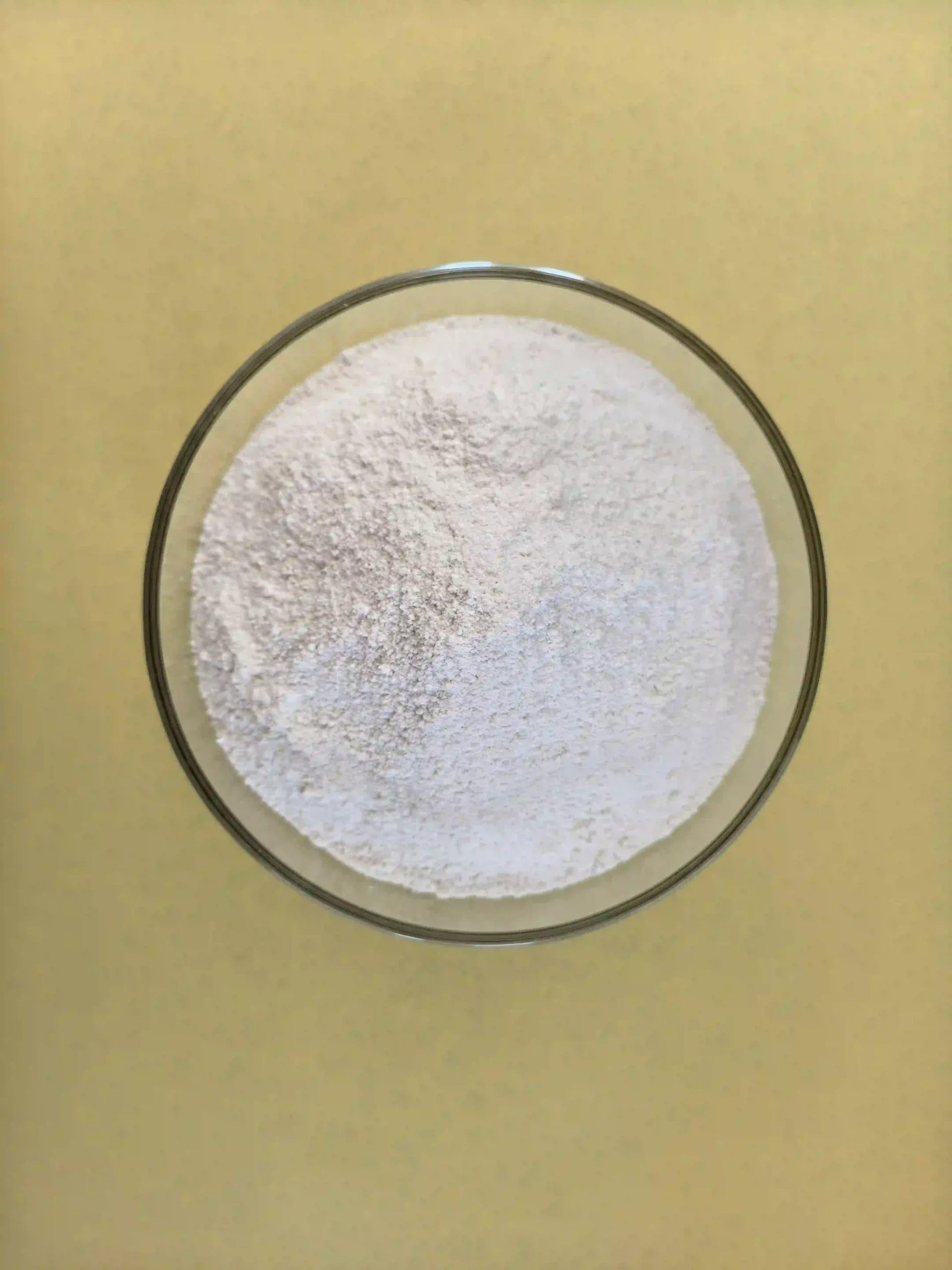
Zinc oxide is an inorganic powder material that inherently possesses a certain degree of hygroscopicity. If not properly controlled during storage and packaging, it is highly susceptible to absorbing moisture from the air, leading to caking. Once caked, the powder’s flowability deteriorates and its dispersibility decreases, directly affecting subsequent performance. In severe cases, the entire batch may become unusable, resulting in raw material waste. Therefore, ensuring proper packaging protection and warehouse management is a critical aspect of zinc oxide quality control.
Factory packaging serves as the first line of defense against moisture. Commonly available zinc oxide on the market typically uses a double-layer packaging structure consisting of an inner plastic film bag lined with a woven bag. The inner PE film bag must ensure a tight heat seal, with no tears, pinholes, or loose seals; the outer woven bag provides protection against tearing and impact. For grades with higher specific surface areas and stronger hygroscopicity—such as highly active zinc oxide and nano-zinc oxide—moisture-proofing standards must be further enhanced. Thicker inner liners or aluminum foil-laminated bags should be prioritized for sealed packaging. After packaging is complete, the bags must be promptly inspected for damage. During stacking and transportation, they must be handled with care to prevent sharp objects from puncturing the inner liner and compromising the seal. Packaging labels must clearly indicate the product name, specifications, lot number, and production date. Adhere to the “first-in, first-out” (FIFO) principle for inventory management to minimize the risk of moisture absorption associated with long-term storage.
The storage environment is key to preventing moisture absorption and caking. Prioritize cool, dry, and well-ventilated indoor warehouses; outdoor stacking is strictly prohibited to prevent direct contact between the bags and rainwater or condensation. It is recommended to maintain the relative humidity in the warehouse below 60%. Store materials away from windows, water pipes, and areas prone to wall seepage, and keep them away from heat sources such as steam pipes and heating equipment. The floor must be elevated; use pallets to store materials off the ground. Do not allow packaging bags to come into direct contact with the floor to prevent moisture from the ground from seeping upward. Stacks of material should not be piled too high. This prevents lower-layer bags from deforming under pressure or their seals from cracking, while also facilitating air circulation within the stacks; ventilation aisles should be left between stacks. During the rainy season or the plum rain season when air humidity is high, the warehouse must be sealed tightly, and dehumidifiers should be used to lower ambient humidity and minimize moisture ingress into the facility.
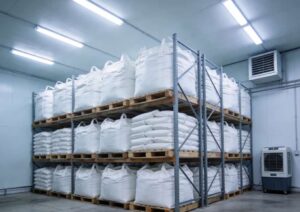
Attention to detail is also essential in daily warehouse management. Upon receipt, inspect each batch for packaging integrity; bags that are damaged or have loose seals must be isolated for separate handling and resealed before being stored. Materials that have already absorbed a small amount of moisture should be stored separately and used first to prevent contamination of undamaged raw materials. Conduct regular warehouse inspections to check walls and floors for moisture or condensation; promptly address any bulging packaging or signs of moisture on the bag walls. Whenever possible, schedule handling operations for dry, sunny periods; avoid arranging outbound shipments or unpacking during overcast, rainy, or high-humidity weather. Once a package is opened, if the zinc oxide cannot be used in a single batch, the inner bag must be tightly resealed to minimize exposure to air; leaving the bag open is the most common cause of rapid moisture absorption and caking.
Additionally, note that aside from moisture, zinc oxide must be stored separately from acidic materials and volatile or corrosive substances to prevent chemical reactions that could alter product specifications. Store zinc oxide of different specifications and batches in separate areas to prevent cross-contamination. For many customers, caking issues are rarely due to product quality defects but rather result from damaged packaging during transit, excessive warehouse humidity, or failure to reseal the package promptly after opening. By adhering to these key points—maintaining packaging integrity, controlling warehouse humidity, and following proper handling procedures—you can significantly reduce the likelihood of zinc oxide absorbing moisture and caking, stabilize the powder’s condition, ensure consistent product specifications, and meet production requirements.