
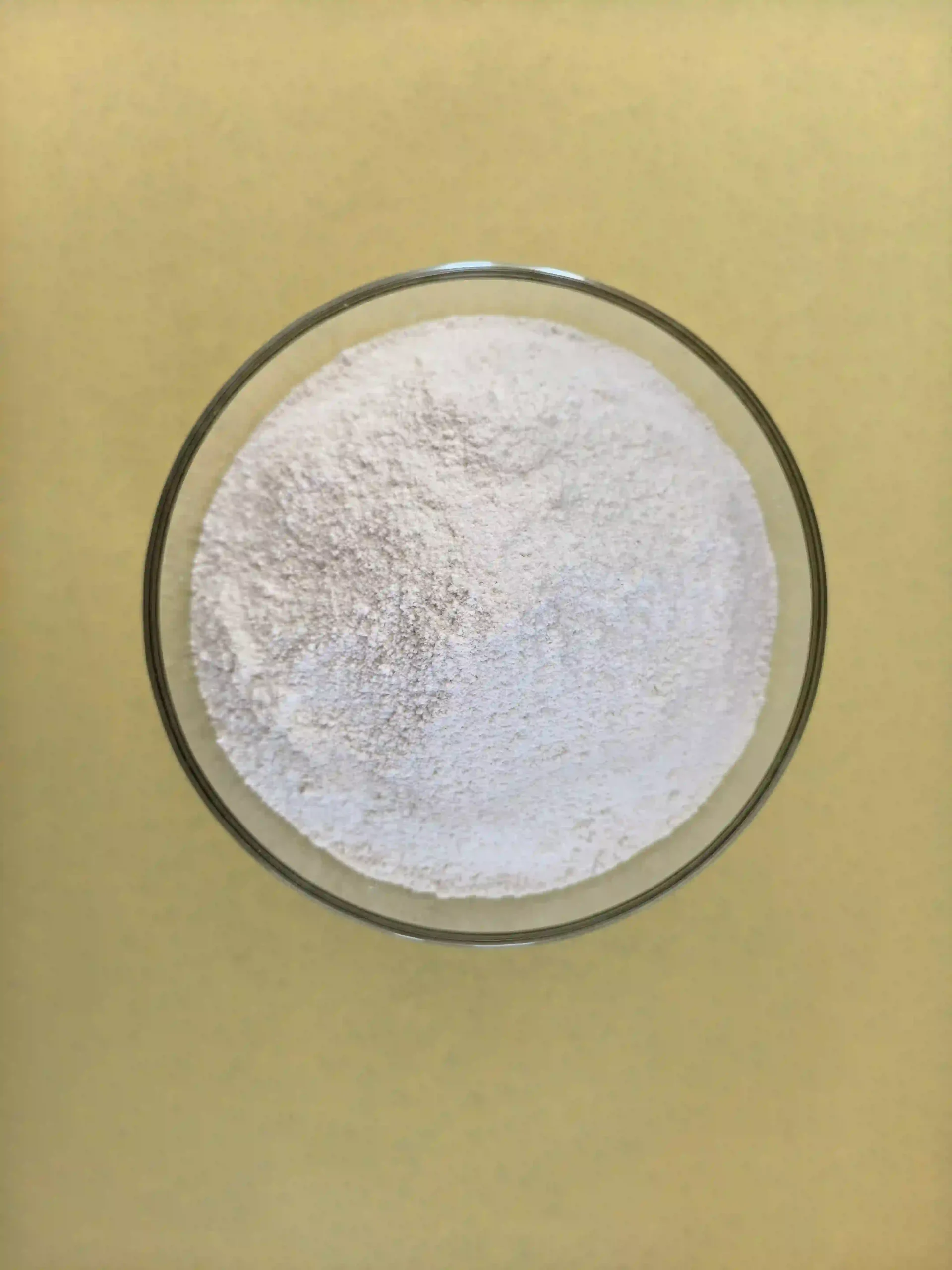
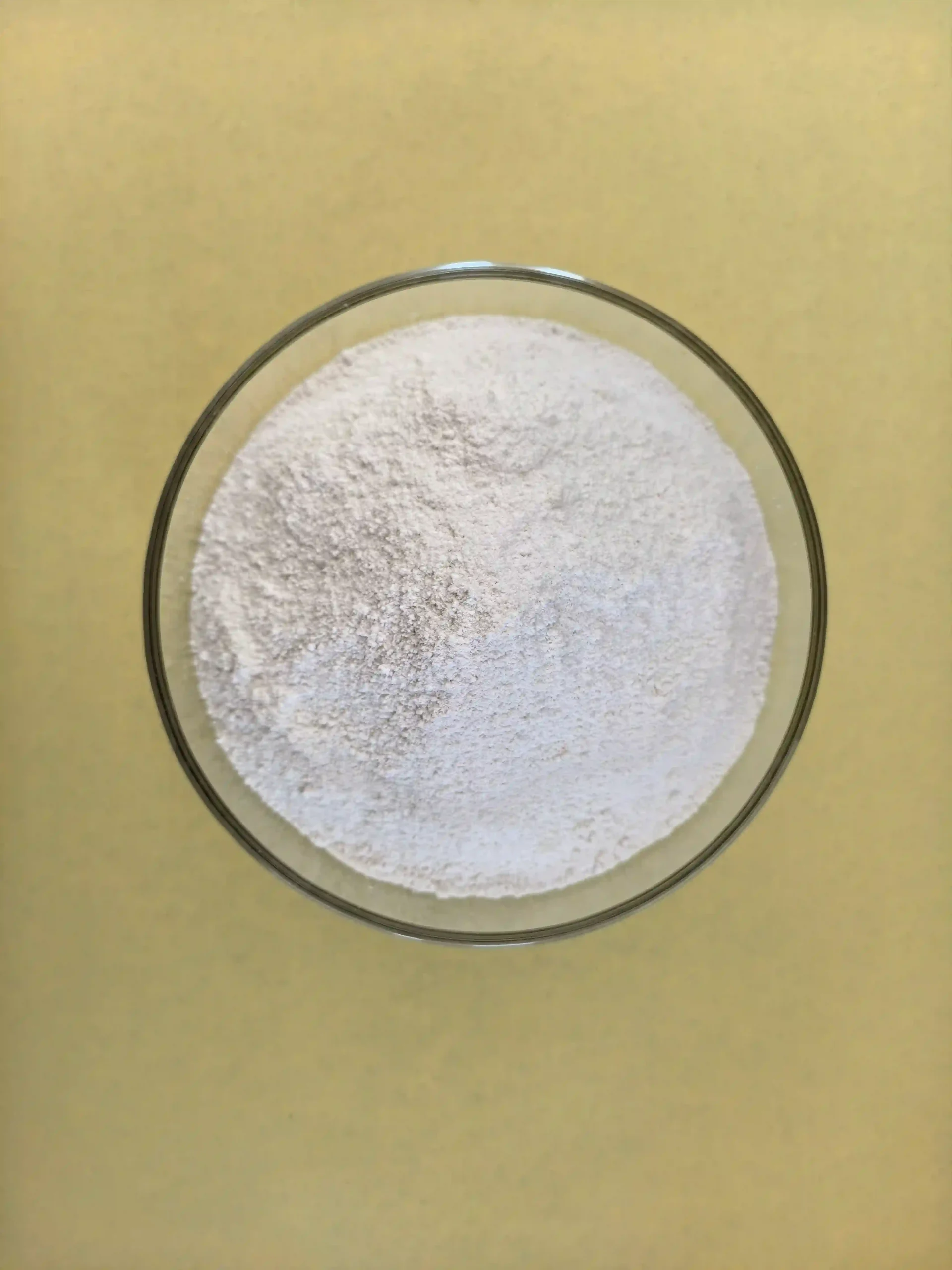
Nano-zinc oxide (nano-ZnO) is a high-performance wide-bandgap semiconductor nanomaterial featuring distinctive photocatalytic, antibacterial, ultraviolet shielding, piezoelectric and electrical properties. Benefiting from ultra-fine particle size, large specific surface area and superior surface activity, it has found extensive applications across coatings, rubber products, electronic components, biomedical supplies, environmental catalysis and multiple other industrial sectors. The comprehensive performance of final nano-ZnO products is predominantly governed by manufacturing routes, and products derived from disparate synthesis techniques differ drastically in particle size uniformity, dispersibility, chemical purity and morphological controllability.
Existing synthetic routes for nano-ZnO are generally categorized into three mainstream branches: gas-phase synthesis, solid-phase synthesis and liquid-phase synthesis. Among them, liquid-phase preparation stands as the dominant option for laboratory research and commercial-scale production by virtue of mild reaction conditions, simplified equipment configuration, controllable production cost and consistent product quality. Representative liquid-phase technologies include hydrothermal/solvothermal synthesis, sol–gel synthesis and chemical precipitation.
-
Hydrothermal and Solvothermal Synthesis
Hydrothermal and solvothermal synthesis proceeds via chemical reactions within hermetically sealed liquid-phase reactors under elevated temperature and pressure, delivering markedly accelerated reaction kinetics compared with ambient-temperature atmospheric-pressure synthesis protocols. The hydrothermal route employs deionized water as reaction medium, while solvothermal synthesis evolves from hydrothermal technology by adopting organic solvents or non-aqueous solutions as reaction media, substantially broadening its applicable reaction system scope. High-crystallinity nano-ZnO can be fabricated at relatively moderate temperatures, and product micro-morphology is tunable via modulating critical parameters including system pressure, pH value and reaction temperature.
Technical Merits
As-synthesized crystals boast high crystallinity with scarce microstructural defects, uniform particle dispersion and negligible agglomeration, endowing finished products with outstanding nano-scale activity; flexible process parameter regulation enables precise control over crystalline grain dimension and microscopic morphology; closed reaction environment restricts exogenous impurity contamination to guarantee high product purity; in-situ crystallization under mild heating effectively inhibits excessive grain growth and subsequent deterioration of surface activity.
Technical Drawbacks
Specialized high-pressure reaction vessels trigger substantial upfront capital investment on production hardware; lengthy single-batch reaction cycles restrict overall production throughput; final product quality is highly susceptible to minor parameter fluctuations, imposing stringent precision requirements on experimental manipulation and restricting full-scale industrial mass production.
-
Sol–Gel Synthesis
This preparation route takes zinc alkoxides or inorganic zinc salts as precursor raw materials, which are homogeneously dispersed into organic solvent systems to undergo hydrolysis and polycondensation reactions in the liquid phase and form stable transparent colloidal sols. Subsequent solvent evaporation turns the sols into solid gels, and target nano-ZnO is ultimately obtained after sequential drying and high-temperature calcination of precursor gels.
Technical Merits
Molecular-level homogenization during precursor mixing yields high-purity products with homogeneous component distribution and minimal segregation impurities; early-stage synthesis proceeds under mild ambient conditions with low equipment investment threshold; versatile product forming capability allows fabrication of nano-ZnO in powder, thin-film and coating formats; uniform grain size distribution secures stable intrinsic nano-performance of finished materials.
Technical Drawbacks
High-grade precursor feedstock entails elevated raw material expenditure; lengthy full-process cycle impedes high-volume mass production; grain agglomeration tends to emerge during calcination treatment with low process error tolerance.
-
Chemical Precipitation Synthesis
Characterized by a straightforward operating workflow, chemical precipitation is subdivided into direct precipitation and homogeneous precipitation. In this process, precipitant solutions are blended with soluble zinc salt solutions, whereby free zinc cations in the liquid phase bind with anions released from precipitants to rapidly generate amorphous precursors, including zinc hydroxide and basic zinc carbonate.

Direct precipitation features instantaneous high-rate ionic nucleation, which commonly leads to uneven grain dimensions and severe particle agglomeration. By contrast, homogeneous precipitation adopts slow-release precipitants to gradually release reactive anions, eliminating localized supersaturation of ionic concentration to achieve homogeneous nucleation and deliver superior product performance relative to direct precipitation. Neither precursor variant owns a complete crystalline ZnO structure, and thermal calcination at 400–600 ℃ is mandatory to remove residual impurities via thermal decomposition and reconstruct the crystalline framework, yielding stable hexagonal wurtzite-type nano-ZnO.
Technical Merits
Simplified operating workflow lowers technical access barrier and matches conventional chemical production equipment for industrial scale-up; abundant and low-cost raw materials cut down overall manufacturing cost; fast reaction kinetics supports continuous production to realize remarkable output capacity; mature and stable technical system minimizes quality fluctuation across product batches.
Technical Drawbacks
Limited controllability over nucleation behavior easily causes severe particle agglomeration and broad particle size distribution with zero capability of targeted morphology modulation; residual inorganic salt contaminants compromise finished product purity; abundant intrinsic crystal defects weaken material surface activity, making the products incompetent for high-precision advanced material applications.
All aforementioned synthetic approaches carry respective strengths and limitations. Therefore, optimal preparation routes should be selected according to customized application requirements during practical nano-ZnO production.