
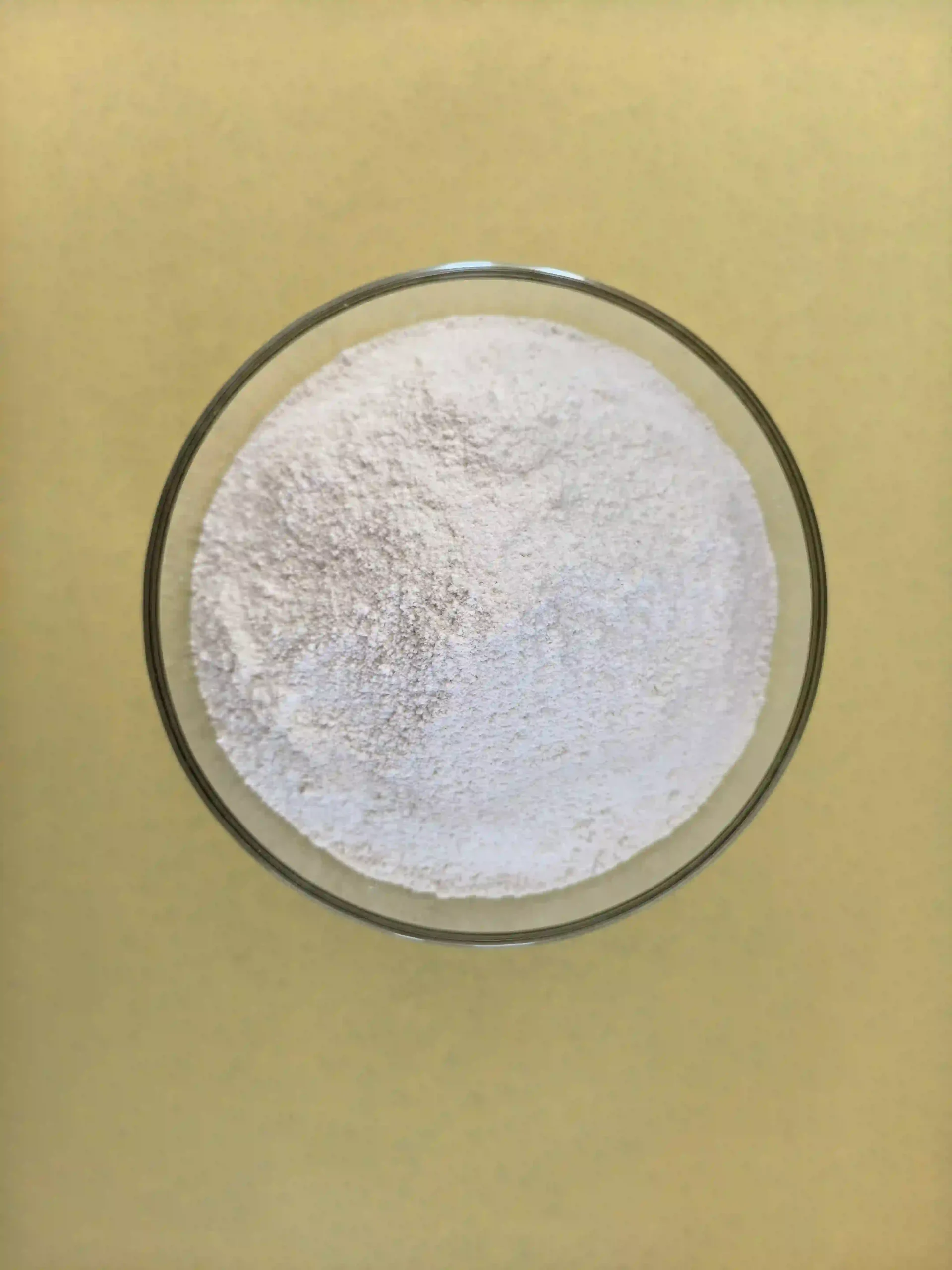
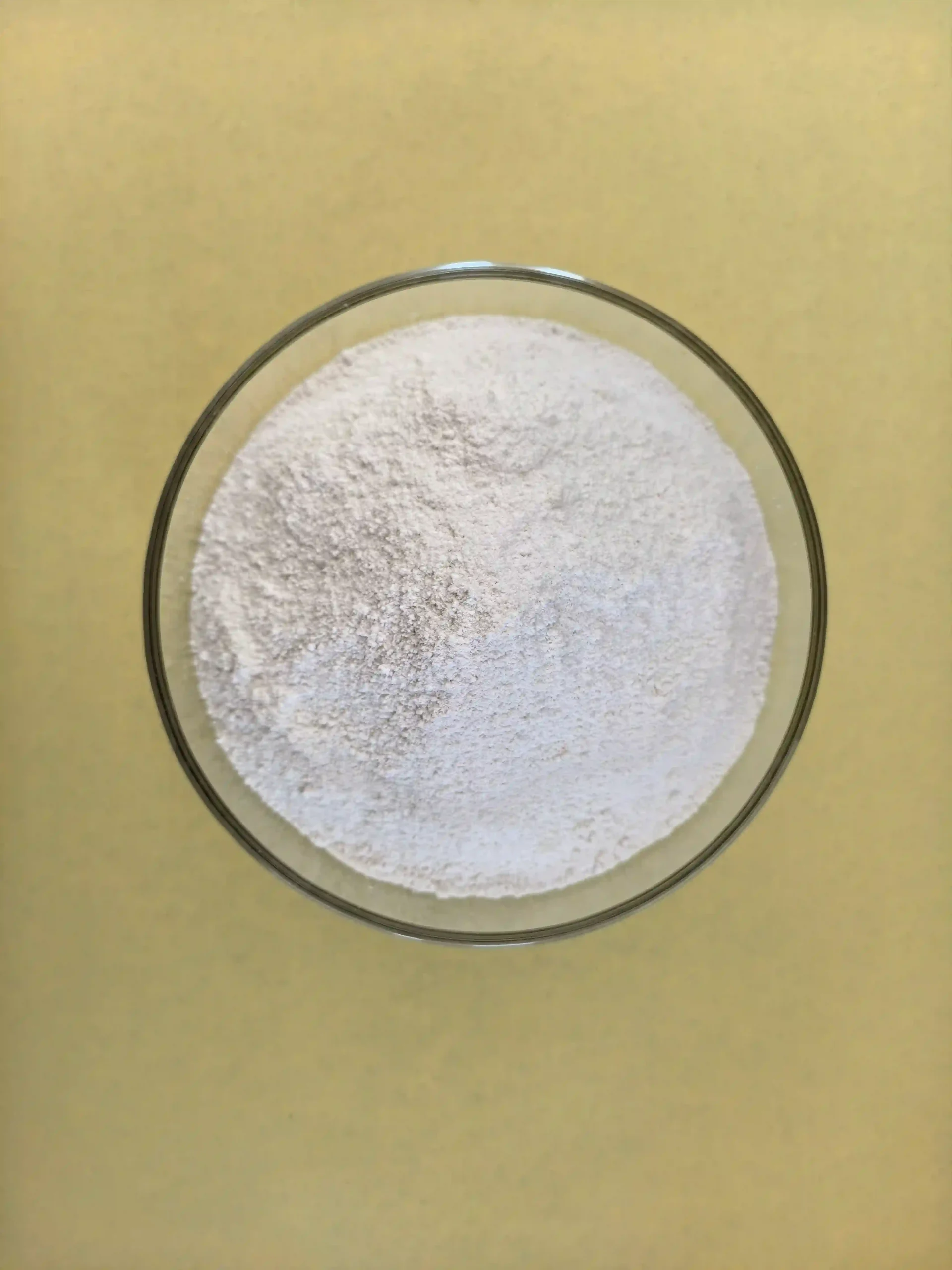
Zinc oxide is an indispensable core raw material for many industries, including rubber, electronics, chemicals, new energy, and antibacterial materials. Its production process directly determines the purity, activity, and impurity content of the product, thus affecting product quality and production costs. Currently, the mainstream zinc oxide production processes are mainly divided into three categories: direct process, indirect process, and wet process. Among them, wet-process active zinc oxide, with its core competitiveness of high purity, high activity, low impurities, and environmental friendliness and energy saving, is gradually replacing traditional pyrometallurgical products, becoming a high-quality zinc-based chemical powder product with high market search demand and strong industry demand.
Direct-process zinc oxide, also known as the pyrometallurgical direct process, is the most traditional and basic zinc oxide production process. The core raw materials are low-grade zinc-containing materials such as zinc ore and zinc slag, combined with reducing agents such as coke. The materials are directly calcined and reduced at high temperatures, and then oxidized and cooled to obtain the finished product. The production process is simple and requires less equipment investment, making it the main method for early large-scale zinc oxide production.
Indirect zinc oxide production, also a pyrometallurgical process, is an upgrade from the direct process. It requires higher-grade raw materials, primarily high-grade zinc ingots and zinc slag. The production process consists of three steps: reduction, evaporation, and oxidation. First, the zinc ingots are heated and melted, then evaporated, followed by high-temperature oxidation, cooling, and grading to obtain the finished product. Temperature control is more precise than in the direct process.
Direct zinc oxide production has low costs and can efficiently utilize zinc-containing waste, making it suitable for mass production of basic-grade zinc oxide. However, it has high impurity content, lower purity, and poor activity. Indirect zinc oxide produces higher purity and more uniform particles than direct zinc oxide, but it is overly reliant on zinc raw materials, has a limited specific surface area, higher energy consumption, and higher flue gas treatment costs.
Wet-process active zinc oxide, also known as wet-process zinc oxide, is currently the most advanced zinc oxide production process best suited to high-end demands. It differs significantly from the high-temperature pyrometallurgical routes of direct and indirect methods. The entire process revolves around a liquid-phase reaction, using zinc-containing ore, zinc dust, and zinc sulfate solution as core raw materials. The process involves leaching, multi-stage purification, precipitation, pure water washing, low-temperature drying, and low-temperature calcination. Each step can be precisely controlled, ensuring product quality from the source.
Compared to pyrometallurgical zinc oxide, wet-process zinc oxide offers significant advantages. Firstly, it boasts higher purity and fewer impurities. The multi-stage wet impurity removal process deeply removes heavy metals, achieving a purity of over 99.9% for high-purity wet-process zinc oxide, meeting stringent environmental standards for electronic, food contact, and rubber applications. Secondly, it exhibits stronger activity and a larger specific surface area. The finer, more porous powder grains result in a significantly larger specific surface area than ordinary zinc oxide, leading to higher vulcanization activation efficiency. This allows for a substantial reduction in the amount added to rubber formulations, lowering overall production costs. Meanwhile, the particles exhibit excellent uniform dispersion and are not prone to agglomeration, resulting in faster and more uniform integration in adhesives, slurries, and coatings, significantly improving the wear resistance, aging resistance, light transmittance, and stability of the finished product. Furthermore, it has broad raw material compatibility, efficiently utilizing zinc-containing waste, leading to higher resource utilization, a more environmentally friendly closed-loop process, high wastewater recycling efficiency, and lower energy consumption, aligning with the trend of dual-carbon green production.
Choosing a reliable wet-process zinc oxide manufacturer and selecting a reputable manufacturer with a complete wet-process technology ensures strict control over purity, particle size, activity, and heavy metal content, helping companies improve quality and reduce costs.