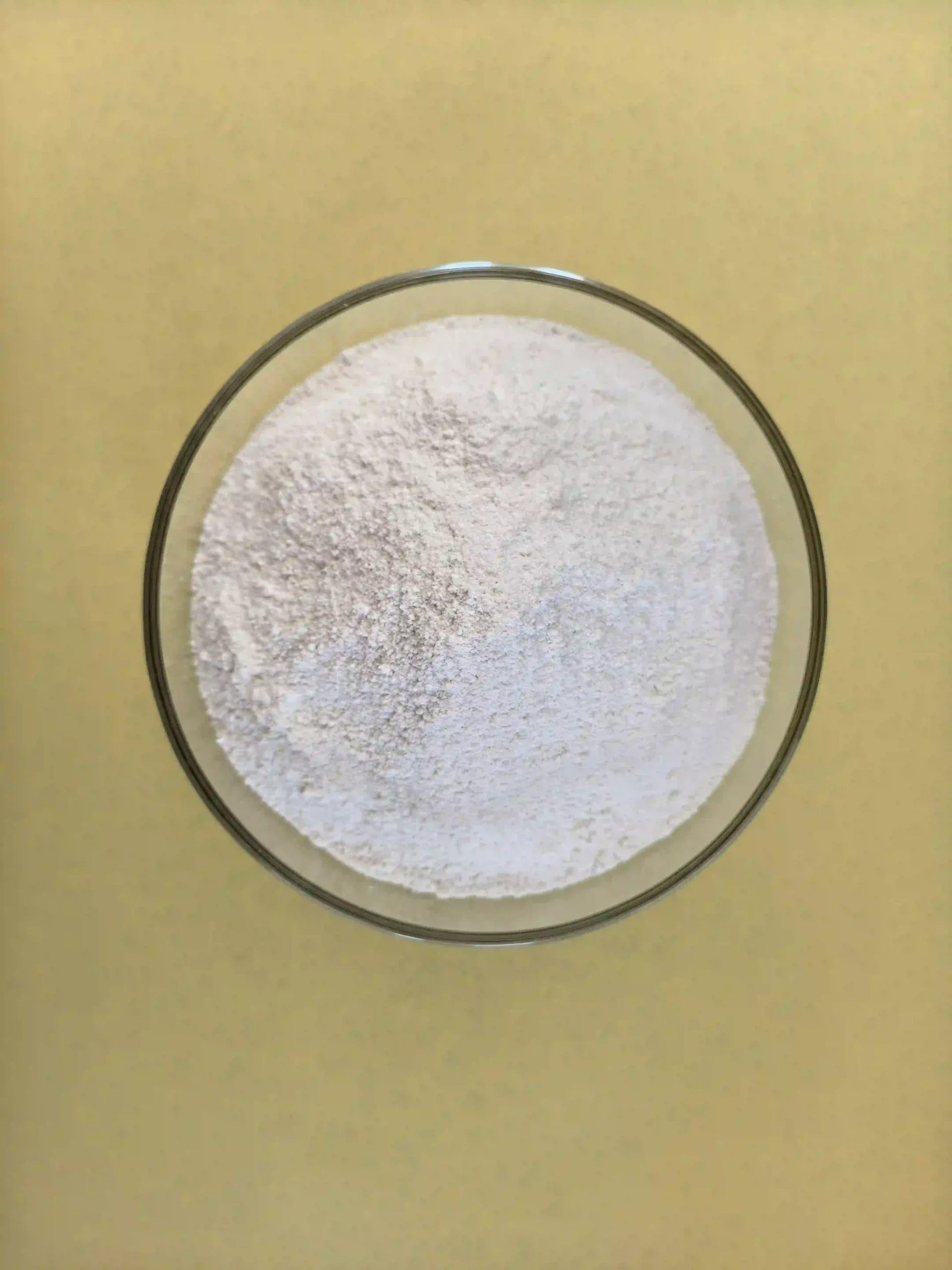
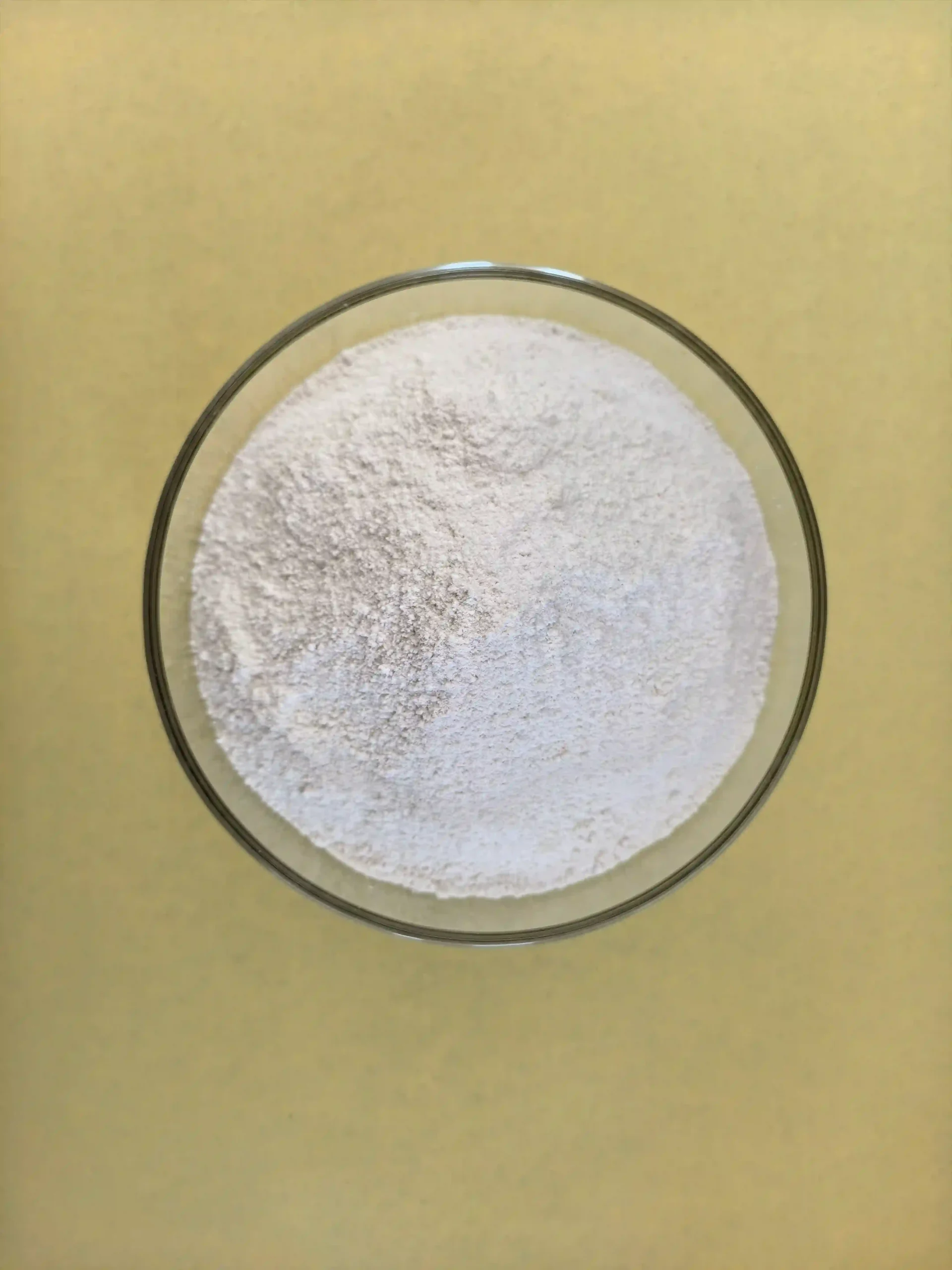
Zinc oxide acts as a core vulcanization activator in rubber formulations, directly governing crosslinking efficiency, mechanical strength and aging resistance. Many manufacturing workshops tend to overlook raw material storage procedures and directly feed moisture-absorbed and agglomerated zinc oxide into mixing processes. Defects induced by such raw materials usually cannot be detected immediately during semi-finished product inspection, and mostly emerge intensively after the finished products have been in service for a period of time, representing typical hidden quality risks.
When zinc oxide is stored in high-humidity environments for an extended period, water molecules get adsorbed onto the powder surface. Partial surface zinc oxide undergoes hydration reactions to form zinc hydroxide hydrates, causing powder particles to adhere to one another and form hard agglomerates. Such agglomerates can hardly be fully broken down merely by the shearing force of conventional internal mixing. Once incorporated into rubber compounds, uneven dispersion inside the rubber will occur in the first place. Regions with agglomerated particles carry locally excessive zinc oxide concentration while adjacent areas suffer insufficient activator supply, leading to simultaneous partial over-vulcanization and partial under-vulcanization during vulcanization, and severely unbalanced distribution of crosslink density within the rubber compound. Basic indicators such as tensile strength and hardness may barely pass routine incoming sampling tests, yet micro weak zones have already formed inside the product. Under long-term dynamic stress, microcracks tend to develop prematurely and shorten the fatigue service life of rubber parts. The risk of failure rises significantly for high-stability products including sealing rings, vibration dampers and rubber hoses.

Water introduced into rubber by moisture-affected zinc oxide vaporizes rapidly at high vulcanization temperatures, and water vapor forms tiny pores and voids within the rubber matrix. These micropores are small in size, hardly identifiable by visual inspection, and count as internal hidden defects. For sealing rubber goods, internal micropores compromise material compactness and greatly raise the probability of medium penetration and leakage under pressure. Under dynamic working conditions, micropores serve as stress concentration points, accelerating crack propagation and reducing tear strength and wear resistance. Meanwhile, water vapor interferes with the complexation reaction between zinc oxide, stearic acid and vulcanization accelerators, hindering the generation of active zinc stearate intermediates and directly weakening vulcanization activation effects. This destabilizes reactions of the vulcanization system, increases fluctuation in scorch time, results in inconsistent vulcanization rates within the same batch of rubber compounds, narrows the processing window and deteriorates batch consistency.
Another hidden issue arising from raw material moisture is the reduced aging resistance of finished products. Zinc oxide under normal conditions can capture free radicals within rubber systems to restrain thermal-oxidative and ozone aging and protect rubber macromolecular chains. Nevertheless, hydration from moisture impairs the activity of zinc oxide, and powder agglomeration reduces the effective reactive specific surface area, drastically cutting anti-aging performance. After rubber products are put into outdoor or high-temperature service, aging accelerates markedly, with premature hardening, brittleness and surface cracking. Under certain operating conditions, there is also an underlying risk of bloom. Zinc oxide agglomerates migrate slowly inside rubber, and white powder precipitates on product surfaces after storage, spoiling appearance. Besides, it lowers the bonding strength between rubber and metal or fabric, and composite rubber parts are prone to interfacial delamination.
Many factories simply assume zinc oxide with slight moisture and no obvious large agglomerates is still usable. However, trace moisture is enough to alter the powder surface state and trigger performance fluctuations. Especially active zinc oxide features a larger specific surface area and stronger moisture absorption capacity, so its adverse impacts after moisture exposure are more prominent than those of ordinary zinc oxide. These defects are difficult to investigate. Conventional raw material tests only check purity and rarely examine moisture content and dispersibility. The defects only surface after finished products are delivered to customer sites, resulting in customer complaints and product returns.
To avoid such hazards, raw material incoming inspection and storage control constitute the first line of defense. Zinc oxide shall be stored in dry and ventilated warehouses with moisture-proof measures and off-ground stacking. Damaged packages shall be sealed promptly. Regular sampling for moisture testing is required before feeding. If moisture absorption and agglomeration are detected, the material cannot be directly put into production. Drying treatment followed by dispersibility verification can be carried out first. Heavily agglomerated zinc oxide is not recommended for formulations of premium rubber products, since its hard agglomerate structure can hardly be restored and activity cannot be recovered even after drying. Implementing proper moisture control during zinc oxide storage to prevent moist raw materials from entering production can stabilize the vulcanization system and mitigate various hidden failures of rubber products.