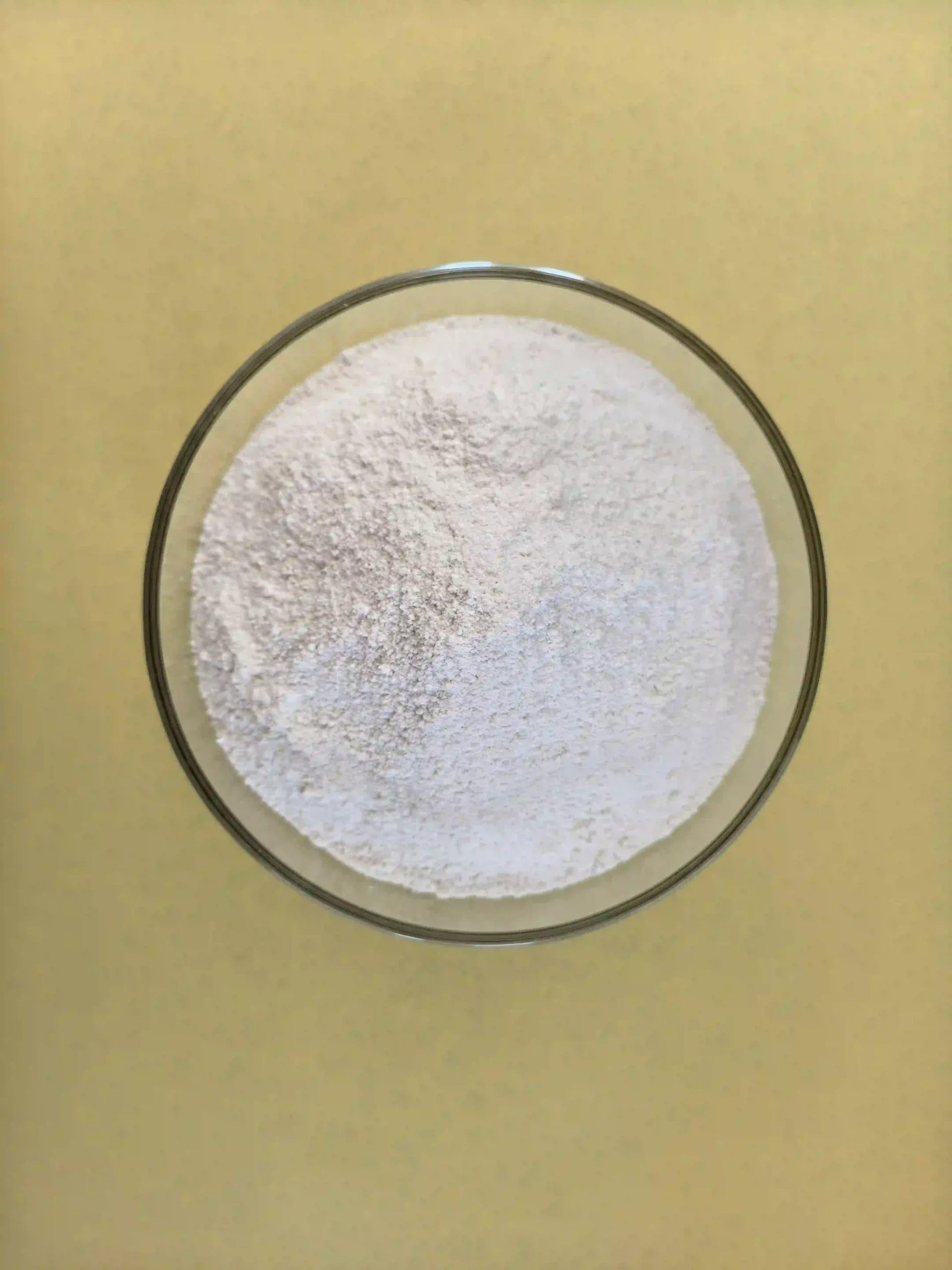
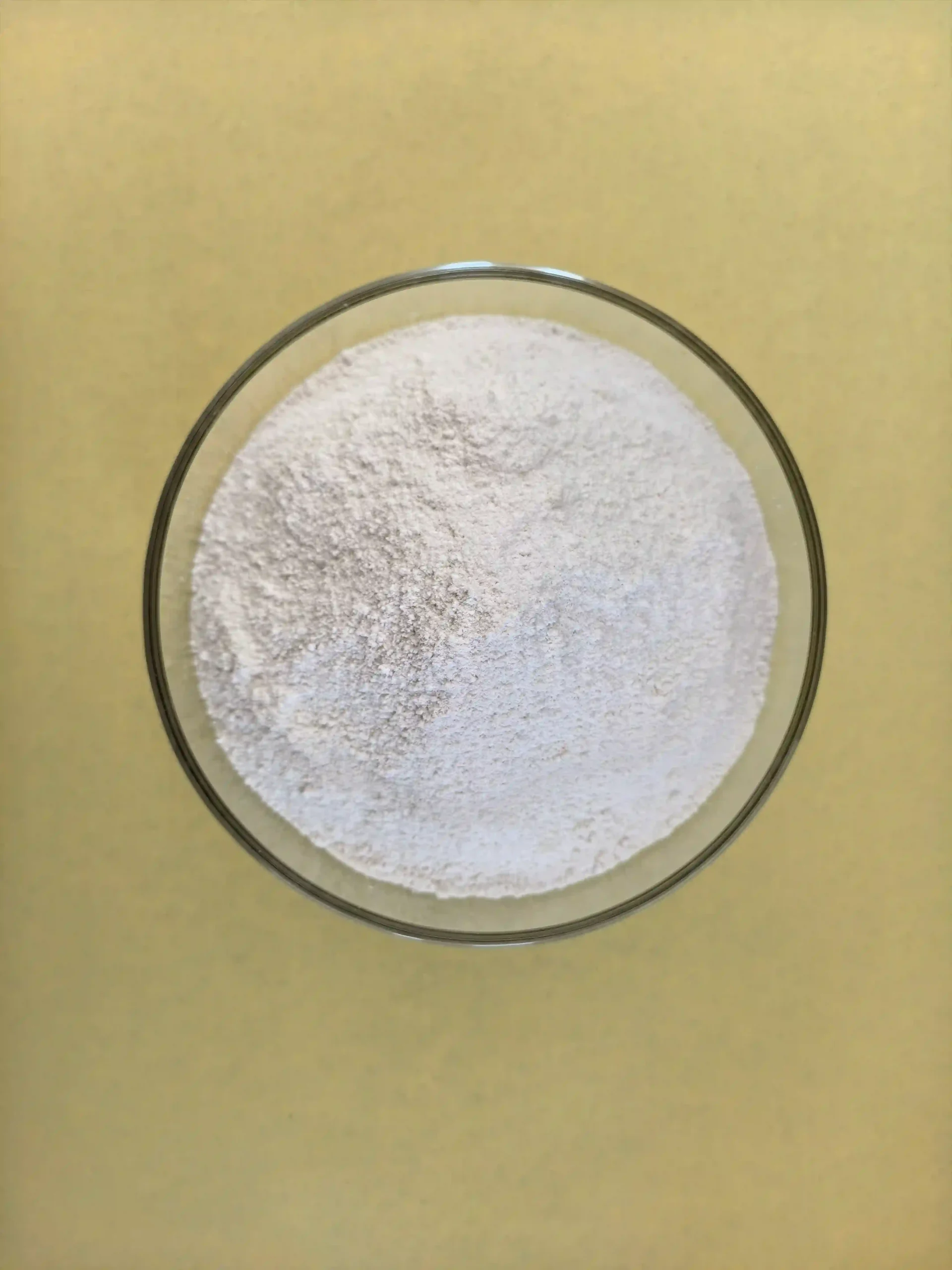
Active zinc oxide feed grade offers a more efficient way to deliver zinc for intestinal health while helping reduce overall zinc supplementation levels. Its key advantage lies in its particle structure, particularly its high specific surface area and porous morphology, which can improve surface reactivity and interaction with the intestinal environment. Compared with conventional zinc oxide, this may allow nutritionists to achieve targeted gut health benefits at lower inclusion levels, depending on the formulation and animal production conditions. For feed manufacturers facing stricter zinc limits, this improved zinc efficiency offers both nutritional and environmental benefits.
Why Surface Area Matters More Than Dosage in Active Zinc Oxide Feed Grade
Conventional feed-grade zinc oxide has been used for decades to help control post-weaning diarrhea in piglets, often at pharmacological supplementation levels of 2,500–3,000 mg/kg Zn. Although this approach can improve nursery performance, high zinc supplementation also increases zinc excretion. Much of the unabsorbed dietary zinc is eliminated through manure, contributing to soil accumulation when manure is repeatedly applied to agricultural land.
Active zinc oxide feed grade offers an alternative approach by improving zinc efficiency through particle engineering. According to the product specifications, its high specific surface area and porous structure provide more active surface sites for interaction with the surrounding intestinal environment. These physical properties may improve zinc reactivity and availability, although the actual absorption and biological response depend on particle characteristics, dietary composition, and animal physiology. Its antimicrobial potential is also associated with zinc-related interactions that may inhibit certain intestinal microorganisms.
The practical advantage is the potential to achieve comparable gut health and growth outcomes with less supplemental zinc. A 2026 study published in the Journal of Animal Science evaluated activated zinc oxide against conventional ZnO in 216 weaned piglets. Supplementation with activated zinc oxide at 125–500 mg/kg Zn produced growth performance and diarrhea control comparable to 1,500 mg/kg Zn from conventional ZnO. At 250 mg/kg Zn, the activated ZnO group also showed substantially lower fecal zinc concentrations than the conventional ZnO group receiving 1,500 mg/kg Zn. The researchers identified 250–500 mg/kg Zn as a practical range when balancing animal performance and environmental considerations.
What Lower Zinc Inclusion Means for Feed Formulation
Consider a feed mill producing 500 tonnes of weaned piglet feed per month. Reducing supplemental zinc from 1,500 mg/kg to 400 mg/kg would lower zinc input by approximately 550 kg per month, assuming both figures represent elemental Zn and other zinc sources remain unchanged. This reduction can help feed manufacturers manage total dietary zinc levels, reduce zinc excretion, and adapt formulations to applicable regulatory limits.
The 2026 study also reported improvements in intestinal morphology and digestive enzyme activity at activated ZnO supplementation levels of 125–500 mg/kg Zn, alongside increased serum IgA and IgG concentrations. No adverse effects on organ weights or hematological parameters were reported under the tested conditions. These findings suggest that improved zinc efficiency may support intestinal function and immune indicators without requiring the higher supplementation levels traditionally used in piglet diets.
Active Zinc Oxide Feed Grade vs. Conventional Feed-Grade Zinc Oxide
The following comparison highlights the main parameters nutritionists and feed manufacturers should consider when selecting a zinc source. Research findings are based on specific experimental conditions, while actual performance depends on the product’s physical properties, basal diet, animal health, and production environment.
| Parameter | Conventional Feed-Grade ZnO | Active Zinc Oxide Feed Grade |
|---|---|---|
| Key characteristics | Conventional particle structure and surface area | High specific surface area and porous particle structure |
| Use in piglet diets | Historically used at high pharmacological zinc levels, often 2,500–3,000 mg/kg Zn | 125–500 mg/kg Zn evaluated in recent activated ZnO research |
| Growth performance | Reference treatment in comparative trials | A 2024 slope-ratio analysis reported a 72% greater growth rate per unit of zinc |
| Fecal zinc | Higher supplementation can increase zinc excretion | Lower fecal zinc concentrations reported at tested supplementation levels |
| Particle structure | Depends on manufacturing method and grade | Porous structure with a high density of surface-active sites |
| Premix handling | Standard powder-handling requirements | Fine particles and high surface area may require additional dust and flowability control |
| Potential application | Zinc supplementation and historical high-dose piglet feeding programs | Lower-zinc formulation strategies and nutritional zinc supplementation |
A 2024 conference study published in the Journal of Animal Science, involving University of Minnesota researchers, evaluated activated ZnO as a partial replacement for conventional feed-grade ZnO in 720 weaned pigs. Its slope-ratio analysis indicated a 72% greater growth rate per unit of zinc for activated ZnO compared with conventional ZnO. During Phase 1, when both zinc sources were supplied at 1,200 mg/kg Zn, pigs receiving activated ZnO had a 490 g greater body weight gain than those receiving conventional ZnO. One activated ZnO treatment also reported 7.6% lower mortality than the control treatment.
These findings support the potential of activated zinc oxide to improve zinc utilization in nursery diets. However, the 72% figure comes from a specific slope-ratio analysis and should not be interpreted as a universal increase in growth performance. Similarly, the mortality result represents an individual treatment outcome rather than a guaranteed reduction across commercial farms.
Application Cases: How Active Zinc Oxide Feed Grade Supports Different Animal Species
Research on active zinc oxide feed grade is most developed in swine nutrition, particularly for weaned piglets. However, zinc also plays important nutritional roles in poultry and ruminants. Its application in these species is primarily related to meeting dietary zinc requirements and supporting normal physiological functions rather than replacing high-dose piglet diarrhea-control programs.
Weaned Piglets: The Primary Application of Active Zinc Oxide Feed Grade
Weaning is a particularly challenging stage in pig production. Piglets transition from milk to solid feed, experience changes in their intestinal microbial environment, and face new nutritional and social stressors. These changes can disrupt intestinal barrier function, increase diarrhea risk, and reduce feed intake and growth performance.
A 2024 conference study published in the Journal of Animal Science evaluated activated zinc oxide as an alternative to conventional pharmacological ZnO in weaned pigs. The trial involved 720 pigs across five dietary treatments over a 42-day, three-phase feeding program. Its findings indicated that activated ZnO could maintain growth performance at reduced zinc inclusion levels, supporting its potential use in nursery feed formulations.
The 2026 study provided further evidence regarding intestinal health. Serum diamine oxidase (DAO), an indicator associated with intestinal mucosal integrity, was lower in the activated ZnO groups receiving 125–500 mg/kg Zn than in the control group. This finding suggests a potential benefit for intestinal barrier function under the tested conditions. Together, these studies make weaned piglet diets the most directly supported application for active zinc oxide feed grade.
Poultry: Supporting Growth, Immunity, and Eggshell Quality
Zinc is an essential trace mineral in poultry nutrition, contributing to enzyme activity, protein metabolism, immune function, and tissue development. In broilers, adequate zinc intake supports normal growth and development, while in laying hens, zinc contributes to eggshell formation through its role in zinc-dependent enzymes such as carbonic anhydrase.
According to the supplier’s product information, active zinc oxide feed grade can be used as a zinc source in poultry feed to support nutritional requirements, intestinal health, and eggshell quality. Its high surface area may offer formulation advantages, but specific improvements in broiler growth, disease resistance, or egg quality should be evaluated through species-specific feeding trials.
Poultry zinc supplementation levels vary with species, age, production stage, basal diet, and regulatory requirements. Commercial feed formulations therefore need to account for existing dietary zinc contributions rather than applying a fixed inclusion rate. For poultry feed manufacturers, product purity, zinc content, particle characteristics, and batch consistency are important considerations when selecting a feed-grade zinc source.
Ruminants: Supporting Zinc Nutrition in Cattle and Sheep
In beef cattle, dairy cows, and sheep, zinc is primarily used to meet nutritional requirements and support normal growth, immune function, skin health, and reproductive performance. Adequate zinc nutrition is also relevant to milk production and overall livestock development.
Supplier information describes active zinc oxide feed grade as a potential zinc supplement for ruminant diets. However, research specifically evaluating activated zinc oxide in ruminants is more limited than the available evidence in weaned piglets. Results from piglet trials should therefore not be directly extrapolated to cattle or sheep.
For feed formulators, the choice of zinc source should reflect the animal’s production stage, basal diet, mineral requirements, and applicable feed regulations. In swine nursery diets, activated zinc oxide has a more direct research-supported role in lower-zinc feeding strategies. In poultry and ruminant feed, its primary application is as a potential source of supplemental zinc, with performance benefits requiring species-specific validation.
Regulatory Pressure Makes Zinc Efficiency a Commercial Requirement
The regulatory direction is clear. Since June 2022, the European Union has limited the maximum total zinc content in complete feed for piglets to 150 mg/kg, replacing the previous use of pharmacological zinc oxide doses of 2,500–3,000 mg/kg. This restriction does not prohibit zinc oxide as a nutritional zinc source. Instead, it limits the high-dose feeding strategy previously used to help control post-weaning diarrhea.
China’s regulatory framework follows a different approach. Under the relevant feed additive requirements, zinc oxide or basic zinc chloride may be used at up to 1,600 mg/kg Zn during the first two weeks after weaning, subject to the applicable conditions. This allowance is specific to a defined production stage and should not be interpreted as a general authorization for high-dose zinc supplementation across all animals or feeding periods.
In this environment, the commercial question is not simply whether to reduce zinc supplementation. It is which zinc source can help formulators meet regulatory limits while maintaining nutritional and intestinal health objectives. Research on activated zinc oxide has reported comparable growth performance and diarrhea control at lower zinc inclusion levels under specific trial conditions. If these results can be reproduced in commercial diets, active zinc oxide feed grade may offer both a compliance advantage and greater formulation flexibility.
The Environmental Benefits of More Efficient Zinc Supplementation
Fecal zinc is an important indicator when evaluating the environmental impact of zinc supplementation. Excess dietary zinc that is not absorbed or retained by the animal can be excreted, contributing to zinc accumulation in manure and potentially in agricultural soils over time. A 2026 piglet study reported lower fecal zinc levels in an activated ZnO treatment than in the conventional ZnO comparison under the tested conditions. This suggests that improving zinc utilization may help reduce zinc excretion, although the actual environmental benefit depends on the diet, inclusion rate, and farm management practices.
Activated zinc oxide has also been discussed for applications beyond animal nutrition. Its porous structure and high surface activity may support hydrogen sulfide adsorption when the material is used in certain external deodorization applications in livestock facilities. However, this is a separate application from feed-grade zinc oxide and should not be treated as evidence of deodorizing performance when the product is included in animal feed.
What to Confirm When Sourcing Active Zinc Oxide Feed Grade
Not all active zinc oxide products are manufactured to the same specifications. Differences in production methods, surface area, particle size, and impurity levels can affect product consistency and suitability for feed applications. A specification-based evaluation helps buyers distinguish verifiable product characteristics from general marketing claims.
Specific Surface Area and Particle Size Distribution
Daoan’s product information describes a wet chemical manufacturing process for its active zinc oxide feed grade, distinguishing it from conventional direct- and indirect-process zinc oxide. For the D10 grade, buyers should confirm whether the stated BET specific surface area of 50–60 m²/g and 325-mesh sieve passing rate of 99.95% apply specifically to the feed-grade product.
These parameters are relevant because surface area and particle characteristics can influence the reactivity and handling properties of zinc oxide. However, a higher BET value alone does not establish a specific biological response or prove that one product can achieve the same results at a lower inclusion rate. Formulators should evaluate the complete specification alongside feeding-trial data and application requirements.
Heavy Metal Profile
Feed-grade zinc oxide should be assessed for contaminants such as lead and cadmium, with limits determined by the regulations in the target market. Daoan’s D10 specification should be checked to confirm whether the reported lead level of ≤5 ppm and cadmium level of ≤3 ppm apply to the feed-grade product. Buyers should request the corresponding certificate of analysis and, where necessary, independent laboratory test reports.
For manufacturers supplying markets with strict contaminant requirements, verified heavy metal data help support raw material qualification, regulatory compliance, and shipment documentation.
A Sourcing Checklist for Active Zinc Oxide Feed Grade
Buyers evaluating active zinc oxide feed grade should confirm the following before entering a supply agreement:
- BET surface area: Request batch-level data and confirm the test method. If the supplier specifies 50–60 m²/g, verify that this range applies to the exact feed-grade product.
- Sieve passing rate: Confirm the 325-mesh passing rate and request particle-size data where available. Particle distribution can affect powder handling and premix uniformity.
- Lead and cadmium limits: Check the applicable market requirements and request batch-specific test results, preferably supported by third-party reports.
- Manufacturing route: Confirm whether the product is made through a wet chemical, direct, or indirect process, and ask how the process controls product consistency.
- Batch-to-batch consistency: Review BET surface area, moisture, particle size, and impurity data from at least three production batches.
- Supply reliability: Evaluate the supplier’s ability to maintain consistent specifications, provide technical documentation, and support repeat orders.
If a supplier cannot provide batch-level BET and particle-size data, its claims about product activity are difficult to assess. These documents are among the most useful starting points when comparing active zinc oxide suppliers.
FAQ
1. What Is the Difference Between Active and Conventional Zinc Oxide?
Active zinc oxide is typically characterized by higher specific surface area and a different particle structure. These properties may influence its surface reactivity, powder handling, and performance in feed formulations.
2. Is Active Zinc Oxide Suitable for Premix Manufacturing?
Yes, but its flowability, dust generation, and moisture sensitivity should be evaluated before large-scale use. Buyers should request particle-size and moisture data and conduct a compatibility test in the intended premix formulation.
3. What Documents Should Buyers Request From a Supplier?
Request a technical data sheet, batch-specific certificate of analysis, heavy metal test results, BET surface area data, particle-size information, and relevant quality certifications. These documents help verify product specifications and support raw material qualification.
4. How Should Active Zinc Oxide Be Stored?
Store it in tightly sealed packaging in a cool, dry, well-ventilated area. Protect the powder from moisture and contamination, and follow the supplier’s recommended storage conditions to maintain product quality.
5. What Factors Should Be Compared When Choosing a Supplier?
Compare verified product specifications, batch consistency, manufacturing capability, quality control, documentation, supply stability, and technical support. Price per kilogram alone may not reflect the overall cost or suitability of the material.
Conclusion
Active zinc oxide feed grade offers feed manufacturers an alternative approach to zinc supplementation, combining high surface area with the potential to improve zinc utilization at lower inclusion levels. Its value lies in balancing animal nutrition, formulation efficiency, and regulatory requirements.
Daoan provides active zinc oxide solutions for feed applications. Contact Daoan to request the D10 technical data sheet, review product specifications, and discuss sample testing for your formulation. Verify the product’s suitability through batch data and feeding trials before making a full-scale switch.