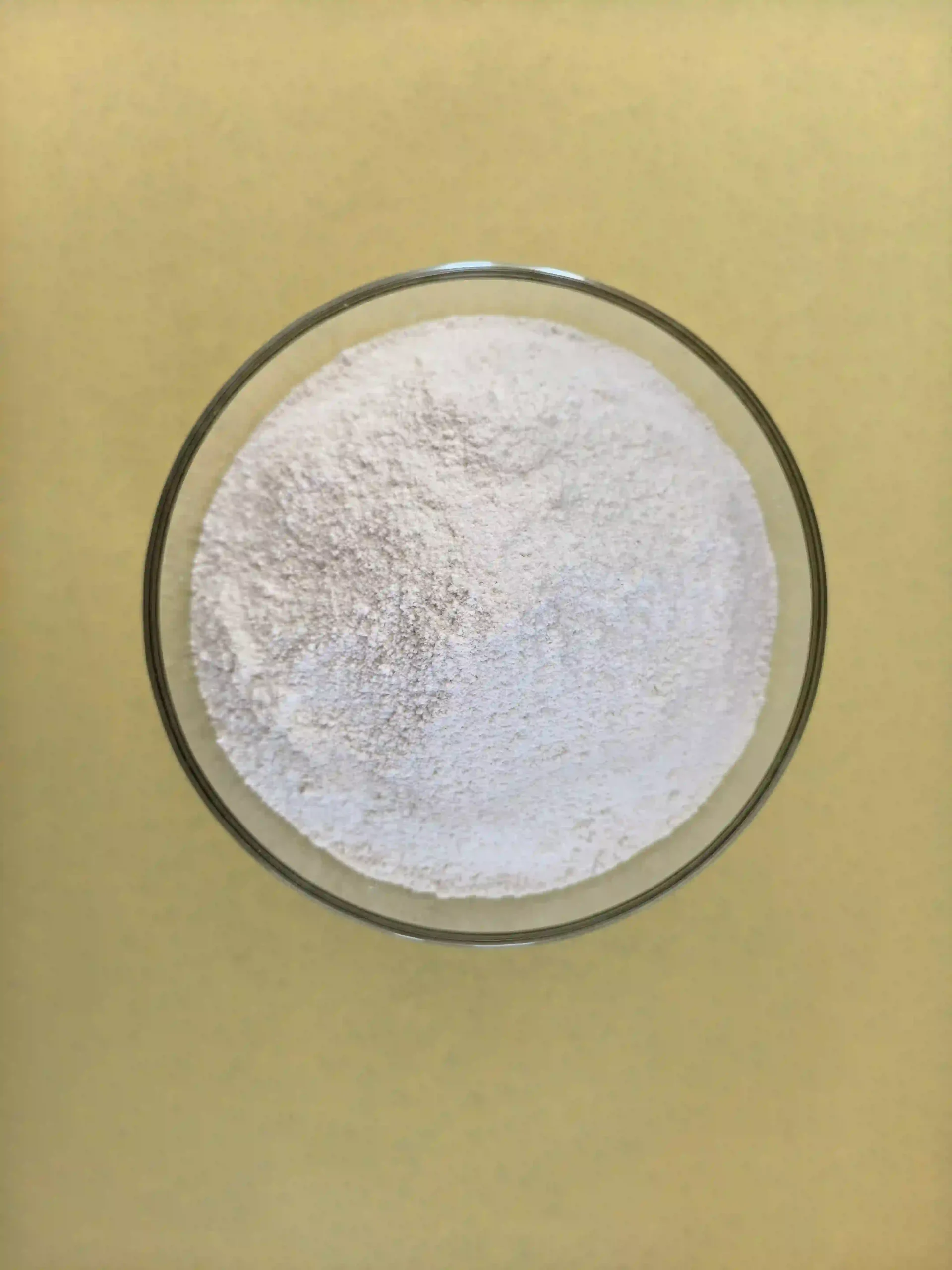
Rubber products such as hoses, conveyor belts, and transmission belts are key components in engineering machinery, mining transportation, petrochemicals, and agricultural machinery. They endure long-term bending, stretching, friction, high temperatures, and media corrosion, placing extremely high demands on the mechanical properties, aging resistance, and production process stability of the rubber compounds. In rubber formulation systems, zinc oxide, as an important vulcanizing activator, directly affects the molding quality and service life of the products. Compared to ordinary zinc oxide, active zinc oxide has higher reactivity, better dispersibility, and lower addition amounts, making it a superior choice for improving quality and efficiency in the hose and belt industry.
In the continuous and large-scale production of rubber hoses and belts, vulcanizing aids must not only ensure the full cross-linking reaction but also adapt to the requirements of complex working conditions. They must ensure high vulcanization efficiency, shorten vulcanization time, and be compatible with production processes such as extrusion, winding, and continuous vulcanization. During mixing, they must be easily dispersed and not agglomerate, ensuring a dense and uniform rubber compound and reducing defects such as porosity, spots, and uneven performance in the finished product. While ensuring effectiveness, they should minimize usage to reduce raw material costs and avoid problems such as excessive hardness and decreased elasticity due to excessive filler. Vulcanizing aids improve the performance of the rubber compound by optimizing the vulcanization network structure, reducing problems such as cracking, spalling, and delamination in rubber hoses and belts during use.
Active zinc oxide is precisely the vulcanizing aid needed in the production of rubber hoses and belts. With its large specific surface area and high reactivity, active zinc oxide can better synergize with accelerators and sulfur, significantly improving cross-linking efficiency and density. In the continuous vulcanization production of rubber hoses and belts, it can shorten vulcanization time, increase linear speed, reduce under-vulcanization and over-vulcanization problems, and improve product qualification rate and production capacity. Activated zinc oxide enables rubber compounds to form a more uniform and stable cross-linked network, thereby significantly improving tensile strength, stress at a given elongation, and resistance to flexural fatigue. For products such as conveyor belts, hydraulic hoses, and V-belts subjected to long-term stress, it can effectively reduce fatigue cracking, lateral wear, surface peeling, and other failures, extending replacement cycles.
Rubber hoses and belts are often used outdoors or in high-temperature environments, making them prone to aging phenomena such as hardening, cracking, and powdering. Activated zinc oxide has good thermal stability, which can help improve the rubber compound’s resistance to heat, oxygen aging, and ozone, maintaining its elasticity and toughness, and enhancing long-term stability. Compared to ordinary zinc oxide, activated zinc oxide has a finer particle size and more uniform dispersion, making it less prone to clumping during mixing. This reduces internal defects in the rubber compound, resulting in a smoother, denser surface for the hoses and belts, stronger bonding between the inner and outer rubber layers, and improved overall quality. Under the same vulcanization effect, the amount of active zinc oxide added can be reduced by 30% to 50% compared to ordinary zinc oxide. This reduces raw material input and the proportion of inorganic fillers in the rubber compound, resulting in better elasticity and a softer feel, achieving a balance between performance and cost.
In the trend of upgrading to high performance, long service life, and low cost in the hose and tape industry, active zinc oxide has become the preferred additive to replace ordinary zinc oxide. It not only improves vulcanization efficiency and production processes but also optimizes the properties of the rubber compound structurally, enhancing the strength, abrasion resistance, and aging resistance of the finished product.