
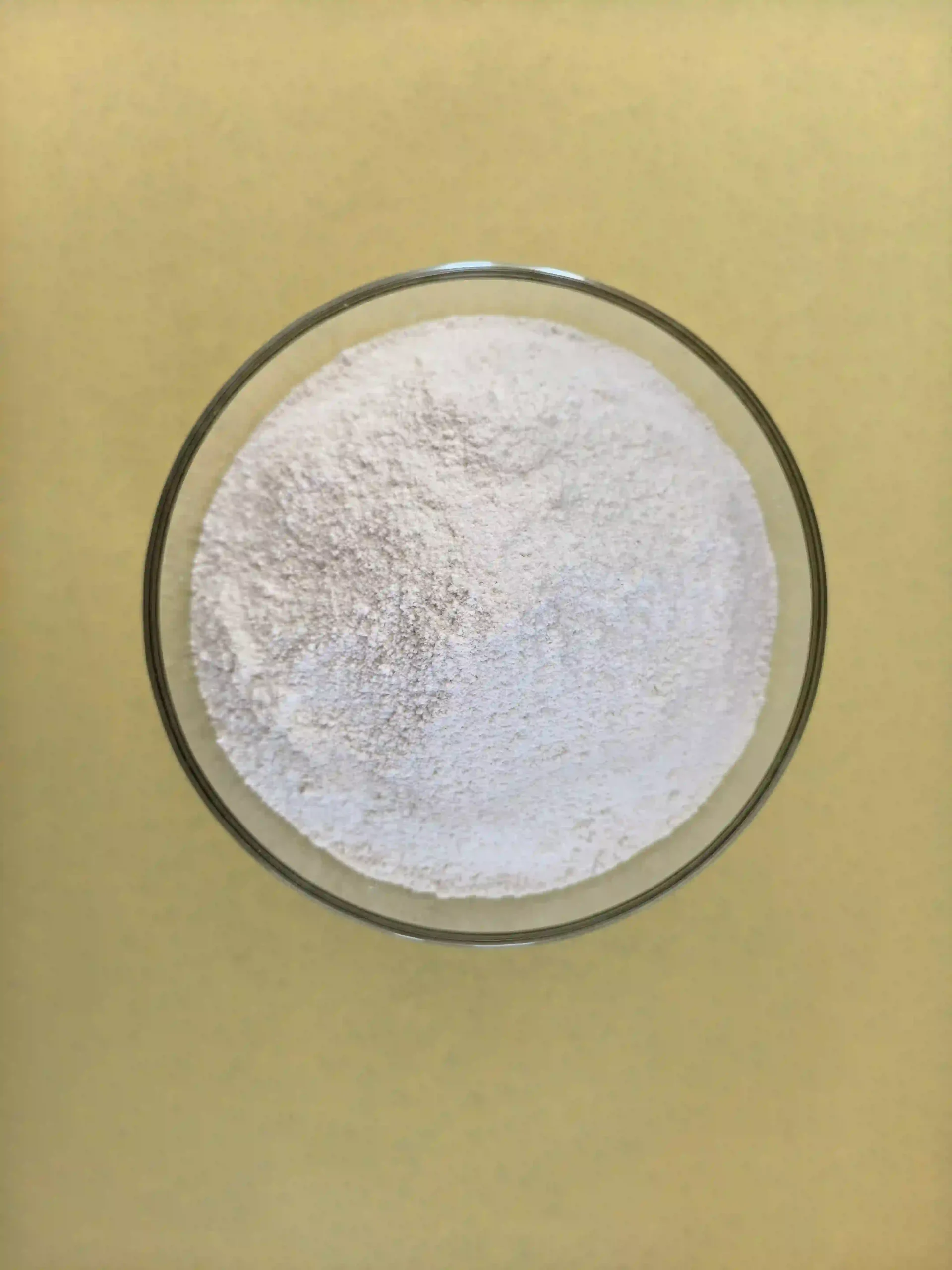
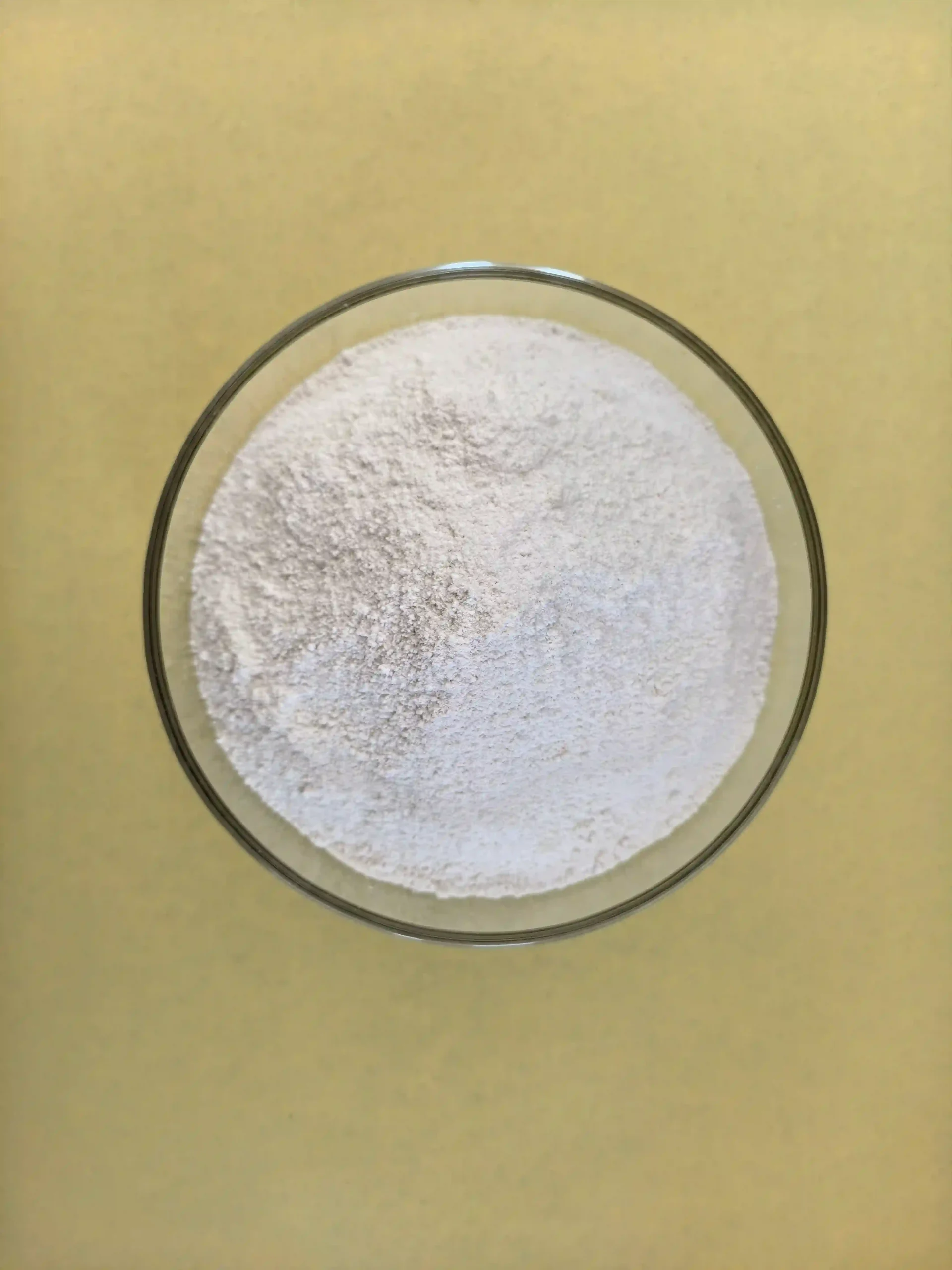
As the “load-bearing skeleton” of a shoe, the abrasion resistance, tear resistance, and aging resistance of the rubber sole directly determine its lifespan and overall quality. Traditional zinc oxide in shoe material formulations suffers from drawbacks such as high dosage, poor dispersibility, and limited vulcanization efficiency, making it difficult to meet the stringent requirements of safety shoes and foamed midsoles. Active zinc oxide, with its high activity and high dispersibility, has become a core choice for overcoming the performance bottlenecks of rubber shoe soles and achieving low-zinc and green manufacturing.
As a vulcanization activator, active zinc oxide reacts with stearic acid to form zinc soaps, acting as a complexing accelerator and activating sulfur, significantly increasing the vulcanization reaction rate and cross-linking density. Compared to ordinary zinc oxide, it has a larger specific surface area and more reaction sites, shortening vulcanization time and resulting in tighter cross-linking of rubber molecules in the sole.By optimizing the cross-linking network, it directly improves the abrasion resistance and tear resistance of the rubber sole, while also improving elastic recovery and aging resistance, delaying sole cracking and deformation, and extending the sole’s lifespan. In foamed midsoles, zinc oxide can reduce defects such as air bubbles and bulges, improving the smoothness and comfort of the sole. Activated zinc oxide, with its high activity, can reduce zinc content while ensuring effective vulcanization.
As a cushioning layer between the foot and the ground, the sole typically has a multi-layered composite structure. The outsole usually uses a high-abrasion-resistant rubber compound, the midsole often uses foam materials for shock absorption, and the insole needs to balance support and breathability. Therefore, the amount of activated zinc oxide added must be precisely controlled for different types of rubber soles. In ordinary rubber soles, the addition of activated zinc oxide must meet both performance and cost requirements. For foamed midsoles, the amount of activated zinc oxide added should ensure more uniform foaming, finer bubbles, and prevent collapse or holes. In safety shoes, the amount of activated zinc oxide used focuses on denser rubber cross-linking, resulting in a harder, more abrasion-resistant sole that is less prone to wear and cracking. Transparent rubber soles are most susceptible to yellowing, cloudiness, and opacity, so less activated zinc oxide should be added to maintain a clear, non-foggy appearance.
During the processing of rubber shoe soles, to avoid “zinc burning,” localized yellowing, and hardening, it is recommended to pre-mix active zinc oxide with stearic acid and accelerators, and thoroughly disperse it using a mixer or open mill to prevent agglomeration and ensure uniform vulcanization. Simultaneously, control the vulcanization temperature. Adjust the vulcanization time according to the sole thickness, extending it appropriately for thicker soles to avoid over-vulcanization, which can lead to hardening and brittleness. Avoid direct contact with acidic substances to prevent deactivation of active zinc oxide, and control the moisture content of the rubber compound to prevent excessive bulging and ensure effective vulcanization.
In conclusion, active zinc oxide, with its numerous advantages, is increasingly favored by shoe material processing plants.