
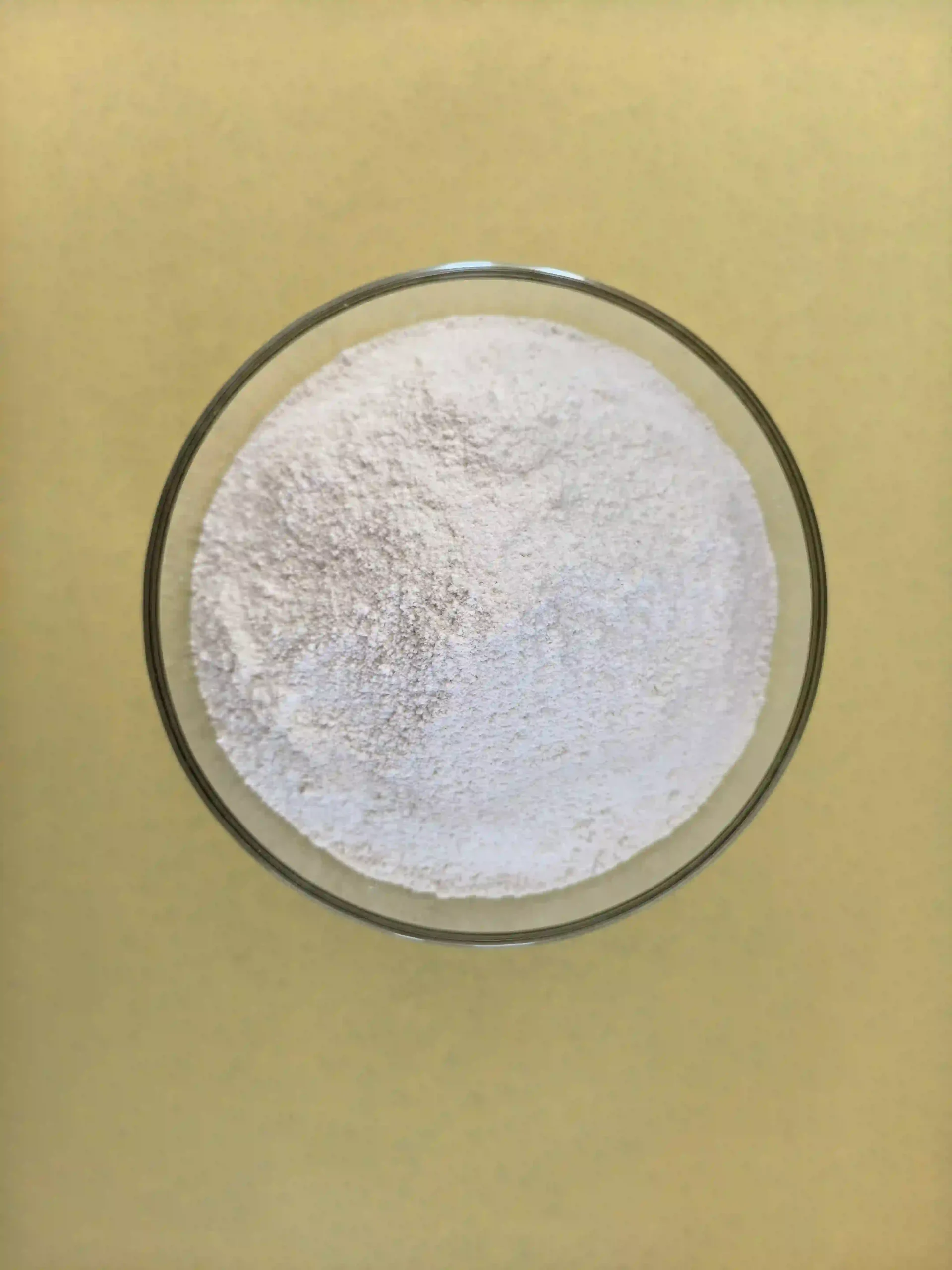
Nano-zinc oxide, as a novel inorganic antibacterial material of the metal oxide class, possesses diverse morphologies, high plasticity, abundant resources, low cost, stable performance, and minimal environmental pollution. It has broad application prospects and practical value in biomedicine, food manufacturing, and other fields.
Ⅰ. Antibacterial Mechanism of Nano-Zinc Oxide
The antibacterial activity of nano-zinc oxide is not a single effect, but rather a synergistic effect of two major mechanisms: photocatalytic generation of reactive oxygen species (ROS) and the slow release of zinc ions (Zn²⁺), coupled with nanoscale physical effects, forming a comprehensive microbial killing system.
- Generation of Reactive Oxygen Species under Photocatalysis
As a wide-bandgap semiconductor material, nano-zinc oxide, under ultraviolet light (especially the UVA band), experiences valence band electrons absorbing energy and transitioning to the conduction band, forming electron-hole pairs (e⁻-h⁺). These charge carriers migrate to the material surface and react with oxygen and water molecules in the air to produce reactive oxygen species such as hydrogen peroxide. These reactive oxygen species indiscriminately damage key components of bacterial cell membranes, such as lipids, proteins, and DNA, triggering a chain reaction of lipid peroxidation that completely disintegrates cell structure and metabolic function, ultimately leading to bacterial death. Furthermore, the smaller the particle size of nano-zinc oxide, the larger its specific surface area, the stronger its photocatalytic activity, and the better its antibacterial effect.
- Zinc Ion (Zn²⁺) Dissolution Mechanism
In humid or water-containing environments, nano-zinc oxide undergoes trace dissolution, slowly releasing Zn²⁺. When the released zinc ions reach a certain concentration, the positive charge of the zinc ions alters the polarization state inside and outside the biological membrane, creating an ion concentration gradient. This hinders the transport of substances necessary for cell maintenance, leading to bacterial metabolic imbalance, disrupting bacterial homeostasis, and causing bacterial cell damage. Simultaneously, zinc ions entering the bacterial cell also cause protein denaturation and cellular functional disorders, resulting in bacterial death. In acidic environments, the dissolution rate of nano-zinc oxide accelerates, the release of zinc ions is faster, and the antibacterial effect is better.
- Physical Contact Antibacterial Effect
Nano zinc oxide particles typically range from 1-100 nm in size, with a specific surface area dozens of times larger than ordinary zinc oxide, significantly increasing the contact area with bacteria. Simultaneously, nanoparticles can directly adsorb onto the bacterial surface, penetrate the cell wall, and enter the cell, further enhancing the effectiveness of Zn²⁺ and ROS, achieving a dual enhancement of “physical contact + chemical action.”
Ⅱ. Application Scenarios of Nano Zinc Oxide Antibacterial Effect
- Medical and Health Field
Adding nano zinc oxide to surgical gowns, masks, bed sheets, and wound dressings inhibits common hospital pathogens such as Staphylococcus aureus and Pseudomonas aeruginosa, reducing the risk of cross-infection and resisting repeated high-temperature sterilization. It can also be used as a coating on the surface of catheters, infusion sets, and surgical instruments to reduce bacterial adhesion and colonization, especially suitable for long-term indwelling devices, reducing the probability of infection. In wound care, as an antibacterial dressing, it can accelerate wound healing, reduce exudation and infection, and is suitable for chronic ulcers, postoperative wounds, and other scenarios.
- Food Manufacturing
Nano zinc oxide, when added to food packaging films/boxes such as PE, PP, and PET, inhibits the growth of Listeria and mold, extending the shelf life of fruits, vegetables, meats, and cooked foods by more than 20%. In food processing, it is used as a coating for food containers and processing equipment to reduce microbial contamination during food processing.
- Building Materials and Coatings
Nano zinc oxide, when added to interior and exterior wall coatings, inhibits the growth of bacteria and mold on wall surfaces, preventing mold and blackening. It is suitable for hospitals, schools, residences, and other similar locations. It is also used in ceramic tile glazes, waterproof membranes, and plastic pipes to impart antibacterial properties, reducing bacterial growth in pipes and bathroom facilities.
Nano zinc oxide, with its inherent antibacterial properties, is widely used in the market, perfectly meeting the modern society’s demand for efficient, environmentally friendly, and safe antibacterial materials. With continuous technological advancements, the antibacterial value of nano zinc oxide will be further developed.