
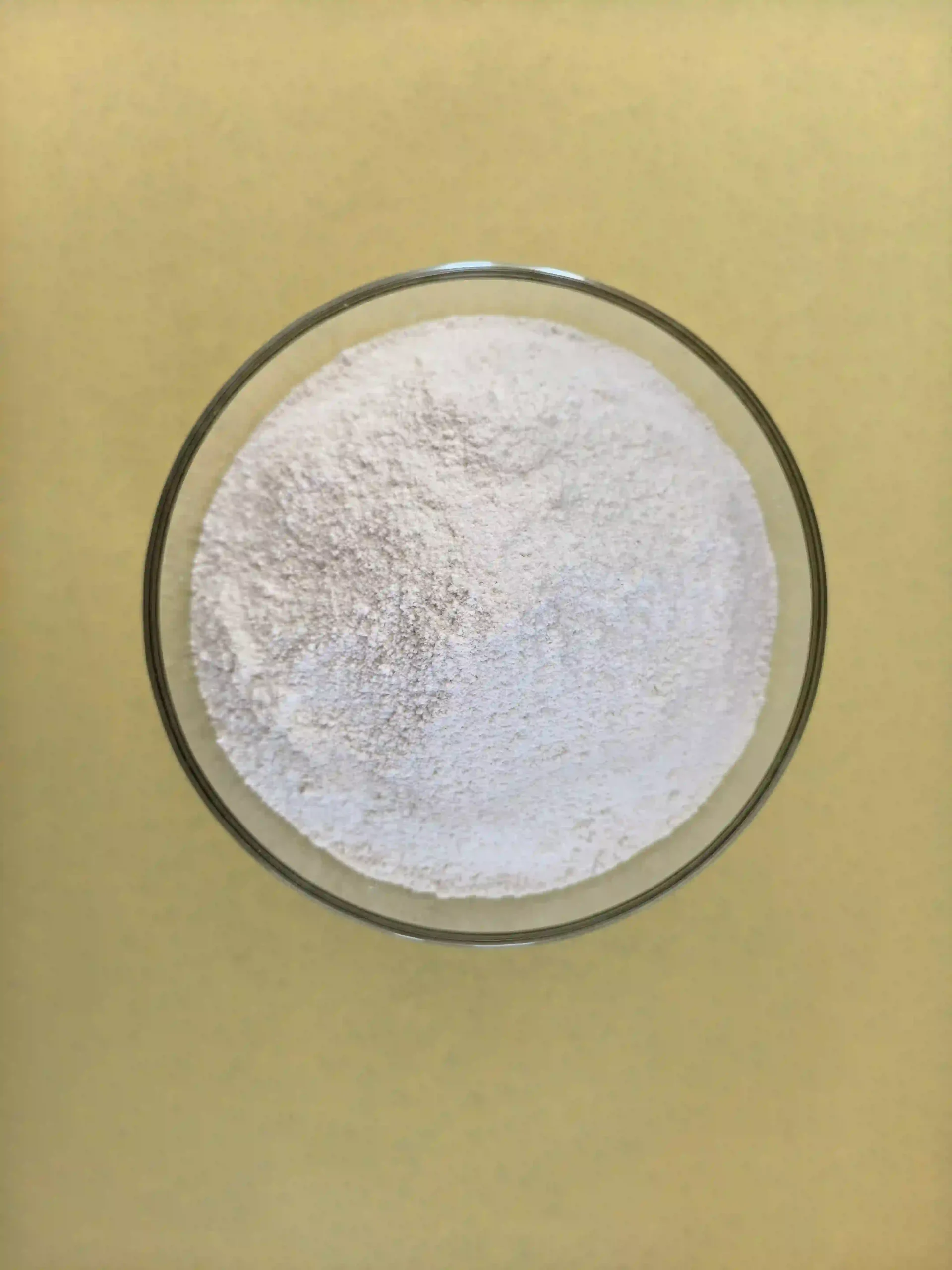
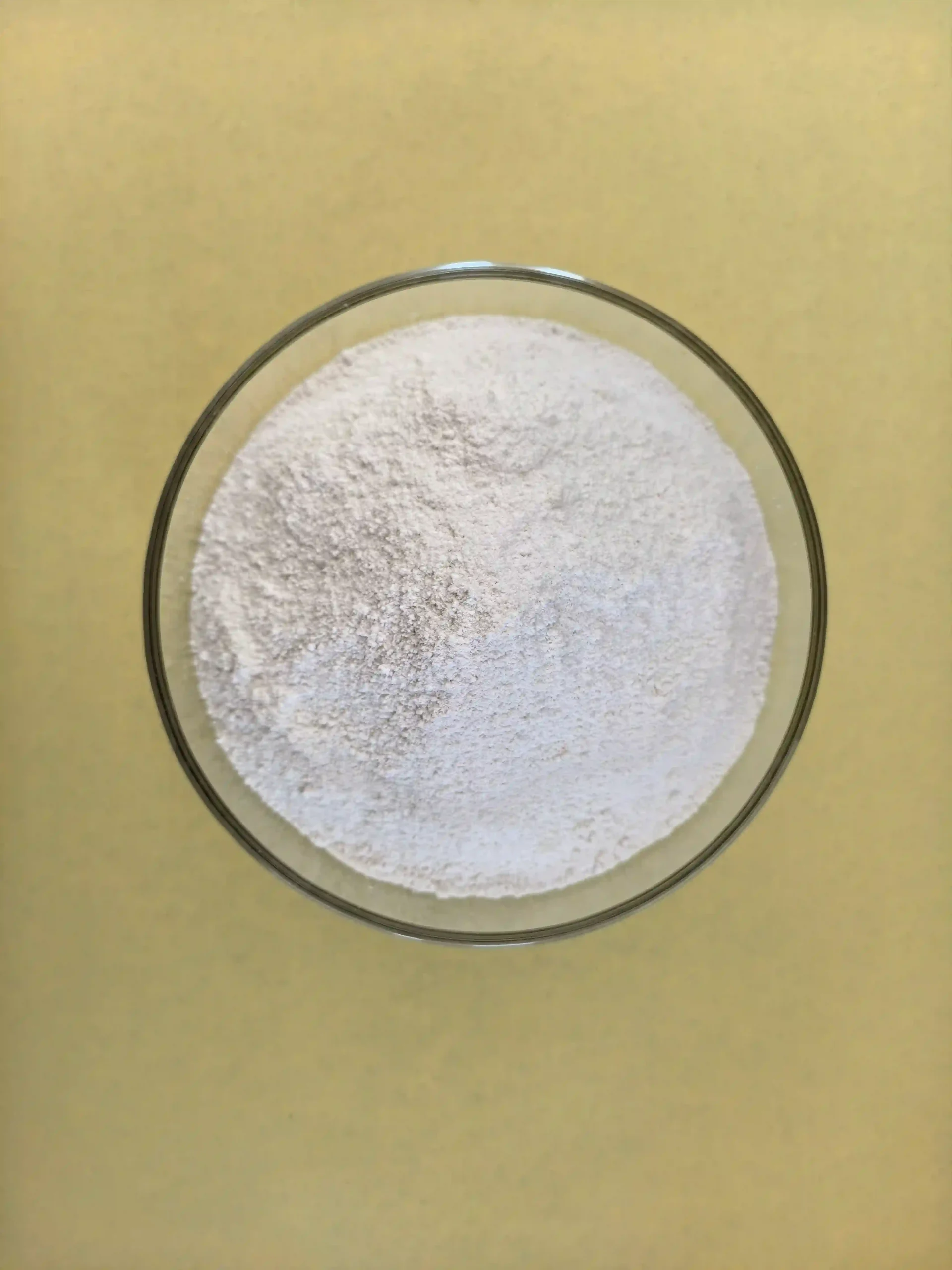
Nano zinc oxide possesses excellent antibacterial properties, UV shielding, and photocatalytic activity, and has long been widely used in traditional fields such as rubber, ceramics, and animal feed. It also boasts advantages such as cost control, environmental friendliness, and strong compatibility, making it a research hotspot in materials science in recent years. With the continuous maturation of nanotechnology, the application scenarios of nano zinc oxide are constantly expanding. Research indicates that nano zinc oxide can be used in calligraphy and painting mounting adhesives.
Calligraphy and painting preservation is a crucial aspect of cultural heritage transmission, and starch-based adhesives (paste), as the core material for mounting and restoration, directly determine the lifespan of calligraphy and paintings. Traditional calligraphy and painting adhesives are mostly made from wheat starch and flour. While they possess good adhesion and compatibility, giving mounted products a smooth texture, and are inexpensive and easy to produce, they are prone to mold growth and degradation, and have weak UV resistance. The starch matrix easily becomes a nutrient source for mold, leading to paste deterioration and mold growth on the calligraphy and paintings. Simultaneously, UV radiation accelerates the aging of rice paper and pigments, severely affecting the preservation of the calligraphy and paintings.
In traditional calligraphy and painting mounting techniques, mold prevention has always been a key area of exploration in the industry. Professor Wang Nanding of the Shanghai Museum’s Center for Conservation Science and Technology has discovered through experimental research that adding nano-zinc oxide to paste can effectively prevent mold growth on calligraphy and paintings. The performance of the adhesive is enhanced by nano-zinc oxide’s antibacterial and UV-shielding properties.
Nano-zinc oxide can inhibit the reproduction of bacteria and mold by disrupting their cell membrane structures, thus addressing the root cause of mold and spoilage in traditional pastes. It also absorbs and scatters ultraviolet light, reducing damage to rice paper and pigments, and delaying the aging and yellowing of the paper, without affecting the colors of the artwork itself. The alkaline nature of nano-zinc oxide starch paste helps neutralize acidic substances in the paper, preventing the paste’s acidity from exacerbating the acidification of the paper and thus protecting the artwork and extending its lifespan.
Adding nano-zinc oxide to the adhesive enhances the protective capabilities of the artwork and aligns with the principle of minimal intervention in the preservation of cultural relics.