
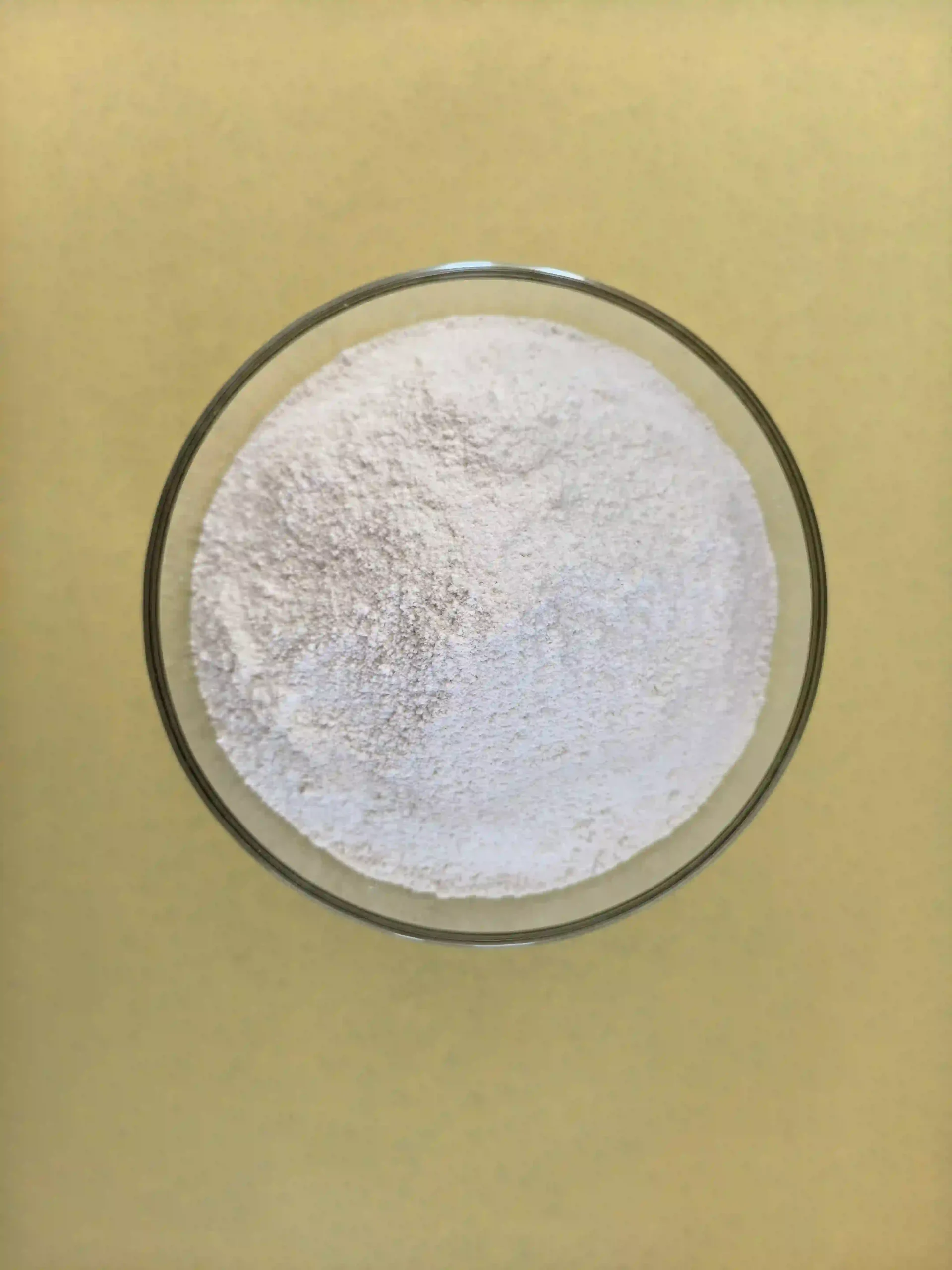
Sulfides are frequently produced in industrial processes such as coal combustion, oil refining, and natural gas extraction. Organic sulfur compounds include carbon disulfide, carbon sulfide acyl, and thiols, while inorganic sulfur mainly exists in the form of hydrogen sulfide. These sulfides corrode industrial equipment and harm the ecological environment. With increasingly stringent environmental regulations and the advancement of the “dual carbon” target, controlling sulfide emissions from industrial production has become a top priority. Therefore, developing highly efficient and precise desulfurizing agents is of significant importance. Active zinc oxide, as a highly efficient, environmentally friendly, and renewable functional material, is widely used in gas and liquid desulfurization due to its unique crystal structure, high specific surface area, and excellent chemical reactivity, playing an irreplaceable role, especially in the petrochemical, coal chemical, and natural gas purification industries.
Currently, industrial desulfurization technologies are mainly divided into two categories: wet desulfurization and dry desulfurization. Wet desulfurization boasts advantages such as large processing capacity and high desulfurization efficiency, but it also suffers from problems like high equipment investment, high operating costs, and the potential for secondary pollution. Dry desulfurization, on the other hand, dominates the fine desulfurization field due to its simple process, convenient operation, lack of secondary pollution, and high desulfurization precision. Active zinc oxide is a common active component in dry desulfurization, capable of efficiently removing sulfides from various systems.
Active zinc oxide desulfurizers have a higher specific surface area than traditional commercial bulk zinc oxide desulfurizers, exposing more surface reactive sites, thus significantly improving their desulfurization activity under ambient temperature conditions. Compared to iron oxide, copper oxide, and activated carbon desulfurizers, active zinc oxide desulfurizers offer higher desulfurization precision and a wider range of applications. The zinc sulfide formed by the reaction of active zinc oxide with sulfides has good stability, allowing for zinc resource recovery through roasting, leaching, and other processes, enabling the recycling of the desulfurizer and avoiding secondary pollution; furthermore, active zinc oxide itself is non-toxic and non-corrosive.
Active zinc oxide desulfurizers are widely used in petrochemical, coal chemical, natural gas purification, and metallurgical fields. In the petrochemical industry, it is used for the purification of refinery gas, catalytic cracking gas, and hydrocracking gas, removing hydrogen sulfide and organic sulfur, protecting hydrogenation catalysts, and improving product quality. In the coal chemical industry, active zinc oxide desulfurizers are used for deep desulfurization of coal-to-syngas and coke oven gas, reducing sulfide content to below 0.05 ppm to meet the requirements of subsequent processes such as ammonia synthesis and methanol synthesis. In the natural gas purification field, it is suitable for small-scale natural gas purification units and end users to remove hydrogen sulfide from natural gas. In the metallurgical industry, active zinc oxide desulfurizers are used to remove sulfur-containing flue gas in the smelting processes of iron and steel and non-ferrous metals, realizing sulfur resource recovery and reducing acid rain pollution; they are also used for protective gas purification to ensure the purity of protective gases.
In recent years, there has been more in-depth research on active zinc oxide desulfurizers to improve the performance of active zinc oxide desulfurizers. Composite active zinc oxide desulfurizers are prepared by combining active zinc oxide with other desulfurizers (such as iron oxide and copper oxide), combining the advantages of different desulfurizers to improve desulfurization performance and applicability. For example, active zinc oxide-activated carbon composite desulfurizers combine the high desulfurization precision of active zinc oxide with the high adsorption capacity of activated carbon, achieving efficient removal of low-concentration sulfides.
Active zinc oxide desulfurizers have become the choice of many users due to their excellent desulfurization performance. With future innovative research into active zinc oxide desulfurizers, more composite active zinc oxide desulfurizers will emerge.